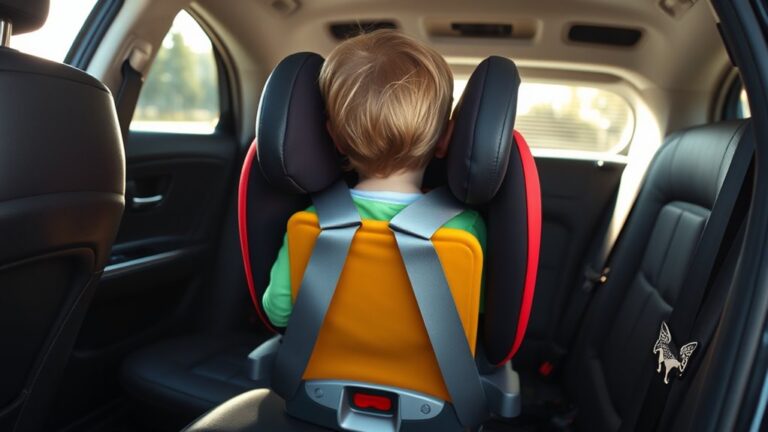
What Age Can You Turn the Car Seat Around? Safety Tips Guide
Many parents feel unsure about when it’s safe to turn their child’s car seat around. Navigating the rules and safety tips can feel confusing, and you’re not alone in this.
You can usually turn your child’s car seat forward when they reach about age 2, but it’s best to follow the manufacturer’s weight and height limits.
Make certain your child can sit upright comfortably and follow your instructions before changing. Always prioritize safety over age and verify the seat is installed properly.
If you want to know the signs of readiness and tips for a smooth change, keep looking for helpful guidance.
Key Takeaways
- Children should stay rear-facing until at least age 2 or until they reach the seat’s maximum height and weight limits.
- Moving to a forward-facing seat usually happens between ages 2 and 4, depending on their size and development.
- Always check the manufacturer’s guidelines for age, weight, and height limits before turning the seat around.
- Make sure your child’s shoulders are below the top harness slots and they can sit upright steadily before switching.
- Remember, safety and readiness are more important than just age when deciding to turn the car seat forward.
When Is the Best Age to Turn Your Child’s Car Seat Forward?
At what age should you start turning your child’s car seat forward? Many parents wonder about the right timing.
Typically, children should stay in a rear-facing seat until at least age 2 or until they reach the maximum height and weight limit for their seat. The forward-facing benefits include easier access and comfort, but safety misconceptions can lead to premature turning.
Children should remain rear-facing until at least age 2 or maximum seat limits are reached for safety.
Some believe forward-facing is safer earlier, but evidence shows that rear-facing seats provide better protection for the head, neck, and spine in crashes. Experts recommend delaying the turn until your child exceeds the rear-facing limits.
This ensures maximum safety. Once they’re ready, switching to forward-facing is a step forward, but only when they’re physically and developmentally prepared. Always follow your car seat’s manufacturer guidelines and consult safety experts if you’re unsure.
Proper timing is key to keeping your child safe and secure on every ride.
What Size Limits Are Safe for Forward-Facing Car Seats?
When it comes to forward-facing car seats, it’s really important to keep an eye on your child’s weight and height limits. Going beyond these can actually make the seat less safe, so always check what the manufacturer recommends for your specific model.
Sticking within those limits helps ensure your child stays protected if you’re ever in a crash. It might seem small, but following these guidelines makes a big difference in keeping your little one safe.
Weight and Height Limits
Understanding the weight and height limits for forward-facing car seats is key to keeping your child safe. These limits are based on car seat guidelines and safety rules to help prevent injuries.
To ensure your child’s safety, check the manufacturer’s specified weight limit, which is usually around 40-65 pounds. Also, confirm the height limit, often about 49 inches or less.
Make sure your child’s shoulders are below the top harness slot. Once they outgrow these limits, it’s time to switch to a booster seat.
Always follow the car seat guidelines and safety regulations because exceeding these limits can reduce protection.
Regularly check your child’s measurements and the seat’s specifications to keep them safe during every ride.
Manufacturer Recommendations
Manufacturer Recommendations
Manufacturers give specific height and weight limits for forward-facing car seats to keep your child safe. Following these guidelines helps you meet safety standards and reduces the risk of injury.
Each seat has recommended limits based on tested safety parameters. Going beyond these can compromise your child’s protection. Always check the label or manual for your seat’s exact limits.
Here’s a quick reference:
| Seat Model | Max Height | Max Weight |
|---|---|---|
| Model A | 49 inches | 65 lbs |
| Model B | 50 inches | 70 lbs |
| Model C | 48 inches | 60 lbs |
Stick to these manufacturer recommendations to ensure your child’s safety and proper seat function within safety standards.
How to Check If Your Child Is Ready to Sit Forward-Facing
Wondering if your little one is ready to sit forward-facing? Well, first, take a look at their age and size—most seats have specific height and weight limits, so it’s good to double-check those.
You’ll also want to keep an eye on their motor skills. If they’re sitting steadily on their own without wobbling or needing support, that’s a good sign they might be ready for the new position.
And don’t forget to make sure the seat itself is properly adjusted and fits snugly. When it’s set up right, it’ll give your child the support and safety they need during car rides.
Child’s Age and Size
Most children are ready to switch to a forward-facing car seat when they reach the right age, weight, and height, but it’s important to check their individual size and development. Remember, rear-facing seats offer better protection for your child’s head, neck, and spine. That’s why car seat safety is so important.
To figure out if your child is ready, consider these points:
- They are at least 2 years old or meet the height and weight limits set by the car seat manufacturer.
- They can sit upright without support for long periods.
- They can keep their head in a neutral position comfortably.
- Their shoulders are at or just below the top harness slots.
Always put safety first over age. Be sure to check your car seat manual for specific guidelines.
Motor Skills Development
Making sure your child has developed the necessary motor skills is essential before switching to a forward-facing car seat. Look for key milestones like sitting steadily without support and maintaining balance.
If your child can sit upright for extended periods and reach for toys or objects without losing balance, they’re probably ready. Checking car seat ergonomics is also important—make sure their back is well-supported and hips are positioned correctly.
If they struggle to sit upright or shift frequently, they might not be ready yet. Waiting until these motor skills milestones are met helps ensure your child’s safety and comfort.
Proper motor development shows they can handle the shift to a forward-facing position confidently and securely.
Proper Seat Position
When your child shows steady sitting and good balance, it’s time to check if their seat position is right for forward-facing use. First, make sure the seat angle is correct; it should support their head and back without slumping.
Next, check that their ears are below the top of the car seat’s shell, which shows they’re ready to face forward. Also, ensure the harness straps are snug and lying flat against their chest without slack.
Finally, confirm the seat’s recline isn’t too upright or too reclined, so their airway and comfort aren’t compromised. Adjust the seat angle if needed. Proper seat position keeps your child safe and comfortable as they move to forward-facing seating.
Expert Tips on When to Switch Your Child’s Car Seat
Wondering when it’s time to switch your child’s car seat? It’s really important for safety and comfort. Usually, you should move from a rear-facing to a forward-facing seat when your child hits the maximum weight or height listed by the manufacturer.
Also, keep an eye on your child’s age and milestones. These can help you decide when it’s time to make the switch.
Here’s a quick guide:
| Age Range | Seat Type | Key Indicator |
|---|---|---|
| 0-2 years | Rear-facing seat | Exceeds weight or height limits |
| 2-4 years | Forward-facing seat | Fits comfortably and within limits |
| 4+ years | Booster or seatbelt | Child’s height and weight are appropriate |
Monitoring these signs helps keep your child safe and comfortable during rides. Always check the manufacturer’s guidelines for exact age, weight, and height recommendations.
Signs That Your Child Is Ready to Sit Forward
You’ll start to notice your child is ready to sit forward when they show some clear physical and behavioral signs. For instance, if they have better head and neck control and seem more aware of what’s happening around them, that’s a good clue.
Also, if they’re sitting steadily without much support and seem curious about their surroundings, it’s probably a good time to consider encouraging this change. It’s all about watching for those little signs that they’re ready to explore sitting forward more comfortably.
Physical Development Indicators
Recognizing physical development signs is key to knowing if your child is ready to sit forward in their car seat. These signs show your child has enough strength and coordination for this step.
Look for these indicators: your child can sit upright without support for at least 30 seconds, has good head and neck control, and can unbuckle or adjust harness straps. They should also demonstrate increased strength to sit without slumping forward.
If your child meets these milestones, they probably have the strength and coordination needed for a safe forward-facing seat. Keep in mind, every child develops at their own pace—make sure your child’s physical development matches these signs before making the switch.
Behavioral Readiness Signs
When your child consistently cooperates during car rides and responds calmly to being seated, it’s a good sign they may be ready to sit forward.
Behavioral cues are key indicators. If they sit still without fuss, follow safety instructions, and show interest in their surroundings, it suggests they’re prepared for the change.
Look for signs like increased awareness of their environment or the ability to stay seated without distraction. If they can remain seated comfortably and follow simple commands, these are positive signals of readiness.
Trust these behavioral signs more than age alone, since children develop at different rates. When you notice these cues, it’s a good time to consider adjusting their car seat position safely.
Debunking Myths About Car Seat Transition
Many parents believe there’s a strict age or height cutoff for moving a child from a car seat to a booster or seat belt, but these myths can lead to unsafe choices. Car seat myths and safety misconceptions often cause people to rush changes or delay them unnecessarily. Remember, every child develops differently, so focus on readiness rather than just age or size.
Here are some truths to keep in mind:
- The change depends on your child’s maturity and ability to sit still.
- Height and weight are guidelines, not strict rules—use them alongside behavioral cues.
- Your child should be able to sit properly with the seat belt across the chest and hips.
- The safest decision is when your child can maintain proper posture without leaning or slouching.
Avoid these safety misconceptions by prioritizing your child’s readiness over arbitrary milestones. Making informed choices helps guarantee they stay safe on every trip.
A Step-by-Step Guide to Moving Your Child to Forward-Facing
Moving your child to a forward-facing seat is an important step in keeping them safe. But figuring out exactly when to make the switch can be tricky. Many parents get confused, thinking age alone is enough to decide.
To make this transition easier, follow these simple steps:
| Step | Action | Tip |
|---|---|---|
| 1 | Check your child’s height and weight to ensure they meet seat limits | Look at the car seat manual for specifics |
| 2 | Remove the rear-facing seat and position the forward-facing seat | Make sure it’s installed tightly with no slack |
| 3 | Adjust the harness straps to fit snugly at your child’s shoulders | You should be able to fit one finger between the strap and your child |
| 4 | Secure your child and double-check all connections | Use the tether anchor for extra safety |
| 5 | Review safety guidelines to clear up any misconceptions | Keep updating your knowledge on safety standards |
Following this process helps you move confidently, keeping your child’s safety front and center.
How to Properly Install the Car Seat After the Switch
After shifting your child to a forward-facing seat, it’s important to double-check that the seat is installed correctly to keep them safe. Proper installation helps protect your child in case of a crash.
Start by securing the seat tightly with either the seat belt or LATCH system. There should be minimal movement—just enough to ensure it’s snug.
Next, verify that the seat is at the right recline angle. Many seats have built-in indicators to help you get this just right.
Check that the harness straps are snug against your child’s chest without any slack. They should be secure but comfortable.
Double-check all connectors, clips, and anchors to make sure everything is attached securely. Tighten them if needed.
Finally, press down on the seat at the base. It shouldn’t wiggle more than an inch. Always refer to the manufacturer’s instructions for specific details.
Proper installation reduces the risk of injury and keeps your child safer on the road.
Making the Transition Comfortable for Your Child
Once you’ve securely installed the car seat, it’s important to help your child feel comfortable and confident in their new setting. Creating a comfortable environment involves speaking softly, offering reassurance, and letting your child investigate the seat at their own pace.
Use positive reinforcement by praising them for staying calm and cooperating during the change. Bring along a favorite toy or blanket to make the space feel familiar and safe.
Keep the mood relaxed and avoid rushing the process. If your child seems anxious, take a moment to explain what’s happening in simple terms, making the adjustment seem less intimidating.
Consistent praise and gentle encouragement go a long way in helping your child associate the new seat with positive feelings. Remember, patience is key—gradually helping them adapt builds confidence and makes future changes smoother.
What to Do If Your Child Still Fits Rear-Facing Beyond Recommended Age
If your child still fits rear-facing beyond the recommended age, it’s good to know that many kids enjoy the benefits of this position longer than guidelines suggest. Rear-facing can provide better safety and help reduce injury risk in a crash.
If your child is comfortable and still within the height and weight limits, you might want to keep them rear-facing. Here’s what you should do:
First, check your car seat’s maximum rear-facing weight and height limits.
Next, talk to your child’s pediatrician to make sure it’s still safe and comfortable for your child.
Regularly check that your child is snug and properly secured in the seat.
Finally, follow the manufacturer’s instructions to make sure all safety features are being used correctly for extended rear-facing use.
Frequently Asked Questions
Can I Use a Rear-Facing Car Seat Beyond the Recommended Age?
Yes, you can use a rear-facing car seat beyond the recommended age if your child still fits the weight and height limits.
The benefits of rear-facing seats include better protection for the head, neck, and spine. Extended use offers extra safety, especially for young children.
Always follow the manufacturer’s guidelines and local laws to ensure your child’s safety. If you’re unsure, talk to your pediatrician or a car seat specialist for personalized advice.
What Are the Risks of Turning the Car Seat Too Early?
Turning your child’s car seat too early can compromise safety, risking injury during accidents. The benefits of rear-facing seats include better protection for the head, neck, and spine.
Accident statistics show higher injury rates when seats are turned prematurely. You might think it’s convenient, but rushing the shift ignores these critical safety benefits.
Stick to the recommended guidelines to keep your child protected and ensure they get the full safety benefits of rear-facing seats.
How Do Weight Limits Differ Between Car Seat Models?
Weight limits differ between car seat models, so it’s important to check each seat’s features and installation instructions carefully. Some seats are made for smaller weights, while others can handle heavier children.
Always follow the manufacturer’s guidelines regarding weight limits. Exceeding them can compromise your child’s safety and the seat’s effectiveness.
Comparing different car seat features helps you choose the right model for your child’s current size. That way, you can be sure they’re properly protected and compliant with safety standards.
Is It Safe to Switch Car Seats During a Long Trip?
Switching car seats during a long trip isn’t just safe—it’s a game-changer for your child’s comfort and safety!
While it might seem tricky, it’s perfectly fine if done carefully, following car seat safety guidelines. Just make sure your child is securely fastened, the new seat is installed correctly, and you double-check everything.
With proper precautions, you can make long trips safer and more comfortable without any worries!
How Often Should I Check My Child’s Car Seat Fit?
You should check your child’s car seat fit before each trip and regularly during long journeys.
This involves making adjustments to ensure the harness is snug and properly positioned, following safety guidelines.
As your child grows, their seat needs change, so frequent checks help keep them safe and comfortable.
Keep an eye on the harness height and chest clip placement, and always follow the manufacturer’s instructions for the best safety.
Conclusion
So, when’s the perfect time to turn that car seat around? Honestly, it’s a mix of age, size, and a dash of parental intuition—because who needs a crystal ball when you’ve got a trusty car seat manual?
Just remember, safety always comes first. After all, the only thing more thrilling than a child’s first forward-facing ride is the chaos of figuring it out.
Happy driving, and make sure to turn that car seat around at the right time for your child’s safety.