How to Know if Car AC Compressor Is Bad: Signs and Solutions
Having a working AC in your car is a must, especially during hot days. But many people struggle with their AC blowing warm air or making strange noises, and it can be frustrating trying to figure out what’s wrong.
If your car’s AC isn’t cooling properly, you’re not alone—these issues are common and often point to a failing compressor.
If your car’s AC blows warm air, makes strange noises, or has visible leaks, your compressor might be failing. You might also notice inconsistent cooling, weak airflow, or strange squealing sounds.
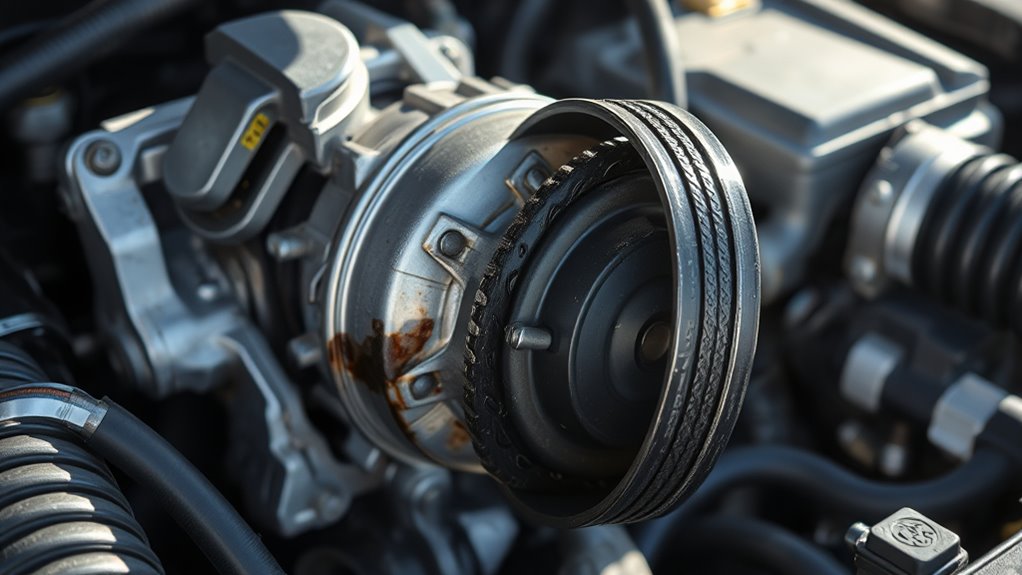
Dyes or oil spots around the compressor are signs of leaks.
If these symptoms sound familiar, it’s time to check further. Keep going to find out more about identifying, diagnosing, and fixing these issues to keep your AC running smoothly.
Key Takeaways
- If you notice inconsistent or warm airflow from your vents, it could be a sign of compressor trouble.
- Keep an eye out for visible oil leaks or spots around the compressor area.
- Strange noises like squealing or grinding suggest there might be internal issues with the compressor.
- When your AC system won’t turn on or the clutch doesn’t engage, it could point to a faulty compressor.
- Regular maintenance and getting a professional diagnosis can help catch early signs of compressor failure.
How Do Car AC Compressors Work and Why Are They Important?
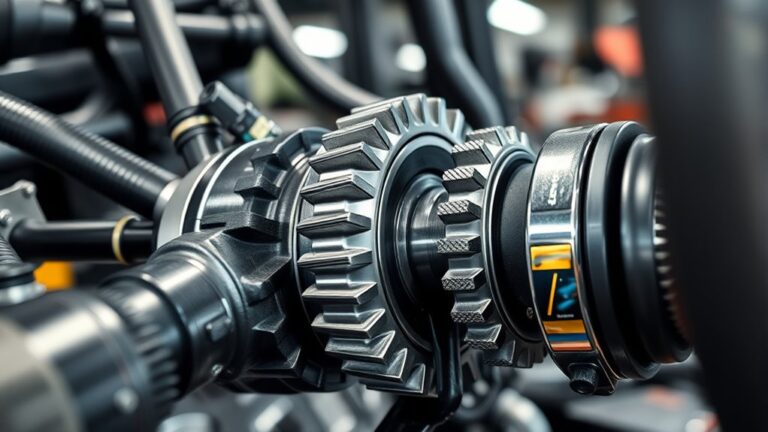
Although a car’s AC compressor might seem like a complex part, it basically acts as the heart of your air conditioning system. Its main job is to circulate refrigerant through the system, helping transfer heat and cool your car’s interior.
The compressor works by compressing low-pressure refrigerant gas into high-pressure, high-temperature gas. This allows the refrigerant to release heat as it moves through the condenser, which cools the air before it enters the cabin.
The compressor compresses refrigerant into high-pressure gas, enabling heat release and cooling before entering the cabin.
Without a properly functioning compressor, the entire AC system can’t work effectively. This leads to poor cooling performance and reduced comfort on hot days. It’s crucial because it keeps the refrigerant flowing and maintains the right pressure for consistent cooling.
When the compressor is working well, you get reliable comfort even when it’s hot outside. But if it fails, refrigerant circulation is disrupted, and the system can’t cool properly. That’s why understanding how it works helps you spot when your AC isn’t performing as it should.
Top Signs Your Car AC Compressor Is Failing
When your car’s AC stops cooling effectively, it might mean the compressor isn’t working properly. Over time, the compressor’s lifespan decreases, which can lead to less effective cooling.
Watch out for these top signs of a failing compressor:
| Sign | Explanation |
|---|---|
| Inconsistent cooling | The AC blows hot or room temperature air intermittently. |
| Visible leaks or oil spots | Oil leaks indicate internal damage or seal failure. |
| Unusual noises | Squealing or grinding sounds suggest internal issues. |
| AC system doesn’t turn on | The compressor clutch may be failing. |
| Diagnostic tool alerts | Diagnostic tools can detect compressor faults early. |
Recognizing these signs early helps prevent further damage. This can extend your compressor’s lifespan and avoid costly repairs. Regular inspections with diagnostic tools can catch issues before total failure happens.
Unusual Noises That Could Signal a Bad Compressor
You might hear some odd noises when your AC is running, and that’s usually a sign something’s not quite right. If you’re hearing squealing or whining sounds, it could mean parts inside the compressor are getting worn out. On the other hand, grinding or rattling noises might point to more serious internal damage.
Sometimes, you might notice the sounds come and go, kind of like cycles. That could mean there’s an issue with how the compressor is functioning, maybe it’s struggling to keep up or isn’t working smoothly. If any of these noises sound familiar, it’s a good idea to have a professional check it out before things get worse.
Squealing or Whining Sounds
Squealing or whining sounds from your car’s AC system often mean there’s a problem with the compressor. These noises usually come from squealing parts or whining sources inside the system.
When the compressor’s internal parts wear out or get misaligned, they can make high-pitched noises that stick around while the AC is running. A persistent squeal might mean the serpentine belt is slipping or damaged, which powers the compressor.
Whining noises often point to issues with the compressor clutch or bearings. If you notice these sounds, it’s a sign that the compressor isn’t running smoothly and could be on its way out.
Ignoring these noises could lead to bigger problems, so it’s best to get your AC system checked and fixed quickly.
Grinding or Rattling Noises
Grinding or rattling noises from your car’s AC system often mean there’s a serious problem with the compressor. These sounds usually suggest that internal parts are worn out or damaged, which could lead to more damage if not addressed.
If you notice persistent grinding or rattling, it might be that your compressor is near the end of its lifespan or debris has gotten inside the system. Listening carefully can help—pay attention to whether the noise stays constant or changes with engine speed.
Ignoring these sounds can cause bigger issues, expensive repairs, or even complete compressor failure. Fixing the problem early can save you money and help keep your AC working properly. If you hear these noises, it’s a good idea to have a professional check your compressor.
Cyclic or Intermittent Noises
Cyclic or intermittent noises from your car’s AC system often indicate a failing compressor. These irregular sounds like clicking, banging, or chattering may mean the compressor is struggling or nearing the end of its lifespan.
If you notice these noises, it’s a sign to check the compressor’s condition. Regular system checks and replacing worn parts can help extend the compressor’s life and prevent sudden failures.
Ignoring these sounds might lead to more serious damage and costly repairs. Staying alert to unusual noises helps you catch issues early, saving money and keeping your AC reliable.
If the noises keep up, it’s best to consult a mechanic for a thorough diagnosis.
How to Tell if Your AC Isn’t Cooling Properly
If you’ve noticed that your car’s air isn’t cooling as well as it used to, you might see warm air blowing out of the vents or just weaker airflow overall. It’s pretty common to feel a bit confused about whether everything’s okay, but paying attention to these signs can help you catch problems early on.
You might also hear strange noises when you turn on the AC, like rattling or hissing sounds. Those little noises can be a sign that something’s not quite right with the system. So, if you notice any of these issues, it’s a good idea to get your AC checked out before things get worse.
Insufficient Airflow or Cold Air
When your car’s air conditioning isn’t blowing as cold or as strongly as it used to, it’s a clear sign something might be wrong. Insufficient airflow or cold air points to potential airflow issues that cut down on cooling efficiency.
You might notice weak airflow through the vents, or the air feels only slightly cooler than the ambient temperature. This could be caused by a clogged cabin air filter, duct blockages, or a failing blower motor.
Poor airflow stops the AC system from properly removing heat and humidity from the cabin, making it seem like the AC isn’t working. If you’re experiencing these symptoms, it’s a good idea to check the airflow path and make sure nothing’s blocking it.
Addressing these issues can restore proper cooling performance and keep your AC running smoothly.
Unusual Noises From AC System
Unusual noises coming from your AC system can be a strong sign that something isn’t working right, which often affects cooling. If you hear grinding, squealing, or rattling sounds, it might mean there’s an issue with your compressor or other parts.
These noises could indicate the compressor is nearing the end of its life or that internal components are worn out. Using diagnostic tools can help find the source of the noise, revealing problems like loose belts or damaged bearings.
Listen for a high-pitched squeal when the AC runs, rattling or banging sounds during operation, whining noises that keep going, or clunking sounds during startup or shutdown.
Ignoring these sounds can cause more damage, which can reduce your compressor’s efficiency and shorten its lifespan.
How to Detect Leaks and Oil Spots From the Compressor
Detecting leaks and oil spots from the compressor is a simple process that can help you catch problems early. Start with a visual inspection, looking for fluid leaks or oil spots around the compressor and hoses.
Oil analysis can also be helpful. It shows whether the refrigerant is contaminated or if oil levels are low, both signs of a leak.
Dye testing works well too. Add a special dye to the system, then shine a UV light to spot where the leaks are. During a compressor check, look for discoloration or oil residues that might signal a leak.
Keep an eye on system pressure and refrigerant levels. If they drop, it could mean fluid is escaping. You can also perform evaporator checks and system pressure tests to find hidden leaks.
Regularly inspecting and maintaining your AC system helps catch leaks early. This prevents costly repairs and keeps your compressor running smoothly.
What Does the Clutch Do, and Why Is It Key to AC Performance?
A essential part of your car’s air conditioning system is the clutch. It engages and disengages the compressor as needed to keep things cool.
The clutch operation is important because it controls when the compressor runs, which directly impacts your AC’s performance.
When the clutch works properly, it smoothly engages to start cooling and disengages when cooling isn’t needed. This helps ensure your compressor stays efficient.
If the clutch slips or fails, the compressor might not work correctly. That can lead to warm air or even system failure.
Think of the clutch as a relay between the engine and the compressor.
It includes a spinning pulley that connects to the compressor and an electromagnetic coil that activates the connection.
During driving, it engages and disengages smoothly, providing steady cooling.
Understanding how the clutch works helps you see why it’s so important for keeping your AC running well and avoiding unnecessary wear on your compressor.
Common Causes of AC Compressor Failure and How to Prevent Them
Regular maintenance is key to preventing AC compressor failure because it helps you catch any problems early on. If you ignore small issues, they can turn into bigger, more costly problems down the line.
One common culprit is contamination and debris, which can clog up the system and lead to damage over time. So, keeping everything clean and checking for blockages can really make a difference.
Taking good care of your AC system not only lowers the chances of costly repairs, but it also helps keep your air conditioner running smoothly and efficiently.
Lack of Regular Maintenance
Neglecting routine maintenance is a common reason for AC compressor failure, and skipping these essential tasks can lead to significant damage over time. Without a proper maintenance schedule, minor issues can turn into costly repairs.
Regular check-ups help you spot leaks, worn components, and low refrigerant levels early. Incorporate preventive measures like changing filters, inspecting belts, and topping off refrigerant to avoid problems.
Failing to do so can cause the compressor to overheat, seize, or break down prematurely. Keep a detailed maintenance plan to stay on top of these tasks.
Picture your engine running smoothly, with clean components and ideal refrigerant levels—this is what regular maintenance helps you achieve, saving you money and frustration later on.
Contamination and Debris
Contamination and debris are some of the main reasons AC compressors fail, disrupting the flow of refrigerant and damaging internal parts. Over time, dirt, dust, and metal particles can get into the system, clogging filters and putting extra strain on the compressor.
To avoid this, make sure to regularly replace filters and clean the system. A dirty filter allows debris to circulate and build up, which increases wear and risks failure.
System cleaning helps remove contaminants that may have entered the refrigerant lines. Keeping the system clean ensures debris doesn’t hurt compressor performance or cause costly damage.
When Is It Time to Call a Professional? Signs You Need Expert Help
How can you tell when it’s time to call a professional for your car’s AC compressor? If you notice persistent issues like weak airflow, strange noises, or the compressor failing to turn on, it’s a sign you need expert help.
A professional evaluation can accurately diagnose the problem and prevent further damage. If your AC system is blowing warm air despite being turned on, or if you hear grinding or squealing sounds when the AC is running, it’s time to seek service recommendations from an experienced mechanic.
Moreover, if your compressor cycles on and off frequently or there’s visible fluid leaking, these are clear indicators that professional intervention is needed. Don’t ignore these signs; timely professional help can save you money and restore your comfort.
Easy Maintenance Tips to Keep Your AC Compressor Running Smoothly
Regular maintenance is the best way to keep your car’s AC compressor working properly and avoid costly repairs. Start with regular inspections to spot early signs of wear or leaks.
Check the coolant level regularly and top it off as needed to prevent overheating. Replace filters on schedule to keep airflow unobstructed, and do system flushes when necessary to remove debris and contaminants.
Always monitor the system’s pressure to catch potential issues early. Inspect the belt condition regularly and replace any frayed or cracked belts to prevent failure.
Keep the compressor lubricated by ensuring the refrigerant oil levels are adequate. This reduces friction and wear. Also, remove debris around the compressor and nearby components to prevent blockages.
These simple steps help maintain peak performance, extend your AC system’s lifespan, and save you money by reducing the risk of unexpected breakdowns.
Replacing Your Car AC Compressor: What You Need to Know About Costs and Options
Replacing your car’s AC compressor can cost anywhere from a few hundred to over a thousand dollars, depending on your vehicle make, model, and whether you choose a new, rebuilt, or used part. When looking at compressor replacement options, it’s important to consider both the initial cost and how reliable the part will be in the long run.
Cost evaluations include labor charges, which can vary by shop, and the type of compressor you pick. A new compressor is more durable but costs more, while rebuilt or used parts can save you money but might come with a higher risk of future problems.
Picture the process: removing the old, worn-out part, handling refrigerant carefully, installing the new or rebuilt compressor, and finally testing your AC to make sure it blows cold air and works properly.
Knowing these factors helps you make smarter decisions about the best compressor replacement options for your budget and needs.
Frequently Asked Questions
Can a Bad AC Compressor Affect Engine Performance?
A bad AC compressor can impact your engine’s performance because compressor issues often point to other underlying problems that put extra strain on your engine.
When the compressor isn’t working right, it can cause issues like increased engine load, which can lower your vehicle’s efficiency. It might also lead to overheating or even stalling.
You may notice strange noises or a sudden drop in power. Fixing compressor problems early can help prevent more serious damage and keep your engine running smoothly.
How Long Does a Typical Car AC Compressor Last?
A typical car AC compressor lasts about 8 to 10 years, but this can vary depending on usage and maintenance.
Investigate the truth of the theory that regular maintenance extends compressor lifespan. You’re right to prioritize it. Keep the system clean, replace filters, and check for leaks.
Proper maintenance tips can help your compressor run smoothly longer, ensuring you stay cool without unexpected breakdowns.
Is It Safe to Drive With a Failing AC Compressor?
Driving with a failing AC compressor isn’t safe, especially if you notice poor AC performance or strange compressor noises. A bad compressor can cause the system to overheat or seize, which can lead to more damage.
It might also leak refrigerant, and that can be harmful. If you experience these issues, it’s best to get your vehicle inspected as soon as possible.
Continuing to drive could lead to more expensive repairs and could even compromise your safety. So, it’s better to address the problem early.
Can Low Refrigerant Levels Damage the Compressor?
Yes, low refrigerant levels can damage your compressor. When there’s a refrigerant leak, the compressor has to work harder to circulate the limited refrigerant, which can cause overheating and wear.
If you notice your AC isn’t cooling well, get a refrigerant leak checked promptly. Ignoring this may lead to compressor repair or replacement, so it’s best to address low refrigerant levels early.
Doing so can prevent costly damage and help your AC run smoothly.
How Can I Test My AC Compressor at Home?
To test your AC compressor at home, start with some basic AC troubleshooting. Turn on your car and set the AC to max.
Open the hood and find the compressor. It should have a clutch that engages when the AC is on.
If the clutch doesn’t engage or you hear a noise, the compressor might be faulty.
If needed, consider replacing the compressor. However, for an accurate diagnosis, it’s best to consult a professional.
Conclusion
Regularly inspecting your car’s AC system can save you money and prevent unexpected breakdowns. Did you know that over 75% of automotive AC failures are caused by compressor problems? Recognizing signs early, like strange noises or poor cooling, helps you catch issues before they get costly.
Keeping up with maintenance and seeking professional help when needed is key. Staying proactive about your AC compressor ensures your comfort and keeps your vehicle running smoothly all year round.