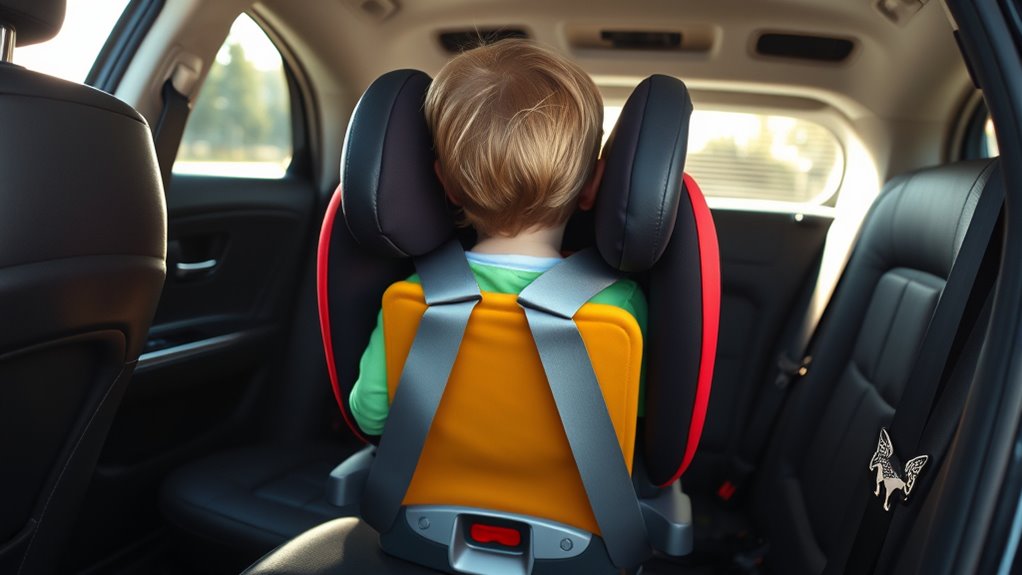
How Long to Rear Face in Car Seat for Maximum Child Safety
Many parents feel overwhelmed trying to navigate the best ways to keep their little ones safe in the car. You’re not alone—figuring out how long to rear face your child in a car seat can be confusing, but it’s so important for their safety.
You should keep your child rear-facing in their car seat until they reach the maximum weight or height limits set by the manufacturer, or at least until age 2. Rear-facing seats provide the best protection by supporting your child’s head, neck, and spine during a crash.
Staying rear-facing longer can reduce injury risk considerably.
To guarantee your child’s safety and comfort, learn the key guidelines and tips that can help you make the best choice for their protection.
Key Takeaways
- Keep children rear-facing until they reach the maximum weight or height limit set by the car seat manufacturer.
- The American Academy of Pediatrics recommends rear-facing seats until at least age 2, or longer if possible.
- Rear-facing seats offer better protection for the head, neck, and spine during crashes, which reduces the risk of injury.
- Regularly check your child’s growth to make sure they stay within the rear-facing weight and height limits.
- Wait to switch to forward-facing until your child can sit unassisted and meets the seat’s height and weight requirements.
What Do the Federal Guidelines Say About Rear-Facing Car Seats?
The federal guidelines prioritize safety by recommending that children stay rear-facing as long as possible, according to the latest standards from the American Academy of Pediatrics and the National Highway Traffic Safety Administration.
Federal guidelines recommend keeping children rear-facing as long as possible for maximum safety.
These guidelines highlight that rear-facing car seats offer better support for your child’s head, neck, and spine during a crash.
Federal regulations set strict standards for car seats to ensure safety, requiring them to pass specific crash tests.
They also outline weight and height limits for rear-facing use, encouraging you to keep your child rear-facing until they reach the maximum recommended weight or height.
While some states might have their own laws, federal rules serve as the foundation for safety practices across the country.
Following these standards helps protect your child during travel and reduces injury risks in an accident.
Ultimately, sticking to federal guidelines means providing your child with the safest environment possible in the car.
Why Is Rear-Facing the Safest Position for Your Child?
Because of how your child’s body is built, rear-facing car seats provide superior protection during crashes. A benefits analysis shows that children in rear-facing seats are much less likely to sustain serious injuries.
Safety statistics reveal that rear-facing positions better absorb crash forces, reducing the risk of head, neck, and spinal injuries. This is because the child’s head, neck, and spine are supported as a single unit, preventing excessive movement.
The car seat’s shell cradles your child’s body, distributing crash energy evenly. Studies consistently show that rear-facing seats dramatically decrease injury severity compared to forward-facing seats.
How Child’s Age, Weight, and Height Affect Rear-Facing Duration
Your child’s age, weight, and height really play a big role in how long they should stay rear-facing. Car seats are designed with specific limits in mind, and sticking to these helps keep your little one as safe as possible.
As your child grows, it’s a good idea to check those limits regularly. That way, you’ll know when it’s time to switch them to a forward-facing seat. Keeping an eye on their size and weight ensures they stay protected in the right seat for as long as possible.
Age and Developmental Stage
Children’s age, weight, and height are key factors in deciding how long they should stay rear-facing in a car seat. As your child hits specific developmental milestones, their safety needs change, which affects recommended rear-facing durations.
Younger kids are still developing neck and head control, so keeping them rear-facing is safer. The American Academy of Pediatrics suggests keeping children rear-facing until they reach the maximum weight or height limit set by the seat manufacturer.
This helps ensure their head, neck, and spine are well supported during a crash. As your child grows and reaches new milestones, their safety needs evolve, but longer rear-facing positions continue to offer the best protection during these critical stages.
Weight and Height Limits
Weight and height limits are crucial when deciding how long your child should stay rear-facing in their car seat. These guidelines from the manufacturer help ensure your child’s safety.
Most car seats list a maximum weight and height your child shouldn’t go beyond to stay rear-facing. Even if your child’s age suggests they’re ready to switch, it’s best to follow these limits.
Staying within these limits makes sure the seat offers the best protection, as the harness and structure are designed for specific sizes. Remember, every child develops at their own pace.
When Is the Right Time to Switch to a Forward-Facing Car Seat?
Wondering when it’s safe to switch your child from a rear-facing to a forward-facing car seat? You should consider forward-facing readiness, which depends on your child’s size and developmental milestones.
Most children are ready when they’ve outgrown the height and weight limits of their rear-facing seat. Change indicators include your child’s ability to sit upright unassisted, hold their head steady, and stay comfortable in the current seat.
It’s important not to rush this switch, as rear-facing seats provide better protection for your child’s head, neck, and spine. Once they meet the manufacturer’s specifications and show they’re comfortable and secure in their current seat, you can start planning the change.
Keep in mind that every child develops at a different pace, so avoid moving them too early. Ensuring your child’s safety means waiting until they’re truly ready for forward-facing.
How Long Should Your Child Stay Rear-Facing for Maximum Safety?
For maximum safety, experts recommend keeping your child rear-facing for as long as possible, ideally until they reach the highest weight or height limit set by the car seat manufacturer. The benefits of rear-facing seats far outweigh those of forward-facing seats, especially in crash situations.
Research shows that children in rear-facing seats are up to five times safer during a collision. This is because their neck, spine, and head are better protected. Extended rear-facing use reduces injury risk and helps absorb crash energy more effectively.
Children in rear-facing seats are up to five times safer during a crash, offering better protection for neck, spine, and head.
To keep your child as safe as possible, consider these points: Most children can stay rear-facing until age 3 or even beyond. Car seats often support rear-facing positions up to 40-50 pounds. Keeping your child rear-facing also supports proper spinal development.
Extended rear-facing use aligns with current safety guidelines for maximum protection. Staying rear-facing as long as possible gives your child the best protection during car rides.
Debunking Common Myths About Rear-Facing Car Seats
A lot of folks think that age is the main thing when it comes to how long your child should stay rear-facing in their car seat. But actually, safety standards mainly look at your child’s size and developmental stage, not just how old they are.
There’s also this common myth that rear-facing seats are unsafe or unnecessary once your child hits a certain age. That’s not true at all. The real key is understanding the facts so you can make the best choices for your child’s safety.
Myths About Age Limits
Is there truly an age limit for rear-facing car seats? Many people think children should switch to forward-facing seats by a certain age, but that’s a common misconception. The truth is, age isn’t the best marker—child size and development matter more.
Safety data shows that rear-facing seats offer better protection for longer periods. So, it’s not just about age; it’s about ensuring your child stays rear-facing as long as possible.
Here are some myths to clear up:
- All children outgrow rear-facing seats by age 2
- Rear-facing is only safe for infants
- Once a child can sit unassisted, they should switch
- Age limits are set for convenience, not safety
Understanding these misconceptions helps you prioritize your child’s safety. Keep them rear-facing as long as possible for maximum protection.
Misconceptions on Safety Standards
Understanding safety standards for rear-facing car seats is essential, especially since misconceptions can lead to unsafe choices. Many believe that once a child outgrows the height or weight limits, they must change to forward-facing seats immediately, but this is a car seat myth.
Safety misconceptions often cause parents to rush the shift, increasing injury risk. Modern standards emphasize that children should stay rear-facing as long as possible, based on their size and the manufacturer’s guidelines.
Some assume rear-facing isn’t safe for older or larger children, but research shows it’s the safest position at any age in a crash. Recognizing these safety misconceptions helps you make informed decisions, ensuring your child remains protected in the rear-facing position for the recommended duration.
Tips for Properly Installing and Securing Rear-Facing Car Seats
Properly installing and securing a rear-facing car seat is essential for your child’s safety. Correct installation guarantees the seat stays in place during a crash and reduces injury risks. Focus on mastering installation techniques and securing straps to achieve a snug fit.
Always read the manufacturer’s instructions carefully, as they provide specific steps for your seat model. Use either the seat belt or LATCH system, whichever offers a tighter, more secure fit. Make sure the seat doesn’t move more than an inch side to side or front to back when properly installed.
Regularly check the securing straps for tension and wear, tightening them as needed. Keep the seat level at the correct recline angle for your child’s size and age. Verify installation with the seat’s level indicator and tighten securing straps until firm.
Confirm there’s no more than one inch of movement. Regularly inspect the seat for wear and tear to ensure ongoing safety.
Making Rear-Facing Comfortable and Practical for Kids
Making rear-facing travel comfortable and practical for kids can really improve their safety and happiness on the road. Focus on comfort strategies that support their physical needs and make long rides more enjoyable.
Use padded inserts or head supports to keep their head and neck aligned comfortably. Keep their environment engaging with small toys or books within reach to pass the time and reduce fussiness.
| Comfort Strategies | Playtime Activities | Practical Tips |
|---|---|---|
| Padded head supports | Soft toys or books | Regularly check harness fit |
| Ventilation fans | Stickers or quiet games | Adjust seat angle for comfort |
| Cushions for extra support | Interactive toys | Keep snacks handy |
These ideas make rear-facing travel more practical, helping your child stay comfortable and content during the journey.
Choosing the Best Car Seat for Extended Rear-Facing Use
Choosing the right car seat for extended rear-facing use is key to keeping your child safe and comfortable as they grow. Look for seats with features like adjustable harness heights, plenty of legroom, and high weight limits that support longer rear-facing periods.
To ensure maximum safety, pick seats that meet or go beyond safety standards and are compatible with your vehicle. When installing, secure the seat tightly using the vehicle’s seat belt or latch system. Make sure it’s at the correct recline angle and check that there’s minimal movement once installed.
Choose seats that meet safety standards, install securely, and ensure proper recline for maximum protection.
Think about car seat features that support extended rear-facing, such as high weight limits and adjustable headrests. Ease of installation is also important, so look for clear instructions and compatibility with your car.
Safety certifications and crash test ratings are crucial. For added comfort during long trips, consider padding and breathable fabrics. Choosing a seat with these qualities helps you confidently extend rear-facing time and keeps your child safe and comfortable.
Expert Advice and Real-Life Stories About Rear-Facing Duration
Experts, like pediatricians, often say it’s best to keep your child rear-facing for as long as possible because it’s safer. Many parents I’ve talked to share stories about sticking to the age and weight guidelines, even when others urge them to turn the seat around sooner. They really value safety above all else.
Hearing their experiences can give you a better idea of what might work for your family. It’s all about finding that balance between safety and your child’s comfort, so taking their stories into account can help you decide how long to keep your child rear-facing.
Pediatrician Recommendations
Pediatricians strongly recommend keeping your child rear-facing for as long as possible because it offers the best protection in a crash. Their insights highlight that rear-facing seats spread crash forces across the child’s head, neck, and spine, reducing injury risk.
According to safety stats, children rear-facing until at least age 2 are less likely to sustain severe injuries. Many can stay rear-facing beyond age 2, sometimes until age 4 or 5.
Proper seat installation is key to maximizing safety benefits. Pediatric guidelines change as new research comes out, so staying updated is important.
Longer rear-facing periods match manufacturers’ height and weight limits, ensuring your child is both safe and comfortable.
Following these pediatrician tips helps keep your child safe during every trip.
Safety First Stories
Real-life stories and expert advice consistently emphasize the importance of keeping children rear-facing for as long as possible. Many parents share emotional experiences about their children’s safety during accidents, highlighting how rear-facing seats provided essential protection.
Personal anecdotes reveal that delaying forward-facing travel often feels challenging, but parents find comfort knowing their child’s safety is prioritized. For example, one parent recalls feeling relief when their toddler was unharmed after a minor collision, thanks to being rear-facing.
These stories serve as powerful reminders that patience and following safety recommendations can make a big difference. Listening to these real-life experiences helps reinforce your commitment to your child’s safety and gives you confidence in keeping them rear-facing longer.
Age and Weight Guidelines
Most children should stay rear-facing until they reach the recommended age and weight limits set by safety guidelines, which often means until at least age 2 or beyond. The benefits of rear-facing seats are significant, helping reduce injury risk during crashes.
Knowing your car seat’s maximum weight and height limits is important. Check the label on your seat to stay within those boundaries.
Follow the manufacturer’s instructions for adjusting and switching seats. Remember, age isn’t the only factor—weight and height are just as important.
If you’re unsure, consult safety experts or your pediatrician for personalized advice. Sticking to these guidelines helps keep your child in the safest position longer, giving you peace of mind during every trip.
Frequently Asked Questions
Are There Any Risks Associated With Prolonged Rear-Facing Car Seat Use?
There are minimal risks associated with prolonged rear-facing car seat use, especially when you follow safety guidelines and rear-facing limits.
Staying rear-facing longer actually improves your child’s safety by better protecting their head, neck, and spine. As long as you follow the seat manufacturer’s recommended rear-facing duration, you can confidently extend this period without concern.
It’s the safest choice until your child outgrows the seat’s height or weight limits.
How Does Vehicle Type Influence Rear-Facing Car Seat Duration?
Your vehicle type greatly influences rear-facing car seat duration because vehicle design impacts safety features and space. Larger vehicles with advanced safety systems, like SUVs or minivans, often provide better protection and more room, allowing longer rear-facing use.
Smaller cars may have limited space or fewer safety features, so you might need to follow different guidelines. Always prioritize car safety recommendations and verify your child’s seat fits well, regardless of vehicle type.
Can a Child Be Rear-Facing in a Booster Seat?
You might wonder if a child can be rear-facing in a booster seat. Here’s the surprise: no, they can’t.
Booster seat safety is designed for forward-facing use only, usually after rear-facing benefits are maximized. Keeping your child rear-facing longer offers important protection.
But once they outgrow rear-facing limits, moving to a booster seat ensures continued safety. Always follow the manufacturer’s guidelines to keep your child safest on every trip.
What Signs Indicate a Child Is Ready to Switch to Forward-Facing?
You’ll know your child is ready to switch to forward-facing when they hit age milestones, typically around 2 years old, and meet the seat’s weight limits. Keep an eye on their height and weight to make sure they fit comfortably in the harness.
Once they can sit with good posture and the harness fits snugly without slipping, it’s time to move to forward-facing for continued safety.
How Often Should I Check the Car Seat’s Fit and Safety?
Think of your car seat as your child’s safety shield. Regular checks are really important.
You should inspect the car seat’s fit and safety at least once a month. Make sure it’s installed properly and follows safety regulations.
Look for loose straps, movement, or signs of wear. Tighten or adjust everything as needed.
Staying vigilant helps prevent accidents and keeps your little one secure on every trip. It’s like having a vigilant guardian watching over them.
Conclusion
Ultimately, keeping your child rear-facing isn’t just a recommendation; it’s a shield guarding their precious future.
By following guidelines and trusting your instincts, you turn your car into a safe haven for your little one.
Remember, every moment spent rear-facing is a small investment in their well-being, like planting seeds for a secure tomorrow.
So, stay informed, be patient, and let safety be your guiding star on this journey.
When it comes to maximum child safety, knowing how long to rear face in a car seat makes all the difference.