Can a Faulty Coolant Temp Sensor Cause Rough Idle? Tips and Solutions
If you’ve ever experienced a rough idle or your engine stalls unexpectedly, you’re not alone. Many drivers struggle with engine issues that seem to come out of nowhere, causing frustration and concern.
A faulty coolant temperature sensor can be a sneaky culprit behind these problems. It sends incorrect data to the engine control unit, which messes with your fuel mixture and ignition timing.
When this sensor malfunctions, your engine might run unevenly or stall at idle, making every drive less smooth. It’s a common issue many car owners face, but the good news is it’s often fixable.
You can troubleshoot by checking the sensor’s resistance or inspecting wiring connections. Replacing a failing sensor usually improves engine smoothness and restores normal operation.
Keep exploring to uncover more tips and solutions to fix this issue effectively.
Key Takeaways
- Yes, a faulty coolant temperature sensor can cause rough idling by giving incorrect engine temperature data.
- When the sensor sends inaccurate readings, it can mess with how the fuel mixture is adjusted, leading to rough engine behavior.
- A bad sensor may also cause the engine to stall or have inconsistent idle speeds.
- To diagnose the issue, check the sensor’s resistance and look for faults or corrosion in the wiring.
- Usually, replacing the faulty sensor fixes the rough idle caused by temperature sensor problems.
Signs Your Coolant Temperature Sensor Is Failing
How can you tell if your coolant temperature sensor is failing? Start with a symptom checklist: your engine might run rough or stall at idle, and the check engine light may turn on. You could notice inconsistent temperature readings on your dashboard or see the engine overheating unexpectedly.
A faulty sensor can cause poor fuel economy or trigger hard starting issues. To confirm, use an OBD-II scanner to check for error codes related to the coolant temperature sensor. If codes like P0115 or P0117 show up, it’s a clear sign the sensor isn’t working properly.
Also, inspect the sensor’s wiring and connector for damage or corrosion. If you notice these symptoms or see diagnostic trouble codes, it’s probably time to consider replacing the sensor. Doing so early helps prevent further engine problems and costly repairs.
Understanding How the Coolant Temperature Sensor Works
The coolant temperature sensor plays a vital role in your vehicle’s engine management system by constantly monitoring the engine’s temperature. Its main job is to send real-time data to the engine control unit (ECU), which uses this info to adjust fuel injection and ignition timing.
The coolant temperature sensor constantly monitors engine temperature to optimize fuel and ignition for peak performance.
This process helps ensure peak combustion and efficiency. The sensor measures the coolant temperature, reflecting the engine’s overall heat. When the engine is cold, it signals the ECU to enrich the fuel mixture for a smooth start.
As the engine warms up, the sensor provides accurate data to help regulate temperature. The ECU then leans out the fuel mixture to prevent overheating. Proper temperature regulation is key for engine performance, emissions, and fuel economy.
If the sensor malfunctions, it can send incorrect signals, disrupting temperature control. This can lead to issues like rough idling or poor engine performance.
Common Causes of Coolant Temperature Sensor Failures
Coolant temperature sensors can fail due to various common issues you might notice while driving. Over time, their lifespan decreases, especially if regular maintenance isn’t kept up.
Environmental factors like extreme temperatures, moisture, or debris can damage the sensor or its electrical connections, leading to inaccurate readings. Manufacturing defects may also cause early failure.
Poor electrical connections, such as corrosion or loose wiring, can disrupt the signals sent to the engine control unit. Different sensor types have different vulnerabilities, which can affect how long they last.
Regular inspection and diagnostic tools can help catch issues early before they become bigger problems.
How to Check If Your Coolant Temp Sensor Is Bad
Ever wonder if your engine’s temperature sensor is acting up? To check if it’s bad, start with coolant sensor testing. Use a multimeter to measure the sensor’s resistance as the engine warms up; a healthy sensor’s resistance should change with temperature.
Consult your vehicle’s manual for specific resistance values. If readings stay static or are outside the recommended range, the sensor may be faulty.
Next, perform a sensor wiring inspection. Look for damaged, corroded, or loose wires connected to the coolant sensor. Proper wiring guarantees accurate readings, so any issues here can mimic a bad sensor.
Confirm connectors are secure and free of corrosion.
Troubleshooting a Rough Idle Due to Sensor Issues
When your engine runs rough at idle, a faulty sensor could be the cause, especially if it’s giving incorrect temperature readings. To troubleshoot sensor issues, start with sensor diagnostics. Use an OBD-II scanner to check for error codes related to the coolant temperature sensor.
These codes can point you toward sensor problems that cause idle fluctuations. Next, pay attention to how your engine behaves. If you notice inconsistent idling or stalling, it might be linked to sensor inaccuracies.
You can also manually test the sensor’s wiring and connections for corrosion or damage. A multimeter can help you measure the sensor’s resistance and see if it’s within the manufacturer’s specs.
Remember, sensor issues often show up as unstable idle performance. Catching these problems early by diagnosing sensor faults can prevent further engine issues and make your driving smoother.
Proper sensor diagnostics are essential for pinpointing the root cause of your rough idle.
When to Replace Your Coolant Temperature Sensor
How do you know it’s time to replace your coolant temperature sensor? Usually, when the sensor’s lifespan exceeds 100,000 miles or if you notice consistent issues like rough idling, poor fuel economy, or abnormal engine temps, it’s a clear indicator.
Replacement indicators include fluctuating temperature readings, engine warning lights, or difficulty starting your vehicle. If these symptoms stick around even after troubleshooting, it’s probably time for a new sensor.
| Symptom | Possible Cause | Action |
|---|---|---|
| Engine runs rough at idle | Faulty sensor or wiring issue | Replace sensor |
| Fluctuating temperature | Sensor nearing end of lifespan | Consider replacement |
| Check engine light on | Sensor malfunction or failure | Replace sensor |
Replacing your coolant temperature sensor at the right time helps keep your engine running smoothly and prevents further damage.
DIY Guide to Replacing the Coolant Temperature Sensor
Replacing your coolant temperature sensor yourself can save you money and get your engine running smoothly again. It’s a straightforward fix if you follow the right steps.
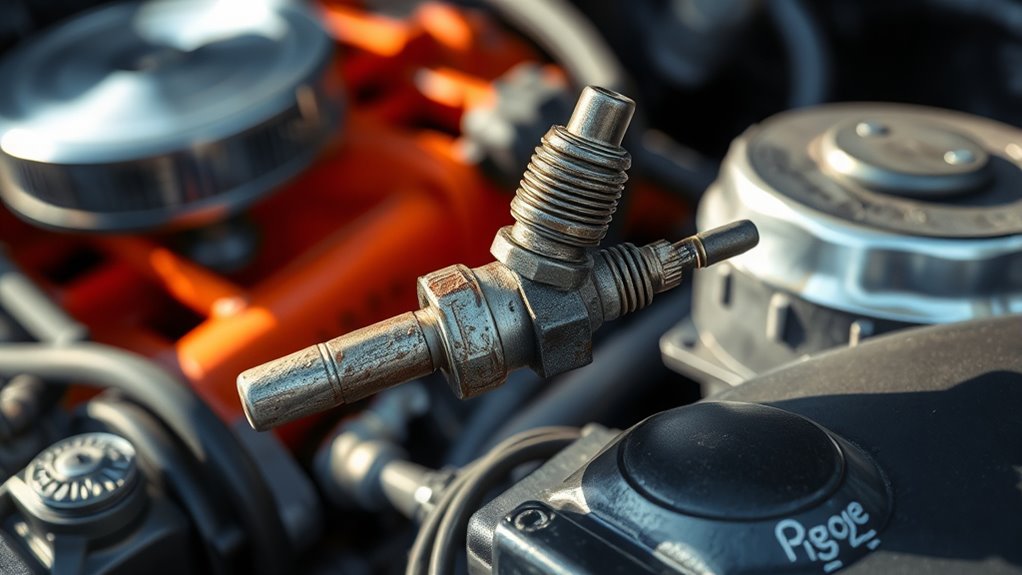
First, figure out what type of sensor you have. Most vehicles use either a thermistor or a resistance sensor. Check your vehicle’s manual or repair guide to locate it, usually near the thermostat housing or radiator.
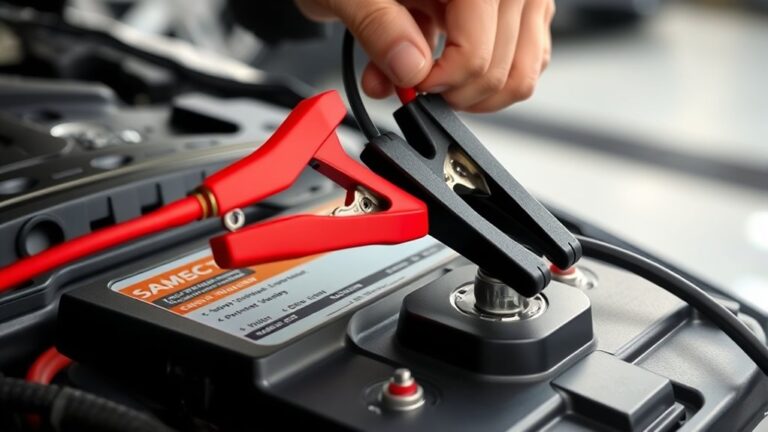
Before you start, disconnect the negative battery terminal. This helps prevent any electrical issues. You might also need to drain some coolant to make accessing the sensor easier.
When removing the old sensor, use the right tools—most likely a socket wrench—and be gentle to avoid damaging surrounding parts. To install the new sensor, apply a small amount of thread sealant if recommended, and tighten it snugly but not too tight.
Make sure to follow any specific tips for your vehicle model to ensure a proper fit. Once it’s in place, refill the coolant, reconnect the battery, and start the engine.
Finally, check that everything is working correctly and that there are no leaks. This simple DIY repair can save you time and money while keeping your engine running smoothly.
Effects of a Faulty Coolant Temp Sensor on Engine Performance
A faulty coolant temp sensor can really mess with your engine’s temperature readings. Instead of giving accurate info, it might send mixed signals, which can make your engine’s performance feel off.
When that happens, your vehicle might not run as smoothly as it should, and you could see a drop in fuel efficiency. Basically, your engine struggles to find the right balance when it comes to fuel and air mixture. You might also notice that your engine feels uneven or rough, especially when you’re sitting at a stop or idling.
Erratic Temperature Readings
When the coolant temperature sensor malfunctions, it can send inconsistent signals to the engine control unit (ECU), causing erratic temperature readings. This leads to coolant fluctuations, where the ECU receives false data about engine temperature.
As a result, your engine might run too rich or too lean, affecting performance. Sometimes, the sensor’s calibration drifts over time, making readings unreliable. These fluctuating signals can cause the ECU to adjust fuel delivery and ignition timing incorrectly.
This can lead to rough idling or stalling. You might notice sudden temperature swings on your dashboard or fluctuating engine behavior. Fixing sensor calibration issues or replacing a faulty sensor can restore accurate readings and improve your engine’s stability.
Doing so can help prevent further performance problems and keep your engine running smoothly.
Poor Fuel Efficiency
A faulty coolant temperature sensor can really mess with your engine’s fuel efficiency by giving incorrect data to the ECU. When the sensor sends wrong temperature readings, the ECU has a hard time managing fuel injection and engine mapping properly.
This can cause the engine to run either richer or leaner than it needs to, wasting fuel or causing inefficient combustion. As a result, your vehicle uses more fuel, and your mileage drops.
You might notice your gas tank emptying faster or higher costs at the pump. The bad signals from the sensor disrupt the right fuel delivery, making your engine less economical.
Getting the sensor replaced or repaired ensures the ECU gets accurate data, helping to restore proper fuel injection and boost your vehicle’s fuel efficiency.
Preventive Tips to Maintain Your Coolant Temperature Sensor
Regularly inspecting and cleaning your coolant temperature sensor can prevent many issues before they start. Start by checking for dirt, corrosion, or buildup on the sensor and its connections, as these can impair sensor readings.
Regular inspection and cleaning of your coolant temperature sensor maintain accuracy and prevent engine issues.
Use a soft brush or cloth to gently clean the sensor, avoiding harsh chemicals that could damage it. Keeping the sensor in good shape helps ensure accurate temperature readings, which are essential for peak engine performance.
If your vehicle allows, consider performing temperature calibration. This helps make sure the sensor’s readings match the actual coolant temperature. Proper calibration can prevent false signals that might cause rough idling or other engine problems.
Check the wiring for damage or loose connections, and replace any faulty wires promptly. Regular maintenance of your coolant temperature sensor not only prolongs its lifespan but also helps keep your engine running smoothly and reduces the risk of issues down the road.
Next Steps: Fixing or Replacing Your Coolant Temp Sensor
If you’ve determined that your coolant temperature sensor is faulty or malfunctioning, the next step is to repair or replace it to restore proper engine performance. Begin with sensor diagnostics to confirm the issue—use a multimeter to check resistance and ensure the sensor’s signals match the manufacturer’s specifications.
Once confirmed, gather the correct replacement part compatible with your vehicle. When installing, start by disconnecting the battery for safety. Carefully remove the old sensor and clean the surrounding area to prevent debris from entering the cooling system.
Apply a small amount of dielectric grease to the new sensor’s connector to ensure a good electrical connection. Screw it in securely but avoid overtightening, which can damage the threads. After installation, reconnect everything, start your engine, and monitor the sensor’s readings to verify proper operation.
Proper sensor diagnostics and careful installation will help you resolve rough idle caused by a faulty coolant temperature sensor.
Frequently Asked Questions
Can a Faulty Coolant Sensor Cause Engine Overheating?
Yes, a faulty coolant sensor can cause engine overheating. When it malfunctions, it gives incorrect coolant temperature readings, which can confuse the engine control unit about the cooling needs.
This can lead the engine to run hotter than it should. Common signs include erratic temperature gauge readings, actual engine overheating, or cooling system errors.
Fixing these issues quickly can help prevent more damage and keep your engine at the right temperature.
How Long Does a Coolant Temperature Sensor Typically Last?
A coolant temperature sensor usually lasts around 50,000 to 100,000 miles, but how long it actually lasts can depend on your driving habits and how well you maintain your vehicle.
Failure often happens because of age, corrosion, or electrical problems, which can lead to inaccurate temperature readings.
Regular inspections can help catch issues early, preventing rough idles or engine overheating.
If you notice inconsistent temperature readings, it’s a good idea to replace the sensor quickly to avoid more serious engine damage.
Will a Bad Sensor Trigger a Check Engine Light?
Irony strikes again—your engine’s check engine light might turn on, even if the coolant temp sensor’s misreading seems harmless.
Yes, a bad sensor usually triggers the check engine light during sensor diagnostics, alerting you to engine performance issues.
This light helps you catch problems early, preventing further damage.
So, if your light’s on, it’s time to get your vehicle checked out and address any sensor-related faults promptly.
That way, you can keep your engine running smoothly and avoid bigger problems down the road.
Are Aftermarket Coolant Sensors Reliable Replacements?
Aftermarket coolant sensors can be reliable replacements if you pick high-quality brands, which help ensure good sensor accuracy.
That said, you might run into installation challenges like fitting issues or compatibility problems with your vehicle’s system.
To prevent headaches, double-check that the sensor is compatible with your car and follow the proper installation steps.
Investing in reputable brands and taking your time during installation will help keep the sensor accurate.
This way, your engine runs smoothly without rough idling or check engine lights bothering you.
Can Coolant Leaks Affect Sensor Performance?
A coolant leak can definitely affect sensor performance. Imagine a car owner neglecting coolant maintenance, which can lead to a leak near the temperature sensor.
This leak causes inaccurate readings, impacting sensor diagnostics and engine management. Regularly inspecting for leaks and maintaining proper coolant levels helps ensure your coolant sensors work correctly.
Addressing leaks promptly prevents sensor issues, keeps your engine running smoothly, and helps avoid costly repairs down the line.
Conclusion
Sometimes, a simple faulty coolant temperature sensor can cause your engine to idle roughly. It’s a coincidence that these small components often go unnoticed until they lead to bigger problems.
By understanding how your sensor works and keeping an eye out for signs of failure, you might catch issues early. Regular maintenance and timely replacements can save you from unexpected rough idling.
This ensures your engine runs smoothly and efficiently. It’s proof that small parts like the coolant temp sensor can make a big difference in your vehicle’s performance.