Boost Your Low End Torque: Ultimate Guide to Maximizing Vehicle Power
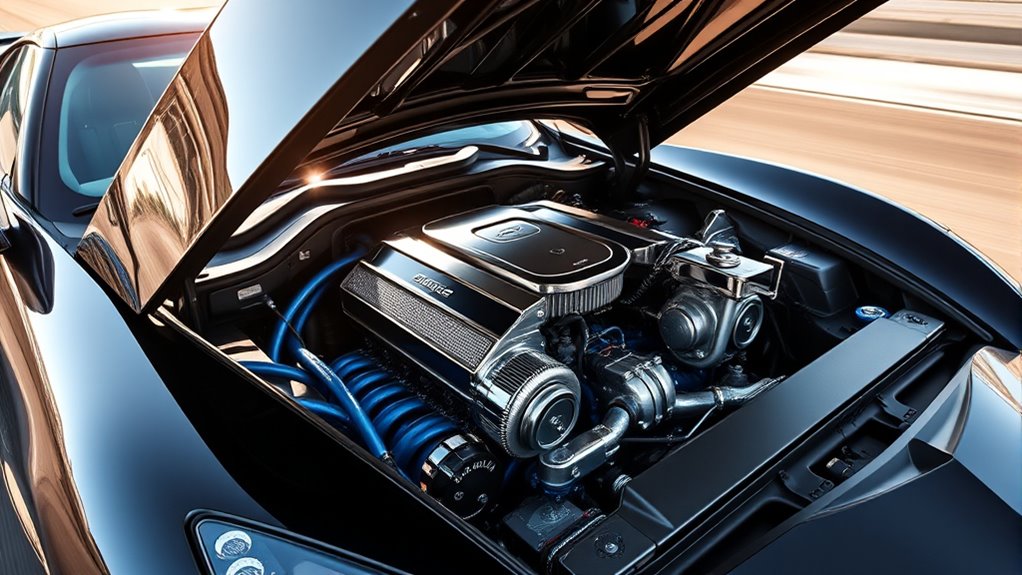
Are you tired of feeling like your vehicle just isn’t as powerful as it could be? You’re not alone—many drivers struggle with low-end torque, especially when they want that quick burst of power at the start.
Improving your vehicle’s low-end torque can make all the difference in everyday driving and performance.
To boost your low-end torque, focus on upgrading your intake and exhaust systems for better airflow. Choose a camshaft designed for low-RPM power and consider ECU tuning to optimize engine response.
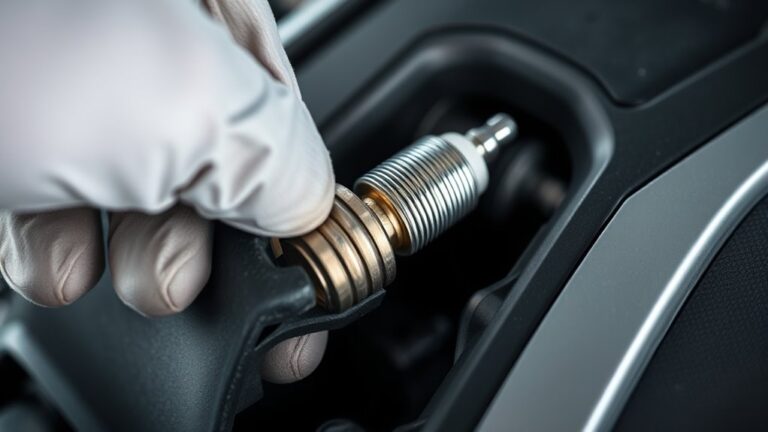
Regular maintenance, like replacing spark plugs and checking tire pressure, also keeps performance at its best.
Avoid common mistakes like neglecting repairs or adding unnecessary weight.
Keep exploring to uncover more proven methods to maximize your vehicle’s power and responsiveness.
Key Takeaways
- Upgrade intake and exhaust systems to improve airflow and reduce backpressure, which boosts low-end torque. This helps your engine breathe better at lower RPMs.
- Choose camshaft profiles and tuning that focus on optimal valve timing for better low-RPM power. It makes a noticeable difference in how your vehicle accelerates from a stop.
- Use ECU tuning and aftermarket parts to fine-tune fuel delivery and ignition settings. This ensures your engine performs better at low speeds and maintains consistent power.
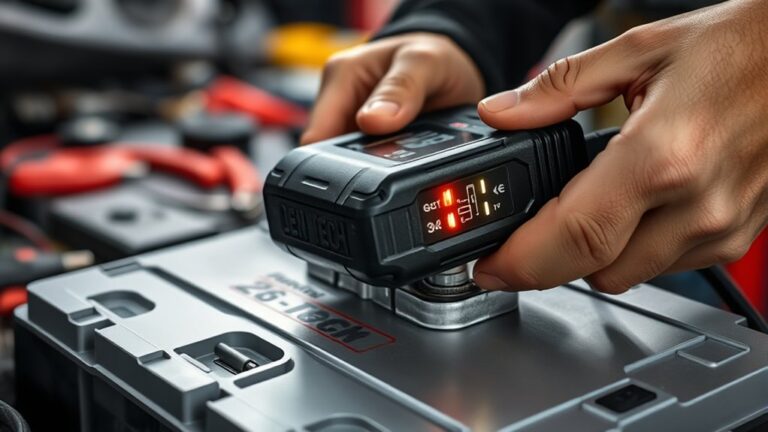
- Keep your vehicle components in good shape by regularly checking and replacing oil, spark plugs, and tire pressure. Well-maintained parts keep your low-end torque steady.
- Lighten your vehicle whenever possible and avoid aggressive driving. Less weight and gentle driving help prevent strain and maximize torque output.
What Is Low-End Torque and Why It Matters
Low-end torque is all about how much power your engine can produce at low RPMs. It’s super important for quick acceleration and feeling responsive on the road.
When your engine delivers strong low-end torque, your vehicle can move smoothly from a standstill and handle steep hills easily. This is especially useful in city traffic or off-road adventures.
Low-end torque also helps your engine run more efficiently. It means you don’t have to rev high all the time, which saves fuel and reduces engine wear.
A higher low-end torque makes your engine more effective at lower speeds. It improves throttle response and results in smoother power delivery.
Understanding how low-end torque works can help you see why it’s so key to good vehicle performance. Focusing on boosting it keeps your engine efficient and ready for quick, confident drives.
How Low-End Torque Affects Your Vehicle’s Performance
When your vehicle has solid low-end torque, you’ll really feel the difference in how it accelerates and responds. It’s like the engine gives you a little extra boost right from the start, making your drive feel more lively and effortless.
Plus, having good low-end torque means you’re better prepared to handle heavy loads or tow trailers without putting too much stress on the engine. It makes those tough tasks feel a lot easier and less strainful.
Enhances Acceleration Response
Having strong low-end torque means your vehicle responds quickly when you press the accelerator, especially at the start of a drive or during slow maneuvers. This boosts your throttle response, making acceleration smoother and more immediate. When engine load is low, your vehicle naturally delivers better low-end torque, improving overall response.
| Effect | How It Works | Benefit |
|---|---|---|
| Faster Acceleration | Increased torque at low RPMs | Quicker start and merge |
| Better Throttle Response | Immediate power delivery | Less lag during acceleration |
| Improved Control | Reduced engine load fluctuations | Smoother driving experience |
This combination helps you feel confident and in control, especially in stop-and-go traffic or tight turns.
Improves Towing Capacity
A vehicle’s ability to handle heavy loads depends a lot on its low-end torque. When you boost this power, your towing performance gets much better because you can start moving heavier loads more smoothly and stay in control.
Low-end torque gives you the quick force needed to manage loads, which helps prevent strain on your engine and transmission. This means less chance of stalling or wearing out parts too quickly.
To get the most out of your towing capacity, focus on increasing low-end torque for better load handling, smoothing out power during acceleration, reducing strain on drivetrain components, and improving fuel efficiency when hauling heavy loads.
Also, maintaining stability while hauling heavy objects is key to safe and effective towing.
Factors That Impact Your Car or Truck’s Low-End Power
Several key factors influence your vehicle’s low-end power, directly affecting how quickly it responds at lower RPMs.
Engine displacement determines how much air and fuel your engine can burn, which impacts torque delivery. Gear ratios also matter—lower ratios give you more torque at low speeds.
Your vehicle’s weight plays a role; lighter vehicles usually respond better at low end. Fuel quality and combustion efficiency affect how well your engine converts fuel into power and how responsive it feels.
Proper tire pressure ensures good grip and power transfer, reducing drivetrain losses that can sap low-end torque. The size of your turbocharger impacts boost response—smaller turbos spool faster, boosting low-end power.
Tuning methods like ECU remapping fine-tune fuel and ignition settings for better low-RPM performance. All these factors work together to improve your vehicle’s responsiveness and maximize low-end torque when you need it most.
Simple Ways to Improve Intake and Exhaust for Better Low-End Response
If you want to get better low-end response from your engine, a good place to start is by upgrading your air intake system. This helps improve airflow, so your engine can breathe easier and respond quicker when you hit the gas.
Adding a high-flow exhaust setup can also make a pretty noticeable difference. It reduces backpressure, letting exhaust gases escape more freely, which in turn helps with low-end torque.
And don’t forget about optimizing your exhaust routing. Making sure the exhaust flow is smooth and efficient can give your engine that immediate torque boost you’re looking for, especially at lower RPMs.
Upgrade Air Intake System
Upgrading your air intake system is a simple way to boost low-end torque by improving airflow into the engine. Choosing cold air intake kits or upgraded filters helps cool the air, increasing oxygen density for better engine breathing.
You can also enhance intake manifolds and use tuning chips to optimize airflow, leading to quicker throttle response and better performance. These upgrades help your vehicle run more efficiently and unlock more power at low RPMs.
Consider adding a cold air intake for cooler, denser air, or upgrading filters to allow more airflow. Improving the intake manifold ensures air is delivered efficiently, while tuning chips customize engine tuning for even better results.
Better airflow dynamics mean your throttle responds faster, giving you more immediate torque when you need it most. These simple changes make your ride more responsive and powerful right when you want it.
Install High-Flow Exhaust
Installing a high-flow exhaust system is one of the best ways to boost your vehicle’s low-end response. It reduces backpressure, helping gases exit more efficiently and increasing torque.
When picking exhaust materials like stainless steel or titanium, think about durability and weight. Sound reduction matters too—look for a system that balances better performance with acceptable noise levels.
Tuning is also key. It lets you customize exhaust flow for optimal low-end power. During installation, make sure everything fits properly and connections are sealed tight to prevent leaks.
Use these tips for a smooth upgrade:
| Exhaust Material | Sound Reduction | Tuning Benefits |
|---|---|---|
| Stainless Steel | Moderate | Improved torque |
| Titanium | Light, quiet | Better response |
| Aluminized Steel | Budget-friendly | Enhanced flow |
A proper setup maximizes power gains and helps your exhaust last longer.
Optimize Exhaust Routing
Optimizing your exhaust routing can significantly improve your vehicle’s low-end response without needing complex modifications. Focus on designing the exhaust manifold to promote efficient flow and reduce restrictions.
Proper backpressure management is key. Too much backpressure can make your engine feel sluggish, while too little might cause a loss of torque. It’s all about finding the right balance.
To get the best results, use a well-designed exhaust manifold that balances flow and backpressure. Keep exhaust pipes as straight and as short as possible.
Avoid unnecessary bends and sharp angles, which can cause flow restrictions. Upgrading to larger diameter pipes where appropriate can also help.
Make sure all connections are tight to prevent leaks, which can hurt performance. These small adjustments help exhaust gases flow smoothly, reducing backpressure and boosting low-end torque.
Proper routing improves exhaust scavenging, leading to quicker throttle response and more power at low RPMs.
Choosing the Right Camshaft for More Low-End Torque
Choosing the right camshaft is key when you want more low-end torque because it directly affects how your engine breathes at lower RPMs. Your choice depends on camshaft profiles, which control lift, duration, and valve timing.
For better torque at low RPMs, look for camshafts designed to open valves earlier and keep them open longer. This helps improve airflow at lower speeds.
Making sure the camshaft suits your engine is really important. Picking one that matches your engine type ensures you get the best performance.
Choosing a camshaft that fits your engine type maximizes performance and gains the best low-end torque.
Think about your goals—whether it’s daily driving or towing power—and choose a cam accordingly.
Budget also plays a role. High-performance camshafts can be pricey, but there are good options at different price points.
When installing, follow proper steps, like degreeing the cam for accurate timing.
Finally, consider tuning to fine-tune the camshaft and get the most low-end torque possible.
How to Tune Your ECU to Boost Low-End Power
Tuning your ECU is one of the best ways to boost low-end power because it lets you adjust how your engine responds at lower RPMs. With the right remapping techniques, you can optimize fuel delivery, ignition timing, and throttle response to get more torque right off the line.
Low-end tuning mainly focuses on increasing torque without sacrificing performance at higher speeds. To get started, try adjusting fuel maps for richer mixtures at low RPMs and modify ignition timing for better combustion efficiency.
Refining throttle sensitivity can give you a quicker response, making acceleration smoother and more immediate. You might also want to disable or tweak rev limiters that restrict low-end torque.
Finally, using custom calibration files designed specifically for your vehicle can make a big difference in how effectively your ECU tuning boosts low-end power.
Top Aftermarket Mods to Increase Low-End Torque
Thinking about boosting your low-end torque? One great upgrade is installing a cold air intake. It really helps your engine breathe better by improving airflow, which can give you that extra kick in low-end torque you’re after.
Another solid option is swapping out your stock exhaust for a performance exhaust system. This reduces backpressure, making it easier for your engine to expel gases and breathe freely. The result? Better low-end power and improved responsiveness.
If you really want to see a noticeable difference, combining a cold air intake and a performance exhaust can work wonders. Together, they can significantly enhance your vehicle’s low-end response and give you a more powerful, enjoyable ride.
Cold Air Intake Systems
Cold air intake systems are one of the best aftermarket upgrades for boosting low-end torque in your vehicle. They improve airflow by letting cooler, denser air reach the engine, which boosts combustion efficiency.
Upgrading your intake can give you noticeable gains in low-end power and throttle response. It’s a simple way to make your engine breathe better and perform more efficiently.
Here are some key benefits:
- Improved intake design maximizes airflow
- Cooler air boosts combustion efficiency
- Larger pipes help improve air movement
- High-quality filters reduce restrictions
- Easy to install for quick performance gains
This upgrade helps your engine breathe easier, which results in more torque at lower RPMs. Properly designed cold air intakes are essential for getting more power without sacrificing reliability or fuel economy.
Performance Exhaust Upgrades
A performance exhaust system can really boost your vehicle’s low-end torque by helping exhaust gases exit the engine more efficiently. This upgrade gives you more power and improves throttle response.
Choosing the right materials, like stainless steel or titanium, ensures durability and keeps weight down, which enhances overall performance. A high-flow muffler and larger pipes reduce backpressure, letting the engine breathe easier at low RPMs.
This means faster torque delivery and quicker acceleration from a standstill. Plus, a well-designed exhaust can improve sound quality without losing efficiency.
Upgrading your exhaust optimizes exhaust flow, unlocking hidden power and making your vehicle more responsive at low speeds. It’s a smart move if you want to maximize low-end torque.
Maintenance Tips to Keep Your Low-End Performance at Its Best
Maintaining your vehicle’s engine components is key to keeping low-end torque at its best. Regular upkeep makes sure your engine stays responsive and powerful at low RPMs.
Start with timely oil changes and engine cleaning to prevent buildup that can hurt performance. Check your tire pressure often—proper inflation improves traction and throttle response.
Regular oil changes and tire checks boost engine health and improve throttle response.
Use high-quality fuel to ensure optimal combustion and smooth power delivery. Replace spark plugs when needed to keep combustion efficient and your engine responsive.
Keep your transmission fluid fresh to make gear shifts smooth, which directly impacts low-end torque. Consider tuning your engine for better performance and reducing unnecessary weight with parts removal or upgrades.
Your driving habits also play a role—gentle acceleration and avoiding aggressive driving help maintain torque. Regular maintenance not only boosts power but also helps your vehicle last longer.
In the end, sticking to these tips keeps your low-end performance sharp and your vehicle running smoothly for years to come.
Common Mistakes That Reduce Low-End Power and How to Avoid Them
One common mistake that can reduce your low-end power is neglecting regular maintenance. This can lead to clogged filters, worn spark plugs, and outdated fluids that hurt performance. Using the recommended fuel is also important because poor fuel quality can harm your engine.
Ignoring proper weight reduction increases strain on your engine and reduces torque at low RPMs. Incorrect gear ratios can slow down acceleration and throttle response, so consider adjusting or upgrading them if needed.
Tire pressure is key—underinflated tires create more rolling resistance, while overinflated ones reduce grip. Both affect low-end torque, so keep your tires properly inflated. Improper engine timing can also cause sluggish throttle response and poor low-end pull.
Your driving habits matter too. Aggressive acceleration or sudden changes can diminish torque. Lastly, carrying excess weight or towing beyond capacity puts unnecessary strain on your engine, decreasing low-end power.
Avoid these mistakes to keep your vehicle performing at its best.
When to Seek Professional Help for Low-End Torque Optimization
Recognizing when your vehicle’s low-end torque isn’t improving despite basic maintenance is important because it could mean you need professional help. If your car feels sluggish, idles roughly, or delivers inconsistent power, it’s a good idea to get expert advice.
Professional tuning and diagnostics can find issues that simple fixes can’t. You should consider seeking help if:
- Your car doesn’t respond after routine tune-ups
- You hear unusual engine sounds or feel vibrations
- Power drops when you accelerate or tow
- The check engine light comes on even after repairs
- Your fuel efficiency unexpectedly drops
These signs indicate a trained technician can run detailed tests and fine-tune your engine for better low-end torque. Professional tuning makes sure your vehicle runs at its best and catches problems that DIY methods might miss. When you’re unsure, consulting an expert can save you time and money and prevent further damage.
Frequently Asked Questions
Can Adding a Turbocharger Improve Low-End Torque Effectively?
Yes, adding a turbocharger can effectively boost your low-end torque. It works by increasing the amount of air entering the engine, which makes the engine more responsive at lower RPMs.
To get the most out of a turbo setup, you’ll want to focus on engine tuning. This ensures your vehicle’s systems are optimized for the turbo, helping you unlock better power delivery and efficiency.
With proper tuning, you’ll experience smoother acceleration and improved performance in low-speed situations. It makes your vehicle more capable and enjoyable to drive in everyday conditions.
How Does Fuel Quality Influence Low-End Power?
Did you know that using higher fuel octane can boost combustion efficiency and improve low-end power?
When your fuel has the right octane level, it prevents knocking and allows your engine to burn fuel more effectively. This leads to smoother acceleration and better torque at low RPMs.
Are There Specific Driving Habits That Enhance Low-End Torque?
You can boost low-end torque by adopting certain driving habits. Practice smooth acceleration and avoid sudden throttle inputs, which can put strain on your engine.
Pair this with engine tuning adjustments to optimize power delivery. Also, focus on reducing weight by removing unnecessary cargo or accessories.
These habits help maximize your vehicle’s low-end torque, making your drive more responsive and efficient. This is especially helpful during city driving or when pulling away from stops.
What Are the Signs of Low-End Torque Loss in My Vehicle?
Like a car struggling to breathe, you’ll notice sluggish acceleration and poor response when low-end torque drops.
Your engine diagnostics may reveal misfires or irregularities, and torque measurement could show reduced power at low RPMs.
You might also experience increased fuel consumption and difficulty climbing hills.
These signs point to torque loss, so addressing engine health and doing regular diagnostics can help restore your vehicle’s low-end performance effectively.
Is It Worth Upgrading My Transmission for Better Low-End Performance?
Upgrading your transmission can really boost low-end performance, especially if you pick the right type and tweak gear ratios for better torque.
A manual or performance automatic with optimized gear ratios helps smooth power transfer at low RPMs, which means more torque and quicker acceleration.
But before you jump in, consider the costs and whether it’s compatible with your vehicle. Upgrading is a good move if low-end torque is a top priority for your driving style.
Conclusion
So, you’ve now got all the tools to boost your low-end torque—except, maybe, the patience to wait for it to kick in. Irony’s a funny thing; the more you tweak, the more you realize how little you actually control.
But hey, with a bit of effort and some professional help when needed, you’ll be feeling that grunt off the line in no time. Just don’t forget to enjoy the ride, even if it’s a little more ‘torqued’ than before.
Remember, maximizing your vehicle’s low-end torque is all about fine-tuning and patience. With the right approach, you’ll get that power where it counts.