Why Is Your Car AC Blowing Hot Air on One Side? Troubleshooting Tips
Having your car’s AC blowing hot air on one side can be frustrating, especially when you’re counting on a cool ride. Many drivers struggle with uneven cooling, making long trips uncomfortable.
If your car’s AC blows hot air on one side, it’s likely due to a blend door or actuator issue, refrigerant leaks, or airflow blockages.
Check for blown fuses, inspect the blend door and actuator for damage, and look for refrigerant leaks around hoses or fittings.
Faulty blower motors or sensors could also cause uneven cooling. Continuing will guide you through troubleshooting each component to help you fix the problem efficiently.
Key Takeaways
- Check for uneven airflow or temperature differences. This might mean a blend door or actuator isn’t working right.
- Inspect the fuses and relays related to your AC system for any damage or failure.
- Look for refrigerant leaks or low refrigerant levels, as these can cause uneven cooling.
- Examine the blower motor and fan for any noise, obstructions, or signs of failure to make sure airflow is proper.
- Assess if vents are blocked, or if sensors or electronic modules related to climate control are damaged or malfunctioning.
Common Signs Your Car’s AC Is Blowing Hot Air on One Side
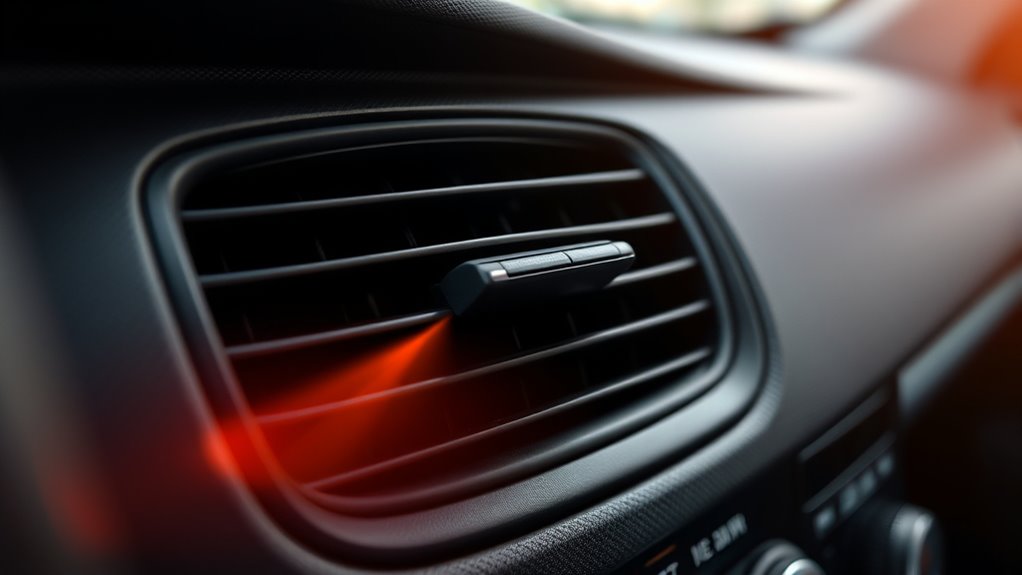
If your car’s AC is blowing hot air on one side, it’s a clear sign something isn’t working properly. You’ll notice uneven cooling, where one side feels really cold while the other stays warm. This usually points to a problem with the blend door or the airflow control system.
Hot air on one side can also mean there’s a refrigerant imbalance or a blocked vent. You might feel the difference especially when the AC is set to a specific temperature but the cooling isn’t consistent throughout the car.
Additionally, if you hear strange noises or notice a lack of airflow on one side, it’s a sign the system isn’t working evenly. Catching these signs early can help prevent bigger issues down the road.
Understanding these common symptoms helps you pinpoint the problem faster. Recognizing uneven cooling and hot air on one side is the first step toward troubleshooting your car’s AC system effectively.
When to Call a Professional for Car AC Problems
Knowing when to call a professional for your car’s AC problems is key to avoiding more damage and costly repairs. If your AC isn’t cooling properly, makes strange noises, or smells bad, it’s time to get expert help. An AC repair professional can do a thorough check, find the root cause, and stop small issues from becoming big problems.
Here’s when you should consider calling in the pros:
| Situation | Action Needed |
|---|---|
| AC blows hot air on one side or smells foul | Schedule a professional assessment |
| Strange noises or weird odors | Contact an expert for AC repair |
| Frequent cycling or not cooling properly | Get a professional diagnosis |
If troubleshooting doesn’t fix the problem, don’t wait. Getting a professional to look at it ensures your system gets the right care, saves you money, and prevents further damage.
How to Check Your Car’s Fuses and Relays
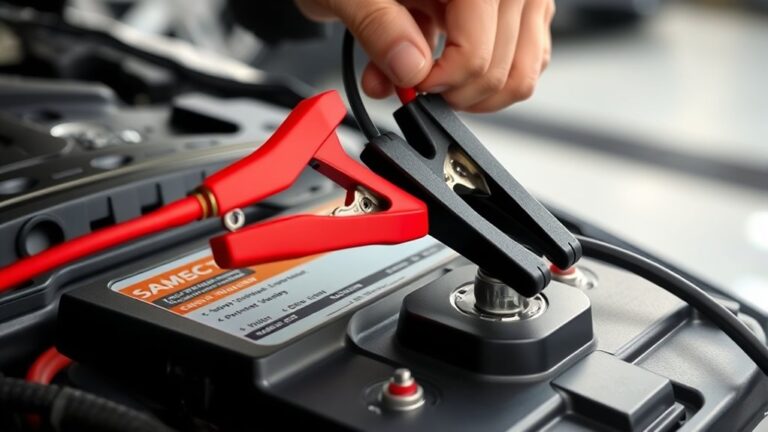
First off, you’ll want to find where your car’s fuse box and relays are. Usually, they’re tucked away under the dashboard or somewhere in the engine bay. Once you’ve got them in sight, take a good look at each fuse and relay. Look for any visible signs of damage like burns, cracks, or corrosion—that’s a good indicator something’s not working right.
If you spot any damaged fuses or relays, swapping them out is often a quick fix. Replacing the faulty parts can help get your AC back to blowing cool again without much hassle.
Locate Fuses and Relays
Finding the fuses and relays in your car is the first step to diagnosing electrical issues with your AC system. Start by checking your vehicle’s owner’s manual to find the correct fuse types and relay locations.
Fuses are usually in the fuse box, which can be under the dashboard, in the glove compartment, or in the engine bay. Relays are often nearby or within the same fuse box.
Look for a diagram that labels each fuse and relay’s function. Check the fuse box cover or manual to identify the specific fuse or relay for the AC system.
Knowing the right fuse types and relay locations makes it easier to access and inspect these components for potential problems.
Inspect for Damage or Burnt
To check if your fuses or relays are damaged or burnt, carefully remove them from their sockets using fuse pullers or pliers.
Perform a damage assessment by inspecting the fuse visually; look for any signs of burnt connectors, discoloration, or corrosion. If the fuse appears blackened or melted, it’s a clear sign of damage.
For relays, listen for a click when you activate them or check for corrosion around the terminals. If you notice any damage, replace the fuse or relay immediately.
Burnt connectors or visible damage indicate a faulty component that can disrupt the AC system’s operation. Ensuring these parts are intact is essential for proper functioning.
Damaged fuses or relays could be the cause of your AC blowing hot air on one side.
Inspecting the Blend Door and Its Actuator
Inspecting the blend door and its actuator is an important step when diagnosing airflow issues in your car’s AC system. If your AC blows hot air on one side, a malfunctioning blend door could be the cause, preventing proper temperature control.
The blend door, controlled by the actuator, directs airflow between the heater core and evaporator. If the actuator fails, it won’t move the door correctly, leading to uneven cooling. To check, locate the blend door actuator—usually near the dashboard or inside the HVAC housing.
Listen for clicking sounds when switching between hot and cold. If you don’t hear any noise, the actuator might be failing. If you suspect an issue, you may need to remove the actuator to inspect for damage or disconnection.
Sometimes, a faulty actuator can be replaced without removing the entire dashboard. Fixing blend door problems or actuator failures quickly ensures your AC system works efficiently and keeps you comfortable.
How to Detect Refrigerant Leaks and Refill Your A/C
Refrigerant leaks are a common cause of reduced cooling in your car’s AC system, so catching them early can save you both time and money. First, get familiar with refrigerant types like R134a or R1234yf, since different systems use different kinds.
To spot leaks, start by visually inspecting hoses, fittings, and the condenser for oily spots or crusty residue, which signal refrigerant escape. Using a UV leak detection kit can make things easier—just add dye to the system and check under UV light for glowing spots.
If you suspect a leak but can’t see it, consider having a professional perform a pressure test or use electronic leak detectors. Once you find the leak, refilling your AC involves connecting a recharge kit to the low-pressure port and carefully adding refrigerant until the system’s pressure is right.
Proper leak detection and refilling will keep your AC running efficiently and your cabin cool.
Understanding the Role of the AC Compressor and Condenser
The AC compressor and condenser are key parts that work together to give you cool air inside your vehicle. The compressor’s job is to pressurize and move refrigerant, turning it into a high-pressure, high-temperature gas. This step is important because it helps the refrigerant release heat as it travels through the system.
The condenser’s job is to cool down this hot refrigerant by releasing heat to the outside air, turning it into a high-pressure liquid.
Here’s how they work together:
- The compressor compresses the refrigerant, raising its pressure and temperature.
- The hot refrigerant then flows into the condenser, where it releases heat and turns into a liquid.
- The cooled refrigerant moves on to other parts to keep the cooling cycle going.
Knowing how these parts work can help you understand why problems like hot air on one side might come from issues with the compressor or condenser.
How to Test and Reset Your Car’s A/C System Components
If your car’s A/C isn’t blowing cold air, testing and resetting its components can often pinpoint the problem and restore function. Start with a basic A/C diagnostics check by inspecting the compressor clutch, making sure it engages when you turn on the A/C.
Use a gauge to measure refrigerant pressure. Low or high readings can point to issues. Next, check the fuse and relay related to the A/C system—replacing blown fuses might fix the problem.
To perform a system reset, turn off the vehicle, disconnect the battery for about 10 minutes, then reconnect it. This can clear minor electronic glitches. If your system still isn’t cooling properly, consider resetting the A/C control module following the manufacturer’s instructions.
Always be cautious when handling refrigerant and electrical components. Proper testing and system reset procedures can help identify faults early, saving you time and money while making sure your A/C works properly.
Signs of a Faulty Blower Motor or Fan
If your car’s fan starts making weird noises or the airflow isn’t steady, it could be a sign that the blower motor or fan is having issues. Sometimes, you might notice that the fan just doesn’t turn on at all, which is pretty clear that something’s wrong. Paying attention to these signs can really help you catch the problem early before it gets worse.
Unusual Fan Noises
Unusual fan noises often signal a problem with your car’s blower motor or fan. If you notice rattling, squealing, or grinding sounds, it’s likely something’s wrong. These noises can mess with fan speed and air direction, making it harder to control your climate system.
Rattling or banging sounds could mean debris is caught in the fan or a component is loose. Squealing noises might point to worn-out bearings or a loose belt. Grinding sounds often suggest a faulty blower motor bearing.
Ignoring these sounds can lead to more damage. Addressing them early helps ensure your AC blows cool and steady with proper air direction.
Inconsistent Airflow
Inconsistent airflow from your car’s AC usually points to an issue with the blower motor or fan. You might notice that some vents blow strongly while others barely produce any air.
This can cause uneven temperature distribution inside your vehicle, making certain areas uncomfortably hot or cold. If the airflow fluctuates or stops suddenly, it’s a sign the fan isn’t working right.
A faulty blower motor can lead to weak or irregular air circulation, preventing the AC from cooling evenly. You may also see inconsistent fan speeds or no airflow from particular vents at all.
These signs suggest a problem with the fan or its motor, which can disrupt your comfort and air distribution. Plus, it increases the chances of feeling uncomfortable due to uneven temperatures inside your car.
Motor Failure Indicators
Noticing strange noises or odd behavior from your car’s AC fan is a clear sign that your blower motor might be failing. Symptoms often include inconsistent airflow or the fan not blowing air at all. You might also hear grinding or squealing sounds, which can point to bearing issues or motor wear.
Actuator problems can also cause the fan to turn on and off randomly or not respond when you change the climate controls. Keep an eye out for these signs—they’re clues that your motor or actuator could need fixing.
Signs to watch for include unusual grinding or squealing noises, intermittent or weak airflow, and the fan not responding to temperature or speed adjustments. Ignoring these issues can lead to more damage or complete blower failure, so it’s best to get it checked out early.
Troubleshooting the Climate Control System and Electronic Modules
The climate control system and electronic modules are crucial for keeping your vehicle comfortable. When they stop working right, quick troubleshooting can save you time and hassle. If your car’s climate control isn’t responding properly, the problem might be due to faulty electronic modules or miscommunication in the system.
Troubleshooting usually involves checking for blown fuses, loose wiring, or sensor issues that could affect airflow or temperature control. Start by inspecting the electronic modules for any visible damage or loose connections.
Look at the symptoms and possible causes in the chart below. For example, inconsistent temperatures could be caused by faulty modules or sensors. No air conditioning output might point to a blown fuse or a malfunctioning climate control unit. If the display or controls are unresponsive, it could be damaged wiring or a faulty electronic control module.
Understanding how these modules work with your climate control system can help you find the root cause faster. Taking a few moments to inspect the connections can make a big difference in resolving the issue quickly.
Tips to Maintain Your Car’s A/C System and Prevent Future Issues
Regularly maintaining your car’s A/C system is key to preventing breakdowns and making sure it works well when you need it most. Routine check-ups help keep the system efficient and avoid issues like uneven cooling or hot air blowing on one side.
Regular A/C maintenance prevents breakdowns and keeps your system working efficiently when you need it most.
Be sure to check and replace the cabin air filter regularly because a clogged filter reduces airflow and puts extra strain on the system. Also, have your refrigerant levels inspected and topped off if needed, since low refrigerant can reduce cooling performance.
Here are three simple tips for maintenance:
- Schedule professional A/C system inspections once a year.
- Keep the condenser clean and free of debris.
- Use your A/C regularly, even in winter, to keep parts lubricated and working smoothly.
Following these steps helps keep your A/C reliable and efficient, preventing future problems and ensuring your comfort.
Frequently Asked Questions
Can Temperature Differences on Each Side of the Car Be Normal?
Yes, temperature differences on each side of your car can be normal because of how the climate control system distributes air. Your vehicle’s dual-zone climate control lets you set different temperatures for the driver and passenger sides.
If one side feels warmer, it’s usually due to how the air is directed and balanced. But if the difference is really big or keeps happening, it could mean there’s an issue with the climate control system or vents that needs to be checked.
How Do I Identify a Malfunctioning AC Blend Door?
Imagine turning your car on a hot day, only to notice one side stays warm. You probably have a malfunctioning blend door that’s messing up how air is distributed.
To figure it out, listen for strange noises when you change the temperature. You can also feel for inconsistent airflow from your vents.
If some vents blow hot air while others stay cool, your blend door might be stuck or broken. This prevents proper air distribution and causes uneven cooling.
Will Low Refrigerant Always Cause One-Sided Hot Air?
Low refrigerant levels don’t always cause one-sided hot air, but they can affect your AC’s overall performance. If the refrigerant is low, your system might struggle to cool evenly, which could lead to hot air on one side.
However, uneven airflow or a stuck blend door can also cause this issue. To figure out what’s going on, start by checking the refrigerant levels first.
Then, inspect the blend door and airflow controls to make sure they’re working properly. Sometimes, it’s a simple fix that gets your AC blowing cold and evenly again.
How Long Should a Car AC System Last Before Needing Replacement?
Your car AC system usually lasts about 8 to 15 years, but its lifespan depends on how often you use it, how well you maintain it, and the climate you drive in.
You should think about replacing it if you notice warm air that doesn’t cool, strange noises, or if the cooling gets worse over time.
Keep an eye on signs like needing frequent recharges or leaks, which can indicate it’s time for a replacement.
Regular servicing can help extend your AC system’s life, but when repairs start to cost too much, replacing it is often the best choice to stay comfortable.
Are There DIY Solutions for Uneven Cooling Issues?
Yes, you can try DIY fixes for uneven cooling. Start by checking the air circulation system, including vents and filters, to make sure nothing’s blocking airflow.
Clean or replace clogged filters, and make sure vents are open and unobstructed. This can often improve airflow and help balance the temperature inside your car.
Additionally, inspect the blend door actuators for proper operation. Faulty actuators can cause uneven cooling, so replacing or repairing them might do the trick.
Conclusion
Think of your car’s A/C system as a delicate dance, where each part plays an essential role in harmony. When one side blows hot, it’s like a missed step throwing off the rhythm.
Troubleshooting and maintaining your system helps restore that cool, comfortable rhythm. Keep an eye on the signs, and don’t hesitate to call in a professional if needed.
With proper care, your car’s climate can stay smooth, cool, and perfectly in tune. Remember, addressing issues with your car AC blowing hot air on one side is key to keeping your drive comfortable.