Why Hearing a Single Pop Noise When Turning Spells Trouble: Causes & Solutions
Are you worried every time you hear that sudden pop when turning? You’re not alone—many drivers struggle with this unsettling noise, and it’s a sign something might be wrong with your vehicle. Hearing a single pop noise when turning spells trouble and should never be ignored.
Hearing a single pop when turning indicates a potential issue with your steering, suspension, or drivetrain. Worn components like ball joints, tie rods, or CV joints often cause these noises, especially if parts are loose or damaged.
Power steering problems, such as low fluid or leaks, can also be to blame. Regular checks can prevent major repairs.
Keep exploring to find out what actions you should take to fix these issues and stay safe on the road.
Key Takeaways
- Worn or damaged CV joints can cause popping sounds when you turn. If you ignore this, it might lead to joint failure later on.
- Leaking or low power steering fluid can make a popping noise and also make steering feel less responsive.
- Loose or worn suspension parts like ball joints or control arms can create noise when you turn.
- Problems with wheel alignment or uneven tire wear can also cause popping sounds and affect how your car handles.
- Regularly checking your steering, suspension, and tires helps catch issues early and avoid costly repairs.
Why Do I Hear a Single Pop When Turning?
Have you ever noticed a single pop noise when turning your vehicle? This sound often points to an issue with your steering alignment or a related part.
When your steering is off, your tires don’t point straight, which can cause uneven wear and put stress on parts like the CV joints or steering rack.
The type of noise can give you clues—sporadic pops might mean a loose connection, while steady pops could mean worn-out parts.
Sporadic pops suggest loose connections; steady pops may indicate worn-out parts needing attention.
Usually, the pop happens as you turn because the steering system shifts, putting pressure on parts that aren’t working properly.
Misaligned wheels can also cause this noise, especially if the suspension isn’t aligned with the steering system.
It’s important to get this checked out quickly because ignoring it can lead to bigger problems and unsafe driving.
You should have your steering alignment inspected to find out what’s causing the noise and prevent further damage.
Could Worn Suspension Components Be Causing the Noise?
Worn suspension components can definitely cause that single pop noise when turning. Over time, parts like bushings, ball joints, or control arms can wear out, leading to unusual noises during maneuvers.
Proper noise diagnosis is important to find the exact cause. When suspension parts deteriorate, they can create slack or sudden shifts, which produce that distinct pop.
Look out for signs like a loose or uneven ride, increased effort to steer, unusual vibrations or clunks, and visible wear on suspension parts.
Worn components lose their ability to absorb shocks and keep your vehicle stable, which can cause popping sounds when you turn. Regular inspections help catch suspension wear early, preventing further damage and keeping you safe.
If you notice this noise, it’s a good idea to have a mechanic check your suspension system to see if worn parts are the culprit.
Are Your CV Joints Responsible for That Popping Sound?
If you hear a sudden pop or clicking noise when turning, your CV joints might be the culprit. Understanding CV joint anatomy helps explain this issue. CV joints connect your wheels to the transmission, allowing smooth steering and movement.
When these joints wear out, their internal components become loose or damaged. The popping noise happens because the joint can’t flex smoothly anymore, causing a sharp click or pop during turns.
This usually occurs because the protective rubber boot has torn, exposing the joint to dirt and corrosion. That speeds up wear and tear. As the CV joint gets worse, you’ll notice more clicking sounds during sharp turns or acceleration.
Ignoring these signs can lead to joint failure, which risks your safety and results in costly repairs. If this sounds familiar, it’s time to check your CV joints for damage. Fixing worn CV joints early can prevent further problems and keep your ride smooth and safe.
Is Your Power Steering System to Blame?
Is your steering feeling a little stiff or making some weird noises when you turn? It might be your power steering system acting up. First things first, take a quick peek at the power steering fluid levels—low fluid can definitely cause that popping sound you’re hearing.
And don’t forget to check for leaks or any worn-out parts inside the hydraulic system. Those can also be the culprits behind the trouble. Just take your time inspecting those areas, and you might find what’s causing the issue.
Power Steering Fluid Levels
Low power steering fluid levels are a common cause of that single pop noise when turning. When the fluid drops, your power steering system struggles to work smoothly, leading to noises and stiffness.
Regularly check your vehicle’s fluid reservoir, especially if you notice the noise. If the fluid is low, top it up with the recommended type to keep things running properly.
Failing to maintain proper fluid levels can cause increased wear on the power steering pump and other parts. Keeping an eye on the fluid helps prevent unnecessary repairs and makes steering effortless.
- Prevents pump damage
- Maintains system efficiency
- Reduces noise during turns
- Guarantees smooth steering performance
Hydraulic System Leaks
Hydraulic system leaks are often the culprit behind that single pop noise when turning. They cause a drop in fluid pressure and volume, which affects how your steering feels.
When hydraulic fluid leaks, your power steering system can’t maintain the necessary pressure. This makes turns feel harder and can produce unusual noises.
Look for visible signs like fluid pooling under the vehicle or low fluid levels in the reservoir. Leaks can happen at hoses, fittings, or seals, which can hurt the whole system’s performance.
If you notice a sudden decrease in steering responsiveness or hear that pop when turning, it’s probably a hydraulic leak. Fixing these leaks quickly helps prevent damage to your power steering pump and keeps your steering smooth and reliable.
Worn Steering Components
Worn steering components are often the real culprits behind that single pop noise when turning. Over time, parts like tie rods, ball joints, and the steering rack wear out, which can lead to looseness and noise.
This wear affects steering alignment, making turns less precise and sometimes noisier. When these parts degrade, they might produce a popping sound as they catch or shift slightly.
To prevent further damage, check for loose or damaged tie rods, worn ball joints, a misaligned steering rack, or excessive play in the steering linkage.
Addressing worn components early helps restore smooth steering and reduces noise. Regular maintenance and alignment checks can extend the life of your steering system and keep those pops at bay.
How to Check Your Wheel Bearings for Problems
To check your wheel bearings for problems, start by safely lifting your vehicle and removing the wheel.
Once the wheel is off, inspect the bearing area for any signs of damage or corrosion. Rotate the hub by hand and listen for bearing noise indicators like grinding, humming, or scraping sounds.
If you notice roughness or play in the wheel, it’s a sign the bearing may be worn or loose. During wheel bearing maintenance, it’s essential to feel for any looseness by rocking the wheel back and forth; excessive movement indicates a failing bearing.
Also, look for uneven tire wear or discoloration around the hub area, which can be signs of bearing issues. Regularly checking your wheel bearings helps prevent more serious problems.
If you detect any bearing noise indicators or suspect trouble, it’s best to replace the bearing promptly to avoid further damage and guarantee safe driving.
Could Tire Issues Be Making That Noise?
Could your tires be the reason for that pop noise? It’s possible, especially if they’re worn unevenly or not inflated correctly. When tires aren’t in good shape or properly inflated, they can put extra pressure on your suspension parts, which might cause strange sounds when you turn the steering wheel.
Tire Wear Patterns
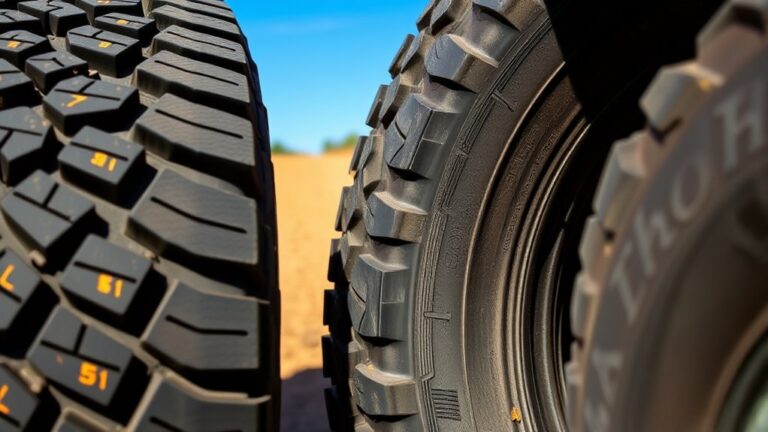
Uneven tire wear can be a sign that something’s off with your vehicle’s alignment or suspension. It might also be contributing to that strange pop noise when you’re turning. When your tires wear unevenly, it usually points to issues like improper alignment or inconsistent tread depth.
These problems can make your tires respond unpredictably during turns, which can lead to noise or vibrations. Keep an eye out for excessive wear on one side of the tire, or patterns that show center or edge wear. Scalloped or cupped tread can also be a clue, as can uneven wear across different tires.
Fixing these issues helps ensure your tires grip the road properly, reducing noise and improving handling. Regular inspections and maintenance can catch wear patterns early, preventing bigger problems and helping your vehicle turn smoothly.
Improper Tire Inflation
Incorrect tire pressure often causes handling issues and strange noises when turning. If your tires are underinflated or overinflated, it can lead to uneven tire tread wear, reducing grip and causing a popping sound during turns.
Low tire pressure makes the tire’s sidewalls flex more, creating noise and instability. On the other hand, overinflation stiffens the tire, limiting its ability to absorb shocks and resulting in similar noises.
Regularly check your tire pressure and verify it matches your vehicle manufacturer’s recommended levels. Properly inflated tires promote even tread wear, improve handling, and reduce noise.
If you notice a single pop when turning, inspecting your tire pressure and tread condition can help identify if improper inflation is the root cause of the problem.
Suspension Connection Issues
Suspension connection issues can sometimes cause a single pop noise when turning, but it’s worth considering whether tire problems are contributing to the sound. Faulty suspension alignment or a worn shock absorber can cause components to shift unexpectedly, resulting in that pop.
Loose or damaged suspension parts may also create noise during turns. To diagnose, look for misaligned suspension components, worn or leaking shock absorbers, loose bolts or mounts, and uneven tire wear affecting suspension dynamics.
Addressing these issues involves inspecting and repairing suspension connections, realigning the suspension, and replacing worn shock absorbers. Keeping suspension components in good condition helps eliminate strange noises and guarantees smooth, safe turns.
Ignoring these signs can lead to more severe suspension damage over time.
Are Ball Joints or Tie Rods the Culprit?
When you hear a single pop noise when turning, the issue could come from worn or damaged ball joints or tie rods. These parts are crucial for steering stability and suspension movement.
During a suspension check, look for looseness or excessive play in these components. Worn ball joints can cause clicking or popping sounds as they lose lubrication or develop play.
Similarly, damaged tie rods, which connect the steering rack to the wheels, can produce pops when they’re worn out. Sometimes, the noise happens because of insufficient lubrication, which increases friction and noise during turns.
Regularly inspecting these parts and keeping them well-lubricated can help prevent the noise and avoid costly repairs. If you notice any looseness or strange sounds, it’s best to have a professional take a look to find the exact cause.
How to Diagnose and Fix the Popping Noise When Turning
To diagnose a popping noise when turning, start by paying close attention to when the sound happens—whether only during sharp turns or at different steering angles—and listen for any sensations like looseness or vibration. This helps figure out if the issue is related to steering alignment or suspension parts.
Next, do some noise diagnostics by gently turning the wheel at various speeds and angles. Notice if the noise gets louder or changes with certain movements.
Check for uneven tire wear, which could point to misalignment. Also, inspect the steering parts for any play or damage. Test for vibrations or looseness in the steering system and make sure your power steering fluid levels are adequate.
Addressing these issues quickly can save you from bigger problems down the road. Properly diagnosing when the noise happens and understanding its cause are key to fixing the problem and getting smooth steering again.
Preventive Tips to Avoid Turning-Related Noises
Regularly maintaining your steering and suspension components can significantly reduce turning-related noises. Preventive maintenance helps catch issues early before they turn into major problems.
Make it a habit to schedule regular inspections of your steering system, including checking the power steering fluid level, tie rods, and ball joints. Keep an eye on your suspension parts like shocks and struts to ensure they aren’t worn or damaged.
Lubricate moving parts as recommended by your vehicle’s manufacturer to minimize friction and noise. Address any signs of wear or looseness promptly to avoid further damage.
Also, check your tires for proper inflation and alignment, since these factors can affect steering performance and noise.
Being proactive with regular inspections and maintenance can help you avoid that unsettling pop when turning and extend the life of your steering system.
When Should You See a Professional for Your Car’s Turning Noise?
If you notice persistent or worsening noises when turning, it’s time to see a professional. A single pop or creak might seem minor, but it can signal underlying issues with your steering or suspension. Ignoring these sounds can lead to more costly repairs later on.
You should seek help if you experience:
- Unusual resistance or difficulty turning the wheel
- Repeated popping sounds during turns
- Vibrations or looseness in the steering wheel
- Any signs of uneven tire wear
A professional will do a thorough vehicle inspection and check your steering alignment. Proper alignment ensures smooth turns and helps prevent further damage. Catching these problems early can save you money and keep you safe on the road.
If any of these symptoms stick around, don’t delay—consult a mechanic promptly to diagnose and fix the issue.
Frequently Asked Questions
Can Aftermarket Modifications Cause Popping Noises When Turning?
Yes, aftermarket parts can cause popping noises when turning, especially if they’re not installed correctly or don’t match your vehicle’s specifications. These modifications might change suspension or steering components, leading to noise issues.
To fix this, check for loose fittings or misaligned parts. Proper installation and choosing quality aftermarket parts can help reduce noise and prevent these unsettling sounds.
This way, your turns will be smoother and quieter.
How Does Low or Old Power Steering Fluid Affect Turning Sounds?
Think of your power steering fluid as the heart of smooth turns. Low or old fluid hampers its rhythm, causing strange noises like popping sounds when you turn.
Proper fluid maintenance is essential; neglect leads to noise diagnostics becoming more urgent. When fluid isn’t fresh, it struggles to lubricate the system, creating that unsettling pop.
Keep your fluid topped off and fresh to guarantee quiet, effortless steering every time.
Can Driving on Rough Roads Damage Suspension Components Causing Popping?
Driving on rough roads can definitely damage suspension components, leading to popping sounds when turning. The impact from uneven terrain accelerates wear on parts like bushings, joints, and shocks.
Over time, this wear causes looseness or damage, which results in that popping noise you hear when turning. To keep things in good shape, it’s a good idea to inspect your suspension regularly.
Avoid harsh impacts whenever possible to prevent further issues. Proper maintenance not only keeps your ride smoother but also helps extend the lifespan of your suspension.
Are Steering Rack Issues a Common Cause of Popping During Turns?
Yes, steering rack issues can cause popping during turns. When your steering rack or parts like the steering alignment are off, it puts extra stress on suspension wear parts, which can lead to noise.
If you hear popping sounds, it’s a sign your steering system might need a check-up. Fixing the alignment and inspecting for suspension wear can help prevent more damage and make turning smoother.
How Long Can I Drive With a Popping Noise Before Needing Repairs?
You shouldn’t ignore that pop noise; it’s a sign trouble’s brewing. You can technically drive a few days, but it’s risky.
The best move is to get a suspension inspection and noise diagnosis right away. Continuing to drive could make the problem worse, leading to more expensive repairs or safety issues.
Trust your instincts: take care of the issue now before it turns into a bigger headache on the road.
Conclusion
Think of your car’s turning noise like a warning bell ringing in a busy city. Ignoring it can lead to bigger, costlier problems down the road. Regularly inspecting and maintaining your suspension, joints, and steering components keeps your ride smooth and safe.
Just like catching a small leak early prevents a flood, addressing these sounds promptly guarantees you stay on the road without surprise breakdowns. Stay attentive, and your car will thank you with reliable performance.
If you hear a single pop noise when turning, it could be a sign of trouble. Paying attention now can save you from more expensive repairs later. Regular checkups help spot issues before they become serious problems.
Keeping your steering system in top shape means fewer unexpected noises and safer driving. Don’t ignore that pop—getting it checked out early is the smart move for your vehicle’s health.