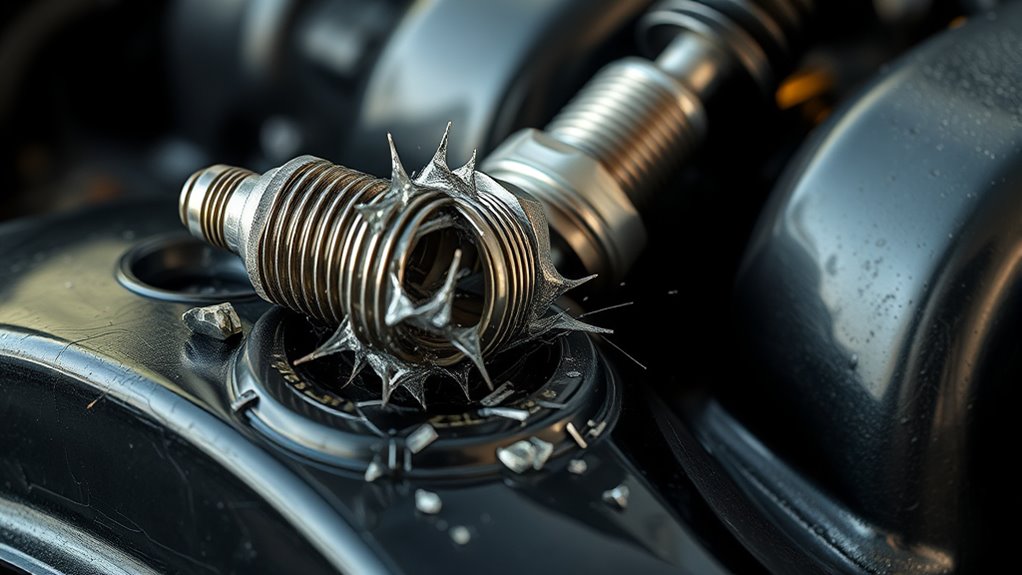
Spark Plug Blew Out of Head [Key Reasons and How to Fix
Are you tired of dealing with engine issues that seem to come out of nowhere? One common headache is when a spark plug blows out of the head, leaving you stranded or facing costly repairs. You’re not alone—many people struggle with this frustrating problem, especially if they’re not sure what causes it or how to fix it.
A spark plug can blow out of the head mainly due to improper installation, damaged or cross-threaded threads, or excessive heat and vibration. If you don’t use the correct torque and don’t inspect threads regularly, the plug can loosen and eventually blow out.
Fixing this involves replacing damaged threads, installing new plugs with proper torque, and avoiding future damage through regular maintenance.
Keep going to uncover detailed steps and tips to prevent and repair this issue.
Key Takeaways
- Improper installation or incorrect torque can cause the spark plug to loosen and blow out over time.
- Thread damage from cross-threading or overtightening prevents proper seating, increasing blowout risk.
- High combustion temperatures and engine vibrations weaken threads and metal, leading to blowouts.
- Regular inspection and correct torque application help prevent thread damage and spark plug failure.
- Professional diagnosis and proper replacement with compatible plugs are essential to fix and prevent future blowouts.
What Causes a Spark Plug to Blow Out?
A spark plug can blow out when it’s not properly installed or if the threads are damaged, causing it to become loose over time. The materials used in your spark plug, like copper, platinum, or iridium, affect its durability, but improper installation can still lead to failure.
High combustion temperatures put extra stress on the plug, especially if it’s not suited for your engine’s demands. When the plug heats up excessively, the metal can weaken or expand, making it easier to loosen or blow out.
Excessive heat weakens spark plug metal, increasing risk of loosening or blowout.
If the spark plug’s threads are damaged or cross-threaded during installation, it won’t seat correctly. This increases the risk of it backing out under pressure. Over time, vibration and thermal expansion can further loosen a poorly installed or damaged spark plug.
Ensuring proper installation, using compatible spark plug materials, and selecting a spark plug designed for your engine’s combustion temperature are key to preventing blowouts.
How Can You Tell If Your Spark Plug Has Blown Out?
When a spark plug blows out, there are usually clear signs that can help you spot the issue early on. One of the main clues is a noticeable change in how your engine runs. You might find it harder to start or notice it idling roughly.
Engine noises can also change—things like knocking or sputtering sounds might indicate a problem. You could feel a loss of power or notice hesitation when you accelerate.
Your vehicle might stall or not run smoothly at all. If the spark plug has completely blown out, you might see visible damage or an unusual gap in the spark plug area.
A sudden drop in fuel efficiency is another sign to watch for. Pay attention to strange engine noises and how your car feels when you drive. These clues can help you catch a blown-out spark plug early and prevent further engine damage.
Common Causes of Spark Plug Blowouts
Many factors can lead to spark plug blowouts, but a common one is installing a spark plug that doesn’t match your engine’s specifications. Using the wrong spark plug materials, like incompatible metal types, can weaken the threads or cause the plug to seize.
Worn-out or poor-quality spark plugs are more likely to fail under pressure. Overheating the engine is another big cause since excessive heat can expand components and loosen the spark plug’s fit.
Worn or poor-quality spark plugs can fail, especially with engine overheating causing expansion and loosening.
Continuous overheating can also damage the spark plug’s materials, making a blowout more likely. Plus, neglecting proper torque during installation can put uneven stress on the threads, increasing the risk.
To reduce the chances of this happening, make sure you’re using the right spark plug materials for your engine and fix any overheating issues. Proper maintenance and careful installation are key to preventing spark plug blowouts.
Why Proper Spark Plug Installation Matters
Proper spark plug installation is essential because it guarantees your engine runs smoothly and prevents costly damage. Using correct techniques and following torque specs ensures the spark plug fits securely and works properly.
Over-tightening can strip threads or crack the ceramic insulator, while under-tightening risks the plug blowing out. So, getting it right is really important for engine health.
Here’s a quick reference for proper installation:
| Step | Action | Tip |
|---|---|---|
| Check torque specs | Use a torque wrench to tighten to specs | Consult your vehicle manual |
| Apply anti-seize paste | Prevents future seizing or sticking | Use sparingly |
| Hand-tighten first | Confirm proper alignment before torquing | Avoid cross-threading |
| Final torque adjustment | Use torque wrench for precision | Make sure specs are met |
Following these steps helps prevent spark plug failure, ensuring reliable performance and avoiding damage caused by improper installation.
How Thread Damage Leads to Spark Plug Failures
Incorrectly installed or over-tightened spark plugs can damage the threads in the cylinder head, leading to serious problems. When threads are stripped or damaged, it becomes hard to secure the plug properly, increasing the risk of it blowing out or causing misfires.
Damaged threads also make future removal tricky and may require thread repair with specialized tools or inserts to restore the original thread strength. To avoid this, always follow proper torque specs and don’t force the spark plug in.
Damaged threads complicate removal and may need repair; always follow torque specs and avoid forcing spark plugs.
Regularly inspecting threads during maintenance helps catch damage early. Using anti-seize compound on new spark plugs can prevent galling and make future removal easier.
Taking these preventive steps—like careful installation and thread checks—reduces the chances of thread damage, ensuring a secure fit and reliable engine performance. Proper care saves you time and money by avoiding costly repairs caused by thread failure.
Signs Your Spark Plug Is Worn or Damaged
Wondering if your spark plug is worn or damaged? Spotting the signs early can save you both time and money. Your spark plug usually lasts between 30,000 to 50,000 miles.
To tell if there’s an issue, check this symptoms checklist:
- Engine misfires or rough idling: You might feel hesitation or jerking when you accelerate.
- Reduced fuel efficiency: Your car could be using more gas than normal.
- Difficulty starting the engine: It might take longer to turn over or not start at all.
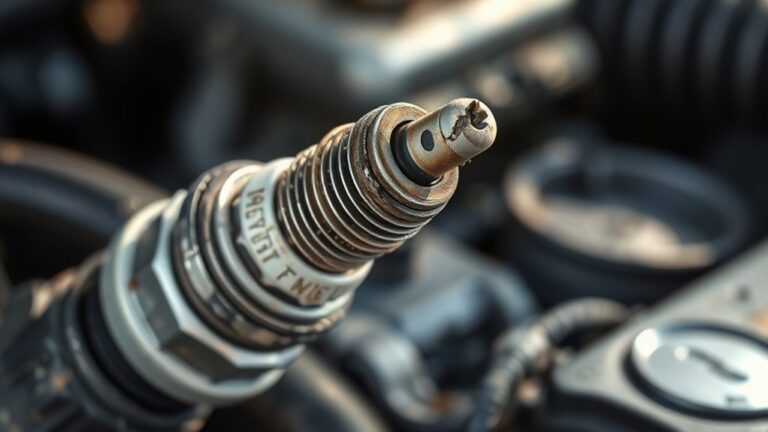
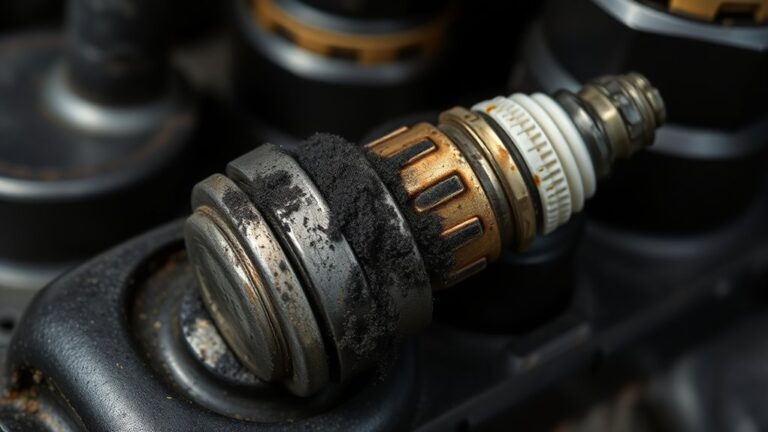
You might also notice visible signs like carbon buildup, a worn electrode, or cracks in the ceramic insulator. If you see these symptoms, your spark plug is probably worn or damaged.
Regular inspection and maintenance can help prevent problems, especially as the spark plug nears the end of its lifespan. Staying alert to these signs keeps your engine running smoothly and efficiently.
Step-by-Step: How to Fix a Blown-Out Spark Plug
Sure! Here’s a more conversational version of your text:
If you’ve got a blown-out spark plug, the first thing you want to do is carefully remove the damaged one. Just take your time so you don’t cause any extra damage. Once it’s out, you’ll need to get a new spark plug—make sure it’s the right type and size for your engine. After that, screw it in and tighten it up properly. That way, it’ll sit securely and help prevent any problems down the road.
Remove Damaged Spark Plug
Removing a damaged spark plug requires careful attention to avoid causing further damage. First, make sure the engine is off and cool to prevent burns or injury. Use the right socket and ratchet, ideally a spark plug socket designed for your spark plug types, for a secure grip.
Carefully turn counterclockwise to loosen the plug, avoiding excessive force that could strip threads. Be mindful of your installation techniques to prevent cross-threading when replacing it later.
Check the condition of the spark plug threads for any damage. Keep track of the removed spark plug so you can inspect it later. During reinstallation, use anti-seize compound to make future removal easier.
This careful approach helps preserve your engine’s integrity and makes the replacement process smoother.
Install and Tighten Properly
After successfully removing the damaged spark plug, the next step is to install and tighten the new or cleaned plug correctly. Use proper installation techniques, making sure the spark plug threads are clean and free of debris. Carefully thread the spark plug by hand to avoid cross-threading.
Once hand-tightened, use a torque wrench to tighten the plug to the manufacturer’s specified torque. Applying the correct torque prevents over-tightening, which can damage the threads, or under-tightening, which can cause the plug to blow out again.
Be sure to tighten the spark plug gradually and evenly. Always double-check the torque setting before completing the installation. Properly installed and tightened spark plugs guarantee a secure fit and reliable engine performance.
Preventing Spark Plug Blowouts: Maintenance Tips
Preventing spark plug blowouts starts with proper maintenance and paying close attention to installation details.
To get the most life out of your spark plugs and avoid problems, regularly inspect them and their threads. Making sure to use the correct torque during installation is key—over-tightening or under-tightening can cause damage.
Regularly inspect spark plugs and use proper torque to prevent damage and ensure longevity.
Here are some tips to help you keep your spark plugs in good shape:
- Perform routine inspections to look for signs of wear, corrosion, or damage.
- Use the correct torque specifications recommended by your vehicle’s manufacturer.
- Apply anti-seize compound sparingly to the threads to make removal easier and prevent seizing, but don’t overdo it.
When to Seek Professional Help for Spark Plug Issues
While regular inspections and proper installation can prevent many spark plug issues, sometimes problems keep happening despite your efforts. If your engine is still rough, misfiring, or losing power, it’s time to get professional help.
Mechanics have diagnostic tools that can quickly find hidden issues, like damaged threads or internal engine problems caused by spark plug failure. So, if you notice increased fuel use or persistent hesitation, don’t wait—see a pro.
Trying to fix complex issues yourself without the right tools or experience can make things worse or cause new damage. A trained mechanic can accurately diagnose what’s going on, check if the spark plugs are the real issue, and see if other parts are involved.
When you notice these warning signs, it’s best not to delay. Consulting a professional ensures your vehicle runs smoothly and safely.
Choosing the Right Replacement Spark Plug and Avoiding Future Problems
Choosing the right replacement spark plug is crucial to keep your engine running efficiently and prevent future problems. The key is to select the correct spark plug types based on your vehicle’s specifications and driving habits. Consider factors like heat range, electrode material, and gap size to match your engine’s requirements.
Using the wrong spark plug can lead to misfires, poor fuel economy, or even damage to your engine. To avoid issues down the road, stick to recommended replacement intervals from your vehicle’s manual. Regularly inspecting and replacing spark plugs guarantees peak performance and longevity.
Choose spark plug types that match your engine’s specifications, such as copper, platinum, or iridium. Follow the manufacturer’s recommended replacement intervals to prevent fouling and wear. Regularly inspect spark plugs for signs of damage, deposits, or wear to catch problems early.
Frequently Asked Questions
Can a Blown-Out Spark Plug Cause Engine Damage?
Yes, a blown-out spark plug can cause engine damage if you ignore it. It disrupts engine performance, leading to misfires, poor fuel efficiency, and potential damage to the cylinder head or piston.
Over time, a worn spark plug with a short lifespan increases this risk. Regularly inspecting and replacing spark plugs helps prevent these issues.
This keeps your engine running smoothly and helps you avoid costly repairs.
How Long Does a Spark Plug Typically Last Before Blowing Out?
A spark plug typically lasts between 30,000 to 50,000 miles, but its lifespan really depends on your driving habits and how well you maintain your vehicle.
You can extend its life by doing regular inspections, choosing the right type of spark plug, and replacing it when you notice signs of wear.
Keep an eye on your engine’s performance and don’t ignore issues like misfires or lower fuel efficiency.
Addressing these early can help prevent problems like the spark plug blowing out unexpectedly.
Are Certain Engine Types More Prone to Spark Plug Blowouts?
Some engine types are definitely more prone to spark plug blowouts, especially those with poorly designed engine heads or weaker materials. Engines with aggressive compression ratios or unique designs can put extra stress on spark plugs.
Also, spark plugs made from inferior materials may weaken faster, increasing the risk of blowout. It’s important to pay attention to your engine’s design and use high-quality plugs to prevent these issues.
What Tools Are Needed to Replace a Blown-Out Spark Plug?
To replace a blown-out spark plug, you’ll need a spark plug socket, a ratchet wrench, a torque wrench, and possibly an extension bar.
Use the spark plug socket to carefully remove and install the spark plug. Make sure to follow the correct torque specifications for installing the spark plug.
Tightening too much can cause damage, while too little may lead to misfiring. Always double-check the torque to ensure a proper fit.
Does Driving With a Blown-Out Spark Plug Cause Additional Issues?
Driving with a blown-out spark plug can cause serious engine issues and damage, so it’s not worth risking. Ignoring spark plug maintenance can lead to misfires, poor engine performance, and further internal damage.
When a spark plug blows out, the engine struggles to run smoothly, which increases wear on other parts. Fixing the problem quickly helps keep your engine running well and prevents costly repairs later on.
Conclusion
If your spark plug blows out, don’t panic. Regular maintenance and proper installation can prevent future issues. For example, imagine a car owner who ignored worn threads. Soon, they faced costly repairs.
Staying vigilant, using the right tools, and seeking professional help when needed guarantees your engine runs smoothly. Keep an eye on your spark plugs, and you’ll avoid unexpected breakdowns.
This way, you save time and money in the long run. Proper care of your spark plugs is key to preventing blowouts and keeping your engine running efficiently.