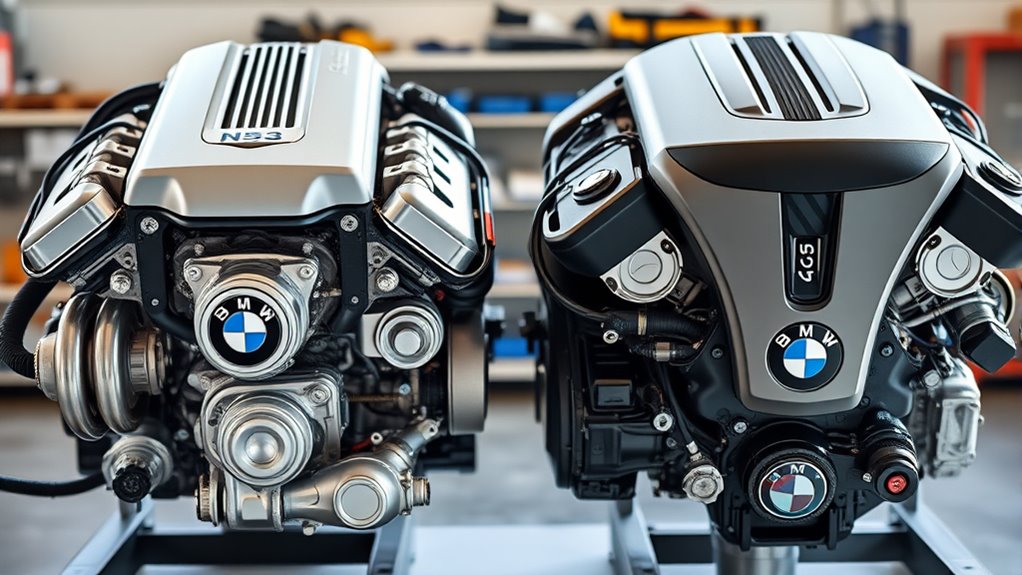
BMW N53 vs N52: A Detailed Comparison of Performance, Technologies, and Driving Experience
Are you often torn between choosing performance and daily comfort in your BMW? You’re not alone—many enthusiasts struggle with finding the perfect engine that balances power, efficiency, and driving feel.
When it comes to the BMW N52 versus N53, understanding their differences can make all the difference in selecting the right engine for your lifestyle.
The BMW N52 offers a smooth, engaging performance with reliable, traditional port fuel injection and a naturally aspirated engine. It’s perfect for enthusiasts who enjoy a lively driving experience.
The N53, on the other hand, features advanced direct injection, variable valve timing, and a lighter magnesium alloy head. These improvements boost fuel efficiency, responsiveness, and quieter operation—making it ideal for daily drivers.
To uncover which engine suits your style best and learn more about their unique features, keep exploring.
Key Takeaways
- N52 features a magnesium alloy cylinder head and port fuel injection, offering reliable, smooth performance. N53 uses advanced direct injection for better efficiency and torque.
- N53’s variable valve timing provides more precise adjustments, resulting in smoother acceleration and improved fuel economy over the N52.
- N52 delivers a more engaging, lively driving experience with a deeper engine sound, while N53 emphasizes quiet operation and daily drivability.
- N52 generally has higher reliability and resale value due to proven technology. N53’s newer systems may require more maintenance over time.
- N53 offers sharper throttle response and better emissions control, making it more suitable for performance-focused driving compared to N52.
Design and Construction of BMW N52 vs N53 Engines
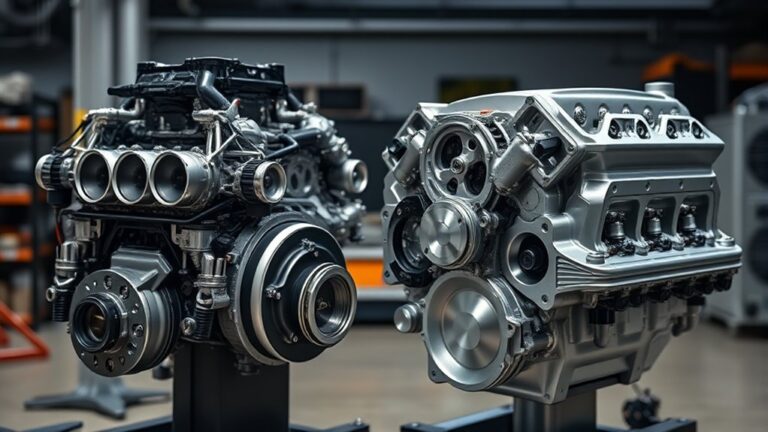
While the BMW N52 and N53 engines share many similarities, there are notable differences in their design and construction. The N52 features an aluminum engine block with a magnesium alloy cylinder head, emphasizing lightweight materials for better performance. Its design evolution focused on maximizing efficiency and reducing weight, which improved handling and fuel economy.
In contrast, the N53 also uses an aluminum block but incorporates advanced engine materials to support its more refined fuel injection system. The N53’s construction emphasizes improved durability and noise reduction, reflecting ongoing innovations.
You’ll notice that the N53’s engine materials include high-strength alloys that better withstand stress, contributing to longer engine life. Overall, both engines showcase BMW’s commitment to balancing lightweight design with durability, but the N53’s construction integrates more advanced materials and design tweaks aimed at enhancing reliability and refinement.
This evolution in design underscores BMW’s focus on continuous technological improvement.
Technological Features That Set the N52 and N53 Apart
You’ll see that the N52 and N53 have some different tech features, especially when it comes to how they handle fuel. The N53 uses direct fuel injection, which helps it respond better when you hit the throttle. On the other hand, the N52 sticks with the more traditional port injection.
Their variable valve timing and engine management systems are also different, which means each engine is tuned to optimize power and fuel efficiency in its own way. It’s pretty interesting how these tech differences can impact the overall driving experience!
Fuel Injection Technologies
The key difference in fuel injection technology between the BMW N52 and N53 is in how they inject fuel, which really impacts how they perform and their efficiency.
The N52 uses traditional port fuel injection, where fuel is injected into the intake ports. This method offers reliable performance and good fuel economy.
In contrast, the N53 uses direct fuel injection, injecting fuel directly into the combustion chamber. This improves fuel atomization, leading to better efficiency and more power.
With direct injection, the N53 can control fuel more precisely. This reduces emissions and boosts torque at lower RPMs. Overall, the N53’s technology provides better fuel economy and performance compared to the N52’s conventional system.
Variable Valve Timing
A key difference in the technological features of the BMW N52 and N53 lies in their variable valve timing systems, which greatly influence engine performance and efficiency. The N53 uses a more advanced system that allows for precise timing adjustments, optimizing valve lift and improving performance tuning.
This results in better engine responsiveness, especially at different RPM ranges. The N52’s system, while effective, offers less flexibility, leading to slightly less dynamic control over valve timing.
With the N53, you’ll notice smoother acceleration and more efficient fuel consumption thanks to its ability to adapt valve timing dynamically. These improvements make the N53 more responsive and refined, providing a more engaging driving experience driven by smarter valve lift and timing adjustments.
Engine Management Systems
While variable valve timing improves engine responsiveness, the engine management systems in the BMW N52 and N53 greatly influence performance and efficiency. The N52 uses a traditional Bosch Motronic system, focusing on precise fuel injection and ignition control.
The N53, however, features a more advanced direct injection system with sophisticated software that boosts power and reduces emissions. These systems enable better engine diagnostics, allowing technicians to identify issues quickly.
Regular software updates enhance performance, fuel economy, and emissions compliance. The N52 receives periodic updates through the dealer, while the N53 can often get over-the-air updates.
Engine diagnostics in the N52 are basic, relying on manual checks. The N53 offers advanced, real-time monitoring, making troubleshooting faster and easier.
The N52 uses port fuel injection, whereas the N53 features direct injection. This results in better efficiency and more power for both engines.
BMW N52 vs N53 Performance: Power, Torque, and Driving Feel
Although both the N52 and N53 engines deliver smooth and responsive performance, you’ll notice key differences in power, torque, and driving feel. The N52 produces a deeper, more robust engine sound that really energizes your drive.
Both N52 and N53 engines offer smooth performance, but the N52’s deeper sound energizes your drive more.
Its throttle response feels immediate, giving you a sense of control and confidence, especially when accelerating or overtaking. The N53, on the other hand, offers a quieter engine sound, emphasizing refinement over raw power.
Its throttle response is slightly more subdued, creating a smoother, more relaxed driving experience. You’ll notice these differences in various ways:
- The N52’s engine sound excites and motivates you
- Faster throttle response sharpens your driving instincts
- The N53’s torque delivery feels more linear and calm
- Power delivery in the N52 feels more aggressive
- The N53 offers a quieter, more refined ride
Both engines excel, but your preferred driving style will help you decide which one feels right.
Fuel Efficiency: Comparing N52 and N53
With regard to fuel efficiency, the N52 generally outperforms the N53, making it a more economical choice for daily driving. The N52’s naturally aspirated engine offers better fuel economy, especially in city driving, thanks to its simpler design and consistent power delivery.
In contrast, the N53 features direct injection technology, which boosts performance but can lead to slightly higher fuel consumption. When comparing emissions, the N53 produces lower NOx emissions thanks to its advanced fuel injection system, making it more environmentally friendly.
However, this improvement in emissions often comes with a trade-off in fuel efficiency. Overall, if saving on fuel costs and maintaining higher fuel economy is your priority, the N52 is the better option.
On the other hand, if reducing emissions is more important to you, the N53 has advantages in that area, even though it may consume a bit more fuel.
Reliability and Maintenance of N52 and N53 Engines
When considering fuel efficiency, the reliability and maintenance needs of the N52 and N53 engines also come into focus. You’ll find that engine longevity varies, with the N52 generally boasting better reliability ratings due to fewer common upgrades and issues.
Maintenance costs can differ; the N53’s direct injection system may lead to higher repair frequency and more complex preventative measures. Owner experiences reveal that parts availability for both engines is good, but the N52 tends to require fewer repairs over its lifespan.
Regular upkeep, such as oil changes and cooling system checks, considerably boosts reliability. Keep in mind, the N53’s advanced technology might increase repair costs, but diligent maintenance can extend engine longevity.
- Feel confident in your car’s dependability
- Avoid costly repairs with preventative measures
- Enjoy longer engine life with proper upkeep
- Benefit from readily available parts
- Experience fewer surprises on the road
Common Issues and Troubleshooting Tips for N52 and N53
Both the N52 and N53 engines have their own common issues that owners should know about to keep their vehicles running smoothly. N52 engines often have problems with oil consumption and coolant leaks, which can cause overheating if not fixed.
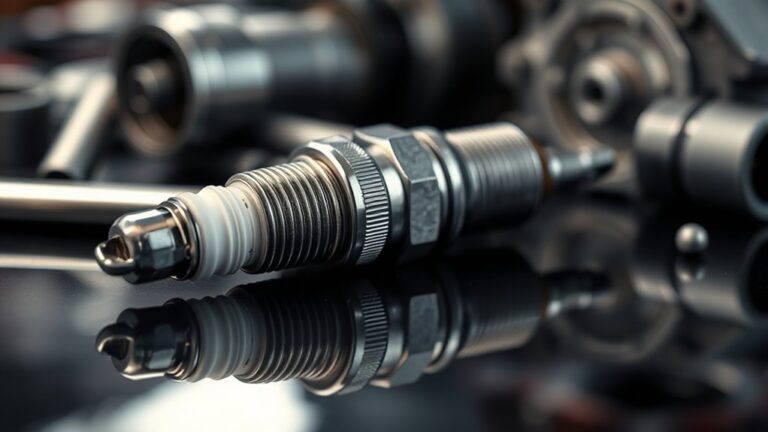
N53 engines are more prone to ignition issues and VANOS problems, which can affect power delivery. To troubleshoot, regularly check N52 spark plugs and sensors, as sensor failures can cause uneven performance.
For N53, keep an eye on the fuel pump and watch for carbon buildup, which can reduce efficiency. Staying on top of these issues helps keep your engine running well.
Which BMW Inline-Six Engine Is Better for Enthusiasts or Daily Drivers?
Choosing between the N52 and N53 engines depends on whether you prioritize spirited driving or reliable daily commuting. If you crave exhilaration and engaging performance, the N52’s smoother power delivery and responsive throttle cater to enthusiast preferences. Its robust VTEC valve control offers a lively driving experience that excites on twisty roads.
Conversely, if daily drivability and fuel efficiency matter most, the N53’s advanced direct injection system provides quieter operation and better fuel economy, making everyday commutes more comfortable.
Consider these factors:
- Enthusiast preferences: Prefer a more engaging, dynamic drive? The N52 delivers.
- Reliability: Need consistent, trouble-free daily performance? The N53’s modern tech shines.
- Fuel efficiency: N53’s direct injection saves you money at the pump.
- Smoothness: N52 offers a refined, natural feel for spirited driving.
- Comfort: N53’s quieter operation improves daily comfort.
Ultimately, your choice hinges on whether your focus is spirited driving or hassle-free daily use.
Resale Value and Market Demand for Vehicles With N52 Vs N53 Engines
Vehicles equipped with the N52 engine generally enjoy higher resale value and stronger market demand because of their reputation for engaging performance and robust build quality. Resale trends show that buyers favor N52-equipped models, especially for their reliability and smooth driving experience.
Market preferences tend to lean toward vehicles with proven longevity and consistent performance, which makes the N52 more attractive in the used car market. Buyers often see N52 engines as more durable, boosting resale prices and increasing demand.
In contrast, the N53’s newer technology and fewer production years mean it’s less established in the resale market. As a result, N52 models tend to hold their value longer and attract more interest from used car shoppers.
If resale value is a priority, vehicles with the N52 engine currently lead the market. They align with buyer preferences for proven, dependable inline-six engines.
Choosing the Right BMW Inline-Six Engine for Your Needs
When you’re trying to decide between the N52 and N53 engines, it’s good to think about how their performance and features match your driving style. The N53 brings some nice upgrades like direct injection, which helps improve fuel efficiency and adds a bit more power. On the other hand, the N52 offers a more traditional, smooth driving experience that many people find very reliable and enjoyable.
Performance Differences and Benefits
The performance differences between the BMW N53 and N52 engines can really impact your driving experience, depending on what you’re after. The N52 delivers smooth, responsive power, making daily driving confident and seamless. On the other hand, the N53’s direct injection offers sharper throttle response and better fuel efficiency.
If you’re into tuning and want more performance potential, the N53 might be the way to go. It also provides more precise, agile handling and quicker acceleration. Plus, you’ll enjoy fuel savings and a more dynamic driving experience overall.
Technological Advancements Overview
Choosing the right BMW inline-six engine for your needs means understanding what sets each one apart through technological advancements.
The N53 features innovative tech like direct fuel injection and variable valve timing, which boost efficiency and power. The N52, a bit older, focused on smoothness and reliable performance with its magnesium-aluminum construction and variable valve timing.
Both engines highlight key innovations aimed at optimizing performance metrics like horsepower, torque, and fuel economy. The N53’s direct injection improves combustion efficiency, while the N52 emphasizes durability and refinement.
Knowing these technological differences helps you pick an engine that matches your driving priorities—whether you want cutting-edge efficiency or proven reliability. This way, you can make an informed choice based on the advancements that matter most to you.
Driving Experience Considerations
Your driving experience with either engine depends on what you prioritize. The N52 offers a smooth, refined ride with dependable performance.
The N53 provides a more dynamic feel with sharper throttle response and increased power thanks to its advanced fuel injection technology.
The N52 emphasizes comfort and handling precision, giving you a serene ride that’s easy on long drives.
In contrast, the N53 boosts engine responsiveness, making driving more engaging with lively acceleration and crisp gear shifts.
The sound of the N53 adds to the sporty feel, giving you a more spirited driving experience.
Road feedback is more noticeable with the N53, which helps you feel more connected to the vehicle.
Think about whether you prefer a relaxed, comfort-focused drive or an exhilarating, responsive experience when choosing your engine.
Final Verdict: N52 or N53 – Which Engine Should You Pick?
Deciding between the BMW N52 and N53 engines really depends on what you prioritize and how you drive. If you value proven engine longevity, reliable performance, and lower maintenance costs, the N52 is a solid choice.
The N52 offers smooth driving comfort and is easier to tune for upgrades, which makes it appealing for enthusiasts. On the other hand, the N53’s more complex direct injection system can lead to higher maintenance costs and potential carbon buildup issues.
The N52 is easier to tune and offers smoother driving, while the N53’s advanced system may increase maintenance needs and carbon buildup.
Many users mention that the N52 provides a simpler ownership experience with fewer long-term reliability concerns. If you’re into cutting-edge technology and don’t mind handling potentially increased upkeep, the N53 might be better suited for you.
Ultimately, your choice should depend on how you plan to use your car—whether for daily commuting or spirited driving—and how much you’re willing to invest in maintenance and tuning to enjoy your driving experience.
Frequently Asked Questions
How Do N52 and N53 Engines Compare in Terms of Emissions Standards?
You’ll find that the N53 engine generally meets stricter emissions regulations than the N52. Thanks to its direct fuel injection, the N53 produces fewer pollutants and reduces environmental impact.
The N52 relies on a different fuel system, which results in slightly higher emissions. If minimizing environmental impact and keeping up with evolving emissions standards are priorities for you, the N53 offers a more eco-friendly option.
What Are the Key Differences in Engine Tuning Between N52 and N53?
Think of the N52 as a calm, steady river, while the N53 is a swift current. That’s how their engine tuning differs. The N52 features naturally aspirated engine characteristics with a focus on smoothness. In contrast, the N53 employs direct injection, which boosts both power and efficiency.
Tuning methods for the N53 aim to optimize fuel delivery and reduce emissions. It’s more performance-oriented compared to the traditional, refined tuning of the N52.
Are There Any Aftermarket Modifications Recommended for N52 or N53?
You can improve your N52 or N53 by focusing on intake upgrades and exhaust modifications. Upgrading the intake system boosts airflow, which in turn increases power and improves throttle response.
Similarly, aftermarket exhausts help reduce backpressure, leading to more horsepower and a sportier sound. These are popular choices for enthusiasts wanting more performance without doing major engine work.
Just make sure any modifications are compatible with your specific engine model. And for the best results, it’s a good idea to have them installed professionally.
How Do N52 and N53 Engines Perform in Cold Weather Conditions?
In cold weather, your N52 engine usually starts reliably thanks to its traditional fuel injection system. The N53, with its direct injection, might have a bit more trouble during cold starts, but it’s usually not a big deal if your battery and fuel system are in good shape.
Both engines are generally dependable. To keep them running smoothly in cold weather, regular checks and proper maintenance are key. That way, you can count on reliable performance even when it’s chilly outside.
What Is the Typical Lifespan of N52 Versus N53 Engines?
Think of your engine like a trusted marathon runner; with proper care, it can go the distance. The N52 generally lasts around 150,000 to 200,000 miles, known for its reliability and lower maintenance costs.
The N53, with its direct injection technology, might face slightly higher wear and tear. It typically lasts about 130,000 to 180,000 miles.
Regular maintenance is key. Both engines can serve you well for many years if taken care of properly.
Conclusion
Ultimately, choosing between the N52 and N53 depends on your driving style and priorities. Do you value raw performance and a traditional feel, or are you looking for modern tech and better fuel efficiency?
Both engines have their strengths, so think about what matters most to you. Whether it’s the simplicity of the N52 or the advanced features of the N53, your choice should match your lifestyle.
Whichever you pick, you’re getting a reliable, iconic BMW inline-six. After all, isn’t the joy of driving about finding the perfect match for you?
When considering the BMW N52 vs N53, it all comes down to what you really want from your engine.