7 Clear Signs of Low Coolant in Your Car’s AC A Comprehensive Guide
Many car owners struggle with their AC not cooling properly, especially during hot days. If you’re experiencing warm air or strange smells, low coolant might be the cause. Don’t worry—you’re not alone in facing these issues. Recognizing the signs early can save you from costly repairs later.
If your car’s AC isn’t cooling well, low coolant could be the culprit. You might notice puddles under your vehicle, odd smells, or warm air from the vents.
Frost on AC parts or inconsistent airflow also hint at coolant issues. Leaking coolant or engine overheating can worsen the problem. Staying alert to these signs helps prevent costly repairs.
If you want to know more about spotting and fixing these signs, keep exploring this guide.
Key Takeaways
- Decreased cooling effectiveness and warmer air from the vents mean your coolant might be low.
- If you notice a sweet or chemical smell from the AC, it could be a sign of refrigerant or coolant leaks.
- Frost or ice buildup on AC parts suggests there’s not enough coolant to absorb the heat properly.
- Puddles of coolant or fluid under your vehicle are often a clear sign of leaks.
- When your AC performance is unresponsive or inconsistent, it’s usually due to inadequate coolant circulation.
What Is Coolant and Why Does It Matter for Your Car’s AC?
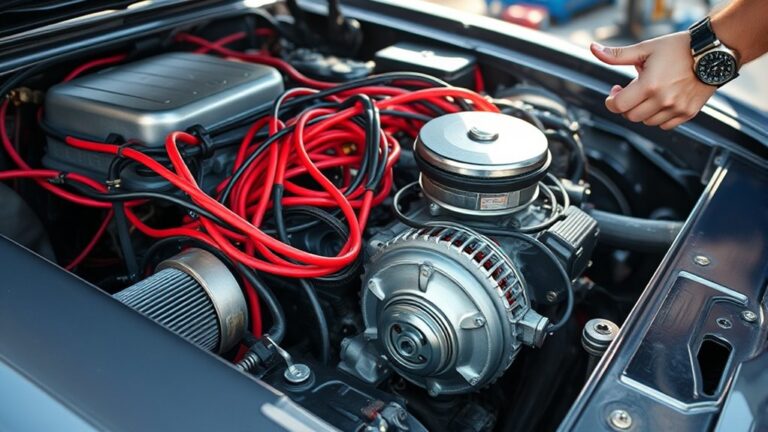
Coolant is an essential fluid that helps regulate your car’s temperature, preventing the engine from overheating and making sure your AC system runs smoothly.
There are different types, like glycol-based and water-based mixes, each made for specific vehicles. Picking the right one and keeping it in good shape is really important for top performance.
Maintaining your coolant means checking levels regularly, changing it when needed, and making sure the mixture is just right. Proper coolant transfers heat away from the engine and stops components from freezing or boiling over.
If your coolant gets low or breaks down, your engine can run hotter, which can make your AC less effective at cooling the cabin. Keeping up with coolant care not only helps your engine last longer but also keeps your AC system working properly.
Knowing about coolant types and maintaining proper levels is a simple way to keep your vehicle healthy overall.
How Can Low Coolant Levels Reduce Your Car’s Cooling Power?
When your coolant levels are low, your car’s AC can’t do its job properly because it struggles to absorb heat efficiently. That means the inside of your car doesn’t stay as cool as it should.
Plus, the compressor has to work extra hard to try and keep things cool, which isn’t good for it. Over time, this extra workload can cause the system to overheat and become less effective, leaving you feeling less comfortable on those hot days.
Reduced Heat Absorption Efficiency
A vital part of your car’s cooling system, coolant absorbs heat from the engine and helps dissipate it through the radiator. When coolant levels are low, heat transfer becomes less effective, which reduces your car’s cooling efficiency.
This means the system can’t absorb and carry away heat as well, leading to higher engine temperatures and decreased AC performance. Low coolant makes it harder to maintain the right temperature and causes the AC to struggle cooling the cabin.
Key factors affected include decreased heat transfer rate, reduced responsiveness of the cooling system, increased risk of engine overheating, inefficient heat dissipation, and overall cooling performance suffering.
Keeping the coolant at proper levels is essential to ensure your AC system works at its best, providing consistent comfort and preventing damage to the engine.
Compressor Strain Increases
Low coolant levels can put extra stress on your car’s AC compressor, causing it to work harder than it should. When refrigerant levels drop, the compressor struggles to maintain proper pressure, which reduces overall efficiency.
This increased strain forces the compressor to operate under higher loads, leading to faster wear and even potential failure over time. As it works harder, it consumes more energy and generates more heat, which can impair cooling performance.
You might notice your AC isn’t cooling as well or hear unusual noises coming from the compressor area. Low refrigerant levels disrupt the balance needed for peak compressor function, making it work overtime and shortening its lifespan.
Addressing low coolant levels promptly helps keep your compressor efficient and ensures your AC system runs smoothly.
Cooler System Overheats
If your car’s coolant level drops, it can cause the cooling system to overheat, which affects your vehicle’s ability to stay at the right temperature. Low coolant levels make it harder for heat to transfer, so your engine and AC components work harder, leading to overheating.
This reduces your car’s cooling power, especially if you’re using the wrong coolant types or neglecting maintenance tips. To avoid this, make sure to check coolant levels regularly and use the right coolant for your vehicle.
Keep an eye on proper coolant mixture ratios, schedule regular radiator flushes, and inspect hoses for leaks. Replacing worn-out coolant and avoiding mixing incompatible types also help.
Taking care of these things helps keep your cooling system working well and prevents overheating.
Signs Your Coolant Might Be Leaking and Affecting Your AC
If you see fluid pooling under your car, that’s often a sign of a coolant leak. It’s one of those things that can easily go unnoticed until it becomes a bigger problem.
You might also notice an unusual smell coming from your AC—kind of sweet or chemical-like—which could mean the coolant is leaking and affecting your ventilation system. Plus, if your AC suddenly isn’t cooling as well as it used to, it’s worth checking out.
Getting these issues looked at sooner rather than later can save you from more costly repairs down the road. So, if you spot any of these signs, it’s a good idea to have your system checked out by a professional.
Visible Fluid Leaks Under Vehicle
A noticeable fluid leak beneath your vehicle is a clear sign that your coolant might be escaping. Coolant leaks often indicate issues with fluid types or a failure in leak detection. If you see a puddle under your car, examine its color and texture to identify if it’s coolant, which is typically green, orange, or pink and has a sweet smell.
Puddle size and location can reveal how serious the leak is. Look for drips near the radiator, hoses, or water pump. Check for wet spots on engine components as well.
Be alert to a persistent coolant smell, which can also signal a leak. Regularly inspect for puddles after driving or parking to catch problems early. Detecting leaks early helps prevent overheating and AC issues caused by low coolant levels.
Unusual Smell From AC
An unusual smell coming from your car’s AC could mean that coolant is leaking into the system. This might cause strange odors, like a musty or sweet scent, which can indicate refrigerant problems. These smells aren’t normal and could be warning signs of low coolant levels that affect how well your AC works.
| Symptom | Possible Cause |
|---|---|
| Sweet or chemical smell | Refrigerant leak |
| Musty odor | Mold buildup from moisture |
| Burning smell | Overheating components |
| Sharp, pungent scent | AC system contamination |
| No smell but poor airflow | Low coolant or refrigerant issues |
Keep an eye out for these signs. Catching coolant leaks early can help prevent bigger damage later on.
Decreased Cooling Performance
When your car’s air conditioning suddenly doesn’t cool as effectively as it used to, it’s a strong sign that something’s wrong with the system. Decreased cooling performance often points to a coolant leak or low coolant levels.
Over time, having low coolant can make the AC struggle, especially if the coolant types aren’t right or if maintenance tips haven’t been followed. You might notice warm air instead of cold or inconsistent cooling.
Signs include reduced airflow temperature, short cycling of the AC compressor, frost or ice buildup on AC parts, increased engine temperature, or strange noises from the system. Addressing these issues quickly can prevent further damage.
Regular maintenance like checking coolant levels and using the correct coolant types helps keep your AC working at its best. Staying on top of these things ensures you stay cool and comfortable.
Why Is My Airflow Unusual or Warm From the Vents?
Have you noticed that the airflow from your car’s vents feels unusual or warmer than expected? This could be a sign of airflow issues caused by low coolant levels or other system problems.
When coolant isn’t circulating properly, the AC can’t effectively cool the air before it reaches the vents, making the vent temperature higher. You might also notice weaker airflow, which suggests a blockage or a failing blower motor.
Sometimes, the vents may feel warm or lukewarm even when the AC is on full blast. This happens because the system isn’t able to produce cold air, often due to insufficient coolant or a refrigerant leak.
Addressing these airflow problems quickly can prevent further damage to your AC system. If your vent temperature stays warm despite the AC being on, it’s a good idea to have a professional check your system to diagnose and fix the underlying issue.
How to Detect Coolant Leaks Under Your Car?
If you think there’s a coolant leak because your car feels warm or doesn’t cool properly, checking underneath can help confirm it. Look for puddles or stains that show coolant has leaked out.
When inspecting for leaks, focus on areas where coolant commonly escapes. Check the ground beneath the radiator and hoses for bright green, orange, or pink puddles. These colors usually indicate coolant.
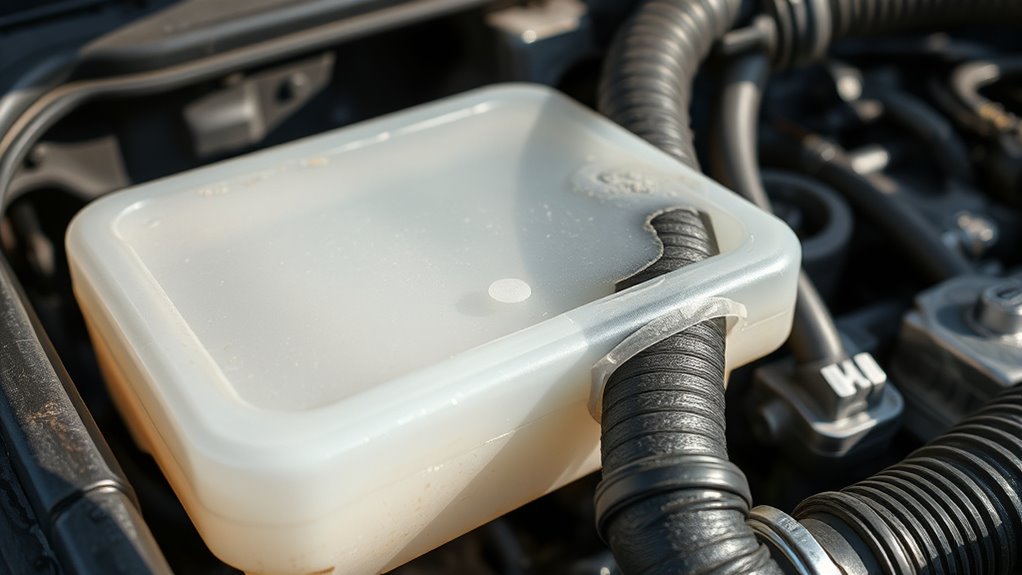
Next, examine the radiator hoses and clamps for cracks, swelling, or loose fittings. Also, inspect the radiator cap and overflow tank for cracks or residue that might suggest a leak.
Look for any oily or slimy residue on engine parts, which can be a sign of a leak. For more precise detection, use UV dye and a blacklight—this makes hidden leaks easier to spot.
Doing these checks early can help you catch coolant leaks before they cause bigger problems. Keeping an eye on leaks also helps your AC system stay cool and work efficiently.
Can Overheating Engine Harm Your AC System?
An overheating engine can directly affect your car’s AC system, making it work poorly or even fail completely. When the engine gets too hot, it puts extra strain on the cooling system, which is closely connected to the AC.
The engine’s cooling system helps keep both the engine and AC components at the right temperature. If it’s damaged or not working properly, your AC might start acting up. Overheating can cause the compressor or other AC parts to run inefficiently, leading to less cooling or even total failure.
A malfunctioning cooling system can cause AC issues and reduce cooling efficiency.
Excessive heat can also harm the AC’s condenser or refrigerant lines, making things worse. You might notice less airflow, strange noises, or the compressor shutting off unexpectedly. Ignoring engine overheating can damage your engine and put your AC system at risk.
To keep both systems working smoothly, it’s important to fix overheating issues quickly and make sure your cooling system is in good shape.
Tips to Prevent Coolant-Related AC Problems and Keep Your Car Cool
Maintaining your vehicle’s cooling system is key to preventing coolant-related AC problems and staying comfortable during hot days. To do this, prioritize preventive maintenance and schedule regular inspections. These steps help catch issues early before they turn into discomfort or costly repairs.
Here are some tips to keep your cooling system in top shape:
Check coolant levels regularly and top off as needed.
Inspect hoses and connections for leaks or cracks.
Flush and replace coolant according to your vehicle manufacturer’s recommendations.
Make sure the radiator and condenser are clean and free of debris.
Have a professional perform a thorough cooling system assessment annually.
Frequently Asked Questions
Can Low Coolant Levels Cause Strange Noises From the AC System?
Yes, low coolant levels can cause strange noises from your AC system. When coolant leaks happen, the system struggles to keep the right pressure, which can result in odd sounds like hissing or banging.
Regular AC maintenance helps catch coolant leaks early, so you can prevent noise issues and keep your AC running smoothly. Keep an eye on coolant levels and fix any leaks quickly to avoid these strange noises and potential damage.
How Often Should I Check My Car’s Coolant Levels for AC Performance?
Think of your car’s coolant like its lifeblood—without it, your AC performance suffers. You should check your coolant levels at least once a month during regular coolant maintenance.
This habit helps prevent low coolant issues that can cause poor AC cooling or even system damage. Regular inspections keep your AC running smoothly, so you stay cool and comfortable no matter how hot the road gets.
Does Coolant Type Affect the Longevity of My Car’s AC System?
Yes, coolant types really impact your car’s AC system longevity. Using the right coolant helps ensure proper maintenance, preventing corrosion and overheating that can damage parts.
Different coolant types, like glycol-based or organic acid technology, have varying lifespans and compatibility. Sticking to your manufacturer’s recommended coolant helps keep everything running smoothly.
This not only maintains peak performance but also reduces wear on the system. In the end, it can extend your AC system’s life and save you money on costly repairs later on.
Are There Specific Signs of Coolant Contamination Affecting the AC?
Yes, coolant contamination can cause noticeable signs in your AC system. You might see coolant leaks, like puddles or stains under your vehicle, or notice performance issues like reduced cooling and strange odors.
Contaminated coolant can also clog or cause corrosion inside your AC components. If you spot these signs, it’s important to get your system inspected and flushed to prevent more damage and keep it running at its best.
Can a Clogged Radiator Impact Both Engine Cooling and AC Efficiency?
A clogged radiator is like a blocked artery, hindering blood flow. It impacts both engine cooling and AC efficiency.
When your radiator isn’t working properly, your cooling system struggles to keep the engine temperature down. Regular radiator maintenance helps coolant flow freely, preventing overheating.
This also makes sure your AC runs smoothly because a well-functioning cooling system supports the AC’s performance. Neglecting clogs can cause your engine and AC to underperform.
Conclusion
Don’t let a hidden coolant issue catch you off guard this summer. Keep an eye on your AC’s performance and check for leaks or unusual warmth from your vents regularly.
Ignoring these signs could lead to costly repairs or even engine overheating. Stay proactive, stay cool, and remember—sometimes, the smallest leak can cause the biggest headaches.
Are you ready to uncover what’s really going on under your hood? The next step might save your comfort and your car, especially if low coolant is the culprit.