How Long Is a Safety First Car Seat Good For? Expiration Guide
Finding the right safety seat for your child can be overwhelming, especially with so many options and safety guidelines out there. Many parents worry about whether their car seats are still safe to use as time goes on. You’re not alone—keeping your child’s car seat in top condition is a common concern.
A Safety First car seat is generally safe to use for 6 to 10 years from the manufacturing date, depending on usage, storage, and material condition.
Over time, plastics and foam can degrade, reducing the seat’s safety and impact absorption.
Regularly check for signs of wear, cracks, or fading, and follow the manufacturer’s expiration date.
Staying informed helps guarantee your child’s safety—keep going to learn how to tell if your seat is still good.
Key Takeaways
- Safety First car seats usually last between 6 to 10 years from the date they were made.
- Be sure to check the label for the exact expiration date set by the manufacturer.
- Things like how often you use the seat, where you store it, and exposure to elements can shorten how long it stays safe.
- Regularly look over the seat for cracks, fading, or any damage to see if it’s still good beyond its expiration date.
- If you’re in a moderate or severe crash, replace the car seat right away, no matter how old it is.
How Do Car Seat Expiration Dates Work?
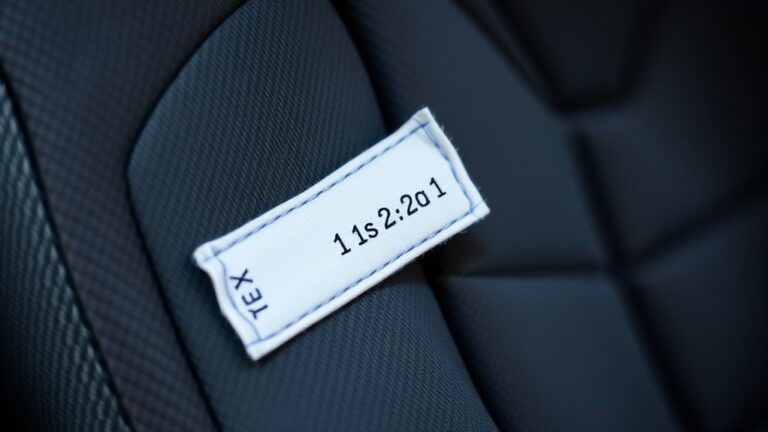
Car seat expiration dates are set by manufacturers to ensure safety and reliability over time. You can usually find these dates on labels attached to the seat, often on the side or bottom.
The labels tell you the exact date when the seat should no longer be used. Manufacturers base these dates on safety regulations that consider material breakdown, wear and tear, and new safety standards.
Over time, plastics, foam, and other parts can weaken, which reduces the seat’s ability to protect your child. Regulations make sure seats are retired before any safety issues might develop.
It’s really important to always check the expiration label before installing or using a seat, even if it looks fine. Ignoring expiration dates could compromise safety because the seat may no longer meet current safety standards.
Following these guidelines helps keep your child safe during every ride.
Why Is It Important to Know Your Car Seat’s Age?
Knowing how old your car seat is really matters because it helps make sure it still meets the latest safety standards. Over time, the materials can wear out or weaken, which might make the seat less effective if there’s an accident.
Ensures Safety Standards Compliance
Because safety standards change over time, it’s important to make sure your car seat still meets current regulations. Manufacturers update safety rules based on new research and tech advances to give better protection for your child.
Knowing your car seat’s age helps you check if it complies with these latest standards. An expired or outdated seat might not meet current safety requirements, which could put your child at risk.
Regularly look at the manufacturing and expiration dates to see if your seat is still up to code. Staying informed about safety standards ensures you’re providing the safest environment possible for your little one.
Ultimately, verifying compliance helps prevent safety hazards that come with outdated or non-compliant car seats.
Prevents Material Deterioration Risks
Over time, the materials in your child’s car seat can degrade, even if the seat looks fine on the outside. This deterioration can weaken the material’s integrity, reducing its safety lifespan. Knowing your car seat’s age helps you prevent risks associated with material breakdown, like cracks or compromised straps.
Here’s a quick look at common materials and signs of wear:
| Material Type | Signs of Deterioration | Impact on Safety |
|---|---|---|
| Plastic Components | Cracks, brittleness | Structural failure |
| Foam Padding | Hardening, crumbling | Less impact absorption |
| Fabric Covers | Fading, tearing | Less secure fit |
Regular replacement helps you avoid these risks and keeps your child’s seat safe and durable.
Maintains Optimal Protection Level
Understanding your car seat’s age is essential because it directly affects its ability to protect your child in a crash. Over time, safety technologies can become outdated, and materials may weaken, reducing the seat’s effectiveness.
Knowing the expiration date ensures you’re using a seat that meets current safety standards and provides maximum protection. Car seats past their expiration might not follow the latest safety guidelines, which are designed to maximize crash absorption and prevent injuries.
Regularly checking the age helps you follow proper usage guidelines and replace the seat before deterioration compromises safety. Staying informed about your car seat’s age keeps your child’s safety a top priority, ensuring they’re secure with the most reliable and up-to-date protection available.
Where Do I Find the Expiration Date on My Safety First Car Seat?
If you’re wondering where to locate the expiration date on your Safety First car seat, you’ll usually find it molded into the plastic shell or printed on a label attached to the seat.
Check these expiration labels in visible spots, like the bottom or side of the seat. Sometimes, the date is stamped directly into the plastic, making it easy to spot during a quick glance.
If you’re unsure, your car seat manual often includes clear instructions on where to find the expiration date.
Look out for:
- The molded-in date on the plastic shell
- A label attached to the seat frame
- References in your car seat manual
Knowing where to check helps ensure your child’s safety by confirming the seat is still within its usable lifespan. Always verify expiration dates before installing or using your car seat.
Why Do Car Seats Expire or Become Unsafe?
Car seats are designed with safety in mind, but they don’t last forever. Over time, materials like plastic and foam can break down, even if the seat looks fine on the surface.
Advances in car seat tech and updates to safety rules mean newer models give better protection. Older seats might not meet today’s safety standards, so they’re less effective in a crash.
Sunlight, temperature swings, and regular wear can weaken the seat’s structure. Plastic parts may become brittle, and fabric can tear or wear out, reducing how well the seat works.
Safety regulations keep evolving to make child safety better. An expired seat might not have the latest safety features, which can be a problem.
Even if your seat still looks okay, it’s important to check expiration dates. Replacing it on time ensures your child stays as safe as possible.
In the end, car seats are a big investment in your child’s safety. Changing them after their expiration date is the best way to keep your little one protected.
Signs That Your Car Seat Is No Longer Safe to Use
It’s really important to keep an eye on your car seat to make sure it’s still safe for your little one. Take a good look at it regularly—if you notice any cracks or visible damage, that’s a red flag. These kinds of issues can really affect how well the seat protects your child in case of an accident.
Another thing to check is the manufacturing date. Car seats don’t last forever, and most have an expiration date printed on them. If it’s past that date, it’s definitely time to get a new one. Using an expired car seat can be risky because the materials may have degraded over time.
Basically, staying alert to these signs can help you ensure your child is always riding in a safe and secure seat. Don’t ignore those little warning signs—they’re there for a reason!
Visible Damage or Cracks
Visible damage or cracks on a car seat are clear signs that it may no longer be safe for your child. During crack inspection, look closely for any fractures, splits, or missing pieces. Damage assessment is essential—if the structure feels compromised, the seat’s integrity is likely affected.
Cracks in the plastic shell weaken the seat’s ability to protect your child during a crash. Frayed or damaged harness straps reduce restraint effectiveness. Broken or loose adjustment mechanisms can fail when needed most.
If you notice any of these issues, it’s time to replace the seat. Ignoring visible damage puts your child’s safety at risk. Regular damage checks help ensure your car seat is still reliable and secure for every trip.
Expired Manufacturing Date
Manufacturers set a specific expiration date on every car seat, showing the period it’s safe to use. An expired manufacturing date means your car seat may no longer be safe.
Some people think the seat’s lifespan can stretch beyond the expiration, but that’s a common myth. Once the date has passed, materials can weaken, and safety features might degrade.
Always check the label for the manufacturing date and compare it to the recommended expiration period. Using a seat past its expiration increases the risk of failure during a crash.
Don’t rely on assumptions—trust the date to keep your child safe and replace the seat when it’s expired.
How Long Do Safety First Car Seats Usually Last?
Safety First car seats typically last around six to ten years from the date they were made.
This can vary depending on safety guidelines, how often the seat is used, storage conditions, and wear and tear on materials.
Over time, plastics and foam can break down, making the seat less effective at protecting your child.
Plastic and foam deterioration over time reduces the safety and effectiveness of your child’s car seat.
Knowing the lifespan helps you prioritize safety and replace the seat before it becomes unsafe.
Watch for signs like cracks, fading, or broken parts — these mean it’s time to replace the seat.
Always check the condition of the seat regularly and don’t hesitate to replace it if it’s near or past its recommended age.
Keeping safety in mind ensures your child’s protection and gives you peace of mind while traveling.
Remember, a well-maintained seat is key to keeping your little one safe on every trip.
- Protect your child from hidden damage
- Maintain peace of mind during every trip
- Ensure maximum safety with timely replacement
What Factors Affect Your Car Seat’s Lifespan?
Several factors can influence how long your car seat remains safe to use, and understanding these can help you decide when it’s time for a replacement.
Lifespan factors include the overall material quality and how well the seat has held up over time. High-quality materials are more durable and resistant to wear, which can extend its lifespan.
On the other hand, lower-quality materials may degrade faster, especially if exposed to sun, heat, or frequent use. Cracks, fading, or weakening of the plastic and fabric can compromise safety.
Additionally, accidents or impacts can damage the seat’s integrity, even if there’s no visible damage. Proper maintenance, like cleaning and storing the seat correctly, also helps prolong its usability.
Ultimately, understanding these lifespan factors helps you assess whether your car seat is still safe for your child. This way, you can replace it before any safety risks arise.
Are There Risks in Using an Expired Car Seat?
Using an expired car seat isn’t just about breaking a rule—it can actually make it less safe. Over time, the materials inside the seat can weaken or break down, which means it might not absorb impacts as well if there’s a crash.
Plus, things like the harnesses and anchors can become less reliable as the seat ages, even if you don’t see any obvious damage. Ignoring the expiration date could mean unseen issues that put your child at risk in an accident. It’s always best to stick to the manufacturer’s recommended age and replace the seat when it’s expired to keep your little one as safe as possible.
Reduced Impact Absorption
When a car seat expires, its ability to absorb impact during a crash drops significantly. Over time, the impact resistance weakens, putting your child’s safety at risk. The material’s integrity declines, meaning the seat might not perform properly in a collision.
Using an expired seat exposes your child to higher chances of injury during an accident. It also means reduced shock absorption when it’s needed most. Plus, safety features may no longer work as they should.
These issues clearly show that an expired seat can’t reliably protect your little one. Its ability to cushion and absorb crash forces diminishes, leaving safety mechanisms ineffective. Replacing the seat ensures your child’s safety isn’t compromised if an accident happens.
Material Deterioration Risks
As a car seat ages past its expiration date, the materials inside can break down and become unsafe. Over time, exposure to heat, sunlight, and moisture causes material fatigue, weakening plastics and fabrics.
Chemical degradation also occurs, breaking down adhesives and foam, which compromises structural integrity. These processes reduce the seat’s ability to protect your child during a crash.
Even if the seat looks intact, internal components may have become brittle or cracked, increasing the risk of failure in an accident. Using an expired car seat means relying on materials that have deteriorated, which can lead to unexpected breakage or reduced impact absorption.
To keep your child safe, it’s best to replace a seat once it surpasses its expiration date.
Compromised Safety Features
Over time, the safety features in your child’s car seat can become less reliable as materials wear out. An expired seat might not protect your child as well during a crash.
Car seat designs have improved over the years, incorporating advanced safety features. Older seats can become outdated and less effective.
Using an expired seat may lead to reduced impact absorption, which increases the risk of injury. The harnesses can weaken and might not hold in a collision. The foam and plastics can deteriorate and fail to provide proper protection.
These issues show why it’s so important to replace expired car seats to keep your child safe. Relying on outdated safety features can have serious consequences. Stay informed and choose current, certified seats for peace of mind.
How to Properly Dispose of or Recycle Old Car Seats
Disposing of or recycling an old car seat responsibly is important for safety and the environment. Look for local programs that offer car seat recycling or eco-friendly disposal options.
Many communities have designated recycling centers or special collection events where you can drop off old seats. Some manufacturers also have take-back programs to ensure proper recycling.
If these options aren’t available, check with your local waste management services to see if they accept car seats for recycling. Before recycling, remove any straps, padding, and removable parts to make the process easier and ensure materials are recycled properly.
Avoid throwing the seat in the regular trash because many parts are non-biodegradable and can harm the environment. By choosing to recycle or dispose of your car seat responsibly, you help reduce waste and prevent hazardous materials from ending up in landfills.
When Should You Replace Your Safety First Car Seat?
Wondering when it’s time to replace your Safety First car seat? Regular maintenance and following safety guidelines are key to keeping your child safe. But even the best care has its limits.
You should replace your car seat immediately if it’s been involved in a moderate or severe crash, as this can weaken its structure. Also, look out for any cracks, frayed harnesses, or missing parts that can’t be fixed.
Your car seat has an expiration date, usually after 6 to 10 years, depending on the manufacturer’s guidelines. Even if it looks fine, materials can weaken over time, reducing its effectiveness.
Your car seat expires after 6 to 10 years; materials can weaken, reducing safety even if it looks fine.
Pay attention to recalls or safety notices from the manufacturer. Staying alert helps ensure your child’s safety isn’t compromised.
Always follow safety guidelines and replace your car seat when needed. Don’t risk using worn or damaged equipment. Your child’s safety depends on it.
Frequently Asked Questions
Can a Car Seat Be Used After Its Expiration Date?
You shouldn’t use a car seat after its expiration date. Safety guidelines recommend replacing expired seats because materials degrade over time, reducing protection.
Using an expired seat can compromise car seat maintenance and safety during an accident. Always check the label for the expiration date, and follow manufacturer instructions.
Staying current with safety standards guarantees your child remains protected. It’s best to replace the seat when it’s expired.
How Can I Tell if My Car Seat Has Been in a Crash?
You can tell if your car seat has been in a crash by looking for signs like cracks, dents, or damage to the frame, straps, or plastic shell.
Use an inspection checklist to check for frayed or torn fabric, broken harnesses, or missing parts.
If your seat has been in a moderate or severe crash, it’s safest to replace it, even if there’s no visible damage.
Are All Safety First Car Seats Subject to the Same Expiration Period?
Not all Safety First car seats have the same expiration period because it varies by model and safety standards.
Always check the manufacturer’s label for specific expiration dates. Proper maintenance like cleaning and inspecting for damage helps keep it in good shape but doesn’t extend its lifespan beyond safety guidelines.
Regularly reviewing these details ensures your child’s safety and that you’re following current safety recommendations.
Do Replacement Parts Extend the Life of a Car Seat?
Think of replacement parts as crucial stitches mending a torn fabric. Each one helps extend your car seat’s lifespan. They bring benefits like restoring safety features and fixing minor damages, giving your seat a renewed purpose.
While they don’t make an expired seat new again, replacement parts can prolong its usability. This helps ensure your child’s safety for longer. Just remember, once the seat’s overall expiration date passes, replacing the entire seat is the best choice.
What Are the Legal Requirements for Car Seat Expiration in My State?
You need to follow your state laws and car seat regulations, which usually specify expiration dates for safety seats. Many states require replacing a car seat after a certain time, often 6 to 10 years from the date it was made.
Check your vehicle’s manual or your local Department of Motor Vehicles for specific rules in your area. It’s important to follow these regulations to keep your child safe and stay within the law.
Conclusion
Just like a well-worn shoe eventually loses its support, your Safety First car seat has a lifespan. Keeping track of its expiration date is key to ensuring your child’s safety on every trip.
Regularly check for signs of deterioration, and don’t hesitate to replace it when needed. Think of it as planting a new seed—renewing your commitment to safety keeps your child’s journey secure and protected, mile after mile.
Remember, knowing how long a Safety First car seat is good for helps you stay ahead and keep your little one safe.