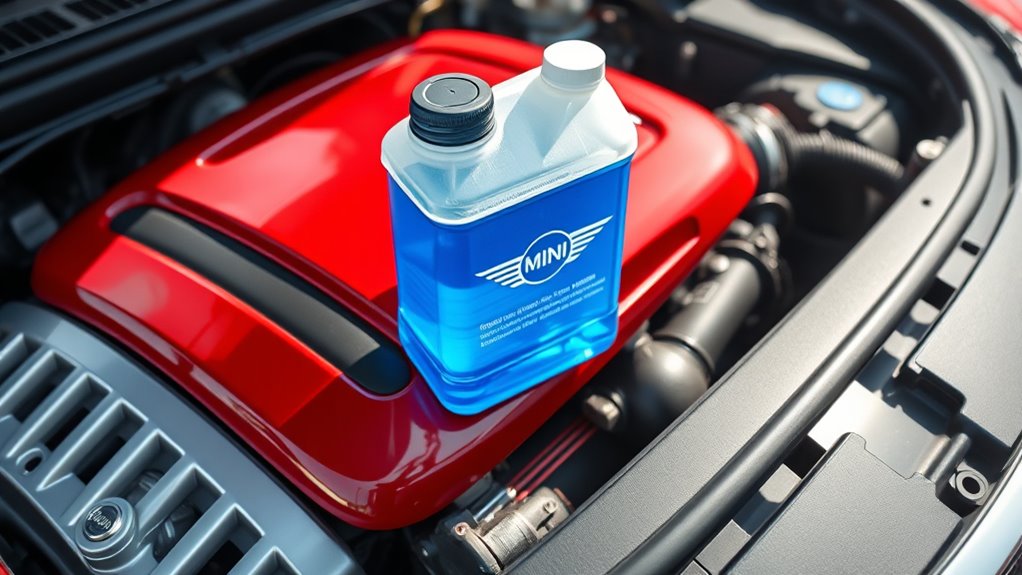
Discover the Best Coolant for Mini Cooper Now
Feeling confident about choosing the right coolant for your Mini Cooper can be tricky, especially with so many options out there. Many owners struggle with finding a product that offers reliable protection without costing a fortune.
You’re not alone—making the right choice is essential for your car’s health and performance.
To uncover the best coolant for your Mini Cooper, choose a high-quality, manufacturer-recommended type like G12, G13, or G11, depending on your model’s specifications.
Look for trusted brands such as Zerex, Prestone, or Genuine Mini Coolant for reliable protection against corrosion and overheating.
Ascertain it suits your climate and lasts long to save on replacements.
Keep an eye on coolant levels and conditions—if issues arise, professional advice can help.
Stay tuned to learn more about keeping your Mini Cooper running smoothly.
Key Takeaways
- Check your Mini Cooper’s manufacturer specifications for compatible coolant types like G11, G12, or G13.
- Prioritize trusted brands such as Genuine Mini Coolant, Prestone, or Zerex G48 for reliable performance.
- Consider long-lasting, extended-life coolants to reduce how often you need replacements and maintenance.
- Make sure the coolant has the right antifreeze concentration and pH levels for the best engine protection.
- Regularly check the coolant color and level, and do system flushes to prevent corrosion and overheating.
Why Your Mini Cooper Needs the Right Coolant
Your Mini Cooper relies on the right coolant to keep its engine running smoothly and prevent overheating. Using the correct coolant types is vital because different formulations offer specific benefits, such as corrosion protection and temperature stability.
When you choose the proper coolant, you help maintain peak engine performance, guaranteeing your vehicle runs efficiently and reliably. Some coolants are designed for colder climates, while others excel at high temperatures; selecting the right one depends on your driving conditions.
If you use an incompatible coolant, it can cause corrosion, scale buildup, and even engine damage. The right coolant also helps regulate engine temperature, preventing overheating during demanding drives.
Regularly checking and maintaining the proper coolant level with the right type guarantees your Mini Cooper’s cooling system functions correctly. Ultimately, choosing the correct coolant type is a simple but essential step in preserving your engine’s health and maximizing its performance.
How to Choose the Best Coolant for Your Mini Cooper
When you’re picking out the best coolant for your Mini Cooper, the first thing to keep in mind is making sure it’s compatible with your car’s specifications. You don’t want to go with just any coolant and risk messing with your engine’s performance. So, always check the manufacturer’s recommendations to be safe.
Next, it’s a good idea to pay attention to the coolant’s temperature resistance. You want something that can handle hot summer days without boiling over and also prevent freezing during winter. Finding the right balance will keep your engine running smoothly no matter the weather.
Lastly, consider options that offer long-term benefits, like reducing the need for frequent replacements or maintenance. Investing in a quality coolant can save you time and money down the road, plus it helps keep your Mini Cooper running efficiently for years to come.
Compatibility With Mini Cooper
Choosing the right coolant for your Mini Cooper means making sure it’s compatible with your specific make and model. Since different coolants have unique formulas, picking one made for Mini Coopers is really important.
Look for coolants with additives that prevent corrosion and help transfer heat better. Always check your owner’s manual or ask a mechanic to confirm the best type for your car.
Keep these points in mind:
- Use coolants made specifically for Mini Coopers or compatible with BMW engines, since many Minis share parts.
- Check whether your vehicle requires G11, G12, or G13 coolant to match the specifications.
- Make sure the coolant has additives to prevent rust and scale buildup, which helps extend your engine’s life.
Using the right coolant ensures your engine runs smoothly and stays protected against damage.
Temperature Resistance Levels
Temperature resistance is key when choosing the best coolant for your Mini Cooper. It tells you how well the fluid can handle extreme heat and cold without losing its effectiveness.
You should consider coolant properties that match your climate and driving conditions. Look for coolants with high temperature resistance to prevent overheating in hot weather and ensure proper flow in cold temperatures.
A coolant’s ability to withstand temperature changes without breaking down or freezing is vital for protecting your engine. The right temperature resistance helps maintain its lubricating and heat transfer abilities, which can help avoid engine damage.
Always check the product specifications for temperature ratings. Make sure they match your climate requirements for peak performance and peace of mind.
Long-Term Maintenance Benefits
Opting for the right coolant can greatly reduce your Mini Cooper’s maintenance costs over time. Choosing a coolant with a longer lifespan means fewer replacements and less frequent maintenance intervals. This helps you avoid unnecessary expenses while keeping your cooling system efficient.
Look for coolants that are compatible with your vehicle and offer corrosion protection. This extends the lifespan of engine components and keeps everything running smoothly.
Regularly checking coolant levels and quality will help you catch issues early before they turn into costly repairs.
A high-quality coolant also prevents overheating and reduces the risk of engine damage, saving you money on repairs.
- Extended coolant lifespan reduces the frequency of replacements
- Longer maintenance intervals lower overall maintenance costs
- Better corrosion protection prolongs engine component life
Key Factors to Consider When Selecting a Coolant
When choosing the right coolant for your Mini Cooper, it’s important to consider several key factors to keep your engine running smoothly and last longer. First, get familiar with different coolant types—like traditional, extended-life, or specialty coolants—and pick one that matches your vehicle’s specs. Always check your owner’s manual for manufacturer recommendations.
Next, think about coolant additives. They can boost protection against corrosion, deposits, and freezing. These additives help keep your cooling system efficient and prevent engine damage over time. Also, pay attention to the coolant’s pH level and antifreeze concentration because improper levels can cause corrosion or overheating.
Be mindful of the coolant’s compatibility with aluminum parts, which are common in Mini Cooper engines. Choosing the right coolant ensures effective heat transfer, prevents corrosion, and helps your cooling system last longer. Making the right choice is key to maintaining your Mini Cooper’s performance and reliability.
Best Coolant Brands for Mini Coopers You Can Trust
Looking for the best coolant brands for your Mini Cooper? You want options that are proven to perform well and meet high standards, right? Choosing a trusted brand can give you peace of mind and keep your car running smoothly. So, let’s take a look at some of the most reliable coolant brands you can rely on for your vehicle.
Top-Rated Coolant Options
Are you searching for the best coolant brands to keep your Mini Cooper running smoothly? Top-rated coolant options are crucial for peak performance, especially since coolant types differ based on their chemical makeup and temperature ratings.
The right coolant can prevent overheating and engine damage, even in extreme conditions. Popular brands like BMW’s Genuine Coolant, Zerex G48, and Prestone Extended Life are reliable choices. They offer a variety of coolant types suited for different temperature ranges.
Make sure to check the label for compatibility with your vehicle and the recommended temperature ratings when choosing a coolant. These trusted brands deliver quality, performance, and peace of mind on every drive.
Proven Performance Standards
Choosing a coolant that meets proven performance standards helps keep your Mini Cooper protected and running smoothly. Look for brands that follow strict performance metrics, which test coolant effectiveness in different conditions.
These standards show that the coolant can handle high temperatures, resist corrosion, and keep proper flow, preventing overheating and engine damage. Reliable coolants usually meet industry certifications like ASTM or SAE, proving they’ve been tested for durability and safety.
Trusted Brand Recommendations
Opting for trusted coolant brands guarantees your Mini Cooper receives reliable protection and peak performance. You want brands known for their reliability and positive customer reviews, ensuring quality and compatibility. Leading options include:
- Genuine Mini Coolant: Specifically formulated for Mini Cooper engines, offering optimal protection.
- Prestone: Renowned for its brand reliability and positive reviews across various vehicle types.
- Zerex: Trusted for high-quality formulations and consistent performance, backed by customer feedback.
Choosing these brands means you’re investing in proven performance and durability. Reliable brands help minimize risks of overheating and corrosion, keeping your Mini Cooper running smoothly. Always consider customer reviews and brand reputation to make an informed decision that boosts your vehicle’s longevity and efficiency.
How to Check Your Mini Cooper’s Coolant Level and Condition
Checking your Mini Cooper’s coolant level and condition is simple and important for your engine’s health. First, make sure the engine is cool to prevent burns and get an accurate reading.
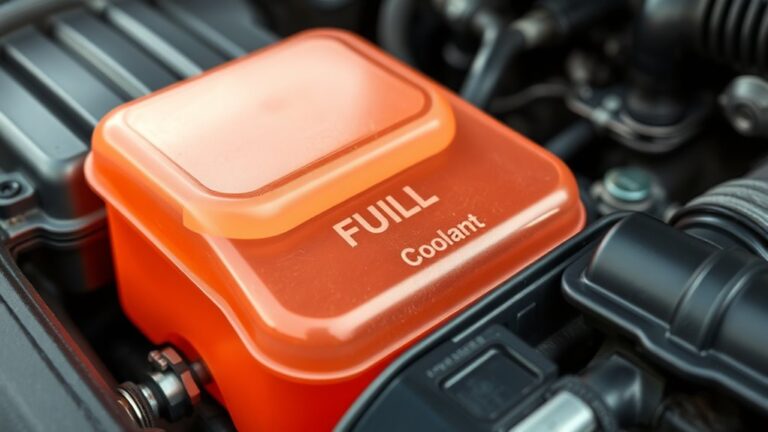
Locate the coolant reservoir, usually a translucent tank marked with “MIN” and “MAX.” Check the coolant level—it should be between these marks. If it’s low, top it up with the correct coolant for your model.
When inspecting the coolant’s condition, look for clarity and bright color. Dull or rusty fluid means contamination or deterioration. Keep in mind that coolant types vary with specific temperature ranges.
Using the wrong type can cause overheating or freezing. Regular checks help ensure your coolant still provides proper protection and keeps your engine running smoothly.
Maintaining proper coolant levels and condition is key for peak engine performance and long-term durability.
A Simple Step-by-Step Guide to Changing Your Coolant
Changing your Mini Cooper’s coolant is pretty simple and helps keep your engine protected and running smoothly. First, make sure the engine is cool before you start.
Next, find the radiator drain plug and coolant reservoir. Drain the old coolant into a container so you can dispose of it properly. After that, flush the system with distilled water to clear out any debris or residue.
Once it’s clean, refill with the right type of coolant for your Mini Cooper, following the recommended maintenance schedule. Check the level and condition regularly after the change to keep everything in check.
Here’s a quick recap:
- Use the correct coolant types specified for your Mini Cooper.
- Check the coolant level and condition regularly after you change it.
- Schedule coolant replacements based on your vehicle’s maintenance schedule.
Common Coolant Problems in Mini Coopers and How to Prevent Them
While coolant problems in Mini Coopers are common, many can be prevented with regular maintenance and careful attention.
Coolant leaks often happen from worn hoses or radiator issues, leading to low fluid levels and overheating. Regularly inspecting your cooling system helps catch leaks early.
Overheating can also be caused by radiator problems or pressure buildup from blocked passages or faulty caps.
Fluid corrosion is another concern, especially if coolant isn’t replaced as scheduled or if seasonal changes aren’t considered.
Corroded coolant reduces effectiveness, risking engine performance. Using proper coolant additives can help prevent corrosion and maintain ideal fluid properties.
Temperature fluctuations throughout the year can strain your system, so adjusting your coolant type and ensuring proper mixture is essential.
Consistent maintenance, timely coolant flushes, and attentive checks of cooling system components help prevent these issues and keep your Mini Cooper running smoothly.
OEM vs. Aftermarket Coolants: Which Is Better for Your Mini?
When you’re trying to decide between OEM and aftermarket coolants for your Mini, it’s important to think about compatibility and the specific formulation. You want something that will protect your engine properly, so checking these details is key.
Price and availability also come into play. OEM coolants usually cost more, but they’re easier to find since they’re designed specifically for your Mini. On the flip side, aftermarket coolants can be cheaper, but their quality can really vary, so you’ll want to do some research before choosing one.
In the end, it’s all about balancing quality and how long the coolant will last. Picking the right option will help keep your Mini running smoothly and prolong the life of your engine.
Compatibility and Formulation
Choosing the right coolant for your Mini Cooper depends on understanding the differences between OEM and aftermarket options. Compatibility and formulation are key because not all coolants are the same.
OEM coolants are made specifically for your vehicle, ensuring they meet the original specifications through thorough testing. In contrast, aftermarket coolants can vary in formulation, so it’s important to check if they match your Mini’s needs.
Look for coolants that are compatible with your Mini’s cooling system, have proper formulations for peak performance, and come with clear labels indicating they’re suitable for your vehicle model.
Always verify the coolant’s specs before switching brands or types. Using incompatible coolants can lead to corrosion or overheating, which can hurt your Mini’s performance and lifespan.
Price and Availability
Deciding between OEM and aftermarket coolants often comes down to cost and availability. OEM coolants tend to be pricier, reflecting their brand assurance and specific formulation, but they’re usually easier to find through authorized dealers.
In contrast, aftermarket coolants generally offer a more attractive cost comparison, often being cheaper while still providing effective cooling. Market trends show that many drivers choose aftermarket options to save money without sacrificing performance, especially when quality is comparable.
However, availability can vary based on your location; OEM coolants might require special orders, whereas aftermarket options are widely stocked at auto parts stores. Ultimately, your choice depends on balancing budget considerations with the ease of access to the coolant you need for your Mini Cooper.
Quality and Longevity
While OEM coolants are designed specifically for Mini Coopers, many aftermarket options match or even surpass the quality of original parts. This makes them a good choice for many owners.
When choosing a coolant, look for ones with high-quality performance additives that prevent corrosion and improve heat transfer. OEM coolants usually last a long time, but premium aftermarket options can offer similar durability if they meet industry standards.
The key is selecting a coolant with proven performance additives that boost longevity and protect your engine. Make sure it’s compatible with your Mini’s cooling system, has a proven track record for performance and durability, and holds certifications matching OEM standards.
Tips to Keep Your Cooling System Running Smoothly
To keep your cooling system running smoothly, regular maintenance is key. Focus on coolant care by checking the coolant level often and topping it off with the right type of coolant. This keeps your system working efficiently and helps prevent overheating.
Make sure to inspect hoses and the radiator for leaks or cracks. Replace any damaged parts right away to avoid bigger problems down the road. Flushing the cooling system every 2-3 years removes debris and old coolant, keeping heat transfer optimal.
Here’s a quick guide:
| Tip | Benefit |
|---|---|
| Check coolant level often | Prevents overheating |
| Use the right coolant | Keeps cooling efficient |
| Flush system regularly | Clears debris and old coolant |
| Inspect hoses and radiator | Prevents leaks and damage |
Staying on top of these simple steps will help keep your Mini Cooper’s cooling system in great shape, saving you time and money over time.
When to Consult a Professional for Coolant Service
Knowing when to seek professional help for your coolant system can save you from costly repairs and breakdowns. If you notice coolant leaks, it’s time to get a professional inspection. Regular service intervals help keep your Mini Cooper running smoothly, but certain signs mean you should see an expert right away.
Consider consulting a pro if you experience persistent coolant leaks that won’t stop or if your engine is overheating despite recent coolant top-offs. Unusual temperature fluctuations or warning lights are also signs you shouldn’t ignore.
Even if your coolant looks fine, don’t overlook signs of leaks or inconsistent cooling. Regular coolant flushes and checks are important, but sudden issues need a professional diagnosis. Addressing problems early can prevent severe engine damage and extend your vehicle’s lifespan.
Frequently Asked Questions
Can Using the Wrong Coolant Damage My Mini Cooper’s Engine?
Using the wrong coolant can definitely damage your Mini Cooper’s engine. If the coolant isn’t the right type, it might not do a good job of preventing overheating, which can lead to engine problems.
Incompatible coolants can also cause corrosion, clogging, or leaks. These issues can harm your cooling system and lead to costly repairs.
Always choose a coolant made specifically for Mini Coopers. This helps keep your engine running smoothly and avoids damage caused by using the wrong coolant.
How Often Should I Replace My Mini Cooper’s Coolant?
Think of coolant maintenance as tending to a delicate garden. You should replace it every 30,000 to 50,000 miles, depending on your Mini Cooper’s model and coolant types. Regularly checking coolant levels and quality helps your engine run smoothly.
Using the right coolant and sticking to the schedule prevents corrosion and overheating. This keeps your car healthy and reliable. Don’t wait too long—timely coolant changes preserve your Mini’s performance and longevity.
Is It Safe to Mix Different Coolant Brands?
Mixing different coolant brands isn’t usually safe because of compatibility issues. Different brands can have formulations that react badly with each other, leading to gelling or corrosion inside your radiator.
Always check the coolant label for compatibility and stick to the same brand or type recommended by your Mini Cooper’s manufacturer. If you really need to mix, make sure to thoroughly flush the system first.
This helps prevent any problems and keeps your cooling system working at its best.
What Are Signs of Coolant Leaks in a Mini Cooper?
Like a silent thief in the night, coolant leaks can go unnoticed, but they’re a threat to your Mini Cooper’s engine performance. Watch for puddles under your car, a sweet smell, or overheating warnings.
Coolant maintenance is essential; if you see colored fluid dripping or your temperature gauge rising, address it promptly. Catching leaks early helps keep your engine healthy and your ride running smoothly.
Does Climate Affect the Type of Coolant I Should Use?
Yes, climate affects the coolant types you should use. In colder climate zones, you need a coolant with a lower freezing point to prevent engine damage during winter.
Conversely, in hot climate zones, opt for a coolant with a higher boiling point to keep your Mini Cooper cool during summer.
Choose the right coolant type based on your climate zone to ensure peak engine performance and protection year-round.
Conclusion
Just like a trusted navigator keeps you on course, choosing the right coolant keeps your Mini Cooper running smoothly. Imagine your cooling system as a delicate dance—using the wrong coolant is like trying to dance with mismatched shoes. Regular checks and the right product prevent breakdowns and costly repairs.
With the right coolant, you’ll enjoy a hassle-free ride, knowing your Mini is protected. Choosing the best coolant for Mini Cooper is like having a reliable friend supporting you through every twist and turn on the road.