Understanding How Engine Pistons Work: A Comprehensive Guide
Are you tired of your car’s engine feeling sluggish or not running as smoothly as it used to? Many car owners struggle with understanding what’s happening under the hood. Knowing how engine pistons work can help you get better performance and extend your engine’s life.
Engine pistons turn the explosive force from the combustion chamber into linear motion that powers your car. As controlled explosions occur, the force pushes the piston down, rotating the crankshaft.
Key parts like piston rings seal gases and control oil, while the piston crown and skirt guide movement. Materials like aluminum guarantee strength and lightness.
Understanding piston design and maintenance can help boost engine performance and longevity. Keep exploring to find out how these tiny parts make a big difference.
Key Takeaways
- Engine pistons turn controlled explosions into linear motion to produce power and spin the crankshaft.
- The main parts of a piston include the crown, rings, and skirt. Each one plays a vital role in sealing, guiding, and transferring force.
- Higher compression ratios boost efficiency, but they also mean the piston needs to be made from durable materials to prevent knocking and damage.
- Pistons are typically made from aluminum alloys or forged steel, using methods like casting, forging, and advanced manufacturing techniques.
- Regular maintenance and inspections help catch issues like piston wear, oil leaks, and knocking before they become serious problems.
How Do Engine Pistons Generate Power in Your Car?
Engine pistons are essential parts of your car that generate power through controlled explosions. When fuel combusts inside the cylinder, it creates a force that pushes the piston downward.
This movement is how chemical energy turns into mechanical energy. The piston’s design is crucial because it must handle intense pressure and high temperatures.
Its shape, size, and materials are carefully chosen to ensure efficient movement and durability. As the piston moves up and down, it transfers power to the crankshaft via connecting rods.
This process converts linear motion into rotational force, powering your car. Proper piston design helps minimize energy loss and keeps the engine running smoothly.
This cycle repeats thousands of times per minute, producing the power needed to turn your wheels and keep the engine running efficiently.
What Are the Main Parts of an Engine Piston?
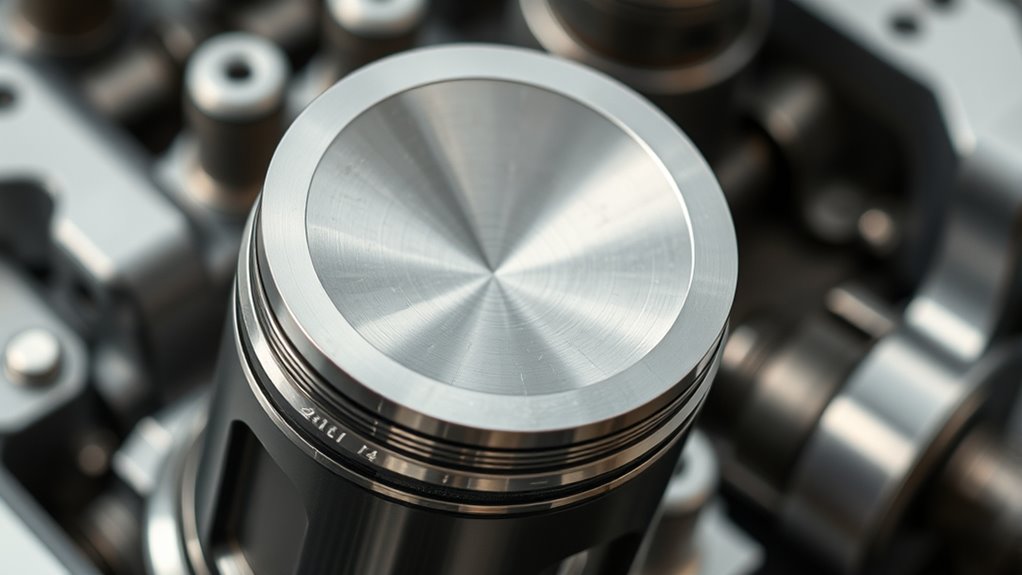
The main parts of an engine piston work together to handle extreme conditions and turn combustion into motion. Your piston has several key components that make sure it works properly.
| Part | Description | Function |
|---|---|---|
| Crown | The top surface of the piston, exposed to combustion. | Handles high pressure and transfers force. |
| Piston Rings | Circular rings fitted into grooves on the piston. | Seal combustion gases and control oil. |
| Skirt | The cylindrical side below the rings. | Guides piston movement and reduces wear. |
Each part plays a vital role in making sure the piston works smoothly. The design needs to be strong yet lightweight to maximize power transfer and fuel efficiency.
How Pistons Move Inside the Cylinder During Combustion
Sure! Here’s a more conversational version of the text:
—
When combustion happens, it basically pushes the piston down with a lot of force. That’s what turns the energy from the fuel into motion. It’s pretty cool because this movement doesn’t just stop there. It also kicks off the intake cycle, which is when fresh air is drawn into the cylinder, and the exhaust cycle, where the gases from combustion are pushed out.
Getting how these pistons move inside the cylinder really helps you understand how the engine keeps running smoothly. It’s like a well-coordinated dance that keeps everything working together!
Combustion Forces Pistons Down
As the fuel-air mixture ignites, a rapid expansion of gases creates a powerful force that pushes the piston downward with great energy. This moment is crucial in the engine’s combustion process, where the explosion turns chemical energy into mechanical motion.
The force from the expanding gases drives the piston down, translating combustion energy into linear movement. The piston speeds up inside the cylinder bore, transferring force through the connecting rod to the crankshaft.
This downward force is essential for generating torque and powering the engine. Controlled combustion keeps the piston moving smoothly, helping to maximize efficiency.
The force exerted during combustion ultimately turns the crankshaft, propelling your vehicle forward. Proper timing and control of combustion are key for peak piston movement and engine performance.
Exhaust and Intake Cycles
During the intake and exhaust cycles, your pistons move up and down inside the cylinder in a carefully timed sequence. This allows fresh air-fuel mixture to enter and exhaust gases to exit smoothly.
During intake, the piston moves down as the intake valve opens, drawing in the mixture through proper intake timing. Once the mixture is inside, the intake valve closes, and the piston moves up to compress the fuel-air mixture.
After combustion, the piston moves up again, pushing exhaust gases out as the exhaust valve opens. This ensures exhaust flow is efficient and prevents backflow.
The precise timing of valve opening and closing controls these cycles, optimizing airflow and engine performance. This coordinated piston movement is essential for smooth operation and power delivery within the engine.
The Role of Piston Rings in Compression and Oil Control
Piston rings play a crucial role in sealing the combustion chamber, making sure that the pressure from the combustion process builds up effectively. This helps your engine run smoothly and efficiently.
They also do a great job of controlling engine oil. Basically, they prevent too much oil from slipping into the combustion area, which can cause problems. Without piston rings, your engine would lose power and burn through oil much faster, leading to more maintenance and potential damage.
Sealing Combustion Chamber
The piston rings play an essential role in sealing the combustion chamber, making sure the pressure from the combustion process stays inside the cylinder. This sealing boosts efficiency by preventing gases from escaping and keeping the pressure just right.
Proper piston alignment is really important. If it’s off, it can cause uneven wear and reduce how well the sealing works. To get it right, focus on:
- Making sure the piston rings fit snugly without big gaps
- Regularly checking for ring wear and replacing them when needed
- Ensuring precise piston alignment during assembly
- Using high-quality rings designed for your engine type
Following these steps helps improve compression, boost power output, and keep the combustion process running smoothly. Proper sealing also reduces blow-by gases, which helps the engine last longer and perform better.
Controlling Engine Oil
In addition to sealing the combustion chamber, piston rings also play a key role in controlling engine oil. They regulate oil viscosity and ensure proper lubrication, preventing excessive oil use and leaks.
By scraping off extra oil from the cylinder walls, piston rings help maintain the right oil pressure and keep the engine cleaner. They also assist in managing oil temperature, reducing heat-related oil breakdown.
Good piston ring design lets oil additives work effectively while avoiding issues with oil filtration. Proper rings prevent over-application of oil, which can lead to fouling and lower efficiency.
How the Compression Ratio Affects Your Engine’s Performance
Understanding how the compression ratio influences your engine’s performance is key to appreciating its power and efficiency. A higher compression ratio boosts the benefits of compression, making your engine more powerful and fuel-efficient. But it also comes with trade-offs, like the risk of knocking or pre-ignition.
Here’s how it works:
- Increased power: Higher ratios compress the air-fuel mixture more, creating more force during combustion.
- Better fuel efficiency: Your engine gets more energy from each cycle.
- Potential knocking: Too high a ratio can cause knocking, which can damage engine parts.
- Engine design constraints: Higher ratios often need stronger pistons and cylinders, which can increase costs and complexity.
Balancing these factors helps you get the most performance benefits while keeping risks in check. Understanding these trade-offs lets you pick engines with the right compression ratio for your needs, maximizing power without sacrificing durability.
Types of Pistons: Materials and Designs for Different Engines
Pistons come in various materials and designs tailored to different engine types and performance goals. You’ll find piston types made from aluminum alloys, cast iron, and even forged materials, each offering distinct advantages.
Design variations, such as dome-shaped or flat-top configurations, influence how effectively the piston compresses fuel. Material properties like thermal stability are essential because they determine how well the piston withstands high temperatures and pressures without deforming.
To improve performance, manufacturers focus on weight reduction through innovative designs, enabling faster engine response and efficiency. Durability testing verifies these pistons can endure stress over time, preventing failures.
Manufacturing innovations, including precision casting and forging techniques, allow for complex shapes and tighter tolerances. Ultimately, choosing the right piston material and design depends on your engine’s intended use, whether for racing, daily driving, or heavy-duty applications, ensuring peak performance and longevity.
How Pistons Are Made: Materials and Manufacturing Techniques
When making pistons, you want to choose materials that can handle really high temperatures and stresses. Usually, aluminum alloys or forged steel are the go-to options because they’re strong and lightweight.
The manufacturing process involves precise casting or forging techniques. These methods are often enhanced with advanced technologies like CNC machining, which helps ensure everything is just right. Thanks to these innovations, pistons can be made stronger, lighter, and more durable, making them perfect for modern engines.
Material Selection Criteria
Choosing the right materials for engine pistons is essential because they must withstand extreme conditions inside the combustion chamber. You need to consider several key factors.
First, think about material properties like strength, thermal conductivity, and wear resistance. These ensure the piston can handle high stress and last longer.
Next, consider weight. Lighter materials help improve engine efficiency and responsiveness, making the engine perform better.
Thermal expansion is also crucial. The material should expand uniformly to prevent cracks or deformation during operation.
Finally, you should look at cost and manufacturing feasibility. It’s important to balance performance with affordability and ease of production.
Manufacturing Processes Overview
Manufacturing engine pistons involves a combination of precise material selection and advanced fabrication techniques to guarantee durability and performance.
During piston manufacturing, you start with high-quality aluminum alloys or other specialized materials chosen for strength and heat resistance. Production techniques like casting, forging, or powder metallurgy shape the raw material into piston forms.
Casting involves pouring molten metal into molds, which is cost-effective for large batches. Forging compresses metal under high pressure to improve strength. After shaping, pistons undergo machining to achieve exact dimensions and surface finishes.
Additional treatments like coating or heat treatment may be applied to enhance wear resistance. These production techniques ensure each piston meets strict specifications for reliable engine operation.
Advanced Production Technologies
Advanced production technologies have transformed how engine pistons are made, ensuring higher precision, better performance, and increased durability. With modern manufacturing methods, companies use innovative techniques to produce pistons that meet tough engine demands.
- Precision casting creates complex shapes with tight tolerances, helping to reduce waste.
- Powder metallurgy makes high-strength, lightweight pistons by compacting metal powders.
- CNC machining ensures exact dimensions and smooth surface finishes, which improves fit and efficiency.
- Surface treatments like coatings or nitriding increase wear resistance and thermal stability.
These advanced methods guarantee pistons can handle extreme conditions while keeping peak performance. By embracing new techniques, manufacturers push piston durability and efficiency, which directly benefits engine longevity and power.
Common Piston Problems: Signs and How to Fix Them
Piston problems can cause noticeable issues in your engine’s performance, and catching the signs early can save you from costly repairs. One common sign is piston noise, which often sounds like knocking or tapping during operation. This noise usually points to excessive wear or damage to the piston or its components.
Oil leaks are another warning sign. You might see oil around the piston area or valve cover. If you notice blue smoke coming from the exhaust or an unexplained drop in oil levels, it could be due to worn piston rings or damaged seals letting oil escape into the combustion chamber.
To fix these problems, start by checking the piston rings and replacing them if they’re worn or broken. If piston noise continues, inspect the piston and cylinder for scoring or cracks. Regular maintenance, like oil changes and inspections, can prevent many of these issues from getting worse.
Early detection and prompt repairs will help keep your engine running smoothly and efficiently.
Why Proper Piston Maintenance Extends Engine Life
Regular piston maintenance is essential because it helps prevent wear and damage that can greatly shorten your engine’s lifespan. Proper care guarantees peak piston lubrication, reducing friction and heat buildup that cause premature wear.
When you maintain your pistons, you directly support piston longevity and overall engine health. Here’s how:
- Regular oil changes keep piston lubrication at its best, preventing metal-on-metal contact.
- Checking and replacing piston rings helps maintain a proper seal and avoids compression loss.
- Cleaning carbon buildup ensures smooth piston movement and prevents sticking.
- Inspecting pistons for cracks or damage allows early detection of issues before they lead to major failure.
How Advances in Piston Tech Boost Modern Engine Efficiency
Recent innovations in piston technology have significantly boosted engine efficiency by improving combustion and cutting down energy loss. Modern piston designs now often use lightweight materials like aluminum alloys, which reduce reciprocating mass and make engines more responsive.
These advancements help engines run smoother and more efficiently, leading to better fuel economy. Plus, piston shapes and coatings are now optimized to lower friction and heat transfer, which further boosts performance.
Some pistons even feature cooled designs or thermal barriers that prevent overheating. This allows engines to run at higher compression ratios without knocking, resulting in more power from less fuel.
Overall, these technological improvements help vehicles become more economical and environmentally friendly. They are key to meeting stricter emission standards while maintaining high performance.
Frequently Asked Questions
How Does Piston Design Influence Engine Noise?
Your piston design directly impacts engine noise, especially through piston shape and noise reduction features. A well-designed piston with smoother edges and an optimized shape minimizes vibrations and knocking, which reduces noise levels.
Noise reduction-focused pistons also incorporate materials and coatings that absorb sound. By choosing pistons with these features, you can enjoy a quieter engine.
Ultimately, improved piston design helps dampen the vibrations and noise produced during combustion, making your engine run more quietly.
What Are the Environmental Impacts of Piston Material Choices?
Think of piston materials as the heart of your engine’s environmental footprint. When you choose durable materials, you extend piston longevity, reducing waste and the need for frequent replacements.
Opting for eco-friendly, high-durability metals minimizes harmful emissions and resource consumption. Your decision impacts not just engine performance but also the planet’s health.
Making mindful choices about piston materials shows responsible engineering and environmental stewardship. It’s a way to keep your engine running efficiently while caring for the environment.
Can Piston Failure Cause Engine Fires?
Yes, piston failure can cause engine fires. When pistons wear out or get damaged, they might seize or overheat, which leads to excessive friction and heat buildup.
This can ignite nearby oil or fuel, sparking a fire. Piston failure also reduces how efficiently the engine burns fuel, causing unburned fuel to build up and increasing the fire risk.
Regular maintenance and keeping an eye on piston condition can help prevent these failures and keep your engine safe.
How Do Piston Cooling Systems Work?
Piston cooling systems work by regulating the piston’s temperature to prevent overheating. You’ll find cooling channels or oil jets that spray lubrication directly onto the piston, which helps boost cooling efficiency.
The oil absorbs heat as it circulates, reducing the risk of thermal damage. This process helps keep the piston at an ideal temperature during engine operation, ensuring smooth performance.
It also prevents potential failures caused by excessive heat buildup, keeping the engine running reliably.
Are There Eco-Friendly Alternatives to Traditional Piston Materials?
You might worry eco-friendly materials can’t handle engine demands, but they really can. Biodegradable composites and recycled metals now power pistons effectively, reducing environmental impact.
These alternatives resist high temperatures and stresses, so they stay durable and perform well. By choosing recycled metals or biodegradable composites, you’re supporting sustainability without sacrificing engine efficiency.
Adopting these innovations helps protect the planet while still enjoying reliable, eco-conscious engine performance.
Conclusion
Think of your engine pistons as the heartbeats of your car, rhythmically pounding to keep everything running smoothly. When they work properly, your engine breathes easy, like a well-tuned symphony.
But neglect or issues can turn that heartbeat into a shaky drum solo. If your pistons aren’t in top shape, your engine might struggle, lose power, or waste fuel.
Keep your pistons in good condition, and your engine will sing harmoniously on every drive—powerful, efficient, and ready for whatever road lies ahead. Proper piston care is key to a healthy, reliable engine.