Car Dies After Jump Start: What Are The Reasons?
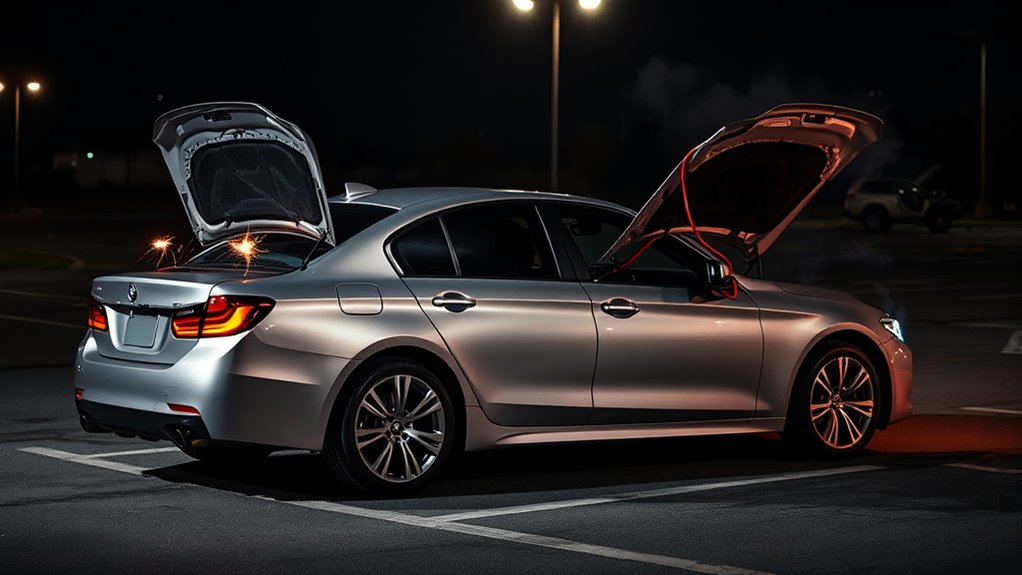
Dealing with a car that dies after a jump start can be incredibly frustrating. Many drivers find themselves stuck wondering what went wrong and how to fix it. You’re not alone—this is a common issue that many car owners struggle with.
If your car dies after a jump start, it’s likely due to issues like a weak or failing battery, loose or corroded connections, or a faulty alternator that isn’t charging properly.
Mechanical stress or damaged wiring can also cause the engine to stall. Addressing these problems early can prevent repeat incidents.
To better understand the causes and how to fix them, keep exploring for detailed insights and solutions.
Key Takeaways
- A weak or failing battery might let the car run temporarily but can’t keep up with the power needs. So, it may die shortly after a jump start.
- Corroded or loose battery terminals can mess with the electrical flow. That often leads to the engine stalling right after you jump-start the car.
- If the alternator isn’t working properly, it won’t recharge the battery. This causes the power to drop and the engine to shut down soon after the jump.
- Damaged wiring, blown fuses, or other electrical issues can cause instability. This can make the car die after a jump start.
- Mechanical or electrical problems, like worn belts or an aging battery, can stop the vehicle from maintaining power once you’ve jump-started it.
Why Does My Car Die After a Jump Start? (Understanding the Common Causes)
Have you ever tried jump-starting your car only to find it dies shortly afterward? This usually points to underlying issues with your battery health or electrical system.
If your battery is old or weakened, it might not hold a charge long enough, causing your car to stall after a jump start. Troubleshooting involves checking the battery’s age, terminals, and connections for corrosion or looseness.
If everything looks fine there, electrical issues like faulty alternators or wiring problems could be the cause. Sometimes, a jump start temporarily provides enough power, but if the battery can’t sustain it, your engine will die quickly.
It’s important to evaluate whether your battery needs replacing or if there’s an underlying electrical problem draining power. Addressing these common causes can help you prevent future stalls and keep your vehicle running smoothly after a jump start.
Signs Your Battery Is Causing Your Car to Stall Post-Jump
If your headlights start to dim unexpectedly or your engine stalls suddenly after a jump, it could be a sign that your battery is the problem. Those little warning signs are your car’s way of telling you something’s not quite right.
Also, if you notice a big drop in your battery voltage, that’s another clue that your battery isn’t holding a charge like it should. Catching these signs early can save you from dealing with the same problem again down the road.
Dimming Headlights Noticed
When your headlights start to dim unexpectedly after a jump start, it’s a clear warning sign that your battery may be causing your car to stall. Dimming indicators like weaker headlights suggest your battery isn’t providing consistent power, which can lead to stalling issues.
Poor battery health reduces its ability to supply enough current, especially under load, making your lights flicker or dim. If you notice this, it’s a sign that your battery may be failing or unable to hold a proper charge.
Regularly check your battery’s condition and replace it if needed. Addressing dimming headlights early can prevent further electrical problems and help keep your vehicle running smoothly after a jump start.
Engine Stalls Suddenly
Experiencing your car suddenly stalling after a jump start usually points to underlying battery issues. Poor battery performance can disrupt how the engine runs, causing stalls even if the battery looks charged. This problem can also be linked to low-quality fuel or inconsistent fuel delivery, which gets worse when the battery isn’t providing stable power.
Here’s a quick look at common signs:
| Symptom | Possible Cause | Recommended Action |
|---|---|---|
| Engine stalls unexpectedly | Weak battery affecting fuel injectors | Check battery health and replace if needed |
| Rough idling or misfires | Inconsistent electrical supply | Inspect fuel quality and connections |
| Sudden stalling after jump | Battery not holding charge well | Test and replace the battery if necessary |
Fixing these issues helps improve engine performance and prevents those unexpected stalls.
Battery Voltage Drops
A sudden drop in your battery voltage after a jump start often means your battery isn’t holding a proper charge. When the voltage isn’t stable, your battery’s health is compromised, making it unable to provide the power your car needs.
You might notice dimming headlights, flickering dashboard lights, or a sluggish engine response. Think of your battery as a fragile container struggling to keep up with your car’s demands.
As voltage drops, it’s like water leaking from a leaky bucket. Here are some common signs:
- Dim headlights flickering
- Weak or no interior lighting
- Slow engine cranking
- Dashboard warning lights
- Rapid battery drain
These issues suggest your battery can’t reliably support your vehicle after a jump start. It’s important to pay attention to battery health to prevent stalls and keep the voltage stable.
Is Your Alternator Failing and Making Your Car Stall?
If your car keeps stalling even after you’ve jumped it, there’s a good chance your alternator might be the problem. Sometimes, it’s not the battery itself but the alternator that’s causing the issue.
Problems with the alternator belt or the way it charges the battery can lead to your vehicle losing power out of nowhere. It’s a good idea to check these parts—making sure the belt is tight and inspecting the charging system—to see if your alternator is failing.
Alternator Belt Issues
A worn or loose alternator belt can cause your car to stall unexpectedly. When the belt wears out or loses proper tension, it can’t effectively drive the alternator. This results in insufficient battery charging and electrical system failure, which can make your engine stall.
You might notice a squealing noise when starting or accelerating, or see cracks or fraying on the belt. The belt might slip or even come off completely, leading to electrical issues like dim headlights. Sometimes, the engine can die suddenly, especially after a jump start.
These signs show that the belt’s condition is compromised and that it’s affecting the alternator’s performance. Keeping the belt tension proper and replacing worn belts quickly can prevent unexpected stalls and keep your electrical system working smoothly.
Battery Charging Problems
When your alternator isn’t working properly, your car can start to stall even after a jump start. A failing charging system often points to battery age or connection issues that prevent proper power flow.
Conduct regular battery testing to find weak or failing batteries. Check for corrosion on terminals, as this can disrupt connections. Load testing helps see if the battery can hold a charge under stress.
If the battery is old or deteriorated, replacing it can restore reliability. Keep terminals clean and make sure the alternator belt is tight as part of proper maintenance.
If your battery keeps struggling to hold a charge, it’s probably time to consider a replacement. Doing so can help prevent future stalls caused by charging system problems.
Electrical System Problems That Lead to Post-Jump Stalls
Electrical system problems are a common culprit behind cars stalling after a jump start. Faulty wiring or blown fuses can disrupt the flow of power, causing your engine to die unexpectedly.
Wiring issues might involve corroded connections, frayed wires, or loose terminals that prevent the electrical components from working properly. Fuse problems, like a blown fuse, can cut off power to critical systems such as the fuel pump or ignition.
Visualize these issues as:
- Corroded or loose wiring connections
- Frayed or damaged wires near the battery or alternator
- Blown fuses in the fuse box
- Faulty relays disrupting electrical signals
- Poorly secured or corroded battery terminals
These problems can stop your car from maintaining a steady electrical supply after a jump, leading to stalls. Checking and fixing wiring and fuse issues quickly can help keep your vehicle running smoothly after a jump start.
Mechanical Issues That Cause Your Car to Die After a Jump
Even if your car starts after a jump, underlying mechanical issues can still cause it to stall shortly afterward. One common problem is a failing battery with a limited lifespan, which may not hold a charge properly even after a jump. If your battery is old or weakened, your car might run briefly before dying because it can’t sustain the electrical load.
Neglecting proper jump start precautions can also put mechanical stress on components like the alternator or starter, causing them to malfunction. Worn or damaged belts, clogged fuel filters, or faulty sensors can also contribute to engine stalls after a jump. These issues often go unnoticed until you try to restart the vehicle and realize something’s wrong.
Regular maintenance and timely replacements help prevent these problems. Recognizing the signs of mechanical failure can help you address underlying issues before your car unexpectedly dies after a jump.
How Can You Tell If Your Car Needs More Than a Jump?
Wondering if your car just needs a jump or something more serious? If your vehicle dies soon after a jump, it’s time to check if the problem is deeper.
If your car dies after a jump, the issue might be more serious than it seems.
Signs that your car needs more than a jump include a slow engine start, dimming headlights, or frequent non-starts. Keep an eye on your battery’s health—if it’s old or corroded, it might not hold a charge.
The charging system matters too. If your alternator isn’t working right, your battery won’t recharge, leading to repeated problems. Watch out for strange smells or warning lights on your dashboard, which can point to electrical issues.
If your car stalls unexpectedly or the engine sputters, these are signs you should get it checked by a professional. Recognizing these clues can help you avoid being stranded and keep your electrical system in good shape.
Troubleshooting Steps When Your Car Dies After a Jump
When your car dies after a jump, the first thing to do is check the battery and charging system. Start by making sure the battery terminals are clean, tight, and free of corrosion. Faulty connections can prevent the car from holding a charge, causing it to stall again.
Use a jump starter correctly, ensuring it’s connected properly to avoid voltage issues that could damage your system. If the jump starter was used incorrectly or is faulty, it might not give enough power for a proper start.
Next, check how well the alternator is working. If it’s not charging the battery properly, your car could die once the jump power runs out. Also, look at the battery’s age—an old or damaged battery often can’t hold a charge, even after a jump.
Regular battery maintenance helps prevent these problems, but if they keep happening, you might need a more detailed diagnosis.
When Should You Seek Professional Help for Post-Jump Stalls?
If your car keeps stalling even after a jump start, it might be time to call in a mechanic. Sometimes, a quick jump isn’t enough to fix what’s really going on. If your engine acts up or you find yourself needing multiple jump starts, those are pretty good signs something more serious is happening under the hood.
Don’t just brush it off or keep trying to jump your car every time—it could be a warning that there’s an underlying issue that needs professional attention. Taking your car to a mechanic sooner rather than later can save you from bigger repairs down the line.
Persistent Stalling Issues
Persistent stalling after a jump start can indicate underlying issues that need professional attention. If your car stalls repeatedly, it’s a sign something deeper might be wrong.
You might be dealing with fuel problems like clogged filters or a failing pump, or ignition issues such as worn-out spark plugs or faulty wiring. When your engine sputters or dies unexpectedly, it’s time to get help.
Imagine your engine struggling to stay alive, with sparks missing or fuel supply interrupted. Symptoms include:
- Engine sputtering or hesitating
- Sudden stalls at idle or low speeds
- Difficulty maintaining RPMs
- Unusual noises during stalls
- Persistent engine misfires
If these signs keep happening, don’t wait. Getting a professional diagnosis is essential to prevent further damage.
Unusual Engine Behavior
Unusual engine behavior after a jump start often means something’s not quite right underneath. If your engine misfires, stalls unexpectedly, or runs rough, it’s time to get professional help.
These issues can point to underlying problems like fuel issues or ignition system faults that cropped up after the jump. Keep an eye out for symptoms like inconsistent acceleration or strange vibrations.
| Symptom | Possible Cause |
|---|---|
| Engine misfires | Ignition system problems |
| Rough idling | Fuel delivery issues |
| Sudden stalls | Fuel pump or filter failure |
Spotting these signs early can prevent more damage and help your vehicle run smoothly again. Don’t ignore persistent or worsening symptoms—see a mechanic promptly.
Repeated Jump Starts
Repeated jump starts should raise a red flag, especially when your vehicle stalls soon after each attempt to restart it. Relying on jump starts repeatedly can damage your battery and shorten its lifespan, making future failures more likely.
If your car needs multiple jump starts, it’s a sign that something deeper might be wrong, like a failing alternator or a damaged battery. You might notice dimming headlights during drives, frequent engine stalls, slow engine cranking, battery warning lights on the dashboard, or unusual electrical issues.
These symptoms suggest it’s time to seek professional help. Ignoring repeated jump starts can lead to more costly repairs down the road. Addressing the root cause early helps prevent further damage and keeps your vehicle running smoothly.
Tips to Prevent Your Car From Dying After a Jump in the Future
To prevent your car from dying after a jump start, it’s important to identify and address the root causes of battery issues. Regular battery maintenance is key—check your battery terminals for corrosion, clean them if needed, and make sure they’re tightly connected. Keeping your battery in good shape reduces the risk of failure during a jump start.
Using proper jump start techniques also helps prevent further problems. Always connect the jumper cables correctly—positive to positive, negative to negative—and avoid touching the clamps together. Once your car starts, let it run for at least 15-20 minutes to recharge the battery properly.
Avoid turning off your engine immediately, as this can cause the battery to die again. Taking these steps will help keep your battery healthy and your car reliable after a jump start, reducing the chances of stalling or dying unexpectedly.
Common Mistakes During Jump Starting That Can Cause Your Car to Stall
One common mistake during jump-starting is connecting the jumper cables incorrectly, which can cause electrical issues that lead your car to stall. These mistakes often happen when you don’t follow the proper sequence or make battery connection errors. Incorrect connections can send a surge of power where it shouldn’t go, damaging your vehicle’s electrical system or causing it to shut down unexpectedly.
Connecting jumper cables incorrectly can cause electrical damage and stall your vehicle.
To avoid these pitfalls, watch out for:
- Connecting the positive cable to the wrong terminal
- Reversing the polarity of the cables
- Failing to connect the negative cable to a grounded metal part
- Not making sure the engines are off before attaching cables
- Removing cables in the wrong order
These errors can disrupt your car’s electrical flow, leading to stalls or damage. Properly following jump-start procedures helps prevent these mistakes and keeps your vehicle running smoothly.
Frequently Asked Questions
Can a Faulty Fuel Pump Cause My Car to Die After a Jump?
Yes, a faulty fuel pump can cause your car to die after a jump. When the fuel pump isn’t working right, it messes up the fuel system and stops the proper flow of fuel to the engine.
Even if you’ve fixed your battery issues, a damaged fuel pump can still lead to stalling or your car dying. It’s important to check both the fuel pump and the electrical connections to make sure your vehicle runs smoothly after a jump start.
How Does a Clogged Fuel Filter Affect Post-Jump Stalling?
A clogged fuel filter hampers fuel delivery, causing your engine to struggle and stall after a jump start. When the filter is blocked, it limits the flow of clean fuel to the engine, which can lead to poor engine performance or sudden stalling.
This issue becomes more noticeable after a jump start because the engine relies heavily on proper fuel flow to stay running smoothly. Replacing the fuel filter helps restore peak engine performance.
Can Engine Overheating Lead to My Car Dying After a Jump Start?
Did you know that engine overheating causes roughly 40% of vehicle breakdowns? Overheating can definitely lead to your car dying after a jump start, especially if engine issues or battery problems are involved.
When the engine gets too hot, it can seize or damage internal components, causing a stall. If your battery isn’t holding charge properly, the engine may overwork, generating excess heat that leads to sudden shutdowns.
Is a Worn-Out Ignition Switch Responsible for Post-Jump Stalls?
A worn-out ignition switch can cause your car to stall after a jump start. Ignition issues disrupt electrical connections needed to keep the engine running smoothly.
If the switch is faulty, it may not properly send power to the ignition system, leading to stalls. You should have an expert inspect the ignition switch and related electrical connections.
They can determine if these are causing your post-jump stalls and get them repaired or replaced.
Can Recent Repairs Cause My Car to Stall After a Jump Start?
Yes, recent repairs can cause your car to stall after a jump start. Think of your electrical system as a delicate dance, where each step—like battery issues or faulty electrical connections—must synchronize perfectly.
If repairs disrupted wires, connections, or the battery’s balance, it could cause instability. These unseen missteps interrupt the flow of energy, making your engine stumble and stall, even after a successful jump.
Conclusion
To keep your car running smoothly after a jump start, stay vigilant about your battery, alternator, and electrical systems. Regular maintenance, cautious jump-starting techniques, and prompt professional checks can prevent stalls.
Recognize signs early, troubleshoot effectively, and avoid common mistakes. Being proactive is key to avoiding issues that cause your car to die after a jump start.
By understanding potential problems and acting quickly, you can ensure your vehicle’s reliability and extend its lifespan. Your car’s health depends on your vigilance and care, especially when it comes to preventing stalls after a jump start.