How Electric Power Steering Works: Evolution, Advantages, and Innovations
Are you tired of struggling with heavy steering or feeling less in control on the road? You’re not alone—many drivers wish for a smoother, more responsive driving experience.
Electric Power Steering (EPS) uses sensors and electric motors to assist your steering, making turns easier and more responsive. It evolved from manual and hydraulic systems, offering better efficiency and integration with modern controls.
EPS provides benefits like improved fuel economy, safety, and customized support based on driving conditions.
Innovations like adaptive steering and steer-by-wire continue to improve performance.
If you want to investigate how EPS keeps your vehicle nimble and efficient, keep examining further.
Key Takeaways
- EPS uses sensors and an electric motor to help with steering, based on what the driver does and the road conditions.
- It has come a long way from manual and hydraulic systems, offering better efficiency and fitting into modern vehicles more easily.
- The benefits include better fuel economy, lower emissions, and quicker, more accurate steering responses.
- New innovations like adaptive steering and steer-by-wire make control, safety, and vehicle responsiveness even better.
- EPS is more reliable, lighter, and packed with advanced safety features compared to hydraulic and mechanical systems.
How Does Electric Power Steering Work?
Ever wonder how electric power steering makes turning your car so effortless? It all comes down to sensors and motors working together seamlessly. When you turn the wheel, torque sensors detect how much force you’re applying. These sensors then send signals to a computer, which figures out how much help the motor needs to provide.
The motor applies the exact amount of torque needed, making steering easier for you. This setup also improves steering feedback, so you get a better sense of the road and how your vehicle is responding. Unlike traditional hydraulic systems, electric power steering adjusts instantly to your movements, making steering more responsive.
Using torque sensors ensures smooth, accurate assistance, preventing over- or under-steering. This smart system not only makes driving easier but also boosts safety and fuel efficiency by only using power when it’s needed.
The Evolution of Power Steering: Hydraulic to Electric
The journey from hydraulic to electric power steering marks a big technological change that has transformed how vehicles handle. The history timeline of steering technology started with manual systems, then moved to hydraulic power steering in the mid-20th century, making turns easier.
Hydraulic systems use pressurized fluid to help steer, which smooths out turns but uses more energy. As concerns about fuel efficiency and the environment grew, automakers developed electric power steering, or EPS, in the late 20th century.
EPS eliminates the need for hydraulic fluid and uses an electric motor to assist steering based on what the driver does. This change improved fuel economy, cut down on maintenance, and allowed for more advanced vehicle features.
Today, moving from hydraulic to electric steering shows ongoing innovation, focusing on efficiency and better integration with modern vehicle systems. Your understanding of steering tech history highlights how much this essential component has evolved, shaping safer and more efficient driving experiences.
What’s Inside an EPS System?
Inside an EPS system, you’ll find some pretty important parts like the electric motor, sensors, and a controller—all working together to make steering easier. Think of the electronic control module as the brain of the system. It takes in information from various sensors to figure out exactly how much assistance you need.
Getting to know these parts can really help you understand how the system makes your steering feel smooth and responsive. It’s like having a smart helper that adjusts itself to give you the perfect amount of control every time you turn the wheel.
Key Components Overview
An Electric Power Steering (EPS) system is made up of several key components that work together to help steer your vehicle. The main parts include a steering sensor, torque sensor, electric motor, and a power supply.
The steering sensor detects your steering input, while the torque sensor measures the resistance from the road. The electric motor then provides the necessary assist based on this feedback.
These components work together to ensure smooth steering and responsive handling. Additionally, wiring and connectors link everything for seamless operation.
Electronic Control Module
At the heart of an EPS system is the Electronic Control Module (ECM), which acts as the brain that processes signals from sensors and manages the electric motor. This small but powerful unit interprets data from sensor technology, such as steering angle and torque sensors, to determine the right assistance level.
It then uses sophisticated software algorithms to adjust the motor’s response in real time, ensuring smooth steering. The ECM’s main functions include monitoring sensor inputs for accurate, timely data, running complex software to interpret signals, and controlling the electric motor to optimize steering effort and safety.
This combination of sensor technology and software guarantees your steering remains responsive, reliable, and adaptable to different driving conditions.
Benefits of Electric Power Steering: Fuel, Safety, and Comfort
Electric power steering is great because it helps you save fuel by using less energy, so your drives become more efficient. Plus, it makes driving safer since it responds more quickly and accurately to your steering inputs. And let’s not forget about comfort — it gives you smoother handling, especially when you’re making tight turns or on long trips, making the whole experience more relaxed.
Enhanced Fuel Efficiency
Because electric power steering systems eliminate the need for a hydraulic pump, they consume less energy during operation. This directly boosts your vehicle’s fuel efficiency, saving you money and offering sustainability benefits by reducing overall energy use.
The key advantages include:
- Lower fuel consumption: Less energy used means your engine doesn’t have to work as hard, which improves miles per gallon.
- Reduced emissions: Greater energy efficiency leads to fewer pollutants released into the environment.
- Enhanced sustainability: Electric steering supports eco-friendly driving and aligns with green vehicle initiatives.
Improved Vehicle Safety
The implementation of electric power steering significantly improves vehicle safety by offering quicker, more accurate steering responses. This helps you react faster to sudden obstacles or road hazards.
Electric power steering systems give real-time feedback, making it easier to sense road conditions and how the vehicle is behaving. This enhanced feedback keeps you more alert and in control.
The system’s responsiveness ensures your steering inputs are precisely translated into vehicle movements, especially in emergency situations. That means better control when it matters most.
Increased Driving Comfort
Driving becomes much more comfortable with electric power steering, especially on long trips or in heavy traffic. It makes driving ergonomics better by reducing effort and fatigue, so steering feels smoother and more natural.
With improved steering responsiveness, you can react faster to road conditions, which boosts overall comfort. To get the most out of this, you might want to:
- Adjust the steering sensitivity to match your preferences
- Keep your wheel alignment in check for consistent response
- Pick a vehicle with adaptive steering for different driving situations
These features help you stay relaxed and in control, even during long drives. Electric power steering reduces physical strain, making steering effortless and precise. This extra comfort makes your driving experience more enjoyable and stress-free.
How Variable Assistance Improves Driving Experience
Variable assistance in electric power steering adjusts the support level based on your driving conditions, making steering feel more natural and responsive. This feature improves adaptive steering by smoothly changing assistance as you accelerate, turn, or drive at different speeds.
When you’re on the highway, the system reduces assistance, giving you more direct control and better driving dynamics. In tight corners or city streets, it increases support to make steering easier and more precise.
This adaptability creates a smoother driving experience, reducing fatigue during long drives and offering better feedback. By customizing assistance to your needs, the system helps you feel more connected to your vehicle and the road.
As a result, your overall driving becomes safer, more comfortable, and more engaging, especially in changing conditions where fine control and responsiveness are important.
Common EPS Problems and Maintenance Tips
Being aware of warning signs like strange noises or the steering feeling stiff can really help you catch EPS problems early on. It’s always a good idea to pay attention to how your steering behaves—if something feels off, it might be time to take a closer look.
Regular maintenance is key too. Make sure to check your power steering fluid regularly and inspect the connections to keep everything running smoothly. Staying attentive to these signs and keeping up with routine checks will help ensure your steering stays reliable and easy to handle.
Recognizing Warning Signs
Electric power steering (EPS) systems are designed to provide smooth, effortless steering, but they can develop issues over time. Recognizing warning signs early can help prevent costly repairs.
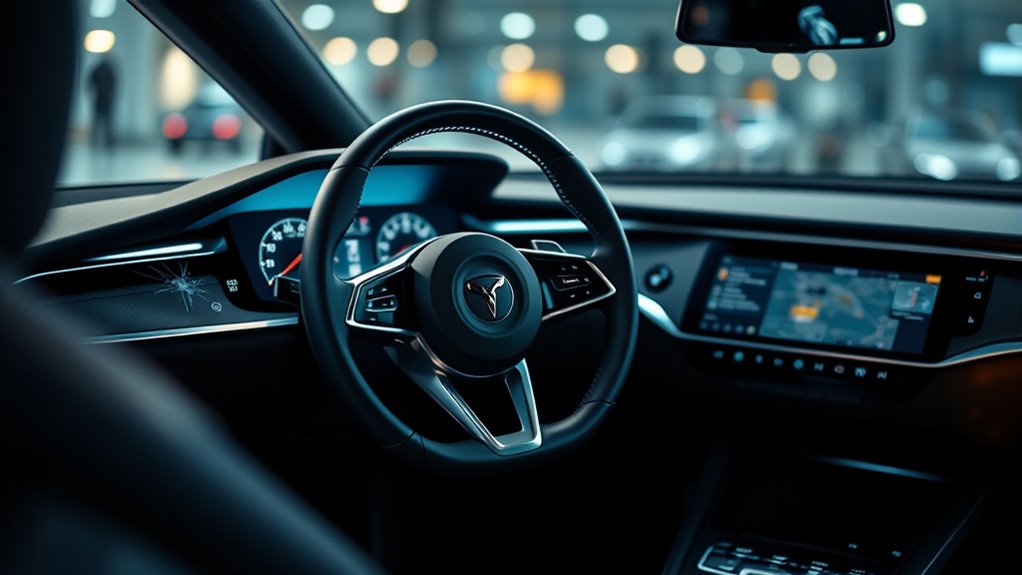
Pay attention to warning indicators on your dashboard, which can signal electrical or mechanical faults. Changes in steering feedback, like increased stiffness or unusual vibrations, are also signs something might be wrong.
Listen for unusual noises when turning, such as whining or grinding sounds. If you notice any of these signs, it’s a good idea to have your system checked promptly.
These warning signs often point to underlying problems like worn components or electrical failures. Ignoring them could lead to more severe damage or safety issues.
Regularly monitoring your EPS’s performance helps ensure smooth steering and can extend its lifespan. Being proactive keeps you safe and saves money in the long run.
Routine Maintenance Practices
Regular maintenance of your electric power steering system can prevent common problems like fluid leaks, electrical failures, and worn components. Start by checking your steering fluid levels regularly, even though EPS systems use less fluid, to ensure proper lubrication.
Perform alignment checks to keep steering responsive and tires wearing evenly. Also, monitor tire pressure to reduce strain on the system. Inspect belts for signs of wear or cracking, especially if your vehicle has auxiliary components.
Use system diagnostics to identify electrical issues early and verify the power supply voltage to ensure consistent performance. Additionally, calibrate sensors periodically to maintain accurate feedback and replace worn components promptly.
Staying proactive with these maintenance tips helps extend your EPS system’s lifespan and guarantees safe, reliable steering.
Latest Innovations in Electric Power Steering Technology
Recent innovations in electric power steering (EPS) technology are changing how vehicles respond and adapt to what drivers need. One big advancement is adaptive steering, which adjusts responsiveness based on speed and driving conditions to improve stability and comfort.
Adaptive steering enhances stability and comfort by adjusting responsiveness to driving conditions and speed.
Steer-by-wire systems are also making waves. They replace mechanical linkages with electronic controls, allowing for more precise and customizable steering responses. These innovations help vehicles:
- Improve driver control with real-time adjustments, making steering feel more intuitive.
- Enhance safety by working with advanced driver-assistance systems for better lane-keeping and collision avoidance.
- Reduce weight and complexity, leading to more efficient designs and better fuel economy.
These cutting-edge developments are paving the way for smarter, more adaptable driving experiences. As technology keeps advancing, EPS systems will become even more integrated, delivering seamless, personalized steering that matches your driving style and road conditions.
EPS vs Hydraulic and Mechanical Steering: Which Is Better?
As vehicle steering systems continue to evolve with innovations like adaptive steering and steer-by-wire, it’s important to compare their benefits against traditional methods. Hydraulic and mechanical steering systems have been reliable, but electric power steering (EPS) offers notable advantages.
EPS provides quicker steering response, making handling more precise and enjoyable. It also boosts system reliability because there are fewer moving parts and less maintenance compared to hydraulic setups, which rely on fluid and pumps that can fail.
Mechanical steering, while simple and durable, often lacks the responsiveness and ease of control that EPS delivers. Overall, EPS improves steering response while maintaining high system reliability, making it a smarter choice for modern vehicles.
Its ability to adapt to driving conditions and integrate with advanced driver-assistance systems further cements its superiority over hydraulic and mechanical steering methods.
Should You Upgrade or Replace Your EPS System?
Thinking about your vehicle’s steering performance, you might wonder whether it’s time to upgrade or replace your EPS system. Deciding depends on several factors.
First, consider your current system’s age and reliability. Older units may benefit from an upgrade to newer technology.
Second, evaluate the condition of your existing EPS. If repairs are frequent or expensive, replacement might be more cost-effective.
Third, compare upgrade options against replacement costs. Upgrades can improve performance and add features, but sometimes replacing the entire system guarantees longevity and peace of mind.
If your vehicle’s EPS shows signs of failure or outdated technology, upgrading can be a smart choice to boost handling and efficiency.
However, if repair costs are high or the system is beyond economical repair, a full replacement could save you money in the long run.
Weigh these points carefully before making your decision.
Do EPS Systems Have Downsides?
While electric power steering offers many benefits, it does have some downsides to consider. One concern is that EPS systems can reduce steering feedback, making the driving feel less connected and possibly affecting your control.
System reliability can also be an issue. If the electric components fail, steering assistance might be lost, which means immediate repairs could be necessary. Maintenance costs may be higher compared to traditional hydraulic systems, especially if electronic parts malfunction.
Some drivers notice a slight delay in response, which can impact handling during quick maneuvers. Here’s a quick comparison:
| Pros | Cons |
|---|---|
| Improved fuel efficiency | Reduced steering feedback |
| Lighter steering weight | Potential system reliability issues |
| Easier integration with tech | Higher maintenance costs |
| Compact design | Slight response delay |
| Improved safety features | Dependence on electronic components |
Understanding these downsides can help you decide if EPS suits your driving needs.
Frequently Asked Questions
How Does Electric Power Steering Impact Vehicle Emissions?
Electric power steering greatly impacts vehicle emissions by promoting emission reduction and boosting energy efficiency. Since it uses less energy than traditional hydraulic systems, your vehicle consumes less fuel, leading to lower emissions.
This improved energy efficiency helps reduce your carbon footprint and makes your drive more environmentally friendly. By adopting electric power steering, you contribute to cleaner air and a greener planet while enjoying smoother, easier steering.
Are Electric Power Steering Systems Recyclable or Environmentally Friendly?
You might think electric power steering is a miracle for the environment, but it’s not entirely eco-friendly. These systems contain recyclable materials, yet their environmental impact depends on proper disposal.
While they reduce emissions and save energy, the manufacturing and recycling processes still pose challenges. So, yes, electric power steering can be recycled, but only if we handle the materials responsibly.
Otherwise, it’s just a shiny, green illusion.
What Is the Lifespan of an EPS Component?
Your EPS component usually lasts between 100,000 and 150,000 miles, but this can vary depending on how well you maintain it.
Regularly check for warning signs like steering stiffness or unusual noises. Keeping the system clean and well-maintained is key.
Proper upkeep can extend the lifespan of your EPS and help prevent costly repairs.
If you notice any issues early, addressing them quickly can keep your electric power steering reliable and efficient for years to come.
Can EPS Systems Be Integrated With Autonomous Driving Features?
Yes, EPS systems can be integrated with autonomous driving features, which improves vehicle control and safety. You’ll get a smooth autonomous experience where the system adjusts steering feedback based on sensor inputs and driving conditions.
This integration helps with precise maneuvering, better stability, and quicker responses. As a result, your vehicle uses advanced technology to optimize steering, making autonomous driving safer, smoother, and more intuitive for you.
How Do Different Driving Modes Affect EPS Performance?
Different driving modes really change how your EPS performs, customizing steering response to make driving more dynamic.
For example, sport mode gives you more direct steering feedback, so you feel more connected to the road. Comfort mode, on the other hand, softens things up for easier maneuvering.
These modes adjust how much assistance the EPS provides, impacting steering effort and feedback.
That way, you can personalize your driving experience based on your preferences or the driving conditions.
Conclusion
In the end, embracing electric power steering means you’re steering into the future with open eyes. It’s a game-changer that offers smoother drives, better fuel efficiency, and innovative safety features.
While no system is perfect and there are a few bumps along the way, understanding how EPS works helps you make informed choices. Knowing the ins and outs of electric power steering lets you navigate your vehicle’s tech with confidence.
Remember, it’s better to be safe than sorry when it comes to your car’s technology. Electric power steering is shaping the future of driving—so stay informed and enjoy the ride.