How Long Is Safe to Drive With a Cracked Engine Block: Expert Advice
Are you worried about driving with a cracked engine block? You’re not alone. Many car owners face this tricky situation and wonder how long they can keep going without causing serious damage.
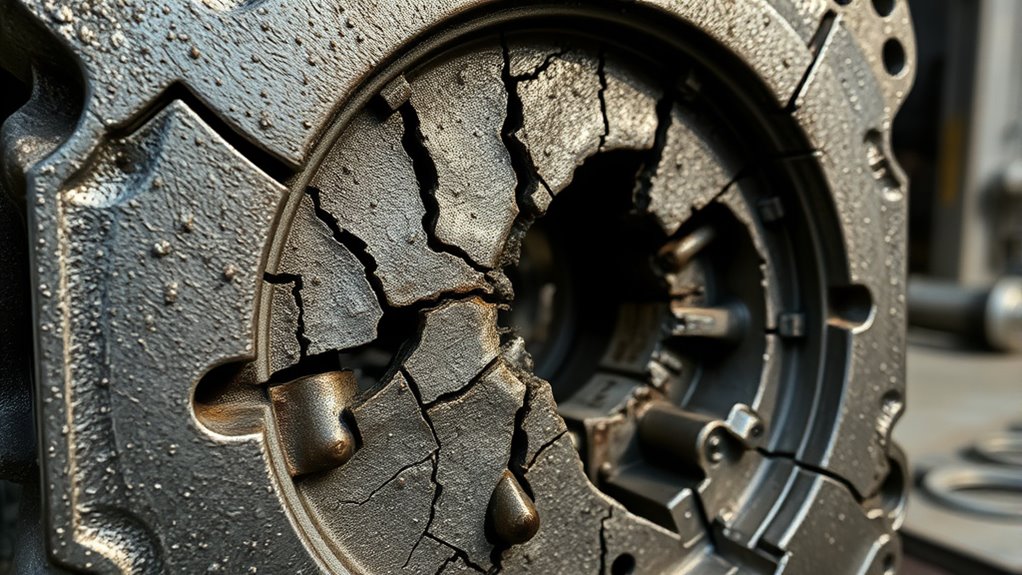
You shouldn’t drive long with a cracked engine block, as even small cracks can quickly cause severe engine failure and costly repairs.
If you notice signs like overheating, leaks, or unusual noises, stop driving immediately. Limited driving might be okay temporarily if you use sealants and keep an eye on gauges, but it’s risky.
To understand how long you can safely drive and what your best options are, keep exploring expert advice on repairs and replacements.
Key Takeaways
- Driving with a cracked engine block is risky and can cause serious engine damage. It’s best to avoid driving altogether if possible.
- If you really need to move the car, try to limit how far you drive, avoid heavy loads, and keep a close eye on engine temperature and oil pressure.
- Temporary fixes like sealants might slow leaks down, but they don’t prevent long-term damage. Getting professional repair or replacement is highly recommended.
- Check how bad the crack is as soon as you notice it. Small cracks might be manageable for a short time, but bigger cracks need urgent repair or even a full engine replacement.
- In the end, it’s safest to drive as little as possible or not at all until a mechanic inspects and repairs the engine.
What Causes Cracks in Engine Blocks and How Serious Are They?
Cracks in engine blocks often happen because of extreme temperature swings, internal pressure, or manufacturing issues. When your engine gets too hot, the metal expands quickly, and repeated heating and cooling can weaken the block over time.
This process, called metal fatigue, creates tiny fractures that can grow bigger if not addressed. If your engine runs hot often, these stresses build up and make cracks more likely.
Manufacturing flaws, like poor casting or incomplete cooling during production, can leave weak spots that crack even under normal use. Internal pressure from a blown head gasket or too many combustion gases also adds stress, pushing the metal past its limits.
Manufacturing flaws and excessive internal pressure can weaken engine blocks, causing cracks even during normal operation.
The severity of a crack depends on its size and where it’s located. Small cracks might seem harmless at first, but they tend to grow, risking serious engine damage if ignored.
Understanding these causes highlights the importance of proper maintenance to avoid costly repairs down the line.
Signs Your Engine Might Have a Cracked Block
Detecting a cracked engine block early can save you from costly repairs, but it often means paying attention to specific warning signs. Common symptoms include overheating, even if your cooling system seems fine.
You might also notice coolant or oil leaks that appear suddenly or get worse over time. White smoke from the exhaust is another sign, indicating coolant might be entering the combustion chamber.
Unusual engine noises like knocking or ticking sounds can also point to internal damage. Performing a thorough inspection involves looking for visible cracks or damage, especially around the engine’s edges or near the cylinders.
A drop in engine performance, such as losing power or experiencing misfires, can also be a sign of a compromised engine block.
If you notice any of these signs, it’s important to have a professional inspect your engine quickly. Early detection can prevent further damage and save you from costly repairs.
How Quickly Can a Crack Lead to Major Engine Damage?
When a crack appears in your engine block, it can quickly go from a minor issue to a major disaster if you ignore it. Crack growth can be fast, especially under high engine temperatures and pressure.
As the crack gets worse, it messes with engine performance, leading to overheating, power loss, or coolant leaks. Depending on driving conditions and crack size, this damage can happen within hours or days.
Driving with a damaged engine block speeds up deterioration and increases the risk of full engine failure. Small cracks might seem manageable at first, but they can quickly grow, letting dirt and debris into vital engine parts.
This speeds up wear and can cause parts to seize or break. The longer you delay fixing it, the higher the chance of catastrophic damage. Early diagnosis and repair are key to avoiding costly repairs and keeping your vehicle safe.
How Do Experts Assess the Severity of a Cracked Engine Block?
When experts check out a cracked engine block, they usually start with a close visual inspection. They look for obvious signs like oil leaks or visible cracks on the surface. These clues can tell them a lot about how serious the damage might be.
Next, they often perform compression tests. This helps them see how well the engine is sealing and whether its performance has been affected. If the compression is low, it could mean the crack is causing significant problems. All these steps help them figure out if the damage is just minor or if it’s serious enough to need urgent repairs.
Visual Damage Inspection
A visual inspection is the first step in evaluating a cracked engine block’s severity. During this process, you’ll look for visible signs of damage, such as cracks, leaks, or corrosion on the engine surface.
Pay close attention to any coolant or oil leaks, as these can indicate internal damage. Use a flashlight to get a clear view of hard-to-see areas.
The damage assessment involves noting the size, location, and pattern of the cracks, which helps determine if the damage is superficial or severe. Experts rely on their experience to identify cracks that might be hidden beneath surface grime or paint.
This initial inspection provides essential clues about the extent of the damage and guides your next steps in repair or replacement decisions.
Compression Test Results
A compression test is a key step when checking a cracked engine block because it shows how well each cylinder is sealing. Low compression readings can point to damage or cracks that hurt engine performance. When experts analyze the results, they look for uniformity across all cylinders; big differences suggest issues like a cracked block or damaged piston rings.
Important things to watch for include low compression in one or more cylinders, consistent low readings across all cylinders, or sudden drops compared to previous tests. Variations can also indicate a loss of seal integrity. The correlation between compression levels and how the engine runs is crucial here.
These results help determine how severe the crack might be and whether the engine can be saved or needs replacing. Accurate compression testing is essential for understanding damage and planning repairs effectively.
Oil Leak Indicators
When examining a cracked engine block, spotting oil leaks can give you important clues about how serious the damage is. If you see fluid pooling under your vehicle or oil spots on the engine, that’s a red flag.
A big oil leak can cause your oil pressure to drop, which might lead to overheating or even engine failure. Experts look for visible oil seeping around the engine, gaskets, or cracked areas to identify a serious problem.
A small drip might be manageable, but persistent or large leaks suggest the crack is pretty severe. Keeping an eye on oil pressure with a gauge can also help spot internal issues.
If you notice oil leaks, especially along with a drop in oil pressure, it’s best to get your vehicle checked out right away. Acting quickly can help prevent further damage.
Is It Safe to Drive With a Small Crack in Your Engine?
Is it truly safe to drive with a small crack in your engine? While a minor crack might seem harmless, ignoring it can lead to bigger problems. Small cracks can worsen over time, especially if your engine isn’t properly maintained.
You should assess the crack’s location and severity, and then consult a mechanic for expert advice. They may suggest specific repair techniques to prevent further damage.
Remember, delaying engine maintenance or repairs can cause the crack to expand, risking engine failure.
Consider these points:
- Regularly inspect the crack for growth or leaks
- Avoid high engine temperatures that can worsen damage
- Use coolant or sealants as temporary fixes, but only under expert guidance
- Schedule prompt repairs to prevent costly damage
- Follow professional repair techniques for durable fixes
Driving with a small crack isn’t entirely risk-free, so stay vigilant and seek professional help to keep your engine running smoothly.
How Long Can You Drive With a Cracked Engine Before Repairs Are Needed?
How long can you realistically drive with a cracked engine before repairs become critical? The answer depends on the size and location of the crack, as well as how long you plan to drive.
Small cracks might let you drive for a few days or a week without immediate engine issues. But as the crack gets worse, your engine’s performance can decline, and the risk of a major failure increases.
If you keep driving for too long, the crack could cause coolant or oil leaks, leading to overheating or serious engine damage. It’s usually best to limit your driving once you notice a crack and get it checked out quickly.
Driving with a crack for too long can cause severe engine damage, expensive repairs, and even breakdowns. To stay safe and avoid costly fixes, schedule repairs as soon as possible.
Pay attention to any changes in engine performance or strange noises. Getting it inspected early can save you time and money down the road.
What Are Your Repair Options for a Cracked Engine Block?
When you’re figuring out how to fix a cracked engine block, it’s important to weigh your options. You’ll want to consider whether repairing it or replacing it makes more sense for your situation.
Repair options like welding or using epoxy might be easier on your wallet and quicker to do. However, keep in mind that these fixes might not last as long, especially if the crack is severe. On the other hand, replacing the engine can be pretty costly upfront, but it usually means you’ll get a more durable and reliable solution in the long run.
In the end, your decision really depends on your budget and how long you want the repair to last. If you’re looking for a quick fix and cost is a concern, repair might do the trick. But if you want something that will hold up longer and give you peace of mind, going for a replacement could be the better choice.
Repair vs. Replacement
Deciding whether to repair or replace a cracked engine block depends on how bad the damage is and your vehicle’s overall condition. If the crack is minor, options like welding or epoxy sealants might do the trick and save you some money.
But if the crack is extensive, replacing the engine can get expensive, and a full engine swap might make more sense. Keep in mind that repair options are usually cheaper upfront, while replacement costs involve buying a new or rebuilt engine.
The decision comes down to how much damage there is, your budget, and how long you want your vehicle to last. Always talk to a mechanic to see which option fits your needs and financial situation best.
Cost and Durability
Repair options for a cracked engine block vary widely in cost and durability, so it’s important to evaluate your specific situation. Welding or epoxy repairs can be cheaper upfront, but they often don’t last long and are usually only good for minor cracks.
On the other hand, replacing the engine or the entire block costs more but provides a more reliable, long-lasting fix. When deciding, you should consider factors like how big the crack is and the overall condition of your engine.
Cheap fixes may save you money now, but they could lead to bigger, more expensive repairs down the road. Ultimately, your choice depends on your budget, how severe the damage is, and how long you want your engine to last.
What Happens If You Ignore a Cracked Engine? Risks and Consequences
Ignoring a cracked engine block can cause serious damage and lead to costly repairs. The crack lets coolant, oil, or gases leak, which hurts engine performance and can cause overheating or even engine failure. If you don’t address this, you risk:
- Complete engine breakdown
- Loss of power and poor driving performance
- Higher chances of overheating
- Contamination of engine fluids
- Expensive repairs or replacement
Driving with a cracked engine affects your vehicle’s reliability and safety. It’s important to catch issues early with proper maintenance to prevent further damage. Ignoring the crack can also harm other engine parts, making repairs more extensive. Recognizing these risks helps you decide whether to drive carefully or seek professional help right away. Fixing a cracked engine block quickly preserves performance and saves money in the long run, stopping small problems from turning into total engine failure.
How to Minimize Damage and Keep Your Engine Running Until Repairs
When you notice signs of a cracked engine block, acting quickly can help prevent further damage and keep your engine running longer. Start with basic engine maintenance tips like checking coolant levels and oil.
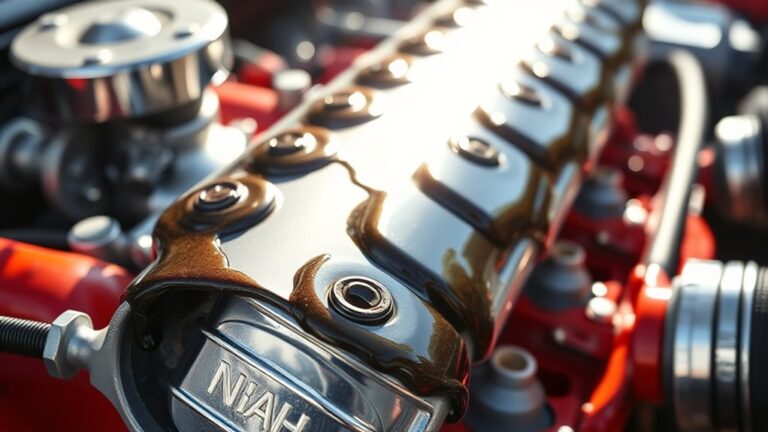
Keep the coolant system topped off to prevent overheating, which can make the crack worse. Use temporary fixes like epoxy or sealants designed for engine repairs to slow leaks and reduce oil or coolant loss.
Maintain coolant levels and use engine-specific sealants to slow leaks and prevent further damage.
Avoid driving long distances. If you have to, go at low speeds and avoid heavy loads to lessen the stress on your engine. Keep an eye on temperature gauges and oil pressure to catch any sudden changes.
Being cautious while driving and applying simple repairs can buy you some time until you get professional repairs. Remember, these are only short-term solutions. Proper maintenance and timely repairs are key for your engine’s long-term health and safety.
When Should You Consider Replacing Your Engine or Vehicle?
Deciding to replace your engine or vehicle becomes necessary when the costs of repairs outweigh their benefits or when persistent issues threaten your safety. If your engine’s longevity is drastically compromised or repairs become too frequent and costly, it’s time to consider an upgrade. A failing engine can pose safety risks and reduce your vehicle’s overall value as a long-term investment.
Think about replacing your vehicle if repair costs are higher than what it’s worth, or if you keep facing engine problems despite repairs. Fuel efficiency drops significantly due to engine wear, making your trips more expensive. Outdated safety features or emissions systems that no longer meet standards are also signs it’s time for a change.
You might also want to upgrade if you need a more reliable vehicle for daily driving or long trips. Ultimately, knowing when to replace helps you avoid ongoing expenses and keeps you safe. Making a timely decision can preserve your vehicle’s value and ensure you get the most out of your investment in reliable transportation.
Frequently Asked Questions
Can Driving With a Cracked Engine Block Cause a Fire?
Driving with a cracked engine block can indeed cause fire hazards. The crack might cause oil or coolant leaks that could ignite if they come into contact with hot engine parts.
This significantly compromises engine safety and raises the risk of fire. If you notice a crack, it’s best to stop driving right away and get professional repair.
Doing so can prevent potential fires and avoid further damage to your engine.
How Much Does Repairing a Cracked Engine Block Typically Cost?
Repair costs for a cracked engine block typically range from $2,000 to $4,000, but it can be higher depending on your vehicle and the severity of the damage. You’ll probably end up paying for a replacement engine or a costly rebuild.
Labor costs also add to the expense, making this a significant investment. Keep in mind, fixing the engine block can be expensive, so it’s worth considering whether repairing or replacing the entire engine makes more sense for your situation.
Is a Cracked Engine Block Covered Under Insurance?
Insurance usually doesn’t cover cracked engine blocks, especially if it’s caused by neglect or wear and tear.
You’ll want to check your policy’s details because coverage limits can vary a lot.
Some extensive or warranty plans might offer partial protection, but most insurance claims don’t include repairs for engine cracks.
Make sure to review your coverage carefully and contact your insurer to see if your crack qualifies for coverage or if you’ll need to pay for the fix yourself.
Can Coolant Leaks From a Cracked Block Cause Environmental Damage?
Coolant leaks from a cracked engine block can cause serious environmental damage by contaminating soil and water sources. If you ignore the leak, you might also end up breaking environmental laws, which could lead to fines or legal trouble.
It’s important to fix the crack and dispose of any contaminated fluids properly. Doing so helps protect the environment and keeps you compliant with regulations.
How Long Do Engine Block Repairs Usually Take?
Engine block repairs can take anywhere from a few hours to several days, depending on the type of engine block and repair method.
For cast iron or aluminum blocks, welding or sleeving might take longer, while a simple patch could be quicker.
You’ll want to consider your specific engine type and repair approach, as these factors directly influence how long it will take.
Stay alert because timing is crucial to prevent further damage.
Conclusion
So, you’ve got a crack in your engine—great. It’s tempting to ignore it and keep driving, thinking it’ll hold just a little longer. But irony strikes: that tiny flaw could turn into a catastrophic failure when you least expect it, leaving you stranded.
Sometimes, pushing your luck isn’t worth the cost. It’s better to face the truth early, fix it now, and save yourself the heartache—and a much bigger bill—later on.
When dealing with a cracked engine block, there’s no safe amount of time to keep driving. The longer you wait, the higher the risk of severe engine damage.
If you notice any signs of a crack, such as coolant leaks or overheating, it’s best to get it checked out right away. Ignoring it can cause your engine to fail completely, leading to costly repairs.
In summary, don’t push your luck with a cracked engine block. Addressing the issue promptly can keep your vehicle running safely and save you money in the long run.