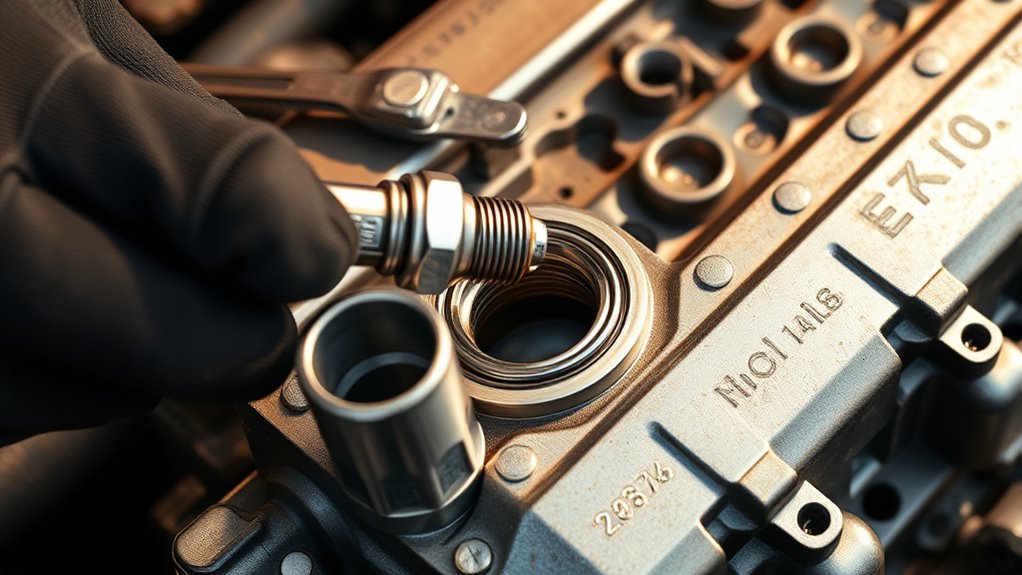
What Do I Need to Change Spark Plugs? Essential Tools & Tips
Changing spark plugs is a common maintenance task, but many people struggle with knowing exactly what tools they need or how to do it properly. If you’ve ever felt overwhelmed at the idea of replacing your spark plugs, you’re not alone.
The good news is, with the right tools and a bit of guidance, you can do it yourself smoothly and safely.
To change spark plugs, you’ll need essential tools like a spark plug socket, ratchet wrench, extension bar, torque wrench, and a gap tool to guarantee proper spacing.
Safety gear such as goggles, gloves, and a mask helps protect you. Carefully remove old plugs and install new ones, tightening to the manufacturer’s specifications.
To make it easier and avoid mistakes, keep your workspace clean and double-check each step.
Stick around to find helpful tips for a smooth spark plug change.
Key Takeaways
- Gather essential tools like a spark plug socket, ratchet, extension, torque wrench, and gap gauge for proper removal and installation. Having these ready makes the job easier and more accurate.
- Wear safety gear such as goggles, gloves, and a dust mask to protect yourself during the process. Safety first to avoid any injuries or inhaling debris.
- Check and set the correct spark plug gap using a gap tool before installation. This helps ensure your engine runs smoothly and efficiently.
- Remove old spark plugs carefully, applying penetrating oil if necessary, and inspect them for wear. This gives you a good idea of your engine’s health.
- Tighten new spark plugs to the manufacturer’s specified torque, verify the proper gap, and test for spark before completing the job. This ensures everything is properly installed and functioning.
What Tools Do You Need to Change Spark Plugs?
Changing spark plugs requires a few essential tools to get the job done efficiently. First, you’ll need a spark plug socket, typically a 5/8-inch or 13/16-inch, designed to fit different spark plug types. A ratchet wrench is necessary to loosen and tighten the plugs.
An extension bar helps reach deep or awkward spots in the engine bay. A torque wrench is vital for applying the correct torque specifications, guaranteeing you don’t over-tighten or under-tighten the spark plugs, which could cause damage or poor performance.
An extension bar reaches difficult spots, while a torque wrench ensures proper tightness for optimal engine performance.
You may also need a spark plug gap tool to verify the gap before installation. Having a dielectric grease packet helps prevent corrosion and guarantees a good connection. Finally, a socket driver or screwdriver may be useful for removing any covers or components blocking access.
With these tools, you’ll be equipped to safely and accurately replace your spark plugs, regardless of their type.
How to Choose the Best Spark Plugs for Your Vehicle
Choosing the right spark plugs for your vehicle is key to getting the best performance and fuel efficiency.
Start by understanding the different types—copper, platinum, and iridium. Copper plugs are cheaper but tend to wear out faster, making them good for older engines.
Platinum and iridium plugs last longer and deliver more consistent performance. Always check your vehicle’s manufacturer recommendations for the correct heat range and plug size.
The right spark plug can improve ignition, power, and fuel economy, leading to better acceleration and smoother idling. Performance benefits depend on the type you choose, so consider factors like longevity, cost, and your driving style.
If you have a high-performance or modern vehicle, investing in iridium or platinum plugs can offer better durability and efficiency. Choosing the right spark plug based on your vehicle’s needs ensures optimal engine operation and helps you make the most of your maintenance investment.
Safety Gear You Should Have When Changing Spark Plugs
Before you start working on your vehicle’s spark plugs, it’s essential to have the right safety gear in place to protect yourself from potential hazards. Following safety precautions helps prevent injuries and keeps you safe during the process.
Wear safety goggles to shield your eyes from debris, dirt, or accidental splashes of oil and chemicals. Gloves are necessary to protect your hands from sharp edges, hot engine parts, and corrosive substances.
A long-sleeved shirt can also offer extra protection against burns or scrapes. Consider using a dust mask or respirator if you’re working in a dusty or dirty environment to avoid inhaling harmful particles.
Proper safety equipment guarantees personal protective measures are in place, reducing the risk of accidents. Never skip these safety precautions, as they’re simple but critical to keeping you safe while changing spark plugs.
Always prioritize your safety before starting any maintenance task.
How to Remove Old Spark Plugs: A Step-by-Step Guide
Once you’ve gathered your safety gear, it’s time to start removing the old spark plugs. Spark plug removal is an important step in engine maintenance and helps keep your engine running smoothly. First, locate the spark plugs, which are usually on the top or side of the engine.
Use a spark plug socket and ratchet to carefully turn counterclockwise. If the plugs are stubborn, apply some penetrating oil and wait a few minutes. Be gentle to avoid damaging the ceramic insulator.
Next, disconnect the spark plug wire or coil. Then, loosen the spark plug with a socket. Carefully remove the old spark plug and inspect it. Finally, prepare for installing the new one.
Follow these steps to ensure safe and effective spark plug removal. It’s a crucial part of proper engine maintenance.
How to Gap and Install New Spark Plugs Correctly
To make sure your new spark plugs work the way they’re supposed to, you’ll want to gap them to the right size first. It’s a pretty simple step, but it makes a big difference in how well your engine runs.
When you’re putting the plugs in, be sure to tighten them to the correct torque and make sure they’re seated firmly. If they’re too loose, you might get misfires or other engine problems. Proper gapping and careful installation help keep your engine running smoothly and can save you from future headaches.
Properly Gapping Spark Plugs
Gapping your spark plugs correctly is key to getting the best engine performance and fuel efficiency. Different types of spark plugs need specific gaps, so using the right gapping tools makes the job easier.
First, find out the correct gap for your vehicle. Check your owner’s manual or the spark plug specifications. Then, use a gapping tool to carefully bend the electrode to the right measurement.
Make sure the gap is even and consistent. Here’s a quick reference to help you out:
| Spark Plug Type | Recommended Gap | Gapping Tool Needed |
|---|---|---|
| Copper | 0.028–0.035 inches | Wire feeler gauge |
| Iridium | 0.035 inches | Precision gapping tool |
| Platinum | 0.032–0.040 inches | Wire feeler gauge |
| Double Platinum | 0.032–0.040 inches | Precision gapping tool |
Proper gapping ensures a strong spark and helps your engine run smoothly and efficiently.
Correct Installation Techniques
Installing new spark plugs correctly starts with proper gapping and careful handling. To ensure a smooth installation, follow these steps:
- Check the spark plug torque: Use a torque wrench to tighten to the manufacturer’s specifications. Avoid over-tightening, which could damage the threads.
- Align the installation angle: Insert the spark plug straight to prevent cross-threading and make sure it seats properly.
- Use a torque sequence: Gradually tighten the spark plug with small turns. Keep the pressure even to avoid damage.
- Verify the gap: Double-check the spark plug gap after installation, especially if you’ve handled the plugs roughly.
Getting the right torque and installation angle is key for your engine’s performance and longevity.
Tips for Cleaning Your Spark Plug Area and Maintaining Your Engine
Want your engine to run smoothly and last longer? One simple way is to give the spark plug area a good clean. Just make sure you’re using the right tools and techniques for the job. It’s also a good idea to work in a clean environment and handle everything carefully to stop dirt and debris from sneaking in.
Taking these small steps can really make a difference. They’ll help keep your engine performing at its best and help your spark plugs stay in good shape for longer.
Proper Cleaning Techniques
Cleaning your spark plug area thoroughly is key to keeping your engine running at its best. Proper cleaning helps prevent buildup and ensures good contact.
Start by choosing the right cleaning products, like a degreaser or a spark plug cleaner designed for the job. Before applying anything, remove loose dirt with a soft brush or compressed air.
Be careful not to overspray—just a light spray is enough to loosen dirt and grime. Set a regular cleaning schedule based on your driving conditions; do it more often if you’re driving in dusty areas.
Remember, staying consistent with cleaning stops carbon deposits and rust from forming. It also extends the life of your spark plugs and boosts engine efficiency.
Keep your engine in top shape by following these simple steps for a clean, well-maintained spark plug area.
Using Correct Tools
Using the right tools makes all the difference when cleaning your spark plug area and maintaining your engine. It’s essential to select tools suited for your spark plug types, whether they’re copper, platinum, or iridium.
A spark plug socket with a rubber insert helps prevent damage during removal and installation. A torque wrench guarantees you apply the correct installation torque, preventing over-tightening or under-tightening, which can cause poor contact or damage.
Quality spark plug gap gauges keep your gaps precise, optimizing engine performance. Avoid makeshift tools that might strip threads or damage the ceramic insulator.
Properly maintained tools help you work efficiently and protect your engine’s integrity. This way, your spark plugs function correctly, and your engine runs smoothly.
Preventing Contamination
Contamination can quickly impair your spark plug’s performance and harm your engine if not properly managed. To prevent spark plug contamination, focus on stopping dirt from reaching the area. Here are four key tips:
- Keep the engine bay clean by regularly washing away dust and debris.
- Cover the spark plug area during repairs to avoid dirt settling on the components.
- Use compressed air to blow away dirt before removing or installing spark plugs.
- Replace the spark plug boots if they show signs of wear to prevent dirt ingress.
Common Mistakes to Avoid When Replacing Spark Plugs
One common mistake to avoid when replacing spark plugs is neglecting to check the gap before installation. Many people believe the gap doesn’t matter, but incorrect gaps can cause misfires and engine damage. Always measure the gap with a feeler gauge and adjust if needed.
Installation errors are also common. Over-tightening the spark plug can strip threads or crack the ceramic insulator, while under-tightening can cause poor contact and misfires. Don’t rely solely on a torque wrench without knowing the manufacturer’s specs.
Also, don’t assume all spark plugs are interchangeable. Make sure to use the correct type and heat range for your engine. Taking your time to double-check these details helps prevent costly mistakes and keeps your engine running smoothly.
Proper installation is key, so don’t rush or ignore the importance of correct spark plug placement and torque.
How to Test Your Spark Plugs After Installing Them
After you’ve installed your new spark plugs, it’s a good idea to check the spark to make sure it’s nice and strong. You want that spark to be consistent, so your engine runs smoothly.
Just keep an eye on how your car performs afterward—if it starts quickly and runs smoothly, chances are everything’s installed correctly. Monitoring these little things can really help confirm that your spark plugs are working like they should.
Checking Spark Plug Spark
To make sure your spark plugs are working right, you need to test for a spark after installing them. Different spark plug types might show different spark patterns, but their main job stays the same.
Here’s how to check if your spark plug is sparking properly:
- Connect the spark plug to its wire, then attach it to the spark plug wire or ignition coil.
- Ground the metal part of the spark plug against a metal surface on the engine.
- Crank the engine or turn the ignition key.
- Watch for the spark. A strong, blue spark means it’s working well, but a weak or no spark could mean there’s a problem.
This simple test helps you see if your spark plug is giving the right spark for good combustion. If it sparks correctly, it’s ready to go.
Monitoring Engine Performance
Monitoring engine performance after installing new spark plugs is key to making sure they’re working properly and your engine runs smoothly. You can do this with basic engine checks, like watching for smooth idling, good acceleration, and decent fuel efficiency.
Performance monitoring also means listening for misfires, rough running, or hesitation, which could point to problems. Using scan tools or onboard diagnostics helps you check for error codes related to ignition or fuel delivery.
Taking a test drive allows you to feel how the engine responds in different conditions. If everything runs smoothly without hesitation or strange sounds, your spark plugs are probably doing their job.
Regularly keeping an eye on engine performance helps you catch issues early, keeping your engine running well and extending the life of your new spark plugs.
When to Replace Spark Plugs and Signs of Wear
Wondering when to replace your spark plugs? Usually, they last between 30,000 to 100,000 miles, depending on the type and your driving conditions. If your engine performance drops, it’s probably time to check them out. Here are some signs to watch for:
Spark plugs typically last 30,000 to 100,000 miles depending on type and driving conditions.
- Misfiring or rough idling – Your engine might hesitate or run unevenly.
- Poor acceleration – Feeling sluggish when you press the gas pedal? That’s a sign.
- Decreased fuel efficiency – More trips to the pump mean your plugs might be worn out.
- Difficulty starting the engine – Longer cranking or failure to start can point to worn spark plugs.
Keeping an eye on these signs helps keep your engine running smoothly. Replacing spark plugs before they completely fail will help maintain peak performance and avoid damage. Regular inspection and timely replacement are key to getting the most out of your spark plugs.
Pro Tips to Make Spark Plug Replacement Easier
Replacing spark plugs might seem a bit daunting at first, but a few pro tips can make it much easier. First, always wear gloves and eye protection to keep debris out of your eyes and hands.
Use a torque wrench to tighten the plugs to the manufacturer’s specs. This helps ensure your engine runs smoothly and gets the best fuel efficiency. To avoid cross-threading, start the plug by hand before tightening it with a socket.
Keep your workspace clean to prevent dirt from entering the combustion chamber. Applying anti-seize compound on the threads can prevent rust and make future removal easier.
Don’t forget to check and replace the wires for proper spark delivery. Maintaining regular replacement intervals keeps your engine running efficiently. Finally, keep your tools organized to speed up the process and avoid mistakes.
Frequently Asked Questions
How Do I Know if My Spark Plugs Need Replacing?
You’ll know your spark plugs need replacing if your engine misfires, idles rough, or has decreased fuel efficiency. Spark plug lifespan varies but typically falls between 30,000 and 50,000 miles.
When spark plugs wear out, they can affect engine performance, causing sluggish acceleration and poor starting. Regular inspection helps catch signs early, keeping your engine running smoothly.
Can I Change Spark Plugs Myself Without Professional Help?
Changing spark plugs yourself is definitely doable if you follow proper DIY Spark Plug maintenance tips. Think of it as giving your car a quick tune-up—you don’t need to be a mechanic.
Just gather the right tools, like a spark plug socket, and follow safety precautions. With patience, you can save money and keep your engine running smoothly without professional help.
What Are the Signs of a Bad Spark Plug?
You’ll notice your engine struggles to start, stalls, or misfires, which can be signs of a bad spark plug.
Poor spark plug performance can lead to issues like rough idling or decreased acceleration.
You might also see increased fuel consumption or black smoke coming from the exhaust.
If you experience these symptoms, it’s a good idea to check your spark plugs.
Replacing them can help restore smooth engine operation and boost overall performance.
How Long Does a Spark Plug Installation Typically Take?
Like a skilled painter, you’ll find spark plug installation usually takes about 30 minutes, depending on your vehicle. With the right tools and some attention, this task can be quick and straightforward.
You’ll remove the old plugs, install new ones, and make sure they’re properly gapped and torqued. Rushing can cause problems, but taking your time helps ensure a smooth process.
Patience pays off, leaving your engine running efficiently and helping extend the lifespan of your spark plugs.
Are Special Tools Required for Different Vehicle Makes/Models?
Yes, some vehicle makes and models require special tools for changing spark plugs.
Different spark plug types, like iridium or platinum, and their specific installation techniques may need unique tools such as deep sockets or torque wrenches.
Always check your vehicle’s manual to identify the right tools and procedures.
Using the correct tools guarantees proper installation, prevents damage, and helps keep your engine running at its best.
Conclusion
Changing your spark plugs might seem tricky, but with the right tools and tips, you’ll master it like a pro. Follow the steps carefully, avoid common mistakes, and test your work to guarantee peak performance.
Remember, neglecting spark plug care is like leaving your car’s heart unguarded—dangerous and disastrous. Take your time, stay safe, and enjoy the smooth ride that comes with fresh, perfectly gapped spark plugs.
Your engine will thank you with every mile!