The Car Engine Shakes When Starting What to Do?
If your car engine shakes when starting, you’re not alone. Many drivers find this issue frustrating and worry about potential damage. Don’t worry—there are simple steps you can take to diagnose and fix the problem early.
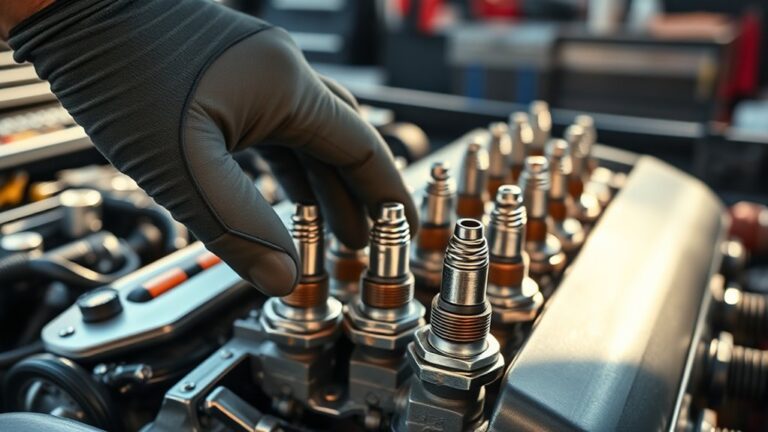
If your engine shakes when starting, start by checking the battery and starter for signs of weakness or corrosion. Inspect spark plugs for wear and replace them if needed, as faulty plugs can cause misfires.
Also, listen for unusual noises and look for vacuum leaks or damaged engine mounts.
Regular maintenance helps prevent these issues, but if the problem persists, more in-depth diagnostics might be necessary to guarantee your engine runs smoothly again.
Key Takeaways
- Check for engine misfires caused by faulty spark plugs or ignition coils and replace if necessary.
- Inspect the battery and starter for weakness or corrosion; jump-start or replace if needed.
- Examine spark plugs and fuel injectors for wear or clogging, and perform maintenance to restore proper function.
- Investigate engine mounts and vacuum leaks, repairing or replacing damaged components to reduce vibrations.
- Conduct regular vehicle maintenance, including checking fluid levels and listening for unusual noises, to prevent and identify issues early.
Why Is My Car’s Engine Shaking When Starting?
Have you ever noticed your car’s engine trembling when you start it up? This shaking usually points to engine misfire causes, which disrupt smooth engine operation. During startup, if your engine isn’t firing correctly, it can cause noticeable vibrations.
To figure out what’s going on, vibration diagnostics are really helpful. These tests can pinpoint whether the misfire is caused by faulty spark plugs, ignition coils, fuel injectors, or other parts. Sometimes, incomplete combustion from poor fuel delivery or worn-out spark plugs can make your engine shake.
Ignition system problems or vacuum leaks might also be contributing to the issue. Catching these signs early lets you address the root causes before more serious damage happens. Proper diagnostics help you understand why your engine is trembling and guide you to effective repairs.
This way, you can enjoy smoother starts and better engine performance overall.
How Do I Know If My Battery or Starter Is Causing the Shake?
Wondering if your battery or starter might be causing the engine shake when starting? Start by doing a simple battery test. Check if your headlights or interior lights dim when you turn the key. If they do, your battery might be weak or dead, making it hard for the engine to turn over smoothly.
Next, take a look at the starter. Listen for clicking sounds or a slow crank when you try to start the car. These signs could mean your starter is acting up. If the engine has trouble turning over or stalls soon after starting, your starter could be failing.
Also, check the age and condition of your battery. If it’s old or has corrosion, it’s probably time for a replacement or recharge. Sometimes, jump-starting your vehicle can help you figure out if the battery is the problem.
If the shaking continues despite these checks, it’s best to see a mechanic for a thorough diagnosis. Figuring out if the battery or starter is causing the issue can save you time and prevent further damage.
Are Faulty Spark Plugs Making My Engine Jerk?
Could faulty spark plugs be the culprit behind your engine jerking? Yes, worn or damaged spark plugs can mess with the ignition system, causing rough starts and engine shakes. When spark plugs aren’t working right, they lead to incomplete combustion, making your engine stumble or jerk during startup.
Different spark plug types—copper, platinum, or iridium—wear out at different rates, but all can cause issues if you ignore them. Keep an eye out for signs like misfiring during startup or while idling, rough idling or shakiness that won’t go away, and difficulty starting the engine or needing multiple tries.
When spark plugs aren’t firing properly, the ignition system struggles to ignite the fuel-air mixture efficiently. Replacing worn spark plugs with the right type for your vehicle can help restore smooth engine operation and prevent jerking during startup. Regular maintenance keeps your ignition system in top shape and avoids these frustrating shakes.
Could Fuel Delivery Problems Be Behind My Car’s Rough Start?
When your car struggles to start smoothly, fuel delivery issues might be the hidden culprit. A failing fuel pump can’t supply enough fuel to the engine, causing rough starts or hesitation.
Fuel delivery issues can cause rough starts and hesitation—regular maintenance helps keep your engine running smoothly.
If the fuel pump isn’t working properly, your engine may struggle to get the consistent flow it needs for a smooth ignition. Injector issues can also disrupt fuel delivery directly at the engine.
Dirty or clogged fuel injectors can prevent proper atomization of fuel, leading to uneven combustion and engine shaking. You might notice your engine sputters or stalls shortly after starting.
To diagnose these problems, listen for a whining noise from the fuel tank or check for a drop in fuel pressure. Regular maintenance like replacing a worn fuel pump or cleaning injectors can prevent these issues from causing trouble during startup.
Addressing fuel delivery problems early helps ensure your engine runs smoothly from the moment you turn the key.
Do Worn Engine Mounts Cause Shaking When Starting?
Worn engine mounts can definitely make your car shake more when you start it up. They help keep the engine steady, so if they’re worn out, you might feel increased vibrations right when you turn the key.
You might also notice some weird noises or the engine feeling less stable than usual. If these things start happening, it’s a good idea to have your engine mounts checked out to see if they need replacing.
Impact on Engine Stability
Worn engine mounts can significantly affect your vehicle’s stability, especially when starting the engine. When mounts start to deteriorate, they allow excessive engine movement, which impacts overall performance and stability.
This movement can cause uneven vibrations, making the engine feel loose or unsteady. You might notice more shaking during startup, rough idling, or strange noises like clunks.
These signs show that your engine isn’t securely held in place, which can affect handling and comfort. As a result, engine stability suffers, leading to less smooth driving.
Fixing worn mounts helps restore stability, ensuring your engine runs smoothly and vibrations are reduced. This ultimately makes your driving experience more comfortable and reliable.
Signs of Mount Wear
If your engine starts to shake more than usual, it’s a strong sign that your engine mounts might be wearing out. You should perform a mount inspection to see if worn mounts are causing the excessive vibration.
Common signs include cracked or broken mounts that can’t absorb engine movements effectively. Watch for irregular shaking during startup or idling, which often points to mount deterioration.
| Signs of Mount Wear | What It Means |
|---|---|
| Excessive vibration | Mounts aren’t absorbing engine force effectively. |
| Clunking noises | Worn mounts may be loose or broken. |
| Engine movement | Increased engine shift during start. |
| Visible damage | Cracks or worn rubber components. |
How Can Vacuum Leaks or Air Intake Issues Lead to Engine Vibration?
Vacuum leaks or air intake issues can cause your engine to shake when starting because they throw off the proper air-fuel mixture needed for smooth running. When there are leaks in the air intake system, unmetered air gets in, which disrupts the balance.
Vacuum leaks or air intake problems disrupt the air-fuel mix, causing engine shaking during startup.
This imbalance leads to uneven combustion, making the engine vibrate during startup. You might hear hissing sounds near the intake manifold, which can indicate vacuum leaks. You may also notice rough idling or trouble starting the engine.
Other signs include decreased fuel efficiency and a drop in engine power. These issues make the engine work harder to stay stable, causing it to shake. Vacuum leaks let extra air bypass sensors, confusing the ECU and leading to improper fuel delivery.
Similarly, a faulty air intake can restrict airflow, causing inconsistent engine behavior. Fixing these problems ensures the engine gets the right mixture, which helps reduce vibrations and improves overall performance.
When Should I Seek Professional Help for Engine Shaking?
You should seek professional help for engine shaking if the problem keeps happening even after trying basic fixes or if it gets worse over time. Persistent shaking can point to underlying issues that need thorough engine diagnostics.
Ignoring these signs might lead to more serious engine damage or costly repairs later on. If your vehicle continues to shake during startup or when idling, it’s a good idea to see a mechanic.
A professional can accurately identify what’s causing the problem, whether it’s spark plugs, fuel delivery, or other engine parts. They use special diagnostic tools to quickly find the fault and fix it.
Don’t wait too long, especially if the shaking comes with rough running, strange noises, or a drop in performance. Getting help promptly ensures your engine gets properly checked and repaired, helping to keep things running smoothly and avoid further damage.
What Are Some Easy Maintenance Tips to Prevent Starting Shakes?
Want to keep your engine running smoothly and avoid those annoying starting shakes? Well, it’s pretty simple—just make sure to do regular engine checks and catch any problems early on. Using good quality fuel can also make a big difference in how your engine performs and help cut down on vibrations.
And don’t forget about your spark plugs! Replacing them when they’re worn out ensures your engine ignites properly, giving you those smoother, hassle-free starts you’re after. Just a few easy steps, and your car will thank you!
Regular Engine Checks
Regular engine checks are essential for keeping your starts smooth and avoiding shakes, especially when turning on your vehicle. Regular inspections help catch problems early and make sure your engine performs well.
During these checks, focus on key areas like spark plugs, air filters, and fluid levels. Proper engine maintenance keeps everything in top shape, reducing the chances of rough starts.
Think of your engine as a finely-tuned machine: spark plugs firing smoothly and consistently, clean air filters ensuring proper airflow, and adequate fluid levels for peak performance.
Doing these simple maintenance tasks regularly can prevent starting shakes and help your engine last longer. This way, every start feels smooth and reliable.
Use Quality Fuel
Using high-quality fuel is a simple yet effective way to prevent your engine from shaking when starting. Choose fuel with the right octane rating for your vehicle, as lower-quality fuel can cause misfires and rough starts. Always check your owner’s manual for recommended fuel specifications.
Using premium fuel might cost more upfront, but it can improve engine smoothness and longevity. Opting for the correct fuel guarantees ideal combustion, reducing vibrations during startup.
Here’s a quick guide to fuel quality and octane ratings:
| Fuel Quality | Octane Rating |
|---|---|
| High-quality | 87-91 |
| Standard | 85-87 |
| Premium | 91+ |
Avoid cheap or low-octane fuels to keep your engine running smoothly and prevent starting shake issues.
Replace Spark Plugs
Replacing your spark plugs is a simple way to keep your engine running smoothly and prevent starting shakes. Over time, they can wear out or get dirty, leading to misfires and rough starts.
When you’re replacing them, think about the different types—copper, platinum, or iridium—that suit your vehicle’s needs for longevity and performance.
Here are some tips for installing new spark plugs: Use the right type specified in your owner’s manual. Gently thread the new plugs by hand first before tightening with a socket wrench.
You can also apply a small amount of dielectric grease to the boot for easier removal and a better connection.
Following these steps helps ensure a proper fit, reduces misfires, and keeps your engine steady when starting.
How to Safely Diagnose and Troubleshoot Your Car’s Starting Problems
When your car engine shakes upon starting, it’s a clear sign that something isn’t functioning properly. Troubleshooting safely is essential to avoid further damage or personal injury.
First, listen for unusual engine noise, which can indicate misfires, worn components, or other issues affecting starting. Check the battery terminals for corrosion or loose connections, as starting problems often stem from poor power supply.
If the engine struggles to turn over or stalls immediately, inspect the fuel system and spark plugs. Make sure they’re clean and functioning correctly. Use a flashlight to examine belts and hoses for cracks or leaks, which can cause instability during startup.
Always work in a well-ventilated area and avoid touching moving parts when the engine is hot. If you’re unsure or the problem persists after basic checks, it’s safest to consult a mechanic rather than attempting complex repairs yourself.
Common Signs That Indicate You Need a Mechanic
If your engine starts vibrating oddly or just doesn’t want to start smoothly, that’s a pretty good sign something’s off. Don’t ignore it — it’s your car’s way of telling you something’s not quite right.
And if you see warning lights pop up on your dashboard, it’s definitely time to get it checked out by a mechanic. Catching these issues early can save you a lot of money and hassle later on.
Unusual Engine Vibrations
Unusual engine vibrations are a clear sign that something’s off with your vehicle and often mean you should see a mechanic. These vibrations can affect your engine’s performance and hint at underlying issues.
Vibration causes vary, including misfiring cylinders, worn motor mounts, or fuel system problems. When you notice irregular shaking, it’s important to identify the cause early.
Look out for visual cues like shaking or trembling during startup or acceleration, unusual noises with the vibrations, or fluctuating engine RPMs and inconsistent idle.
These signs point to potential problems like ignition issues or engine imbalance. Addressing vibration causes quickly helps prevent further damage and keeps your engine running smoothly.
Ignoring these symptoms can lead to costly repairs or breakdowns later on.
Difficulty Starting Car
Difficulty starting your car can be a clear warning sign that something’s wrong under the hood. You might notice unusual engine noises or a slow, labored cranking sound when turning the key.
These symptoms often point to starter issues or battery problems. If your engine struggles to turn over or takes longer than usual to start, it’s a sign you need to get it checked out.
Repeated difficulty starting can also cause further damage, making repairs more costly. Don’t ignore these signs—timely diagnosis can save you from unexpected breakdowns.
If you hear strange noises or experience persistent trouble igniting your engine, it’s best to see a mechanic. They can identify and fix the underlying problem before it gets worse.
Warning Light Activation
Noticing warning lights on your dashboard is one of the quickest ways to spot that there’s a problem needing a mechanic’s attention. When a warning light comes on, it usually points to issues with the engine, transmission, or emissions system.
Warning light causes can include rough idling, strange noises, or lower fuel efficiency. A flashing check engine light is a sign that something serious needs checking out. Other warning signs are the oil or battery lights turning on.
Ignoring these signals can lead to bigger damage or even breakdowns. It’s always best to get these warning light causes diagnosed quickly so your car keeps running smoothly.
Frequently Asked Questions
Can Cold Weather Cause My Engine to Shake When Starting?
Cold temperatures can definitely cause your engine to shake when starting. When it’s chilly outside, engine oil thickens, making it harder for engine parts to move smoothly. This can lead to rough starts and shaking.
Cold weather can also impact fuel vaporization and battery performance, which can further affect how your engine runs. To reduce shaking, try using a block heater, keep your fluids at proper levels, and make sure your battery is in good shape.
Does a Clogged Fuel Filter Affect Engine Starting Vibrations?
A clogged fuel filter can affect engine starting and cause vibrations. When the fuel filter shows symptoms like difficulty starting, sputtering, or decreased engine performance, it often leads to uneven fuel flow. This uneven flow causes vibrations during startup.
These vibrations happen because of inconsistent fuel delivery, which stresses engine components. Replacing a dirty or clogged fuel filter can improve engine smoothness, reduce vibrations, and ensure proper fuel flow for reliable starts.
Can Recent Repairs Cause My Engine to Shake When Starting?
Think of your engine like a freshly tuned instrument. Recent repairs can sometimes cause it to shake during startup.
If you’ve had mechanical issues or ignition problems fixed recently, improper reassembly or loose connections might be the culprit. These adjustments can disturb the engine’s balance, leading to shaking.
Double-check all connected parts, especially ignition components, and consider returning to your mechanic to verify everything’s properly aligned and secure.
Is Engine Shaking More Common in Older Vehicle Models?
Engine shaking is more common in older vehicle models because of increased engine wear over time. As parts age, they can become loose or less efficient, leading to instability during startup.
Regular maintenance tips like checking spark plugs, belts, and engine mounts can help reduce shaking. Staying on top of oil changes and fixing issues early keeps your engine running smoothly.
This not only prevents excessive vibration but also helps prolong your engine’s lifespan.
How Does Low Oil Level Impact Engine Startup Vibrations?
Think of low oil level as a silent thief stealing your engine’s strength. When oil is low, oil pressure drops, leading to increased engine wear and shaky starts.
This lack of lubrication makes the engine parts struggle to move smoothly, which causes vibrations during startup. To avoid this, check your oil regularly and top it off if needed.
Keeping your engine well-lubricated helps ensure smooth starts and keeps your car running smoothly.
Conclusion
If your engine shakes when starting, don’t ignore it—timely diagnosis can save you from costly repairs. For example, a driver noticed persistent shaking, which turned out to be worn engine mounts. After replacing them, her car ran smoothly again.
Regular maintenance and attentive troubleshooting can keep your engine running steady. Remember, if in doubt, consulting a professional guarantees your vehicle’s health and your safety on the road.
When your engine shakes during startup, addressing the issue early is key. Ignoring it might lead to bigger problems down the line. So, if you notice your engine is shaky when starting, it’s best to get it checked out promptly.