Car Overheat When AC Is On? Here Is Why
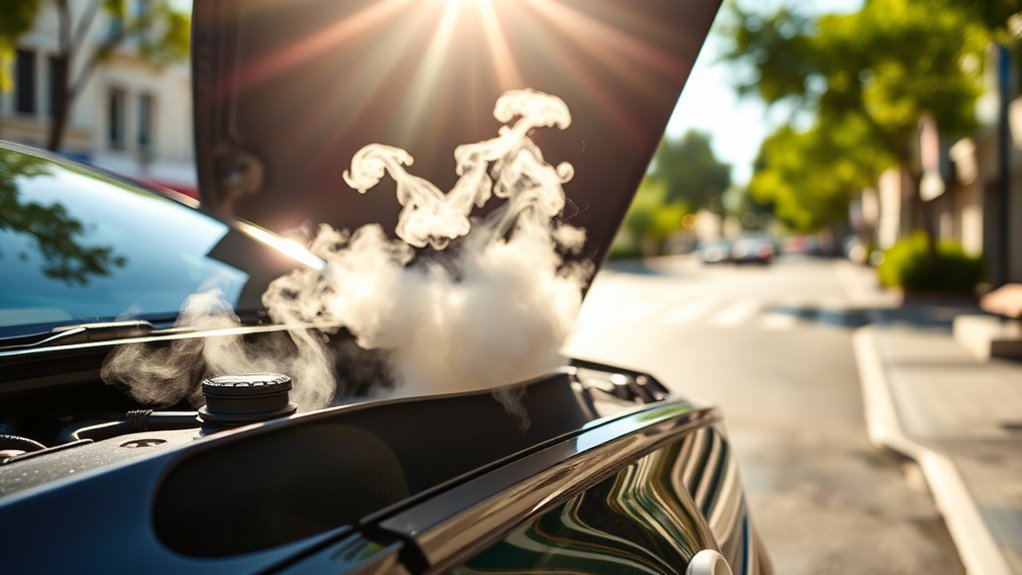
Many drivers have experienced the frustration of their car overheating when the AC is on. It’s a common problem that can leave you worried about your vehicle’s health and safety on the road. If you’re struggling with this, you’re not alone—many people face the same issue.
When your car overheats with the AC on, it’s usually because the cooling system is struggling to handle the extra load. The AC compressor demands more power, putting strain on the engine and cooling components like the radiator and water pump.
Worn belts, a dirty condenser, or failing fans can also hinder heat dissipation.
If you want to find out what might be causing this issue and how to fix it, keep exploring for more details.
Key Takeaways
- The AC compressor puts extra load on the engine, making it work harder and generate more heat, which can lead to overheating.
- Worn or loose belts can mess with the water pump and compressor, reducing how well your cooling system works.
- A dirty condenser blocks airflow, lowering its ability to cool down the system and increasing engine temperature.
- If the radiator, fan, or thermostat aren’t functioning properly, they can’t dissipate heat effectively when the AC is on.
- Hot outside temperatures put more strain on the cooling system, making overheating more likely when you have the AC running.
Why Does Your Car Overheat When You Turn on the AC?
When you turn on your car’s AC, the engine has to work harder to power the additional cooling system. This extra effort can cause it to overheat.
The compressor demands more power from the engine to run efficiently. If your engine is already stressed or not running well, this added load can push it toward overheating.
Hotter weather makes things worse—when it’s hot outside, the radiator has to work harder to dissipate heat. This makes overheating more likely when the AC is on.
As the outside temperature rises, your engine’s cooling system becomes less effective. This strains the system, especially if it’s not in great shape.
How the Cooling System Keeps Your Engine Cool During AC Use
Your vehicle’s cooling system is crucial for preventing engine overheating, especially when you’re using the AC. It keeps the engine at the right temperature by working with several components.
When you turn on the AC, the engine has to work harder, which means it produces more heat. The cooling system kicks into gear to handle this extra heat and stay efficient.
Here’s how it works:
| Component | Function | Effect on Cooling Efficiency |
|---|---|---|
| Radiator | Dissipates heat from coolant into the air | Helps control engine temperature |
| Water Pump | Circulates coolant throughout the engine | Ensures consistent cooling |
| Thermostat | Regulates coolant flow based on temperature | Prevents overheating or overcooling |
All these parts work together to keep your engine running smoothly, even when the AC puts more demand on the cooling system.
Signs Your Radiator or Coolant System Is Failing
A failing radiator or coolant system can quickly lead to engine overheating, especially during hot days or heavy use. One clear sign is coolant leaks. If you notice a puddle under your car or low coolant levels, your system might be compromised.
Another warning is radiator blockages. These prevent proper coolant flow and cause hot spots within the engine. You might also see the temperature gauge spike suddenly or notice steam escaping from the engine bay.
Radiator blockages cause hot spots, sudden temperature spikes, and steam from the engine bay.
Unusual smells or an overheating warning light are additional indicators. If your heater isn’t providing warmth, it could be linked to coolant problems or blockages.
Pay attention to these signs because ignoring them can lead to severe engine damage. Regular inspections of your radiator and coolant levels are key to catching issues early.
When you notice these signs, it’s best to get your cooling system checked before overheating causes costly repairs.
What the Thermostat Does to Prevent Overheating
The thermostat plays an essential role in maintaining your engine’s ideal temperature by regulating coolant flow. Its main job is to open or close based on the engine’s temperature, allowing coolant to circulate when needed to prevent overheating.
When the engine warms up, the thermostat opens, letting coolant flow through the radiator to dissipate heat. Once the engine reaches the right temperature, it closes to keep the heat in, making sure everything runs efficiently.
There are different types of thermostats, like wax pellet and electronic ones, each designed to respond accurately to temperature changes. This control is especially important when your AC is on, as it helps manage the extra heat generated.
How Worn or Loose Belts Can Cause Overheating
Worn or loose belts can directly impact your engine’s cooling system, leading to overheating issues. When the belt tension is off, it may slip or fail to turn essential components like the compressor and water pump.
Over time, belts show wear indicators such as cracks, fraying, or glazing, signaling they need replacement. If these belts are too loose, they won’t transfer power efficiently, causing the water pump to run slower or stop altogether.
This reduces coolant circulation, allowing engine temperatures to rise rapidly. Conversely, overly tight belts can strain pulleys and bearings, leading to further mechanical problems.
Regularly inspect your belts for signs of wear and proper tension. Replacing worn or loose belts promptly guarantees your cooling system functions smoothly, preventing overheating, especially when the AC is on.
Proper belt maintenance is key to keeping your engine cool under all driving conditions.
Could a Bad Water Pump Be Causing Your Engine to Overheat?
Could a failing water pump be the culprit behind your engine overheating? Absolutely. The water pump plays a crucial role in circulating coolant to keep your engine at a safe temperature.
When the water pump fails, it can’t move coolant effectively through the engine and radiator. This causes heat to build up, leading to overheating. You might notice leaks near the pump or hear a whining noise—both signs of water pump problems.
If coolant isn’t circulating properly, your engine will struggle to dissipate heat, especially when the AC is on, which adds extra load. Ignoring these signs can cause serious engine damage.
Replacing a bad water pump restores proper coolant flow and prevents overheating. Regular maintenance and inspections can help catch water pump issues early, saving you from costly repairs later on.
If your engine runs hot with the AC on, a faulty water pump could very well be the cause.
How a Dirty Condenser Affects Your Engine’s Cooling
A dirty condenser can really hurt your vehicle’s cooling system, especially when the engine is working hard with the AC on. When dirt, debris, or bugs block the condenser, airflow gets obstructed. This makes it harder for the radiator to get rid of heat effectively.
A clogged condenser hampers airflow, risking engine overheating and reduced AC efficiency. Regular cleaning is essential.
As a result, the refrigerant can’t cool the air entering your cabin properly, and your engine may struggle to stay at a safe temperature. Without good airflow, the condenser can’t release heat efficiently, leading to higher engine temperatures and possible overheating.
Regularly cleaning the condenser helps prevent airflow issues and keeps your cooling system running smoothly. Ignoring this maintenance can cause your AC to work less efficiently and your engine to overheat, especially during hot days or long drives.
Keeping the condenser clean is a simple but important step to maintain your vehicle’s overall cooling performance.
How to Tell If Your Fans Are Failing and What to Do About It
Your vehicle’s cooling fans help keep the engine at the right temperature, especially when the AC is on or it’s really hot outside.
To tell if your fans are failing, listen for strange noises or notice if the engine overheats more often.
You can also check if the fans aren’t turning on when the engine reaches the right temperature or when you turn on the AC.
Different types of fans, like electric or mechanical, might show different signs of trouble.
For electric fans, look for blown fuses, bad relays, or faulty wiring—these can stop the fan from turning on.
Mechanical fans might have a seized clutch or broken blades, which prevent them from working properly.
If your fans seem to be failing, replacing them is usually the best move.
A new fan ensures proper airflow and helps prevent overheating, especially when the AC is running.
Regular inspections can catch fan problems early, helping you keep your engine cool and running smoothly.
Maintenance Tips to Prevent Overheating When Using the AC
To prevent overheating when using the AC, regular vehicle maintenance is essential. Start by checking coolant levels and topping up if needed, as low coolant can cause the engine to overheat.
Perform regular inspections of hoses to spot cracks or leaks that may impair cooling. Consider system flushes to remove debris and improve radiator efficiency, ensuring proper heat dissipation.
Keep an eye on fan operation; a faulty fan won’t cool the radiator effectively. Conduct thermostat checks to confirm it opens and closes at the right temperature, preventing overheating.
Pressure tests can identify leaks or blockages in the cooling system, helping maintain ideal pressure and prevent overheating episodes. Regular maintenance of these components helps your cooling system work smoothly.
This is especially important when the AC is on, as it reduces the risk of overheating and keeps your vehicle running reliably.
When to Seek Professional Help for Car Overheating Issues
If your car keeps overheating even after you’ve tried a few basic fixes, it’s probably a good idea to take it to a mechanic. Sometimes, the problem isn’t obvious, and a professional can diagnose what’s really going on.
Also, keep an eye out for any strange engine noises or leaks from the cooling system—that’s often a sign that something’s wrong and needs urgent attention. Don’t just brush it off; persistent overheating can lead to serious engine damage if left unchecked. Better to get it checked out sooner rather than later!
Persistent Overheating Symptoms
Persistent overheating symptoms that don’t improve despite basic troubleshooting are a clear sign you should seek professional help. If your temperature gauge stays high even after topping off coolant levels, it points to underlying issues.
High engine load, like climbing steep hills or towing heavy loads, can cause overheating. But if the temperature remains high during normal driving, that’s a problem. You might notice steam or a burning smell, which signals severe overheating.
Ignoring these signs can damage your engine. If symptoms persist despite checking coolant levels and reducing engine load, it’s time to see a mechanic. They can run diagnostics to find issues like a failing thermostat, water pump, or radiator problems that simple fixes can’t fix.
Unusual Engine Noises
Unusual engine noises often signal that your car is struggling with overheating issues, and ignoring them can lead to serious damage. If you notice engine vibrations, strange sounds, or unusual smells, it’s time to seek professional help. Here are signs to watch for:
- Grinding or squealing noises can indicate belt issues or coolant pump failures.
- Loud knocking or banging suggests engine components are overheating or misfiring.
- Unusual smells, like burnt rubber or coolant fumes, may show possible leaks or overheating.
- Vibrations that get stronger when the AC is on could be a sign of engine stress or cooling system problems.
These symptoms should never be ignored. Early diagnosis can help prevent costly repairs.
Visible Cooling System Leaks
Visible cooling system leaks are clear signs that your car needs immediate attention. If you notice puddles or wet spots under your vehicle, it’s time to evaluate leak detection.
Coolant leaks can come from worn hoses, radiator cracks, or loose clamps, regardless of whether you’re using ethylene glycol or propylene glycol. These leaks reduce the coolant level and impair your cooling system’s ability to regulate engine temperature.
Don’t ignore visible signs, especially when the AC is on, as overheating can happen quickly. If you see bright green, orange, or pink fluid pooling beneath your car, have it checked by a professional.
Prompt leak detection and repair can prevent further damage, ensuring your engine stays cool and your vehicle runs smoothly.
Frequently Asked Questions
Can Low Coolant Cause Overheating Only When AC Is On?
Yes, low coolant can cause your car to overheat only when the AC is on. When the AC runs, it puts extra strain on your cooling system, making coolant leaks or thermostat issues more noticeable.
If your coolant level is low, the engine struggles to stay cool, especially during AC use. Check for leaks and have your thermostat inspected to prevent overheating and potential engine damage.
Does Engine Oil Level Affect Overheating During AC Use?
Yes, engine oil level and quality can affect overheating during AC use. If your oil has poor viscosity or degraded quality, it won’t lubricate engine parts effectively, which can lead to increased heat.
When the AC runs, the engine works harder, creating more heat. Low or poor-quality oil makes cooling less effective, so overheating becomes more likely.
Regular oil checks and using the right viscosity oil can help prevent overheating issues when your AC is on. Keeping your engine properly lubricated is key to staying cool.
Can a Clogged Radiator Cap Lead to Overheating With AC On?
A clogged radiator cap can definitely cause overheating when your AC is on. It’s a sneaky issue that messes with radiator maintenance and disrupts the cooling system’s balance.
When the cap isn’t sealing properly, pressure builds unpredictably, risking engine temperature spikes. Keep a close eye on your radiator cap’s condition—replacing it when needed safeguards your cooling system and prevents those dreaded overheating moments during hot days.
How Does Ambient Temperature Influence Engine Overheating With AC?
Higher ambient temperatures increase your engine’s heat load, making it harder for your cooling system to dissipate heat effectively.
When the outside temperature rises, your engine faces greater heat dissipation challenges, especially with the added engine load from the AC compressor.
This can lead to overheating because the cooling system struggles to keep engine temperatures in check, causing your car to overheat more easily in hot weather.
Are Aftermarket AC Systems More Prone to Causing Engine Overheating?
You might find aftermarket AC systems more prone to causing engine overheating, especially if their reliability isn’t as high as OEM parts.
Studies show that improper installation quality greatly increases overheating risks.
While aftermarket systems can be cost-effective, poor installation or subpar components often lead to cooling issues under load.
To avoid overheating, prioritize reputable brands and professional installation to ensure your system’s reliability and proper performance.
Conclusion
If your car overheats when you turn on the AC, it’s like a warning bell in a symphony—your engine’s trying to tell you something’s amiss. Regular maintenance, checking belts, coolant, and fans, and addressing issues promptly can keep your engine cool under pressure.
Think of it as tending a delicate garden. With care and attention, your car will run smoothly, even when the heat’s turned up. Keep an eye on these signs, and your engine will thank you, especially if you notice overheating when the AC is on.