Recognizing Overfill Engine Oil Symptoms: A Guide to Avoiding Vehicle Damage
Many car owners have faced the frustrating experience of dealing with engine oil issues, and overfilling your engine oil is a common mistake. If you’ve ever been worried about damaging your engine or just want to keep your vehicle running smoothly, you’re not alone.
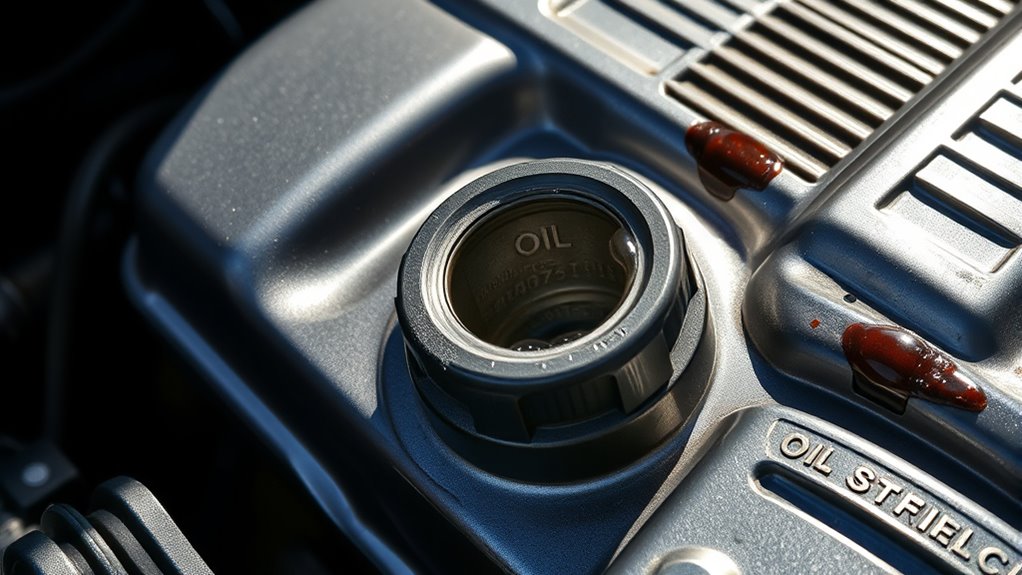
Recognizing overfill engine oil symptoms is key to avoiding costly repairs. If your engine oil level is overfilled, you might notice unusual engine noises, excessive smoke from the exhaust, or oil nearby under your vehicle.
You could also feel vibrations or see foaming oil during checks. Ignoring these signs can lead to serious engine damage, so it’s essential to identify overfill symptoms early.
Continue exploring to uncover how to properly diagnose and fix overfilled oil, helping your engine run smoothly and avoid costly repairs.
Key Takeaways
- Unusual engine noises like knocking or ticking may indicate overfilled oil causing pressure issues.
- Excessive bluish or gray exhaust smoke suggests oil foaming or burning due to overfill.
- Oil spots or puddles under the vehicle can signal oil leaks from overfilled engine oil.
- Engine vibrations or loud sounds may result from improper lubrication caused by overfill.
- Checking the oil level on a level surface when the engine is cool helps confirm if the oil exceeds the maximum mark.
Why Is Proper Engine Oil Level Important for Your Car?
Maintaining the correct engine oil level is vital because it guarantees your engine runs smoothly and efficiently. When the oil level is right, it ensures proper oil viscosity, which helps lubricate engine parts effectively.
Too little oil can cause increased friction, leading to overheating and accelerated wear. On the other hand, too much oil can cause foaming, which reduces lubrication quality.
Insufficient oil causes friction and overheating, while excess oil leads to foaming and poor lubrication.
Proper oil levels also help maintain engine temperature and prevent corrosion. Checking and maintaining the right oil level regularly is key to extending your engine’s longevity.
When your engine runs with ideal oil, it performs better, uses fuel more efficiently, and lasts longer. Confirming the correct oil level isn’t just about avoiding damage; it’s about keeping your engine healthy over time.
How to Check Your Engine Oil Level Safely and Accurately
Sure! Here’s a more conversational version of the text:
To check your engine oil level safely and accurately, first make sure your car is parked on a flat surface and that the engine is turned off. It’s a good idea to wait a few minutes after turning the engine off so the oil can settle.
Next, grab a clean cloth or paper towel and use it to wipe the dipstick clean. Then, reinsert the dipstick all the way in, and pull it out again to check the oil level. When you do, just be careful handling the dipstick to avoid any spills.
Keep an eye on the oil level—if it’s low, you might need to add some. And remember, don’t overfill, since too much oil can cause engine trouble.
Proper Checking Technique
Checking your engine oil level correctly is essential for accurate readings and engine health. Start by parking your vehicle on a level surface and turning off the engine. Wait a few minutes for the oil to settle.
Use the oil dipstick technique: pull out the dipstick, wipe it clean, then reinsert it fully. Remove it again to check the oil level indicators. Confirm the oil mark is between the minimum and maximum lines.
Use the table below to understand the readings:
| Oil Level Indicator | Meaning | Action |
|---|---|---|
| Below minimum | Low oil, add oil immediately | Top up to recommended level |
| Between min/max | Oil level is adequate | No action needed |
| Above maximum | Overfilled, drain excess | Remove excess oil |
Always check oil levels with a clean cloth to avoid false readings.
Safe Handling Tips
Ensuring you handle your engine oil correctly while checking the level helps prevent mistakes that could harm your engine. Always use a clean rag or paper towel to wipe the dipstick before checking, so you get an accurate reading.
When removing the dipstick, do so carefully to avoid spills. If you need to add oil, pour it slowly and in small amounts to prevent overfilling. Be mindful of proper oil handling by avoiding contact with skin and eyes, and wash your hands afterward.
After checking, securely replace the dipstick. When disposing of used or excess oil, follow safe disposal practices by taking it to a recycling center or authorized disposal site. Proper oil handling and disposal protect your vehicle and the environment.
Signs Your Engine Oil Might Be Overfilled
If your engine oil is overfilled, you might start to notice some odd noises or knocking sounds coming from the engine. It can sound pretty strange, and that’s often a sign something’s not quite right. You might also see more smoke than usual coming out of the exhaust, which isn’t typical.
Another thing to look out for is oil spots under your vehicle. If you notice fresh oil on the ground, it could be because the oil level is too high. All of these signs suggest that your engine oil might be overfilled and that it’s a good idea to get it checked out and fixed soon.
Unusual Engine Noises
Unusual engine noises often serve as a warning sign that something’s wrong beneath the hood, especially when your engine oil is overfilled. Overfilling can increase oil viscosity, making it harder for the engine to get proper lubrication. This imbalance might produce specific sounds that alert you to a problem.
Loud knocking or ticking sounds usually mean the engine’s performance is compromised. This often happens due to excessive pressure or aeration caused by overfilled oil.
Whining or squealing noises can come from misaligned or struggling oil pumps working harder to circulate thick, overly viscous oil.
Rumbling or grinding sounds suggest engine components are under stress. This can risk damage from improper lubrication caused by oil overfill.
Excessive Exhaust Smoke
Excessive exhaust smoke is a clear sign that something’s off with your engine, potentially indicating overfilled oil. When your engine oil level is too high, it can cause oil to seep into the combustion chamber, leading to visible exhaust issues.
You’ll notice changes in exhaust color, often turning bluish or gray, and the smoke density will increase, making it thick and persistent. This excessive smoke signals that your engine is burning oil improperly, which can damage components over time.
If you see a surge in smoke or darker exhaust emissions, it’s a sign to check your oil level promptly. Ignoring these symptoms can lead to more serious engine problems, so always address unusual exhaust smoke quickly.
Oil Spots Under Vehicle
Noticing oil spots under your vehicle can be a sign that your engine oil level is too high. Overfilled oil can leak or seep, causing visible puddles under your car. To figure out if overfilling is the cause, consider these points:
- Location and size of the oil spots—small, fresh puddles directly beneath the engine suggest a potential issue.
- Color and consistency—bright, clean oil indicates recent overfill and possible leakage.
- Engine performance—if your vehicle runs rough or you smell burning oil, overfilling might be the cause.
Regularly checking your oil levels and avoiding overfilling during oil changes can help prevent damage. Recognizing these signs early keeps your engine running smoothly.
What Causes Overfilling and How Can You Prevent It?
Overfilling engine oil often happens when you or a mechanic add too much during a routine oil change or top-up, usually because of misreading the dipstick or misjudging the amount needed. To prevent this, understanding your vehicle’s oil capacity is crucial.
Proper maintenance habits, like measuring oil accurately and checking the level regularly, can help avoid overfill issues. An inaccurate measurement or infrequent checks increase the risk of overfilling.
| Cause | Prevention Strategy | Key Point |
|---|---|---|
| Misreading the dipstick | Use precise measurement tools and follow oil capacity guidelines | Guarantees correct oil level |
| Poor maintenance habits | Check oil level frequently, especially after oil changes | Maintains proper oil amount |
| Inconsistent checking frequency | Develop a routine to monitor oil regularly | Prevents overfill from unnoticed levels |
Risks of Ignoring Overfilled Oil Symptoms
Ignoring overfilled oil can really cause some serious problems for your engine. When you don’t catch it early, it can lead to parts wearing out faster or even breaking down completely. Nobody wants to deal with those costly repairs, right?
Plus, overfilled oil can increase the emissions coming from your vehicle. That’s not just bad for the environment, but it could also cause your car to fail emissions tests, which might leave you with some fines or the need for repairs.
Engine Damage Risks
When you neglect to address overfilled engine oil, you risk causing significant damage to your engine’s fundamental components. Excess oil can increase pressure, putting strain on seals and gaskets and potentially causing leaks. It also disrupts lubrication, which hampers engine performance and can lead to overheating and faster wear.
Ignoring overfill symptoms can undermine your maintenance routines and result in costly repairs.
Consider these risks:
- Engine overheating caused by poor lubrication and increased friction.
- Damage to piston rings and valves from excessive pressure and oil foaming.
- Reduced engine lifespan as key parts wear out faster.
Properly managing oil levels is essential for keeping your engine running smoothly and avoiding severe damage.
Increased Emission Levels
If engine oil is overfilled, it can lead to increased emissions from your vehicle. When there’s too much oil, it can cause the piston rings to work improperly, leading to incomplete combustion.
This hampers your vehicle’s emission control system, which then releases higher levels of pollutants into the environment. Ignoring overfilled oil symptoms can also cause unburned fuel and oil vapors to escape through the exhaust, harming air quality.
Not only does this impact the environment, but it can also cause your vehicle to fail emissions tests and potentially damage components like the catalytic converter. To protect the environment and keep your vehicle running well, it’s important to address overfill issues quickly and keep emissions within legal limits.
How Overfilled Oil Can Damage Your Engine
Overfilling your engine oil might seem harmless, but it can cause serious damage. Excess oil creates foam, which reduces its viscosity and makes proper lubrication harder.
Overfilling engine oil causes foam, reducing lubrication and risking serious engine damage.
This can lead to increased friction and wear on engine parts. Plus, overfilled oil can become aerated, where air mixes in, speeding up oil breakdown and lowering its protective qualities. The crankshaft might whip the excess oil into foam, making lubrication even worse.
Here are three ways overfilling hurts your engine:
- Reduced Oil Viscosity: Foam lowers the oil’s ability to coat engine parts, increasing friction.
- Oil Degradation: Aeration speeds up breakdown, shortening oil life and effectiveness.
- Engine Damage: Poor lubrication causes overheating, more wear, and even engine failure.
Always keep the oil level within the recommended range to avoid these issues and keep your engine healthy.
Troubleshooting Steps If You Suspect Overfill
Suspecting that your engine oil might be overfilled? It’s important to act quickly to avoid damage. Start by checking the oil level with the dipstick. Make sure the vehicle is on a level surface and the engine is cool.
Remove the dipstick, wipe it clean, then reinsert it for an accurate reading. If the oil level is above the maximum mark, it’s a sign of overfill. Next, look for signs like oil foaming or excessive smoke from the exhaust, which can also indicate overfilled oil.
Pay attention to unusual engine noises or vibrations while driving. Regular maintenance, including monitoring oil levels, can help prevent these issues. If you confirm an overfill, avoid driving until you fix the oil level.
Overfilled oil can cause foaming, increased pressure, and even engine damage. Taking these troubleshooting steps quickly will help protect your engine and keep your vehicle running smoothly.
How to Drain Excess Engine Oil the Right Way
To safely remove excess engine oil, start by warming up your engine for a few minutes. This helps the oil flow more easily. Once the engine is warm, park your vehicle on a level surface and turn off the engine.
Use a drain pan and tools suitable for your vehicle’s drain plug. Carefully loosen the drain plug with a wrench, allowing the excess oil to drain into the pan. Be cautious of hot oil to prevent burns.
When the flow slows down, tighten the drain plug securely to prevent leaks. Properly dispose of the drained oil by following local regulations. This prevents environmental hazards.
These drain techniques ensure safe removal of excess oil and help prevent damage. Always handle oil responsibly and avoid overfilling in the future to keep your engine healthy.
Tips for Maintaining the Correct Oil Level in Your Vehicle
Maintaining the correct oil level is key to keeping your engine running smoothly and lasting longer.
To check your oil, use the dipstick regularly. Make sure your vehicle is on a level surface and that the engine is cool or has been off for a few minutes.
Pull out the dipstick, wipe it clean, and insert it fully. Then, remove it again to see where the oil level lines up.
If the oil is below the minimum mark, add oil gradually using the recommended type for your vehicle.
After an oil change, double-check the level to ensure it’s within the right range. Avoid overfilling, as it can cause engine problems.
Make checking your oil a habit every few thousand miles or as suggested in your owner’s manual.
Proper maintenance helps prevent overfill issues and keeps your engine running smoothly for longer.
When to Seek Professional Help for Engine Oil Problems
While minor fluctuations in oil levels are normal, you should seek professional help if you notice persistent or severe engine oil problems. Ignoring these signs can lead to costly damage.
Persistent or severe oil issues require professional inspection to prevent costly engine damage.
You should consult professional mechanics if:
- You experience consistent oil consumption despite regular oil changes within recommended intervals.
- The oil appears unusually thick, dark, or contaminated, indicating the need for an expert assessment.
- You notice engine warning lights or strange noises that persist even after topping off the oil.
These signs suggest underlying issues that require a thorough inspection, rather than simple top-ups. Professional mechanics can diagnose problems like oil leaks, contamination, or internal engine wear that might not be obvious.
Addressing these issues promptly helps prevent engine damage and extends your vehicle’s lifespan. Always follow your vehicle’s recommended oil change intervals and seek expert advice if symptoms get worse beyond basic maintenance.
Frequently Asked Questions
Can Overfilled Engine Oil Cause Long-Term Engine Damage?
Yes, overfilled engine oil can cause long-term engine damage. When there’s too much oil, it can increase oil viscosity, making it harder for the engine to circulate properly.
This extra pressure can also damage engine seals, leading to leaks and other issues. Overfilling creates a risk of foaming and aeration, which reduces lubrication efficiency and accelerates wear.
Over time, these problems can seriously harm your engine’s health. So, it’s important to keep the oil level within the recommended range.
How Does Overfilling Affect Fuel Efficiency?
Overfilling your engine oil can lower fuel efficiency because it affects oil viscosity, making it too thick or too thin. This hampers engine performance.
When oil isn’t at the proper level, your engine works harder, which means it consumes more fuel.
This extra effort can lead to decreased mileage, higher emissions, and potential engine wear.
To keep your fuel efficiency optimal, make sure your oil level stays within the recommended range and avoid overfilling.
Are There Specific Vehicle Models More Prone to Overfilling Issues?
Like a knight battling dragons in a video game, you might find some vehicle models, especially older or budget-friendly ones, more prone to overfilling issues. These models often have less precise oil capacity specifications or less forgiving oil level checks.
When doing vehicle maintenance, always double-check the oil capacity for your specific car. Overfilling can cause damage, so stay vigilant and avoid the pitfalls of improper oil levels.
What Tools Are Best for Removing Excess Engine Oil Safely?
To safely remove excess engine oil, use oil extraction tools like a hand pump or syringe designed specifically for this task. These tools let you carefully extract the extra oil without risking spills or damage.
After you’ve removed the excess oil, make sure to dispose of it properly at a designated recycling facility. That way, you’re protecting the environment and following proper procedures.
Always wear gloves and work in a well-ventilated area to keep yourself safe and avoid inhaling fumes. Taking these precautions helps you handle the process responsibly.
Can Driving With Overfilled Oil Cause Immediate Engine Failure?
Driving with overfilled oil can cause immediate engine issues, including oil pressure spikes and foamy oil. These problems can damage key engine parts.
The excess oil may whip into a frothy mess, which impairs lubrication and can lead to parts grinding or overheating. It might not cause instant failure, but continued driving makes things worse.
Over time, this wears out your engine faster and could lead to costly repairs. Always remove any extra oil promptly to keep your engine healthy and avoid serious damage.
Conclusion
Keeping your engine oil at the right level isn’t just a minor detail. It’s the heartbeat of your vehicle’s health. Ignoring overfill symptoms can turn your engine into a ticking time bomb, risking costly damage and breakdowns.
Stay vigilant by checking your oil regularly. If you notice any issues, act promptly to prevent further problems. Proper oil levels are key to keeping your car running smoothly.
By maintaining the correct engine oil level, especially avoiding overfill, you’ll extend your vehicle’s lifespan and avoid unnecessary repairs. Recognizing overfill engine oil symptoms is essential to protect your car’s health.