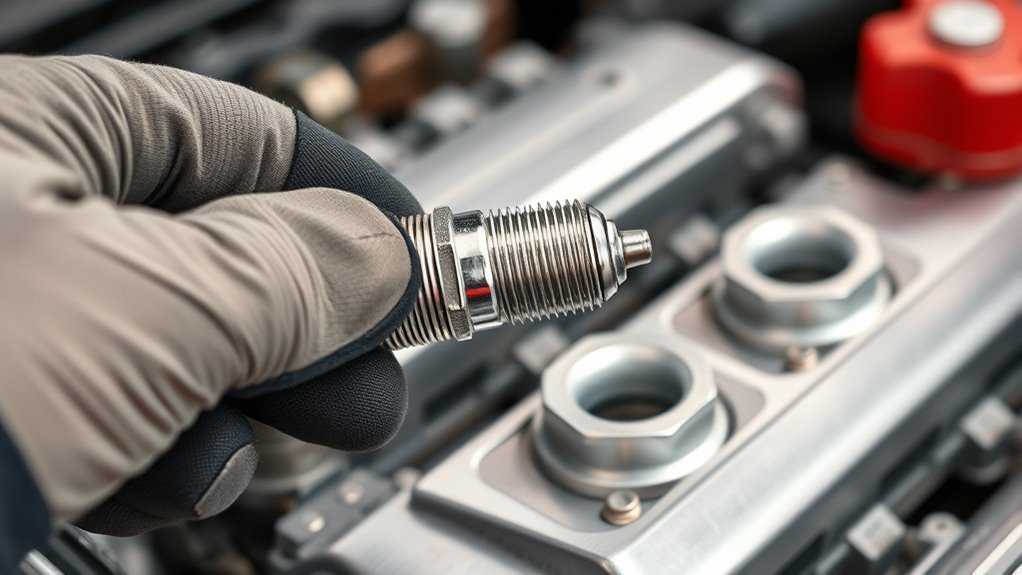
How to Tighten Spark Plugs: Step by Step Guide for Best Results
Are you tired of your car feeling sluggish or misfiring? Many drivers struggle with maintaining their engine’s performance, especially when it comes to spark plugs. Properly tightening those spark plugs is key to keeping your engine running smoothly, but it can be tricky if you’re not sure how to do it right.
To tighten your spark plugs properly, start by locating and removing them with a spark plug socket. Use a torque wrench to tighten each plug to the specified torque from your vehicle’s manual. Don’t overtighten, as this can crack the insulator, and avoid under-tightening to prevent misfires.
Check for signs of leaks or damage, replace gaskets if needed, and make certain all are secure.
Keep following this guide to master the full process and guarantee peak engine performance.
Key Takeaways
- Use a spark plug socket and ratchet to gently remove and install the plugs, making sure not to damage the ceramic insulator.
- Check your vehicle manual to find the correct torque specifications before tightening.
- Use a torque wrench to tighten the spark plugs until you hear a click or reach the recommended torque.
- Be careful not to over-tighten, as this can damage the threads or crack the spark plug.
- Finally, check for gasket leaks and make sure the plugs are seated properly for the best engine performance.
Why Properly Tightening Spark Plugs Matters for Your Engine’s Health
Properly tightening spark plugs is essential because loose or overly tight plugs can cause serious engine problems. When spark plugs aren’t secured correctly, your engine’s performance suffers.
Loose plugs may lead to misfires, rough idling, and reduced power, while overly tight plugs can crack or damage the ceramic insulator. Both issues can cause inefficient combustion, decreasing fuel economy and overall engine efficiency.
Loose spark plugs cause misfires and rough idling; over-tightening can crack the ceramic insulator, harming engine performance.
Maintaining the correct torque guarantees the spark plugs fit snugly, promoting ideal spark delivery and combustion. This improves engine performance and prevents potential damage to the cylinder head or threads.
Moreover, proper tightening helps maximize spark plug longevity by reducing wear and preventing premature failure. When you take the time to tighten your spark plugs properly, you’re safeguarding your engine’s health.
This ensures it runs smoothly and reliably for a long time. Correct torque is a simple step with big benefits for your vehicle’s performance and durability.
Tools and Materials Needed for Spark Plug Tightening
To tighten your spark plugs the right way, you’ll want to have a few basic tools on hand. A socket wrench is a must, along with a spark plug socket, which is specifically designed to fit the spark plugs snugly. It’s also a good idea to have some replacement parts ready, like new gaskets or spark plugs if the old ones are worn out or damaged.
Having everything prepared before you start will make the job much easier and help ensure everything fits securely. Plus, it’ll save you time and hassle in the long run!
Essential Hand Tools
Before you start tightening spark plugs, gathering the right hand tools is essential. You’ll need a spark plug socket, preferably with a rubber insert to protect the ceramic. An extension bar can help reach deep or tight spaces.
A ratchet wrench provides support for proper torque application. A torque wrench is critical for spark plug maintenance, ensuring you tighten to the manufacturer’s specifications without overdoing it. Keep a torque chart nearby for quick reference.
Necessary Replacement Parts
Having the right replacement parts and tools on hand makes tightening spark plugs straightforward and safe. You’ll need the correct spark plug type for your vehicle, based on its engine specifications, and confirm they meet the recommended replacement intervals for peak performance.
Essential tools include a spark plug socket, ratchet, and torque wrench. The spark plug socket fits different spark plug sizes and types, making the job easier.
A torque wrench guarantees proper tightness to prevent damage and ensure your spark plugs are installed correctly. Replacement spark plugs should match your vehicle’s specific type and replacement intervals.
Choosing the right parts helps avoid over-tightening or under-tightening, which can cause engine issues. Always verify your spark plug type and follow the recommended replacement schedule for the best results.
Locating and Removing Spark Plugs Safely
Locating and removing spark plugs requires attention to detail to prevent damage and keep things safe. Start by identifying where the spark plugs are, as their locations can vary depending on your engine’s design.
Familiarize yourself with different spark plug types, like copper, platinum, or iridium, since each might need a different approach. Always check your vehicle’s manual to make sure you’re following the right steps for your engine.
Learn about spark plug types—copper, platinum, iridium—and follow your vehicle’s manual for proper removal procedures.
Use a spark plug socket and ratchet to gently loosen the plug, avoiding excessive force. Be careful when removing it so you don’t damage the ceramic insulator or the threads.
Keep track of the removed spark plug so you can compare it later for any signs of wear or damage. If necessary, disconnect ignition wires or coils carefully to prevent breaking connectors.
Taking your time during this process helps protect engine parts and makes the removal safer and more efficient.
Step-by-Step: How to Tighten Spark Plugs Correctly
Here’s how you can tighten your spark plugs the right way. First off, it’s super important to know the correct torque specs for your engine. Every car is different, so checking your vehicle’s manual is a good idea.
Now, instead of guessing, grab a torque wrench. It makes sure you’re applying just the right amount of force—no more, no less. Over-tightening can damage the threads or the spark plug itself, so using a torque wrench really helps avoid those issues.
Once you’ve set the right torque, tighten the spark plug until it clicks or reaches that specified level. That way, you’re making a secure connection that won’t come loose or cause any engine problems down the road.
Proper Torque Specifications
Making sure you tighten your spark plugs to the correct torque is essential for peak engine performance and safety. Proper torque settings prevent under-tightening, which can cause leaks or misfires, and over-tightening, which may damage the threads or the spark plug itself.
Check your vehicle’s service manual for the manufacturer’s recommended torque specifications, usually measured in foot-pounds or Newton-meters. Using the right torque guarantees the spark plugs are securely seated without risking damage.
Keep in mind that different engines and spark plug types require specific torque values. Ignoring these can compromise engine performance. By following the proper torque specs, you help maintain maximum combustion, fuel efficiency, and the longevity of your ignition system.
Using a Torque Wrench
Using a torque wrench is the most accurate way to tighten your spark plugs to the specified torque. Proper torque application guarantees the right seal without damaging the spark plug or threads. Before using it, check the wrench calibration to ensure measurement accuracy.
Select the correct torque settings based on your engine specifications and spark plug types. Avoid over-tightening by sticking to common torque values recommended in your vehicle manual.
Maintain your tool regularly to keep it performing well and ensure consistent results. When tightening, apply steady pressure and stop once you hear or feel the click.
How to Pick the Right Torque for Your Spark Plugs
Have you ever wondered how tight your spark plugs should be to keep your engine running smoothly? The key is understanding torque specifications, which vary based on your vehicle and spark plug types. Check your owner’s manual or manufacturer guidelines for the recommended torque setting, usually measured in foot-pounds (ft-lb) or Newton-meters (Nm).
Proper torque guarantees peak engine performance and prevents damage. Too loose, and you risk misfires or compression loss. Too tight, and you could damage the spark plug or cylinder head. Installation techniques matter—use a torque wrench for accurate tightening.
Different spark plug types, such as iridium or platinum, might have specific torque requirements, so always verify. When tightening, apply steady, even pressure until you reach the specified torque. This approach ensures a secure fit, boosts engine efficiency, and prolongs the lifespan of your spark plugs.
Common Mistakes When Tightening Spark Plugs
One of the most common mistakes when tightening spark plugs is over-tightening, which can strip threads or crack the porcelain insulator. This risk goes up if you ignore the specific torque values for different spark plug materials or use the wrong torque wrench type.
Over-tightening spark plugs can damage threads and insulators, risking engine issues and performance loss.
Over-tightening can also damage the cylinder head or weaken the spark plug’s seal, leading to misfires or leaks. On the other hand, under-tightening may cause poor contact, resulting in misfires and reduced performance.
Be mindful of these mistakes:
- Using excessive force instead of a torque wrench set to the correct specs
- Relying on guesswork without knowing the proper torque values for your spark plug materials
- Using the wrong type of torque wrench, like a click-type when a beam-type is needed
- Ignoring manufacturer guidelines for tightening sequences and torque settings
Signs You’ve Over-Tightened or Under-Tightened Spark Plugs
Properly tightened spark plugs should seat firmly without causing damage, but mistuning can lead to noticeable issues. Over-tightening risks damaging the spark plug or cylinder head, which can cause spark plug damage and reduce engine performance. Under-tightening can result in poor contact, misfires, and less power.
Here’s a quick guide to signs of incorrect tightening:
| Over-Tightened | Under-Tightened |
|---|---|
| Cracked or stripped threads | Loose spark plug, misfires |
| Difficulty removing the plug | Loss of compression, rough idle |
| Damage to spark plug or head | Increased fuel consumption |
| Engine performance drops | Poor acceleration |
Keep an eye out for these signs to avoid damaging your spark plugs and to ensure your engine runs at its best.
Replacing Spark Gaskets to Prevent Leaks
Making sure the gasket fits just right is really important if you want to avoid leaks and keep your engine running smoothly. Keep an eye out for any signs of trouble, like oil or coolant leaking around the spark plug area—that’s usually a good clue that the gasket might be worn out or not sealing properly.
When you’re installing a new gasket, using the correct techniques can make a big difference. It helps to secure the gasket properly so everything stays sealed up tight, preventing leaks and ensuring your engine performs at its best.
Importance of Proper Gasket Fit
When spark plugs don’t fit correctly because of damaged or worn gaskets, leaks can happen, which affect engine performance. A proper gasket fit ensures a tight seal, preventing leaks that might cause misfires or reduce efficiency.
Choosing the right gasket materials and types is really important. Different materials like rubber, cork, or metal provide durability and work well with various engine conditions. Using the correct gasket type helps secure a proper fit and avoids gaps.
An improper fit can lead to oil or coolant leaks, which can damage the engine. Always make sure the gasket matches your spark plug and engine specifications. Confirming the gasket is seated properly and snug during installation helps maintain ideal compression and prevents costly repairs later on.
Signs of Gasket Leaks
If your engine starts to run rough or stalls unexpectedly, it could be a sign of gasket leaks. Gasket materials like rubber or metal can wear out over time, leading to small leaks that impact engine performance.
Look for signs such as loss of coolant, oil spots under the vehicle, or a sweet smell indicating coolant leaks. You might also notice white smoke from the exhaust or decreased engine efficiency.
Leak detection often involves inspecting gasket areas for visible cracks, warping, or residue buildup. If you see any of these signs, it’s important to replace the faulty gasket promptly to prevent further damage.
Regularly checking gasket conditions helps keep your engine in good shape and ensures it runs smoothly. Doing so can save you from costly repairs down the line.
Correct Installation Techniques
Properly installing spark gaskets is key to preventing leaks and maintaining engine performance. When replacing gaskets, make sure they sit correctly without twists or folds, as improper placement can lead to leaks that reduce spark plug life and hurt engine efficiency.
Always clean the mating surfaces thoroughly before installing new gaskets to remove debris or old gasket material. Use the correct torque specifications to prevent over-tightening, which can damage the gasket or spark plug.
Applying a light coat of high-temperature gasket sealant can help create a better seal if recommended by the manufacturer.
- Choose the right gasket size and type for your engine
- Clean mating surfaces completely before installing new gaskets
- Follow torque specs precisely to prevent damage
- Inspect gaskets regularly for signs of wear or leaks
Final Checks and Tips for Maintaining Proper Spark Plug Torque
Before finishing the installation, double-check that each spark plug is tightened to the manufacturer’s specified torque. Proper torque accuracy is essential for peak spark plug performance and avoiding damage.
Use a torque wrench to get the right tightness. This helps prevent under-tightening, which can cause misfires, and over-tightening, which might damage the threads.
After tightening, inspect each spark plug for signs of improper seating or damage. This check helps ensure the longevity of the spark plugs and consistent engine performance.
Keep a record of the torque settings for future reference, especially if you plan to replace or service your spark plugs regularly. Regularly check the torque during routine maintenance.
This prevents loosening over time due to engine vibrations. Properly torqued spark plugs improve combustion, fuel economy, and reduce engine issues.
When to Seek Professional Help for Spark Plug Installation
While installing spark plugs might seem straightforward, there are times when you really should get professional help to ensure everything is done safely and correctly.
If you’re dealing with persistent misfires or rough idling after installation, it could be a sign of underlying issues that DIY efforts can’t fix.
Also, if you’re unsure about the correct torque or feel resistance when tightening the spark plug, it’s best to consult a professional.
Be cautious if you suspect damage to the spark plug threads or the combustion chamber.
And if troubleshooting hasn’t fixed ignition problems, you could risk causing more damage to your engine.
Getting a mechanic involved can make sure the job is done right, prevent costly mistakes, and keep your engine running smoothly and safely.
Frequently Asked Questions
Can I Tighten Spark Plugs by Hand Only?
You can tighten spark plugs by hand only at first, but it’s not recommended to finish the job without spark plug tools.
Hand tightening helps prevent cross-threading, but for a secure fit, you need a torque wrench or socket to tighten the spark plug properly.
Using just your hand isn’t enough, as it might lead to under-tightening or over-tightening.
Over-tightening can damage the threads, while under-tightening can cause poor engine performance.
How Often Should Spark Plugs Be Tightened and Replaced?
You should tighten and replace your spark plugs every 30,000 to 50,000 miles to keep your engine running smoothly.
Neglecting spark plug maintenance shortens their lifespan and can lead to engine damage—who wants costly repairs?
Regular checks help ensure peak combustion, saving you money and frustration.
Don’t wait until your engine sputters—stay ahead with timely spark plug replacements and proper tightening.
What Are the Signs of a Loose Spark Plug?
You’ll notice a loose spark plug if your engine misfires, runs roughly, or has trouble accelerating.
You might also hear unusual noises or see a decrease in fuel efficiency. During spark plug checks, look out for these signs to avoid more engine problems.
A loose spark plug can cause hesitation or difficulty starting your engine.
Regularly inspecting and tightening your spark plugs helps keep your engine running smoothly and at its best.
Does Engine Temperature Affect Spark Plug Tightening?
Yes, engine temperature affects spark plug tightening because hot engines cause materials like aluminum and copper to expand. This expansion can loosen spark plugs if they aren’t tightened properly.
When the engine cools, these materials contract, which might make the plugs become loose and affect engine performance. It’s important to tighten spark plugs to the manufacturer’s specifications.
Always consider the materials used and the engine’s temperature when tightening to ensure peak performance and prevent damage from temperature changes.
Are There Differences in Tightening Torque for Different Engine Types?
You might worry about using the wrong torque, but engine specifications vary, so different engine types do have distinct tightening torque settings. Always check your vehicle’s manual for the correct torque settings to prevent over-tightening or under-tightening.
This guarantees proper spark plug installation, reduces the risk of damage, and helps maintain engine performance. Ignoring these differences can lead to misfires or engine damage.
Conclusion
Tightening your spark plugs correctly is like tuning a fine instrument—you ensure smooth engine performance and longer-lasting parts.
By following these steps, you’ll keep your engine running smoothly, like a well-oiled machine.
Remember, a little attention goes a long way in preventing leaks and maintaining peak function.
If you’re unsure, don’t hesitate to call a professional—sometimes it’s better to leave the tuning to the experts.
Your engine will thank you for the care, especially when you properly tighten your spark plugs for optimal performance.