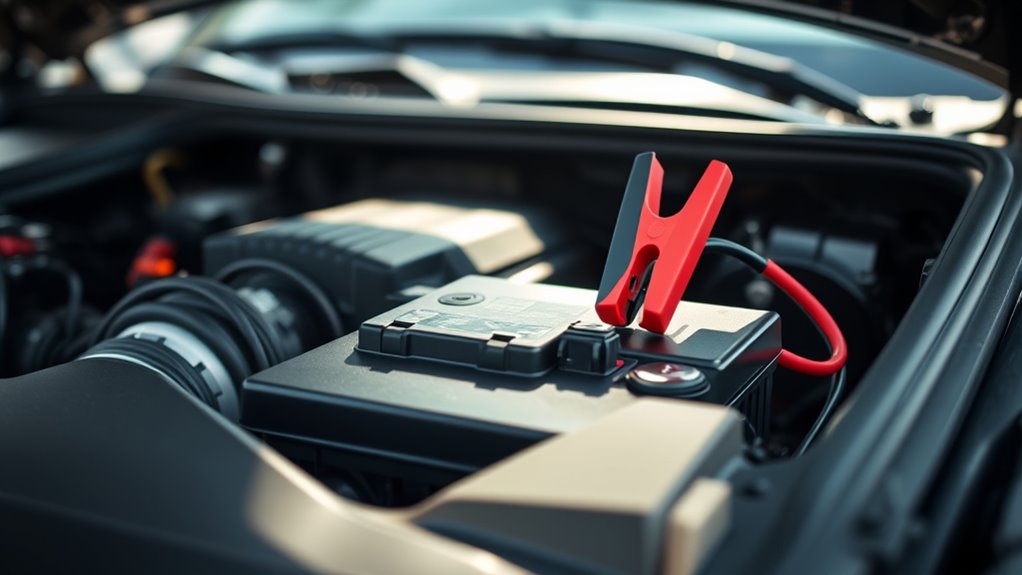
How Long to Leave Battery Charger on Car: Safe Charging Tips
Many car owners know the frustration of dealing with a dead battery, especially when you’re in a rush or caught off guard. You’re not alone—many people struggle with figuring out how long to leave a battery charger on their car for a safe and effective charge. Proper charging is key to keeping your battery healthy and avoiding costly replacements.
You should disconnect your car battery charger once it reaches a full charge, which usually takes 4 to 8 hours for lead-acid batteries and 1 to 4 hours for lithium-ion types.
Overcharging can damage the battery and reduce its lifespan, so using a charger with automatic shut-off or checking the voltage regularly helps avoid risks.
To learn more about safe charging practices and monitoring tips, keep exploring the essential guidelines.
Key Takeaways
- Unplug the charger once the battery reaches 12.6-12.8 volts or as recommended by the manufacturer.
- Lead-acid batteries usually need 4-8 hours of charging, while lithium-ion batteries take about 1-4 hours.
- Use chargers that have automatic shut-off features to prevent overcharging and damage.
- Keep an eye on the battery during charging to avoid excessive heat and overcharging risks.
- Follow safety precautions and never leave the battery unattended while charging.
How to Charge Your Car Battery Safely
Charging your car battery safely is key to avoiding damage or injury. It all starts with knowing how to use your charging equipment properly.
Always wear safety gear like gloves and eye protection before handling the battery or charger. Connect the positive clamp of the charger to the battery’s positive terminal.
Always wear safety gear before handling the battery or charger. Connect positive clamp to the positive terminal.
Then, attach the negative clamp to a grounded metal surface away from the battery to prevent sparks. Make sure you’re using the right charging equipment rated for your battery’s size and type.
Set the charger to the correct voltage and current, following the manufacturer’s instructions. Never leave the battery unattended while charging, and check on it regularly.
Ensure good ventilation in the area to prevent the buildup of harmful gases. When the battery is fully charged, disconnect the charger in reverse order—negative first, then positive.
Following these safety steps helps keep your battery healthy and makes sure you stay safe during the process.
What Are the Risks of Overcharging Your Car Battery?
Overcharging your car battery can lead to some pretty serious problems. For one, it can actually damage the battery itself, causing it to wear out faster. And if the battery gets too hot or starts leaking because of overcharging, there’s a real risk of fire or other hazards. Plus, overcharging shortens the overall lifespan of your battery, which means you’ll be needing to replace it more often. So, it’s definitely best to keep an eye on the charging process to avoid these issues.
Risk of Battery Damage
If you leave your car battery plugged in for too long or use an overly aggressive charger, you risk damaging it. Overcharging can cause excessive heat buildup, which speeds up battery wear and shortens its lifespan.
Poor battery maintenance or improper charging techniques can also cause the plates inside to warp or crack, reducing overall capacity. Plus, overcharging increases the chance of electrolyte loss, leading to corrosion and internal damage.
This not only cuts down your battery’s life but can also make it harder for your vehicle to start. To avoid these issues, always follow recommended charging times and use chargers with automatic shutoff features.
Using proper charging techniques helps keep your battery healthy, ensuring reliable performance and a longer service life.
Potential Fire Hazards
While many car owners focus on battery performance and lifespan, they often overlook fire hazards from overcharging. Overcharging can cause the battery to overheat, increasing the risk of fire if proper precautions aren’t taken.
To keep your charger safe, you need to monitor the charging process closely. Overcharging can lead to battery swelling and leaks, which are dangerous.
Excess heat buildup and acid leaks that might ignite are also risks. Plus, overcharging can damage the charger or wiring, raising the chances of sparks and fires.
To reduce these risks, always use a charger with safety features. Avoid leaving it unattended for long periods and disconnect it promptly once the battery is full.
Staying vigilant during charging helps prevent fire hazards and ensures your battery stays in good shape.
Reduced Battery Lifespan
Exceeding the recommended charging time can significantly shorten your car battery’s lifespan. Overcharging makes the battery heat up and wear out faster, which hurts its overall health.
Frequent overcharging speeds up this damage, reducing how many charge cycles your battery can handle. To prevent this, keep an eye on how long you’re charging.
| Risk | Effect | Solution |
|---|---|---|
| Battery damage | Reduced lifespan | Use an automatic charger |
| Overheating | Shortened battery health | Unplug when full |
| Decreased efficiency | Less reliable starts | Limit charging frequency |
Recommended Charging Durations for Different Car Batteries
Charging times can really depend on the type of battery you have, so it’s a good idea to stick to the recommended guidelines. For example, lead-acid batteries usually need about 8 to 12 hours to charge fully. On the other hand, lithium-ion batteries tend to charge much faster—sometimes in just a few hours.
Now, when it comes to AGM batteries, you’ve got to be a bit more careful. It’s important to follow the suggested charging durations to avoid damaging the battery and to keep it performing at its best.
Lead-Acid Battery Durations
Lead-acid batteries are among the most common types of car batteries, and knowing the proper charging durations for them is crucial to maintaining their lifespan. Typically, a full charge takes about 4 to 8 hours, depending on the charger’s power and battery condition. To keep your battery healthy, avoid overcharging or undercharging, which can harm its capacity. Proper battery maintenance involves regular charging based on your vehicle’s usage and charging frequency.
Consider these points:
- Charge a drained battery within 24 hours for peak performance
- Use a slow charger for routine maintenance and prolong battery life
- Avoid leaving the charger connected beyond 24 hours
- Check the battery’s voltage periodically during charging
- Adjust charging times based on temperature and age
Following these guidelines guarantees your battery stays reliable longer.
Lithium-Ion Charging Times
Lithium-ion batteries are becoming more popular in modern vehicles because they’re lightweight and pack a lot of energy.
They use lithium ion chemistry, which allows for faster charging times compared to traditional batteries. Usually, a full charge takes between 1 and 4 hours depending on your charger and battery size.
Charging efficiency is best when you use a charger designed specifically for lithium-ion batteries, which helps reduce energy loss.
Be careful not to overcharge, as that can shorten the battery’s lifespan. It’s best to keep an eye on the process and follow the manufacturer’s recommended charging times.
Don’t leave the charger on too long to avoid potential damage, and make sure your charger is compatible with your vehicle’s lithium-ion battery specifications.
AGM Battery Charging Guidelines
Because AGM (Absorbent Glass Mat) batteries are designed to deliver reliable power in modern vehicles, it’s important to follow specific charging guidelines to keep them healthy. Proper AGM battery maintenance means sticking to recommended charging times and techniques.
A full charge usually takes about 4 to 8 hours with a compatible charger set to a low or medium amperage. Avoid high current charges, as they can damage the plates and reduce battery life. Keep the voltage between 14.4V and 14.8V during charging.
Always monitor the temperature because overheating can harm the battery. Use a smart charger with AGM-specific settings for the best results. Maintain a steady voltage to prevent damage and avoid fast charging unless absolutely necessary.
Regularly check the battery temperature to catch any overheating early. Follow the manufacturer’s recommended charging times to ensure your AGM battery stays in good shape.
How Long Should You Leave Your Charger Connected?
Knowing when to disconnect your charger is important to avoid overcharging and potential damage to your battery.
Usually, you should unplug the charger once the battery is fully charged. This time varies depending on your charging method and the battery’s capacity.
Most modern chargers have automatic shut-off features that stop charging when the battery is full, making it easier to prevent overcharging.
If your charger doesn’t have this feature, keep an eye on the voltage levels or the indicator lights.
For the best battery health, don’t leave the charger connected longer than necessary. Overcharging can cause overheating and shorten the battery’s lifespan.
Charging times can range from a few hours to overnight, depending on the initial charge and the type of charger you’re using.
Always follow the manufacturer’s instructions and watch how your battery responds during charging to ensure safety and prolong its life.
How to Tell When Your Car Battery Is Fully Charged
You’ll know your car battery is fully charged when the voltage hits somewhere between 12.6 and 12.8 volts. It’s a good idea to keep an eye on the charging time, just to make sure everything’s on track.
Also, don’t forget to check for any physical signs—like bubbling or swelling—that might indicate something’s wrong. These little cues can help you make sure your battery is safe and good to go.
Battery Voltage Indicators
A reliable way to see if your car battery is fully charged is by checking its voltage with a multimeter. When fully charged, the voltage should read around 12.6 volts for a healthy, well-maintained battery.
If it drops below 12.4 volts, that usually means the battery isn’t fully charged or might need some attention. Monitoring this helps keep your battery healthy and prevents overcharging.
Keep an eye on these voltage indicators:
- 12.6 volts or higher: Fully charged
- 12.4–12.6 volts: Slightly discharged, needs charging
- Below 12.4 volts: Partially discharged
- Above 14.4 volts: Likely overcharging
- Consistently low readings: Possible issues with your battery or charging system
Regularly checking the voltage ensures proper maintenance and helps extend your battery’s lifespan.
Charging Duration Guidelines
Timing your car battery’s charging process is key to making sure it gets a full charge without overdoing it. Pay attention to your charging techniques and the best conditions for charging.
Usually, a standard car battery takes anywhere from 4 to 24 hours to fully charge. This depends on the battery’s capacity and the power output of your charger. Use a charger with an automatic shut-off feature to avoid overcharging.
Check the voltage regularly. Most batteries are fully charged when the voltage reaches around 12.6 to 12.8 volts when off, or about 14.4 volts when charging. Keeping the environment cool and dry helps maintain ideal conditions for charging efficiently.
When your charger indicates it’s finished or your voltage readings stabilize, your battery is probably fully charged.
Physical Battery Signs
Physical signs are reliable indicators that your car battery has reached full charge. You’ll notice the battery terminals appear clean and free of corrosion, which suggests proper charging.
When fully charged, terminal connections feel firm and secure, with no signs of looseness or corrosion buildup. A key sign is the absence of spark or hesitation when connecting jumper cables.
You might also see the battery’s surface look shiny and smooth, indicating a healthy charge. Furthermore, if your voltage meter shows around 12.6 volts or higher, it confirms a full charge.
Keep an eye out for corrosion around the terminals, as excessive buildup can hinder performance and indicate incomplete charging. Properly charged batteries will also maintain steady performance during start-up.
Safety Tips for Overnight Battery Charging
While overnight charging can be super convenient, it’s important to put safety first to avoid accidents or damage. Always use a quality charger that’s compatible with your battery type, and make sure all connections are secure.
Keep your vehicle in a well-ventilated area, away from any flammable materials. It’s also a good idea to check your charger and cords for damage before plugging in to help maintain your battery and stay safe.
Here’s a quick reference:
| Safety Tip | Explanation |
|---|---|
| Use a compatible charger | Prevents overcharging or damage |
| Avoid leaving unattended | Reduces risk of electrical hazards |
| Check for damage | Ensures safe operation and prevents shorts |
| Ventilate the area | Minimizes heat buildup and fumes |
Using Timers and Smart Chargers for Safe Charging
Using timers and smart chargers can really boost the safety and efficiency of charging your car battery. They help prevent overcharging and lower the risks when you’re not around to monitor the process.
With adjustable timer settings, you can set exactly how long you want to charge. That way, your battery gets enough power without the risk of damage.
Smart chargers can monitor your battery’s health in real time and adjust the power accordingly. This prevents overuse of electricity and helps your battery last longer.
Consider these benefits:
- Precise timer settings for personalized charging times
- Automated shut-off for added safety
- Real-time monitoring of battery health
- Less chance of overheating or overcharging
- Easy, hands-free operation
Monitoring Your Battery During Charging: Best Practices
Monitoring your battery during charging is key to ensuring safety and preventing damage. Keep an eye on its condition so you can maintain good battery health and avoid overcharging. Regular checks also help you catch issues early, especially if your charging habits change.
Use a multimeter or the built-in indicator to track voltage levels and make sure they stay within safe ranges. This way, you can quickly spot any problems before they become serious.
Here’s a simple guide to help you stay on top of things:
| Aspect | Best Practice |
|---|---|
| Battery Voltage | Check regularly; ideal range is 12.6-12.8V when fully charged |
| Charging Duration | Don’t leave the charger on too long; follow manufacturer tips |
| Temperature | Ensure the environment isn’t too hot or cold during charging |
| Charging Frequency | Charge only when needed; avoid overdoing it to preserve battery life |
| Visual Inspection | Look for corrosion, leaks, or swelling while monitoring |
Following these tips can extend your battery’s life and keep it safe during charging.
How Climate and Temperature Affect Charging Times
Climate and temperature play a big role in how fast your car battery charges. Both factors affect the process and can change how long it takes to reach full capacity.
Cold weather slows down the chemical reactions inside the battery, making charging take longer and reducing efficiency. On the other hand, hot temperatures can speed up charging but may also cause quicker battery wear.
Here’s what you should keep in mind:
- Cold climates make charging take more time because of slower chemical activity.
- Hot weather can cut down charging times but increases the risk of overheating.
- Extremely low temperatures might prevent the battery from accepting a full charge.
- High temperatures can cause the battery to wear out faster.
- Moderate temperatures usually provide the best charging efficiency.
Knowing how temperature impacts charging helps you plan better, keeping your charging safe and efficient no matter the weather. Adjust your charging times accordingly to avoid overcharging or damage from temperature extremes.
Troubleshooting: What to Do If Your Battery Isn’t Charging Properly
If your car battery isn’t charging properly despite good conditions, there might be underlying issues to look into. Start by checking common battery signs like slow engine cranking, dim lights, or warning lights on the dashboard. These usually mean the battery isn’t holding a charge.
Next, inspect your charging cables—make sure they’re secure, free of corrosion, and connected properly. Damaged or faulty cables can prevent your battery from charging correctly. If everything looks fine, test your alternator’s output with a multimeter. Low voltage can mean it’s failing.
Also, think about whether your battery is old or damaged. Worn-out batteries won’t accept a charge, so it might be time for a replacement. If problems continue after these checks, consider consulting a professional for a proper diagnosis.
Doing these steps helps ensure your vehicle charges correctly, avoiding further damage and keeping your car reliable.
Frequently Asked Questions
Can Leaving a Charger on Damage My Car’s Electrical System?
Leaving a charger on your car can potentially damage the electrical system if you’re not careful, especially with the wrong charger types or overcharging. Using the proper charger designed for your battery is really important.
Avoid leaving the charger connected for too long, as this can cause overheating or electrical stress. Always follow the manufacturer’s recommendations and monitor the charging process.
It’s best to disconnect the charger once the battery is fully charged to prevent any damage. Being attentive and careful with charging helps keep your car’s electrical system safe.
Is It Safe to Leave a Charger Unattended Overnight?
It’s generally safe to leave a charger unattended overnight if you follow proper battery maintenance and charging safety. Think of it like setting an alarm—you trust it’ll wake you up without constant checking.
Modern chargers have built-in safety features to prevent overcharging and electrical issues. Just make sure you use a quality charger, keep an eye on it initially, and unplug once the battery is fully charged to avoid risks.
How Do I Prevent Overcharging in Hot Weather?
To prevent overcharging in hot weather, keep an eye on how long you’re charging your battery. Using a timer or an automatic charger with a shut-off feature can help stop the charging process once the battery is full.
It’s also important to monitor the battery’s temperature. Avoid leaving it connected for too long, especially when it’s hot outside. Proper maintenance means preventing overcharging, which can harm your battery and shorten its lifespan.
What Types of Chargers Are Safest for Long-Term Use?
You’ll want to choose smart chargers or those designed for trickle charging for long-term use. They’re the superheroes of battery maintenance, preventing overcharge and damage.
These chargers automatically regulate power, making them safe and reliable for extended periods. By using smart chargers, you guard your car’s battery like a fortress.
They ensure it stays healthy without risking overheating or overcharging, even in extreme weather.
Should I Disconnect the Charger Immediately After Charging?
It’s best to disconnect the charger promptly after charging to keep your battery healthy and avoid overcharging.
Different chargers, like smart chargers, automatically shut off or reduce current, making them safer for long-term battery care.
Manual chargers, on the other hand, need your attention to prevent damage. Always follow the manufacturer’s instructions.
If you’re unsure, keep an eye on the charging process to protect your battery’s longevity and ensure safe, effective charging.
Conclusion
So, now that you know the secret art of not turning your car into a flaming torch, go ahead—leave that charger on just long enough, not until you see sparks! Remember, overcharging is basically your car’s version of a bad relationship—best avoided.
Keep an eye on those indicators, use smart tech, and don’t turn your driveway into a science experiment. Happy charging, and may your battery always be as lively as your weekend plans!
When it comes to how long to leave a battery charger on your car, patience is key. Follow the manufacturer’s recommended charging times to avoid overcharging.
In the end, knowing how long to leave a battery charger on your car is all about safety. Proper charging keeps your battery healthy and your car ready to go.