Spark Plug Blew Out of Engine: Why and How to Fix It?
Dealing with a spark plug that’s blown out of your engine can be frustrating and confusing. You’re not alone—many car owners struggle with this issue, especially if they’re not sure what causes it or how to fix it.
Luckily, understanding the common reasons and simple solutions can save you time and money.
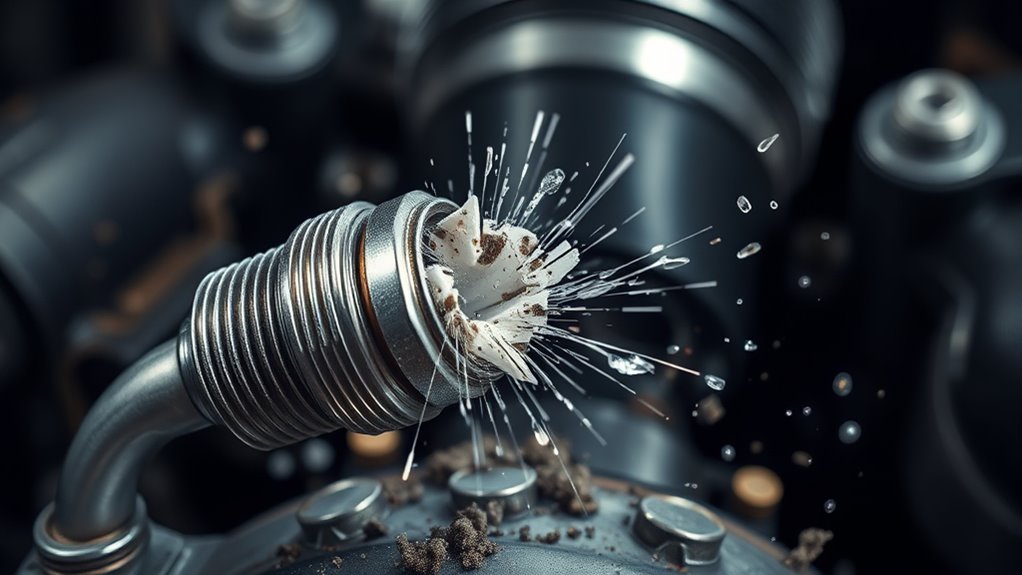
A spark plug can blow out due to improper installation, damaged threads, or engine overheating. If you don’t tighten it properly, cross-thread, or use the wrong spark plug, it’s more likely to come loose.
Over time, worn threads or constant vibration also weaken the connection. To fix it, carefully remove the damaged plug, check the threads, and reinstall with the correct torque and sealant.
Keep your eyes open for more tips to prevent future issues.
Key Takeaways
- Spark plugs can blow out if they’re not installed properly, have damaged threads, or if engine vibrations loosen them over time.
- You might notice engine misfires, rough idling, trouble starting, or even a drop in fuel efficiency—that’s a sign something’s wrong.
- To fix it, carefully remove the damaged plug, clean out the hole, and install a new one using the correct torque.
- Make sure to use proper tools, follow the torque specs, and apply anti-seize compounds to prevent future blowouts.
- Regular maintenance and inspections can help catch wear or damage early so you avoid a blowout altogether.
What Causes a Spark Plug to Blow Out of the Engine?
A spark plug can blow out of the engine for several reasons, often related to improper installation or mechanical issues. One common cause is using spark plug materials that aren’t suited for your engine’s conditions, which can weaken the threads or cause failure over time.
For example, some materials may not handle high temperatures or pressure well, increasing the risk of the plug loosening or breaking free. Engine vibration also plays a big role; if your engine vibrates excessively due to worn mounts or misfiring, it can gradually loosen the spark plug.
Continual vibration stresses the threads, especially if the spark plug wasn’t tightened properly during installation. Poor torque application or cross-threading can weaken the connection, making it easier for the plug to blow out as vibrations shake it loose.
Proper installation and understanding your engine’s materials are key to preventing spark plug blowouts caused by these mechanical issues.
Signs Your Spark Plug Is Failing or About to Blow
If your engine keeps misfiring, that’s often a sign your spark plug might be on its way out. You might also notice you’re not getting the same gas mileage as before or having a tough time starting your car—that can point to some underlying issues with your spark plugs.
It’s a good idea to keep an eye out for these signs early on. Catching the problem sooner rather than later can save you from dealing with a blown spark plug and some costly repairs down the line.
Engine Misfires Frequently
Engine misfires frequently can be a clear sign that your spark plug is failing or about to blow. When the spark plug isn’t firing properly, it disrupts your engine’s performance, causing rough idles, hesitation, or loss of power.
This misfire points to issues within the ignition system, often from worn or damaged spark plugs. If the spark plug struggles to ignite the fuel-air mixture consistently, your engine doesn’t run smoothly.
You might notice a noticeable jerkiness during acceleration or a decrease in overall responsiveness. Ignoring these signs can lead to more damage to your engine components.
If you experience frequent misfires, it’s a strong signal to inspect and replace your spark plugs before more serious problems occur.
Reduced Fuel Efficiency
When your spark plugs start to fail, you might notice your vehicle isn’t as fuel-efficient as it used to be. Poor spark plug performance messes with fuel management and reduces combustion efficiency.
This causes your engine to burn more fuel than necessary, leading to decreased miles per gallon and higher fuel costs. Worn or failing spark plugs might not ignite the air-fuel mixture properly, resulting in incomplete combustion.
Because of that, your engine has to work harder, using more fuel to produce the same power. If you see a drop in fuel economy, it’s a clear sign your spark plugs could be on the verge of failure.
Fixing this quickly helps restore good fuel management and keeps your engine running smoothly.
Difficulty Starting Vehicle
Difficulty starting your vehicle is often one of the first signs that your spark plug may be failing or about to blow. If your engine struggles to turn over or takes longer than usual to start, it could be a sign of spark plug issues.
Poor engine performance, like rough idling or misfires, can also come along with starting problems. When spark plugs are worn or damaged, they can’t produce a strong enough spark to ignite the fuel mixture properly.
This makes it harder for your engine to start. Ignoring these signs can lead to more serious problems, including engine damage.
Regularly inspecting and replacing spark plugs when needed can help keep your engine running smoothly and prevent unexpected breakdowns.
How Worn Threads Lead to Spark Plug Blowouts
Worn threads on a spark plug can significantly increase the chances of blowouts, especially during routine maintenance. Over time, thread wear weakens how well the spark plug connects to the cylinder head.
This can compromise the spark plug’s integrity. If the threads are damaged, the spark plug might not sit securely, which can cause it to loosen while the engine runs.
Severely worn or stripped threads make the spark plug prone to blowing out under pressure. This not only risks engine damage but can lead to costly repairs.
| Thread Condition | Effect on Spark Plug | Resulting Risk |
|---|---|---|
| Good Threads | Secure fit | Low risk of blowout |
| Slight Wear | Slight looseness | Possible blowout |
| Moderate Wear | Looseness increases | Higher risk of blowout |
| Severe Wear | Loose or stripped | Very high risk of blowout |
| Cracked or Damaged | Poor seal | Immediate blowout risk |
Keeping the threads in good shape is key for engine safety and optimal performance.
Did You Install Your Spark Plug Correctly? How to Check
Make sure your spark plug is installed with the right torque—that’s really important to keep everything running smoothly. If it’s too loose or too tight, you might run into some issues down the line.
Take a good look at the threads on the spark plug. Check for any damage or dirt that might cause problems when you install it. Giving it a quick inspection can save you from bigger headaches later.
Getting the installation just right and doing a careful check can help prevent misfires and keep your engine running like a champ.
Proper Torque Application
Proper torque application is essential to guarantee your spark plug is installed correctly and functions reliably. Always follow the manufacturer’s torque specifications, which are vital for proper seating without risking damage.
Use the right torque tools, like a torque wrench, to apply the correct amount of force evenly. Over-tightening can strip threads or crack the spark plug, while under-tightening might cause it to blow out or misfire.
Before installation, double-check the torque settings for your specific engine. Carefully tighten the spark plug to the recommended torque, ensuring a secure fit.
Proper torque application prevents issues like leaks, misfires, or blowouts. This helps your engine run smoothly and reliably.
Inspect Threads Carefully
Before installing your spark plug, carefully inspect the threads for any damage, dirt, or debris. Damaged threads can cause thread damage or prevent proper sealing, leading to issues like blowouts.
To guarantee correct installation, check for visible signs of thread damage or corrosion. Clean the threads thoroughly with a wire brush or compressed air.
Use a thread repair kit if you notice cross-threading or damage. Make sure the threads are clean and smooth before inserting the spark plug.
Properly inspecting and repairing threads helps prevent leaks and ensures a secure fit. If you find significant damage, consider professional thread repair or replacement.
Taking these steps helps avoid costly repairs and keeps your spark plug securely in place.
How Engine Overheating Causes Spark Plug Failures
When an engine overheats, the extreme temperatures can quickly damage spark plugs, leading to premature failures. Overheating puts extra strain on the cooling system, which keeps the engine temperature in check.
If the cooling system isn’t working right, the engine temperature can rise beyond safe limits, exposing spark plugs to excessive heat. This intense heat causes metal parts to expand rapidly or unevenly, including the spark plug and cylinder head.
This thermal expansion can loosen the spark plug’s fit, weaken the ceramic insulator, or even crack the electrode. Over time, these stresses make the spark plug more likely to misfire, foul, or get blown out of the engine.
Continuous overheating speeds up wear and reduces the spark plug’s ability to produce a strong spark. To avoid these problems, it’s crucial to keep the cooling system in good shape, ensuring the engine stays within safe temperature limits and protecting your spark plugs from thermal damage.
How to Fix a Blown-Out Spark Plug Safely and Effectively
A blown-out spark plug can cause engine misfires, rough idling, or even damage to your engine if not fixed promptly. To fix it safely and effectively, start by making sure your engine is cool to avoid burns. Then, follow these steps:
- Inspect the damage to confirm the spark plug is truly blown out and check for any thread damage.
- Remove the damaged spark plug carefully using a spark plug socket and extension, avoiding further thread damage.
- Clean the spark plug hole with compressed air to remove debris, making sure the spark plug seats properly.
- Replace the spark plug with a new one, applying the correct torque to maintain proper spark plug function and support engine health.
Taking these precautions guarantees a secure fix, promotes engine health, and helps prevent future issues related to spark plug failure.
How to Replace and Re-Torque Your Spark Plug Properly
Sure! Here’s a more conversational version of the text:
First off, when you’re removing the old spark plug, do it gently so you don’t accidentally mess up the threads. You want to be careful to avoid any damage. Once that’s out of the way, grab your new spark plug and make sure you tighten it to the manufacturer’s recommended torque. It’s important not to go too tight or too loose.
Finally, don’t forget to check and adjust the spark gap on the new plug. Doing this helps your engine run smoothly and keeps things running at their best.
Removing the Old Spark Plug
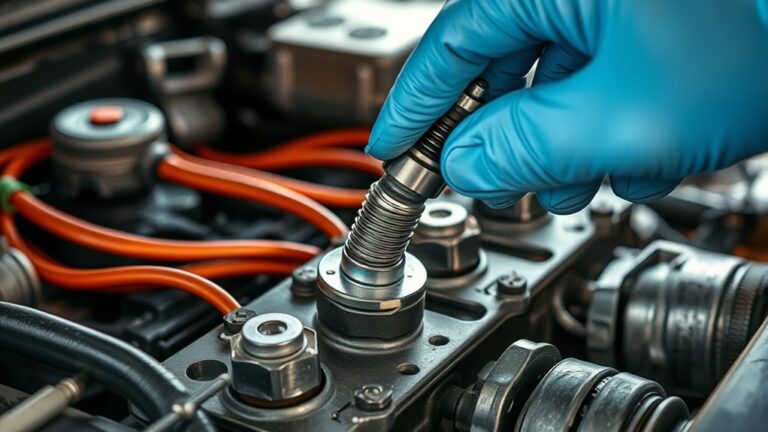
Start by locating the spark plug and gathering the necessary tools, such as a spark plug socket, ratchet, and extension. Before removing it, identify your spark plug type—copper, platinum, or iridium—as different types may need specific removal methods.
To remove the old spark plug effectively, loosen it carefully with the socket, avoiding excessive force. Turn counterclockwise to unscrew, making sure you don’t cross-thread or damage the threads.
Gently lift the spark plug out and check for signs of wear or damage. Before installing the new one, clean the surrounding area to prevent debris from entering the cylinder.
Knowing your spark plug type and proper removal techniques helps ensure a smooth replacement process and reduces the risk of future issues.
Applying Correct Torque Levels
Once you’ve removed the old spark plug, it’s important to tighten the new one to the correct specifications. Use a torque wrench to make sure you’re applying the right amount of torque, which helps prevent under- or over-tightening.
Check your vehicle’s torque specifications, usually found in the owner’s manual or repair guide, to find the proper setting. Over-tightening can damage the spark plug or cylinder head, while under-tightening risks the plug coming loose or blowing out.
Set your torque wrench accordingly before tightening the spark plug. Tighten it gradually in a few small turns, then finish with the specified torque.
Applying the correct torque guarantees a secure fit, optimal performance, and reduces the risk of future issues.
Ensuring Proper Spark Gap
Ensuring the proper spark gap is key to your engine’s performance and efficiency. Measuring the gap correctly helps keep your spark plugs in good shape, preventing misfires and damage.
Use a spark plug gap tool for accurate measurement. Then, compare the gap to your vehicle’s specifications. If needed, gently bend the electrode with the tool to adjust the gap.
After making adjustments, re-measure to make sure it’s correct. Taking these steps ensures your engine runs smoothly and efficiently.
Prevent Spark Plug Blowouts: Tips to Keep Your Engine Healthy
Spark plug blowouts can cause costly engine damage if not prevented. To keep your engine healthy, make sure to do regular spark plug maintenance. Check the torque specs and ensure your spark plugs are installed correctly.
Using the right thread sealant or anti-seize compound can prevent the plugs from seizing or loosening over time. Avoid forcing or over-tightening, as this can weaken the threads and increase the risk of blowouts.
Use the correct sealant and avoid over-tightening to prevent spark plug blowouts and engine damage.
Keep an eye out for signs of wear, like carbon buildup or damaged insulators, and replace spark plugs as recommended by your vehicle manufacturer. A well-maintained ignition system helps promote efficient combustion and reduces stress on the spark plugs.
Maintaining good engine health also means confirming that the spark plugs have the right heat range and thread size. Following these simple tips can lower the chances of blowouts, protect your engine, and extend the lifespan of your spark plugs.
Regular inspection and preventive care are essential to avoid costly repairs down the line.
When to Seek Professional Help for Spark Plug Problems
While regular maintenance can prevent many spark plug issues, some problems need professional attention to avoid further damage. If you notice persistent misfires, rough idling, or significant power loss, it’s time to seek help. Mechanics can perform thorough diagnostics to find issues beyond simple spark plug care.
Consider consulting experts if your engine is hard to start or stalls often. You might also want to see a professional if fuel efficiency drops despite good spark plug maintenance. Unusual engine noises or vibrations are also signs you should get help.
If you notice signs of damage or corrosion on your spark plugs that you can’t fix yourself, it’s a good idea to see a mechanic. Addressing these problems early helps keep your engine running smoothly and prevents costly repairs later on.
Knowing when to get professional help is key to maintaining peak engine performance. It also helps extend the lifespan of your engine and keeps everything running reliably.
Monitoring Your Engine to Prevent Future Spark Plug Failures
Regularly monitoring your engine’s performance is key to catching potential spark plug issues early. By paying attention to signs like rough idling, misfires, or decreased fuel efficiency, you can address problems before they cause serious damage.
Keep an eye on engine health through routine checks, such as inspecting spark plugs for wear or corrosion and listening for changes in engine sounds. Following maintenance tips like changing spark plugs at recommended intervals and using the right type can prevent failures.
Regularly inspect spark plugs and listen for engine changes to prevent failures and ensure smooth performance.
Using diagnostic tools or onboard monitoring systems can also alert you to emerging issues. Staying proactive helps guarantee your engine runs smoothly and reduces the risk of spark plug blowouts or other failures.
Regular checks and timely maintenance not only extend the lifespan of your spark plugs but also improve overall engine performance. Ultimately, consistent engine monitoring is your best defense against unexpected breakdowns and costly repairs.
Frequently Asked Questions
Can a Blown-Out Spark Plug Cause Engine Damage?
Yes, a blown-out spark plug can cause engine damage. When a spark plug fails, it disrupts engine performance, leading to misfires, poor fuel efficiency, and potential damage to the pistons or valves over time.
The sudden loss of compression can also stress other engine parts. To avoid serious damage, it’s important to replace blown-out or failing spark plugs quickly and check for any underlying issues causing the failure.
What Tools Are Needed to Fix a Spark Plug Blowout?
To fix a spark plug blowout, you’ll need some basic engine maintenance tools. Grab a socket wrench with the right size socket for your spark plug, a torque wrench to tighten it properly, and a spark plug gap gauge to ensure correct spacing.
You might also want to have anti-seize compound and a wire brush on hand for cleaning. These tools will help you securely reinstall or replace the spark plug and prevent future issues.
How Long Does It Take to Replace a Blown Spark Plug?
Replacing a blown spark plug usually takes about 30 minutes to an hour, depending on your vehicle’s make and model. It’s a good idea to check your spark plug lifespan regularly as part of engine maintenance to avoid issues.
If you’ve had a blowout, consider replacing all the spark plugs if they’re near the end of their lifespan. Proper maintenance helps keep your engine running smoothly and reduces the chance of future blowouts.
Are Certain Engine Types More Prone to Spark Plug Blowouts?
Yes, some engine types are more prone to spark plug blowouts because of how they’re designed and maintained. Engines with aluminum heads or threads that aren’t well-maintained tend to be at higher risk.
Neglecting regular inspections and not following torque specs can also increase the chances. High-performance engines or those with aggressive heat ranges for spark plugs can be more vulnerable too.
To avoid problems, stick to proper maintenance routines, use the right tools, and make sure you install the spark plugs with the correct torque.
Is It Safe to Drive With a Blown-Out Spark Plug Temporarily?
Imagine it’s 1920, and you’re trying to get your jalopy moving. It’s not safe to do temporary driving with a blown-out spark plug, as it can cause severe engine damage or failure.
Spark plug issues like this impair performance, and driving risks further damage. If it happens, stop safely, avoid driving, and get it repaired promptly.
Don’t risk worsening the problem with temporary driving.
Conclusion
If your spark plug blows out, it’s a clear sign something’s wrong. Remember Sarah’s story—she ignored that misfire, and the plug finally backed out, causing engine damage.
Regularly check and replace your spark plugs, and make sure the threads are in good shape. Torque them correctly to prevent future issues.
By staying proactive, you’ll keep your engine running smoothly and avoid costly repairs. Don’t wait for a disaster—prevention is your best bet for avoiding a spark plug blowout.