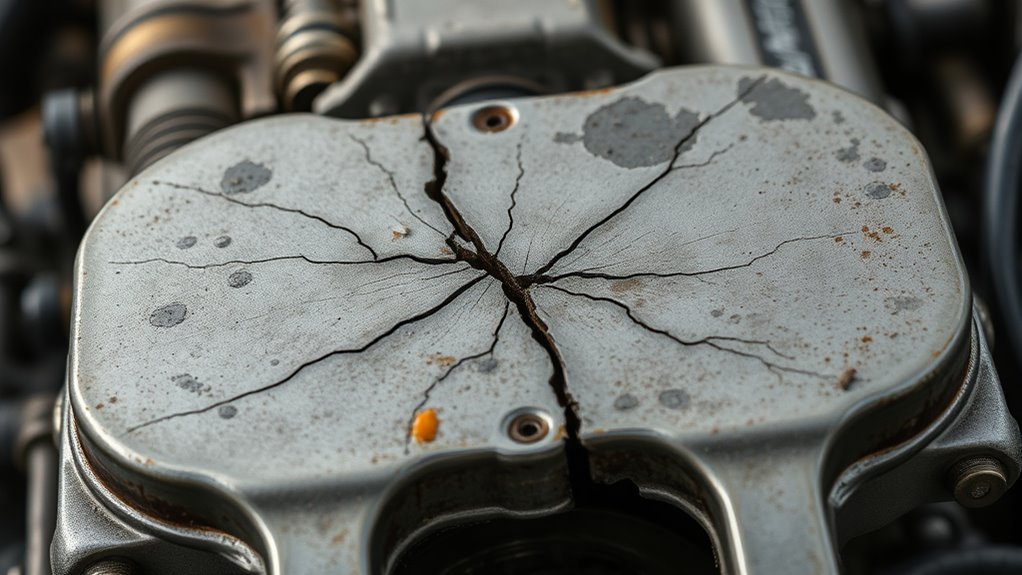
Signs of Cracked Engine Block: Detection, Prevention & Maintenance Tips
Many car owners worry about engine trouble, especially when signs of a cracked engine block start to show. You’re not alone—these issues can be stressful and confusing to spot early on.
Detecting problems early can save you time and money.
If your engine shows signs like loss of power, unusual noises, or overheating, it might have a crack. Check for fluid leaks around the engine or white exhaust smoke, which indicates coolant entering the combustion chamber.
Regularly inspect for visible cracks or leaks and use diagnostic tools like compression tests or dye penetrant inspections for confirmation.
Maintaining proper cooling, changing oil regularly, and driving smoothly can help prevent future issues.
Stay vigilant and keep learning about your engine. Catching problems early is key to keeping your vehicle running smoothly and avoiding costly repairs.
Key Takeaways
- Look out for engine issues like misfires, loss of power, or rough idling—that could be a sign of a crack.
- Do visual checks for cracks, coolant or oil leaks, discoloration, or coolant stains on the engine surface.
- Use diagnostic tools like compression tests, dye penetrant, or ultrasound scans to confirm if there are internal cracks.
- Keep the cooling and lubrication systems in good shape, check coolant quality, and drive smoothly to reduce engine stress.
- If the engine overheats, leaks, or makes strange noises, get professional help. Consider repair options based on how bad the damage is.
Recognizing the Common Signs of a Cracked Engine Block
A cracked engine block can be tough to spot early on, but there are some clear warning signs to watch for. One of the biggest clues is a sudden drop in engine performance, like losing power, misfires, or rough idling.
A sudden drop in engine performance, including power loss, misfires, or rough idling, may indicate a cracked engine block.
You might also notice coolant or oil leaks around the engine, which could mean there are cracks in the block. Overheating is another common symptom because a cracked block can cause coolant to escape or circulate improperly.
White smoke from the exhaust is often a sign of coolant entering the combustion chamber. Keep an eye out for strange engine noises or frequent overheating, as these might indicate internal damage.
Recognizing these signs early can help prevent more serious damage. Remember, the type of engine block—cast iron, aluminum, or composite—can influence how cracks form and show up.
Being aware of these warning signals keeps you alert to potential engine problems before they get worse.
How to Perform Visual Inspections for Cracks and Damage
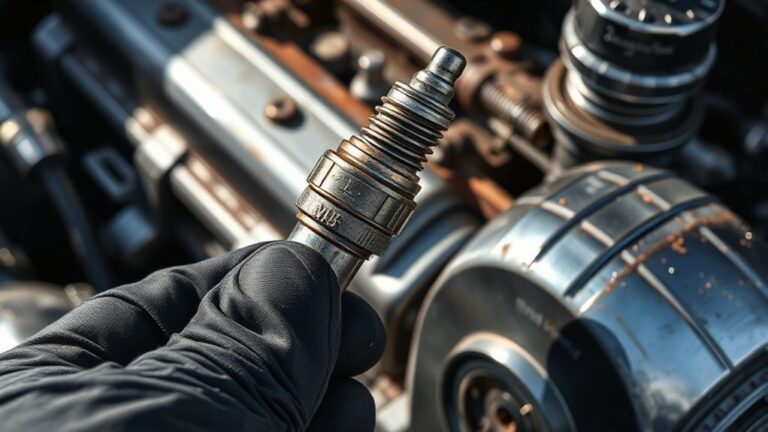
When you’re starting your inspection, take a good, close look at the surface of the engine block. Pay special attention to areas around the cylinder head and cooling passages—these are spots where cracks tend to show up. Keep an eye out for any surface cracks, and don’t forget to check for discoloration, oil leaks, or coolant stains, as these can be signs of underlying damage.
While you’re at it, also examine the mounting and seal areas. Look for any warping or corrosion, because these issues might point to cracks or other problems that need attention. Taking your time to carefully observe these details can really help you spot potential issues early on.
Inspect for Surface Cracks
To effectively detect surface cracks on your engine block, start with a thorough visual inspection. Clean the area well to remove dirt and grease, which can hide cracks.
Use a bright flashlight to help spot even tiny cracks and irregularities on the metal’s surface. Check high-stress areas, around bolt holes, and near the cylinder head carefully.
Feel for any roughness or uneven spots that might suggest hidden damage. Your keen observation skills are key to catching cracks early.
Regular inspections can prevent bigger problems later on. Spotting issues early helps avoid costly repairs and keeps your engine running smoothly.
Check for Discoloration or Leaks
When inspecting your engine block for cracks and damage, look closely for signs of discoloration or fluid leaks. Discoloration, caused by overheating or corrosion, can show up as strange stains or changes in the metal’s color and may point to issues.
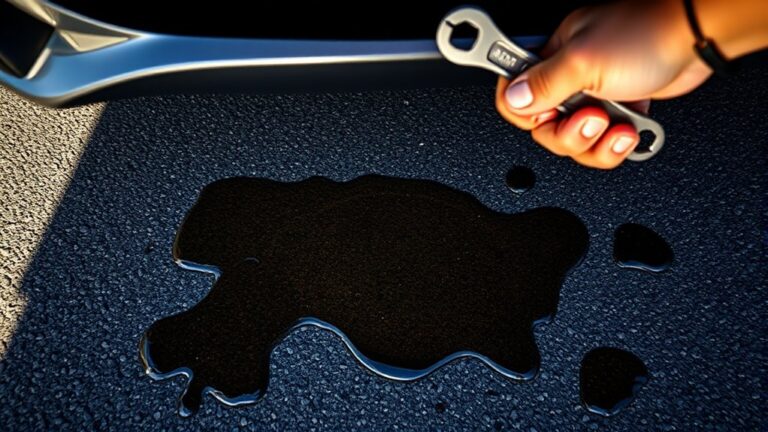
Fluid leaks, especially coolant or oil, are key signs of damage. These leaks often show as wet spots or stains on the engine or nearby parts. Check around seals, gaskets, and joints for puddles or residue.
Pay attention to any unusual coloring, like white or greenish deposits. These can signal coolant leaks. Spotting these visual clues early helps detect leaks and prevents cracks from leading to serious engine damage.
Examine Mounting and Seal Areas
Examine the mounting and seal areas of your engine as a crucial step in spotting cracks and damage. Check the mounting points for any signs of stress, like misalignment, looseness, or corrosion. These can indicate that the mounting integrity might be compromised.
Carefully inspect the seals around the engine, looking for cracks, tears, or signs of leakage that could point to seal failure. Make sure bolts and fasteners are tight and properly seated, as loose mounts can cause vibrations that worsen cracks.
Pay close attention to areas where the engine connects to other components. Damage here could be a sign of underlying issues. Keeping the seals and mounts in good shape helps prevent further damage and keeps your engine running smoothly.
Detecting Engine Overheating and Fluid Leaks That Signal a Crack
You should keep an eye on your dashboard for any sudden jumps in temperature. If you notice your engine temperature spike unexpectedly, it could be a sign that something’s wrong, like a crack starting to develop.
Also, take a look underneath your car from time to time. If you see any fluid leaks—especially coolant or oil—that’s a good indicator there might be a crack in the engine block. Catching these signs early can really save you from more serious damage and expensive repairs down the line.
Identifying Temperature Spikes
Engine overheating is often the first sign that something might be wrong with your engine block, especially if a crack is present. To catch this early, keep an eye on temperature during your drives.
Sudden temperature spikes mean your engine is struggling to stay cool. This could be caused by a crack in the block disrupting coolant flow. Watch your dashboard gauge and notice if it quickly climbs past normal levels.
Also, listen for unusual sounds or smells when temperatures are high. Regularly check your coolant levels and look for signs of overheating. Catching these issues early can help prevent more serious damage and costly repairs.
Spotting Fluid Leaks
When your engine starts overheating or shows signs of fluid loss, it might be a crack in the engine block. Spotting fluid leaks early can help prevent costly damage.
Look for puddles or wet spots under your vehicle, especially near the engine. Common fluids to check include coolant, oil, transmission fluid, and power steering fluid. Recognizing which fluid is leaking helps identify the problem.
| Fluid Type | Common Leak Sources |
|---|---|
| Coolant | Radiator, hoses, water pump |
| Oil | Valve cover gasket, oil pan, seals |
| Transmission Fluid | Transmission cooler lines, pan |
| Power Steering Fluid | Power steering pump, hoses |
| Brake Fluid | Brake lines, master cylinder |
Identifying Noises and Vibrations Caused by Engine Cracks
Cracks in the engine block often produce distinctive noises and vibrations that can alert you to potential damage. You might notice unusual engine sounds like knocking, tapping, or grinding, which suggest abnormal mechanical stresses.
Vibration analysis can help pinpoint the source, as engine resonance and vibrations may become irregular or intensified. Diagnostic sounds like clunking or hissing can also indicate crack development.
These vibrations often come from compromised parts experiencing fatigue, leading to uneven force distribution. Pay attention to noise patterns that change with engine speed or load, as they can reveal a crack.
Vibrations tend to feel more noticeable during acceleration or deceleration. Recognizing these signs early lets you address the problem before it gets worse.
Regularly monitoring engine noise and vibrations helps catch cracks early, preventing further damage and costly repairs later on.
Using Diagnostic Tools to Confirm Engine Cracks
To confirm the presence of engine cracks, diagnostic tools provide precise and reliable insights beyond just listening or feeling for vibrations. These tools help you detect cracks accurately, saving time and preventing further damage.
When performing engine diagnostics, consider these key methods:
- Compression Testing: This identifies loss of compression caused by cracks or leaks.
- Dye Penetrant Inspection: Uses a special dye to reveal cracks on engine surfaces.
- Magnetic Particle Testing: Detects surface and near-surface cracks through magnetic fields.
- Ultrasound Scanning: Uses high-frequency sound waves to pinpoint internal cracks that aren’t visible.
Using these diagnostic techniques ensures you accurately confirm engine cracks. They’re essential for reliable detection and help you decide whether to repair or replace. Relying on advanced tools minimizes guesswork, giving you peace of mind and protecting your engine’s lifespan.
Preventive Maintenance Tips to Reduce the Risk of Cracking
Using diagnostic tools to confirm engine cracks helps identify issues early, but taking proactive steps can prevent cracks from forming in the first place. You should prioritize proper engine cooling by ensuring your cooling system functions efficiently, preventing overheating that stresses engine components.
Regular oiling is essential to reduce friction and protect internal parts from damage. Check coolant quality regularly and perform routine flushing to prevent corrosion and buildup that can weaken the engine block. Monitoring engine temperature during drives helps you catch overheating signs before damage occurs.
Pressure testing your cooling system periodically confirms its integrity. Moreover, adopting smooth driving habits reduces stress on the engine, especially during acceleration and deceleration. Seasonal checks, such as inspecting hoses, belts, and coolant levels, prepare your engine for temperature extremes.
Essential Checks and Servicing to Keep Your Engine Healthy
Regularly scheduled checks and servicing are key to keeping your engine in top shape. Focus on these important areas to stay ahead of potential issues.
First, keep an eye on your engine oil and coolant levels. Low oil or coolant can lead to overheating and damage to engine parts. Checking these regularly helps prevent costly repairs.
Next, monitor your engine temperature. Watch your temperature gauge so you can catch overheating early before it causes serious problems.
Make sure to replace filters regularly. Clean filters improve fuel efficiency and stop debris from harming your engine components.
Finally, adopt good driving habits and tune-ups. Gentle acceleration, proper warm-up, and timely servicing all help reduce stress on your engine and keep it running smoothly.
When to Seek Professional Help for Suspected Engine Cracks
How can you tell if a crack in your engine block needs professional attention? If you notice persistent overheating, coolant leaks, or loss of power, it’s time to get an engine diagnostics done. A professional assessment can confirm whether a crack exists and how serious it is.
Don’t ignore warning signs like white smoke or coolant mixing with oil, as these indicate serious issues. Addressing these problems early can save you money and prevent further damage.
Consider this quick guide:
| Symptom | Action |
|---|---|
| Visible crack or leak | Seek immediate professional assessment |
| Unusual engine noises | Schedule engine diagnostics to identify internal damage |
| Overheating frequently | Have a mechanic inspect for cracks or damage in the block |
| Loss of coolant or oil | Get professional help to prevent further engine failure |
When in doubt, trusting experts to evaluate your engine guarantees proper diagnosis. It also helps prevent costly repairs down the line.
Repair Options for Cracked Engine Blocks: Cost and Considerations
When you’re looking at repair options for a cracked engine block, the cost is definitely something you’ll want to think about. It’s a good idea to compare how much repairs will set you back versus replacing the engine entirely, so you can figure out what fits your budget best.
Just keep in mind that some fixes might only be a temporary solution, while others could give you a more lasting fix. It’s all about weighing the costs and benefits to see what makes the most sense for your situation.
Repair Costs and Budgeting
Repairing a cracked engine block can vary a lot in cost, depending on how bad the damage is and the repair method you choose. When planning your repair budget, it’s important to understand what expenses might come up.
Here are four key points to help you estimate costs accurately:
- Severity of Damage. Minor cracks tend to cost less to fix, but if the damage is extensive, you might need to replace the engine.
- Repair Method. Welding or epoxy repairs are cheaper options but may not last as long as a full engine rebuild.
- Labor Costs. The amount of skilled labor needed, especially if disassembly is complicated, can significantly influence the total cost.
- Parts and Materials. Using high-quality replacements or specialized tools can make the repair more expensive but might be worth it for durability.
Knowing these factors can help you plan your finances, make smarter decisions, and avoid unexpected expenses.
Repair vs. Replacement Options
Deciding between repairing or replacing a cracked engine block depends on how bad the damage is and what your budget looks like. Repair methods like welding or epoxy injections can sometimes seal small cracks and save you money.
But these options aren’t ideal if the damage is severe. In those cases, replacing the engine block is usually the better choice. It guarantees long-term reliability but tends to be more expensive and takes more work.
Think about factors like the size and location of the crack, the age of your engine, and how much you’re willing to spend. If the damage is minor and cost is a concern, repairs might do the trick.
However, for bigger cracks or structural issues, going for a replacement gives you peace of mind and can help your engine last longer.
Tips to Extend Your Engine’s Longevity and Prevent Future Cracks
To help prevent cracks in your engine block, it’s important to keep your engine well-maintained and running within the right parameters. Proper engine care involves following key strategies that reduce stress and overheating.
- Regularly check and change your coolant to prevent overheating, which can cause thermal stress.
- Keep your oil levels and quality in check to ensure smooth operation and lessen wear on engine parts.
- Avoid aggressive driving habits like rapid acceleration and high RPMs, as these put extra mechanical strain on your engine.
- Schedule routine inspections to catch early signs of wear or damage before they become bigger problems.
These steps help distribute heat evenly and lower the risk of cracks forming. By following these engine care tips, you can extend your engine’s lifespan, avoid costly repairs, and keep it running reliably.
Proper engine care promotes even heat distribution, prevents cracks, and ensures long-lasting, reliable performance.
Consistent maintenance isn’t just about fixing issues—it’s a proactive way to keep your engine healthy and performing at its best.
Frequently Asked Questions
Can a Cracked Engine Block Be Repaired Without Replacement?
A cracked engine block can sometimes be repaired without a full replacement, but it really depends on how severe the crack is. You’ll need a thorough diagnosis of the crack to see if repairs like epoxy, welding, or metal stitching will work.
If the crack is minor and located in a non-critical area, a professional repair might do the trick. But in most cases, especially with extensive damage, replacing the engine is usually the safest and best option.
How Long Can a Vehicle Run With a Cracked Engine Block?
You shouldn’t expect your vehicle to run long with a cracked engine block. Once the crack develops, engine performance quickly deteriorates, often leading to overheating or complete failure.
Running it might temporarily get you somewhere, but it dramatically shortens your vehicle’s lifespan and risks severe engine damage. It’s best to address the issue promptly—repair or replace the engine—to avoid costly repairs and guarantee safety and reliability.
What Are the Signs of a Crack in the Engine’s Cylinder Head?
You might notice engine overheating, coolant leaks, or white smoke from the exhaust—these are clear signs of a cracked cylinder head.
Head gasket issues often come along with these symptoms, leading to misfires or a loss of power.
Don’t ignore these warning signs. If left unchecked, they can cause serious engine damage.
Dealing with them early helps keep your engine running smoothly and saves you money on repairs later.
Spotting the signs quickly can prevent total engine failure and bigger headaches down the road.
Does Using High-Octane Fuel Prevent Engine Block Cracks?
Using high-octane fuel doesn’t directly prevent engine block cracks, but it offers benefits like better fuel quality and ideal combustion, especially in high-performance engines.
High octane benefits include reducing knocking and knocking-related stress on engine components. While this can help maintain engine integrity, it’s not a guaranteed prevention method for cracks.
Focus on proper maintenance and addressing engine issues promptly to better protect your engine from damage.
Are Aftermarket Engine Blocks More Prone to Cracking?
Like a house built on shifting sands, aftermarket engine blocks can be more prone to cracking if not chosen carefully. While they often promise increased performance, their durability varies widely.
Performance comparisons show some aftermarket options excel in strength, but others may lack the same resilience as OEM blocks. You should research specific brands, considering your driving demands, to guarantee your engine’s foundation is solid and crack-resistant.
Conclusion
Keep a close eye on your engine’s whispers—those subtle hints of trouble hiding beneath the hood. Spotting cracks early can help you avoid costly repairs and roadside breakdowns.
Regular inspections and attentive maintenance act like a vigilant guardian, shielding your engine from silent damage. Think of your engine as a delicate heartbeat—listen carefully, nurture it well, and it’ll keep running smoothly.
By staying alert to signs of a cracked engine block, you’re taking control of your vehicle’s health. Preventive care is key to keeping your engine in top shape and avoiding major issues down the road.