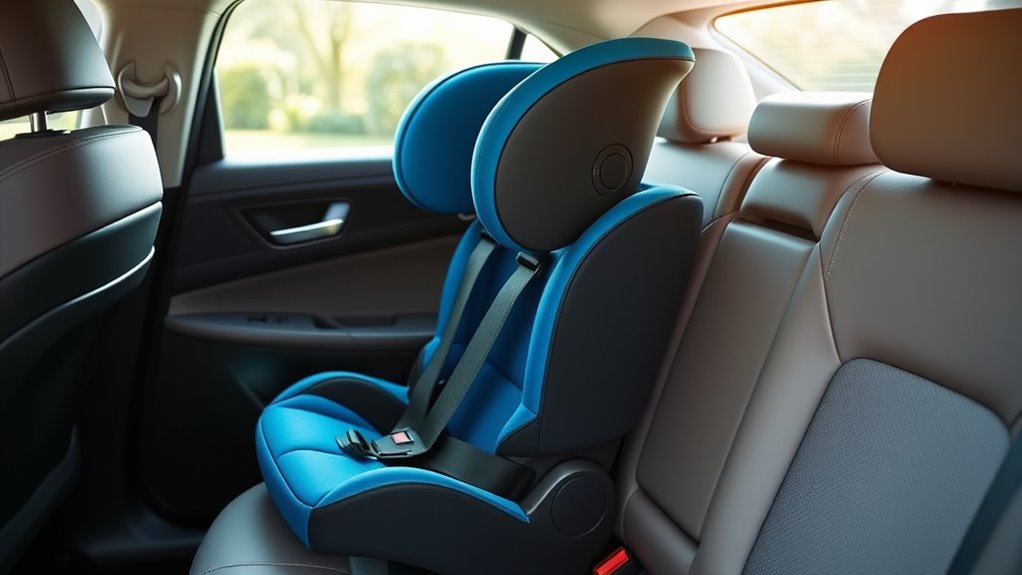
What Car Seat After Infant: Best Options for Toddler Safety
Finding the perfect car seat after your infant’s first few months can be overwhelming. You’re not alone—many parents struggle with choosing a safe, comfortable, and easy-to-use option for their growing toddler.
After your infant seat, it’s safest to switch to a toddler car seat that fits their growing size and provides improved protection. Look for convertible seats that support rear- and forward-facing positions, with strong safety features like side-impact protection and a secure harness.
Choosing a seat that’s easy to install and adjust guarantees your child is safe and comfortable.
Keep in mind, the best options balance safety, comfort, and value—so stay tuned for more tips to make the right choice.
Key Takeaways
- Choose convertible or all-in-one seats for versatile, long-term use as your child grows.
- Prioritize seats with enhanced side-impact protection and five-point harness systems for maximum safety.
- Make sure the seat fits your child’s size, age, and developmental milestones before transitioning.
- Look for seats with easy installation features like clear instructions and built-in lock-offs for proper safety.
- Balance safety features with comfort and affordability to get the best value for your child’s safety.
Why Transitioning From Infant to Toddler Car Seats Matters for Safety
Moving from an infant to a toddler car seat is a crucial step in keeping your child safe. Toddler seats are designed to give better protection as your little one grows.
They offer improved safety features like enhanced side-impact protection and a more secure harness system. These seats also fit your child’s increasing size and strength, reducing injury risk during sudden stops or accidents.
Switching at the right time means your child gets the best safety features available. Plus, toddler car seats often make traveling easier for you.
Choosing the right time ensures your child benefits from optimal safety and easier travel.
They’re simpler to install correctly and adjust as your child grows, saving you time and effort. With easier buckling and a better fit, it’s easier to keep your child secure on the go.
When Is the Best Time to Switch to a Toddler Car Seat?
Determining the right moment to shift to a toddler car seat depends on your child’s size, age, and development. Timing is important because kids grow at different rates.
Generally, you should consider moving to a toddler seat once your child reaches the maximum height or weight limit of their infant seat, which is usually between 12 and 18 months.
Watch for growth milestones, like outgrowing the seat’s height or weight restrictions, to help ensure safety.
If your child can sit upright without help and has good head control, they’re probably ready for a toddler seat.
Keep in mind that every child develops differently, so don’t rush the switch.
Focus on your child’s physical signs and the manufacturer’s guidelines instead.
This way, you’ll switch at the safest and most appropriate time, giving your child the best protection during car rides.
What Types of Toddler Car Seats Are Available? (Convertible, Booster, and More)
There are a few different types of toddler car seats out there, and each one is designed to fit your child’s needs and your vehicle’s compatibility a little differently. You’ll come across options like convertible seats, booster seats, and others, each with their own unique features. Knowing what’s available can really help you pick the safest and most comfortable seat for your toddler.
Types of Car Seats
When choosing a toddler car seat, you’ll find several types designed to meet different safety needs and vehicle compatibilities. Each type offers unique benefits for your child’s comfort and safety ratings. Understanding these options helps you pick the right fit for your child’s needs.
Convertible car seats can be used rear- and forward-facing and grow with your child. All-in-one seats combine multiple stages, offering long-term value. Booster seats are great for older toddlers during longer rides, providing improved safety.
Combination seats switch between harness and booster modes, making them versatile. Travel-friendly seats are lightweight and easy to install, perfect for families on the go.
Choosing the right type guarantees your toddler stays safe and comfortable, giving you peace of mind on every trip.
Features and Compatibility
Choosing the right toddler car seat depends on understanding its features and how well it fits with your vehicle. Convertible seats are versatile because you can switch from rear-facing to forward-facing as your child grows, and they often have high safety ratings.
Booster seats are perfect for older toddlers, helping them sit properly with seat belts. When choosing one, look for installation tips to ensure a secure fit—many seats come with LATCH systems or belt-positioning guides.
Make sure to check the safety ratings to see if the seat meets or exceeds safety standards. Compatibility is also important—you want a seat that fits well in your car without blocking airbags or seat belts.
Always review the manufacturer’s instructions and test the seat before using it. Proper installation and compatible features are key to keeping your toddler safe on every ride.
How to Choose a Convertible Car Seat That Grows With Your Child
When you’re picking out a convertible car seat, it’s a good idea to go for one that can adjust in both height and width. Kids grow so fast, and having a seat that can adapt means you won’t have to buy a new one every year. It’s all about finding something that can grow with your child, making things easier for you and more comfortable for them.
Also, don’t forget to check how well the seat fits in your car. You want to make sure it sits securely and doesn’t take up too much space. Compatibility with your vehicle’s seats and safety features is super important, so take a little time to double-check that before making your final decision. When everything lines up, you can rest easy knowing your little one is safe and comfy for years to come.
Adjustable Height and Width
A convertible car seat that adjusts in height and width helps keep your child safe and comfortable as they grow. Look for models with easy height adjustments to ensure the harness stays at the right level.
Width expansion allows the seat to grow with your child without sacrificing comfort or safety. It’s a great way to make sure the seat fits perfectly at every stage.
Consider features like simple height adjustment mechanisms for quick changes, and multiple harness positions so your child can stay comfortable as they grow.
Smooth width expansion helps the seat accommodate different body sizes easily. Secure, easy-to-use buttons or levers make adjustments hassle-free.
A durable seat that supports frequent adjustments is worth the investment. Choosing one with these features keeps your child snug and safe through the toddler years.
Compatibility With Vehicle
Making sure your convertible car seat fits well in your vehicle is key for your child’s safety and comfort. Start by measuring your car’s dimensions to see if the seat will fit properly in the back seat.
Check that the seat belt can be securely fastened across the seat and through the car seat’s designated belt paths. Some seats work better in smaller cars, while others are designed for larger vehicles.
Make sure the car seat doesn’t block access to the vehicle’s seat belt lock or LATCH anchors. If space is tight, consider choosing a slim-profile seat that still meets safety standards.
Proper compatibility ensures the seat stays stable and provides the best protection as your child grows.
Key Features to Look for in a Safe and Comfortable Toddler Car Seat
Choosing a toddler car seat that prioritizes safety and comfort involves several key features. First, verify the seat meets or exceeds current safety standards, giving you reliable protection in case of an accident.
Look for adjustable comfort features, like multiple recline positions and easy-to-use adjustments, so your child stays comfortable on longer rides. A well-padded seat with enough side impact protection boosts both safety and comfort.
Consider the harness system— a five-point harness offers the best security and can be adjusted as your child grows. Easy installation is also important; choose seats with clear instructions and secure attachment options.
Breathable fabric helps regulate temperature and keeps your toddler comfortable during trips. Finally, check for compatibility with your vehicle and how easy it is to clean.
Focusing on these features will help you find a car seat that keeps your little one safe and comfortable on every trip.
Comparing Top Toddler Car Seat Brands and Models
When you’re looking at the top toddler car seat brands and models, it’s really important to think about safety features first and foremost. After all, you want to make sure your little one is as protected as possible. But don’t forget about how easy it is to install the seat—no one wants a complicated setup when they’re already juggling a lot.
It’s also smart to consider the overall value. Some brands might be pricier, but they could offer extra safety tech or more convenient features that make life easier. Finding a seat that fits your budget while still ticking all the boxes for safety and ease of use is key. In the end, balancing these factors will help you pick a toddler car seat that’s both safe and affordable.
Safety Features Comparison
Different toddler car seat brands and models prioritize safety features in various ways, so it’s important to compare what they offer. Check safety ratings and crash test results to find the best protection.
Some brands focus on advanced side-impact protection, while others make it easy to adjust harnesses. Think about features like energy-absorbing foam and reinforced frames for extra safety.
Here are some key safety features to compare:
- Safety ratings from independent testing agencies
- Crash test performance and results
- Side-impact protection technologies
- Material quality and shock absorption
- Harness system strength and adjustability
Ease of Installation
Ease of installation is an important factor to consider after safety features. A properly installed car seat offers maximum protection for your little one.
When comparing top toddler car seat brands and models, look for seats with clear instructions and easy-to-use installation systems. Features like color-coded guides or built-in lock-offs can make the process simpler.
Following installation tips from the manufacturer or trusted sources helps ensure a snug fit and reduces safety concerns. A seat that’s hard to install or needs a lot of force can increase the risk of improper setup.
Choose seats that are straightforward to install securely. This gives you peace of mind and keeps your toddler safe during every trip.
Price and Value
Considering the wide range of prices among toddler car seats, it’s important to find models that give you the best value for your money. Doing a thorough cost analysis helps you balance safety features with affordability, so you stay within your budget.
Top brands like Graco, Britax, and Chicco often offer reliable options at different price points. When comparing models, focus on durability, ease of use, and extra features that make the seat worth the cost.
Remember, the most expensive isn’t always the best choice. Investing in a quality seat pays off in safety and peace of mind. Look for value rather than just price to find a dependable car seat that fits your budget and keeps your toddler safe.
- Durable, long-lasting designs
- Easy installation features
- Trusted safety ratings
- Additional comfort features
- Competitive pricing
How to Properly Install and Secure Your Toddler Car Seat
Installing and securing your toddler car seat correctly is essential for their safety during every trip. Start by carefully reading the manufacturer’s instructions and your vehicle’s manual.
Use proper installation techniques, like ensuring the seat is tightly secured and doesn’t wobble more than an inch side to side. For seats with a seat belt, thread the belt through the correct path and lock it into place, applying firm pressure to eliminate slack.
If your seat uses LATCH connectors, attach them securely to the vehicle’s anchors and tighten until the seat is snug. Securing straps are just as important; adjust them so they fit snugly against your toddler’s body without causing discomfort.
Make sure the harness straps are at or just below your child’s shoulders and are properly tightened. Regularly check the installation and securing straps to confirm they remain tight and secure after each use.
Common Mistakes to Avoid When Transitioning to a Toddler Car Seat
When you’re moving your toddler to a new car seat, it’s easy to make mistakes that could put their safety at risk. Common errors include rushing the process or ignoring the manufacturer’s instructions, which can lead to improper installation.
These mistakes might seem small but can have serious consequences in an accident. To keep your child safe, be careful to avoid these pitfalls:
- Not thoroughly reading the car seat manual
- Failing to secure the seat tightly enough
- Using the wrong harness slots for your toddler’s size
- Forgetting to check the seat’s expiration date
- Skipping the step of adjusting the seat’s angle and recline
How to Confirm Your Toddler Car Seat Meets Safety Standards
Making sure your toddler car seat meets safety standards is super important for their protection on the road. Check for clear safety certifications from organizations like the National Highway Traffic Safety Administration (NHTSA) or others you trust.
Ensuring your toddler car seat meets safety standards is key to keeping them protected on the road.
These certifications show the seat has passed thorough testing designed to keep your child safe during a crash. Look for labels or tags on the seat that mention compliance with federal safety standards, including crash test results and approval marks.
You can also research the model’s safety ratings online to see if it meets or exceeds established testing standards. Avoid seats without certification labels or from unverified sources.
Verifying these safety credentials helps you pick a seat that has been properly tested and approved, giving you peace of mind knowing your toddler is protected in everyday driving or emergencies.
Preparing Your Child for the New Car Seat: Tips for a Smooth Transition
Are you wondering how to make your child’s move to a new car seat as smooth as possible? Preparation is key to easing this change. Focus on adjustment strategies that help your child feel comfortable and secure.
Start by explaining the benefits of the new seat in simple terms. Let your child know it’s for their safety and comfort, which helps boost their confidence and understanding of the change.
Allow your child to sit in the seat at home beforehand so they get familiar with it. This makes the transition less intimidating and helps them feel more in control.
Use praise and encouragement during the first rides. Positive reinforcement makes the experience enjoyable and motivates cooperation.
Keep initial trips short and gradually extend them as your child gets used to the new seat. This helps prevent overwhelm and builds their comfort over time.
Monitor for signs of discomfort or concern and address them promptly. Being attentive shows your child you care and helps ease any worries they might have.
Frequently Asked Questions
Can My Toddler Use a Secondhand Car Seat Safely?
You shouldn’t use a secondhand car seat unless you know its full car seat history and can verify its safety.
Secondhand safety is essential because previous accidents, damage, or recalls might compromise the seat’s integrity.
Check for any visible damage, expiration date, and confirm it hasn’t been involved in a crash.
When in doubt, investing in a new seat guarantees your toddler’s safety and peace of mind.
How Long Should My Child Stay Rear-Facing in a Toddler Seat?
You should keep your child rear-facing until they reach the maximum weight or height limit of their seat, often around 2 years old.
The rear-facing benefits include better protection for their head, neck, and spine.
When shifting, consider gradual tips like choosing the right seat and ensuring proper installation.
Staying rear-facing longer offers extra safety, so don’t rush the shift. Your little one’s safety is worth the wait.
Are There Specific Car Seat Features for Children With Special Needs?
Yes, there are specific car seat features for children with special needs. You should look for seats with adaptive harnesses that provide extra security and comfort.
Make certain the seat meets or exceeds safety standards to guarantee maximum protection. These features help accommodate your child’s unique requirements while keeping them safe during travel.
Always consult with a specialist to find the best seat tailored to your child’s specific needs.
What’s the Weight Limit for Different Toddler Car Seats?
Think of toddler car seats as the stages of a rocket—each with a weight limit to keep your child safe. Most types have weight limits from 30 to 65 pounds, but some can go up to 80 pounds.
Always check the label for specific weight limits. This helps ensure proper installation and keeps your little astronaut secure in their seat. Staying within these limits is key to safety.
How Often Should I Replace My Toddler Car Seat?
You should replace your toddler car seat every six years or sooner if it shows signs of wear or damage. Car seat lifespan varies based on usage and exposure, but following current safety standards is really important.
Over time, materials can break down, and safety rules change. Staying updated helps keep your child safe during every ride. Also, regularly check for recalls or safety notices to ensure your toddler stays secure.
Conclusion
Making the switch from an infant to a toddler car seat is a big step for your child’s safety and your peace of mind. Choosing the right seat is key, so take your time to find one that fits your child’s size and meets safety standards.
Installing the new seat properly is just as important. Double-check the instructions and make sure everything is secure. This helps keep your toddler safe during every ride.
Remember, selecting the best car seat after infant is all about ensuring your child’s safety on the road. When you make careful choices today, you’re helping protect them tomorrow.
Are you ready to take this important step? Keep your toddler safe on every adventure with the right car seat after infant.