Top Spark Plugs to Boost Your Honda CR V’s Performance
Feeling like your Honda CR-V isn’t running as smoothly or efficiently as it used to? You’re not alone — many drivers struggle with sluggish performance or decreased fuel economy over time.
Upgrading your spark plugs can make a real difference.
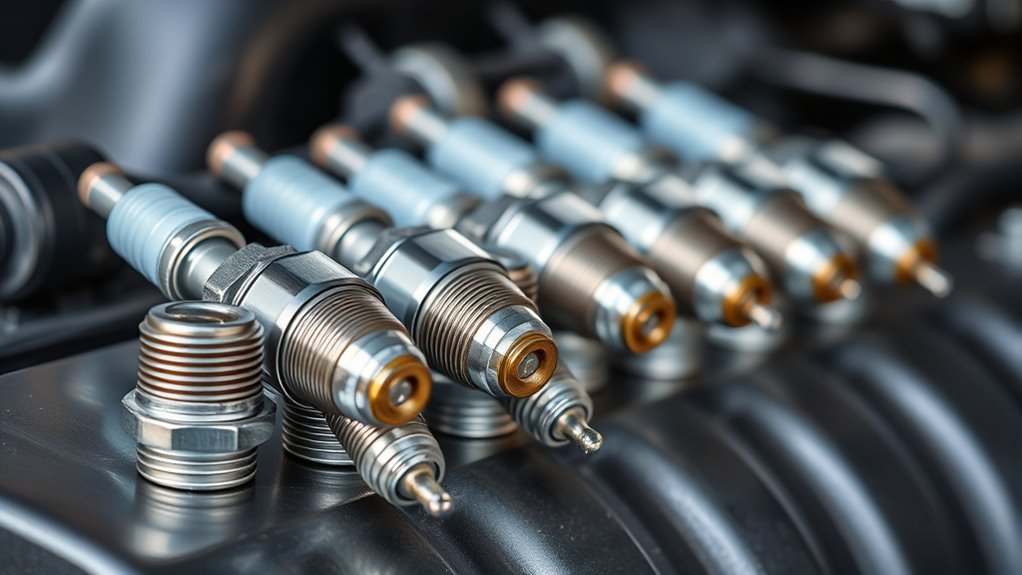
To boost your Honda CR-V’s performance, consider upgrading to high-quality spark plugs like NGK Iridium IX, Denso Platinum TT, or Bosch Platinum+4.
These plugs provide a stronger spark, improve fuel efficiency, and increase power. Choose iridium or platinum options for durability and longer life.
Proper installation, maintenance, and avoiding common mistakes are key.
Keep exploring to uncover detailed tips and advice that can help you get the most from your upgrades.
Key Takeaways
- Choose iridium or platinum spark plugs for durability and better engine performance in your Honda CR-V.
- Reputable brands like NGK Iridium IX, Denso Platinum TT, or Bosch Platinum+4 are great options.
- Make sure to install them with the correct torque and gap settings to get the most out of your engine.
- Regularly check and replace worn spark plugs to keep your vehicle running at its best, saving fuel and maintaining power.
- Upgrading to high-quality spark plugs can also help reduce emissions, prevent engine knocking, and improve acceleration.
Why Upgrading Spark Plugs Boosts Your Honda CR-V’s Performance
Upgrading your Honda CR-V’s spark plugs can greatly improve its performance because new plugs guarantee better combustion efficiency. When you choose quality spark plug brands, you ensure reliable ignition and smoother engine operation.
Fresh spark plugs provide a stronger spark, helping your engine burn fuel more completely. This increases power and improves fuel economy. It’s a simple yet effective step in performance tuning that makes your vehicle run more efficiently.
Fresh spark plugs boost engine power and fuel efficiency for a smoother, more responsive ride.
Better combustion also reduces emissions and engine knocking. By selecting high-quality spark plugs, you minimize misfires and hesitation, especially during acceleration.
Plus, newer plugs usually have advanced designs that withstand higher temperatures and wear better over time. This results in improved throttle response and a better overall driving experience.
Upgrading spark plugs isn’t just maintenance; it’s a smart move to maximize your CR-V’s potential and keep it running at its best.
What to Look for When Choosing Spark Plugs for Your Honda CR-V
Choosing the right spark plugs for your Honda CR-V is essential to get the most out of your upgrade. You should consider spark plug materials and engine compatibility to ensure peak performance and longevity.
Spark plug materials like copper, platinum, or iridium impact durability and firing efficiency. For instance, iridium plugs last longer and provide better ignition, especially in colder climates.
Engine compatibility is just as important. Picking a spark plug designed specifically for your CR-V’s engine ensures proper fit and function.
| Spark Plug Material | Best for |
|---|---|
| Copper | Budget-friendly, quick heat-up |
| Platinum | Longer-lasting, reliable |
| Iridium | High performance, durability |
| Nickel | Standard, compatible |
| Double Platinum | Extended life, smooth operation |
The Best Spark Plug Types for Honda CR-V Power and Efficiency
To boost your Honda CR-V’s power and efficiency, choosing the right spark plug type is key. The best options usually include spark plugs made from copper, platinum, or iridium, each offering different advantages.
Copper spark plugs provide quick heat transfer and good performance at a lower price. However, they tend to wear out faster than other types. Platinum and iridium plugs are more durable and keep the engine igniting properly over time, which helps improve efficiency and power.
Copper spark plugs offer quick heat transfer and affordability but wear out faster than platinum or iridium options.
It’s also important to select a spark plug that matches your engine’s ignition timing. Proper timing ensures the fuel-air mixture ignites at just the right moment, maximizing both power and fuel economy.
For most Honda CR-V models, platinum or iridium plugs offer a great balance between longevity and performance. They provide reliable ignition and consistent power.
Top Iridium and Platinum Spark Plugs for Longevity on Your Honda CR-V
In relation to maximizing your Honda CR-V’s longevity and consistent performance, iridium and platinum spark plugs stand out as top choices. These materials are well-known for their durability and ability to provide long-lasting performance. When selecting spark plug brands, it’s best to go for reputable options known for quality and reliability. Here are some top picks:
- NGK Iridium IX – Known for performance improvements and longevity, perfect for daily driving.
- Denso Platinum TT – Offers excellent durability and consistent spark delivery.
- Bosch Platinum+4 – Provides reliable performance and boosts fuel efficiency.
- Autolite Iridium XP – Balances long life with strong ignition capabilities.
Choosing these spark plugs ensures you get the most out of your CR-V when it comes to durability and performance. It also helps reduce maintenance costs over time. Investing in trusted brands with iridium or platinum tips means enjoying smoother operation and a longer lifespan.
How to Install Spark Plugs in Your Honda CR-V: A Step-by-Step Guide
Before you get started, make sure you’ve got all the tools and safety gear you’ll need. It’s always better to be prepared, right? Taking a little time to gather everything upfront will make the whole process a lot smoother and safer for you. Just a heads up—if you follow each step carefully, you’ll be able to replace those spark plugs without any trouble and avoid accidentally damaging anything. With the right prep work, you’ll have those new spark plugs installed efficiently and safely in no time!
Tools and Safety Gear
Gathering the right tools and safety gear is essential before you start replacing your spark plug. You’ll want maintenance tools that make the process smooth and safe. Here’s what you should have on hand:
- A spark plug socket and ratchet wrench for easy removal and installation.
- A torque wrench to ensure proper tightening.
- Safety gloves and goggles to protect your hands and eyes.
- A spark plug gap tool to check and adjust the gap if needed.
Using the correct tools keeps the task straightforward and helps prevent damage. Remember to work in a well-ventilated area and avoid hot engine parts. These basic tools and safety gear will help make your DIY project safe, efficient, and successful.
Step-by-Step Replacement
With your tools and safety gear ready, it’s time to start replacing the spark plugs in your Honda CR-V. Begin by locating the spark plugs and removing the ignition coils.
Choose the correct spark plug types for your vehicle, whether iridium or platinum, and make sure they match the manufacturer’s specifications. Use a spark plug socket and extension to carefully unscrew each old plug.
When installing new plugs, follow the tips: tighten them to the specified torque to prevent damage or misfire. Check the gap on each spark plug before installation; this is key for peak performance.
Once all plugs are in place, reconnect the ignition coils. Start your engine to ensure smooth operation. Proper installation keeps your Honda CR-V running efficiently and reliably.
Signs It’s Time to Replace Your Honda CR-V’s Spark Plugs
If your Honda CR-V begins to misfire or hesitates when you’re driving, that’s often a good sign it’s time to check the spark plugs. You might also notice that your fuel economy isn’t what it used to be, or maybe your car is having a tough time starting up in the mornings.
Paying attention to these little signs can really save you from bigger problems down the road. If you catch these issues early, replacing the spark plugs is usually a quick fix that keeps your CR-V running smoothly.
Engine Misfires or Hesitations
Engine misfires or hesitations are clear signs that your Honda CR-V’s spark plugs might need replacing. These problems can really mess with how your engine runs, making your drive rough and less efficient.
If you notice hesitation when you’re accelerating or occasional misfires, it’s a good idea to check your spark plugs. Keep an eye out for these signs:
- Rough idling — when the engine runs unevenly.
- Loss of power — feeling sluggish during acceleration.
- Engine stalling — sudden stalls while driving.
- Poor throttle response — delayed acceleration.
Different types of spark plugs, like copper, platinum, or iridium, wear differently and can affect your engine’s performance. Replacing worn plugs with the right type helps keep everything running smoothly and prevents ongoing misfires or hesitations. Stay attentive to these signs to keep your ride performing at its best.
Reduced Fuel Efficiency
When your Honda CR-V starts using more fuel than usual, it’s a clear sign that your spark plugs might need replacing. Worn or dirty spark plugs can mess with the fuel system’s efficiency, leading to incomplete combustion.
This forces your engine to work harder, which reduces your overall fuel economy. Poor spark plug performance can also make it harder to properly tune your engine, decreasing mileage.
If you notice your vehicle’s fuel consumption creeping up even when you’re driving the same way, it’s time to check and replace your spark plugs. Fresh spark plugs ensure proper ignition, improve fuel combustion, and boost engine efficiency.
Keeping your spark plugs in good shape helps maintain peak fuel economy and extends the life of other fuel system components.
Difficulty Starting Vehicle
Having trouble starting your Honda CR-V? It might be a sign that your spark plugs need replacing, which can affect how well your ignition system works. When spark plugs wear out, starting your vehicle can become more difficult.
Watch out for these signs:
- Your engine cranks longer than usual before it starts
- Rough idling or stalling right after ignition
- Poor acceleration or hesitation when you press the gas
- Increased fuel use even if your driving habits haven’t changed
These issues mean your spark plugs aren’t firing properly, making it harder for your car to start smoothly. Worn spark plugs can cause misfires or even prevent your vehicle from starting altogether. Replacing them on time helps ensure reliable starts and keeps your engine running smoothly.
Budget vs. Premium Spark Plugs: Which Are Right for Your Honda CR-V?
Are you wondering whether to choose budget or premium spark plugs for your Honda CR-V? Your choice depends on your driving needs and budget.
Budget spark plugs often use basic materials like copper, which provide good conductivity but may wear out faster. Premium options usually feature advanced materials such as iridium or platinum, offering better durability and consistent spark performance.
These materials help optimize ignition timing, leading to smoother engine operation and improved fuel efficiency. If you drive daily and want reliable performance, investing in premium spark plugs can be worth it.
However, if your driving is mostly casual and you’re on a tight budget, budget spark plugs can do the trick for now. Ultimately, think about the balance between cost, longevity, and performance.
Knowing how spark plug materials influence ignition timing can help you make an informed decision that keeps your Honda CR-V running smoothly.
Common Mistakes When Replacing Spark Plugs in Your Honda CR-V
Replacing spark plugs in your Honda CR-V might seem straightforward, but there are some common mistakes that can cause performance issues or even damage your engine. First off, installation errors are easy to make if you forget to tighten the plugs properly, which can lead to leaks or misfires.
Another frequent mistake is not checking or setting the correct gap. Failing to do so can cause poor combustion and reduce efficiency. It’s important to always verify the gap before installing the plugs.
Torque issues are also common. If you don’t tighten the spark plugs to the manufacturer’s specifications, you risk damaging the threads or the plug itself. Be sure to use a torque wrench for accuracy.
Ignoring the heat range and choosing the wrong or low-quality spark plugs can lead to overheating or fouling. Always select the right heat range and quality plugs for your CR-V.
To avoid these mistakes, double-check the torque, confirm the proper gap, pick the correct heat range, and opt for quality spark plugs. Skipping these steps can hurt your engine’s performance and its lifespan.
Tips to Maximize Spark Plug Performance and Longevity
Proper installation and correct gap setting are just the start; to keep your Honda CR-V’s spark plugs performing their best and lasting longer, you need to adopt specific maintenance habits.
Regular spark plug maintenance, like inspecting for wear, deposits, or corrosion, helps prevent misfires and keeps your engine running smoothly. Keep your spark plugs clean and replace them at the manufacturer’s recommended intervals.
Performing performance tuning, such as checking and adjusting the spark plug gap, ensures reliable ignition and efficient fuel combustion. Use quality spark plugs suited for your vehicle and don’t neglect ignition system components that affect spark quality.
Monitor your engine’s performance; rough idling or decreased fuel efficiency could be signs of spark plug issues. Adopting these habits will improve engine responsiveness, boost fuel economy, and extend the lifespan of your spark plugs.
All these steps will help your Honda CR-V run smoothly and efficiently over time.
FAQs About Upgrading Spark Plugs in Your Honda CR-V
Thinking about upgrading the spark plugs in your Honda CR-V? You might wonder which spark plug types suit your vehicle best or how to guarantee proper installation. Here are some FAQs to guide you:
1. What spark plug types are recommended?
Iridium and platinum plugs are popular for their durability and performance, but your owner’s manual will specify the ideal type.
2. How often should I replace my spark plugs?
Typically, every 30,000 to 50,000 miles, but check your manual for specific intervals.
3. Any installation tips?
Always disconnect the battery, use the correct socket size, and apply anti-seize compound if recommended. Proper torque is essential to prevent damage.
4. Can I upgrade without professional help?
Yes, but follow precise installation tips and ensure you choose compatible spark plug types for your CR-V to avoid issues.
Frequently Asked Questions
How Often Should I Replace Spark Plugs in My Honda CR-V?
You should replace your Honda CR-V’s spark plugs every 30,000 to 50,000 miles for optimal maintenance. Regular replacement helps keep your ignition system strong and your engine running smoothly.
This also helps with fuel efficiency. Keep an eye out for signs like misfires or rough idling, which mean it’s probably time for a change.
Staying on top of spark plug replacement keeps your vehicle reliable and protects your ignition system’s health.
Will Aftermarket Spark Plugs Void My Honda CR-V Warranty?
Using aftermarket spark plugs can potentially affect your Honda CR-V’s warranty, especially if they cause damage or issues that aren’t linked to the original part.
However, many aftermarket benefits include improved performance and efficiency. To avoid warranty issues, choose high-quality spark plugs and keep records of your installation.
Always check your warranty terms and consider consulting your dealer before making modifications. Doing so can help ensure your coverage stays intact.
Can I Upgrade Spark Plugs Myself or Need a Mechanic?
You can upgrade spark plugs yourself if you’re comfortable with basic car maintenance.
Just make sure to choose the right spark plug types for your Honda CR-V and follow some installation tips like disconnecting the battery, checking the proper gap, and tightening everything to the manufacturer’s specs.
But if you’re not confident or unfamiliar with engine work, it’s safer to let a mechanic handle it. That way, you avoid risking damage to your vehicle or affecting your warranty coverage.
Do Spark Plugs Affect Fuel Economy in My Honda CR-V?
Imagine your engine’s spark plugs igniting fuel with every combustion, fueling your drive smoothly. When spark plugs are fresh and within their lifespan, they optimize fuel combustion, improving your Honda CR-V’s fuel economy.
Worn-out plugs cause misfires and inefficient burning, wasting fuel. Regularly replacing your spark plugs guarantees efficient combustion, helping you save on fuel costs and keep your engine running at peak performance.
Are High-Performance Spark Plugs Suitable for All Honda CR-V Models?
High-performance spark plug types can benefit many Honda CR-V models, but they aren’t universally suitable. You should consider your specific model’s engine and driving needs before upgrading.
These spark plugs often offer performance benefits like improved acceleration and fuel efficiency. However, for some models, standard spark plugs might be all you need.
Always check your owner’s manual or consult a mechanic to verify compatibility and peak performance.
Conclusion
Upgrading your Honda CR-V’s spark plugs is like giving your engine a fresh breath of air—revving with power and efficiency. Think of it as replacing worn-out shoes with new ones; suddenly, every step feels lighter and smoother.
Don’t settle for a sluggish, sputtering routine when a simple upgrade can transform your drive into a seamless journey. Welcome the change, and watch your vehicle’s performance soar like a bird taking flight.
Choosing the right spark plugs for your Honda CR-V can make all the difference. It’s a small upgrade that leads to big improvements in speed, fuel economy, and overall engine health.