What Is Gapping Spark Plugs? A Simple Guide to Engine Care
Are you tired of your engine misfiring or feeling sluggish? You’re not alone—many car owners struggle with maintaining optimal spark plug performance, which can impact your vehicle’s efficiency and smoothness.
One simple yet crucial step is gapping spark plugs correctly to keep your engine running smoothly.
Gapping spark plugs means setting the correct space between the center and ground electrodes to guarantee proper ignition. This gap impacts how efficiently your engine runs, affects fuel economy, and helps prevent misfires.
If gaps are too narrow or wide, it can cause poor combustion and engine roughness. Using the right tools, you can check and adjust the gap easily.
To keep your engine running smoothly, it’s helpful to learn more about maintaining ideal spark plug gaps.
Key Takeaways
- Spark plug gapping means adjusting the space between the center and ground electrodes for the best ignition.
- When the gaps are just right, your engine burns fuel more efficiently, runs smoother, and even saves you some gas.
- To get the right gap, use a feeler gauge or gap tool to measure the distance, then gently bend the electrode if needed.
- If the gaps are off, you might experience misfires, rough idling, or other engine troubles.
- Make a habit of checking and adjusting your spark plug gaps regularly to keep your engine running well and reduce emissions.
What Are Spark Plug Gaps and Why Do They Matter?
A spark plug gap is the small space between the center and ground electrodes of a spark plug. This gap is important because it directly impacts ignition efficiency, helping your engine run smoothly.
Different spark plug types might need specific gaps to perform their best, so always check your vehicle’s manual. When the gap is too narrow, the spark can be weak, causing misfires or sluggish acceleration.
If the gap is too wide, the spark might not jump consistently, leading to poor fuel combustion. Keeping the right gap ensures a strong, reliable spark, which boosts engine efficiency and power.
It also helps reduce emissions and extends the life of your spark plugs. Regularly inspecting and adjusting the gap keeps your engine running at its best.
Even small changes in the gap can make a big difference in how well your engine delivers power and responds to your driving.
Why Spark Plug Gaps Are Critical for Engine Performance
Proper spark plug gaps are crucial because they affect how well your engine ignites the air-fuel mixture. When the gaps are set right, the spark can jump across the electrodes with the right amount of energy, leading to complete combustion.
Proper spark plug gaps ensure efficient ignition and complete combustion for optimal engine performance.
If the gaps are off, you might experience misfires, rough idling, and less power, all of which hurt engine performance. Regularly checking and maintaining your spark plug gaps helps catch these issues early and keeps your engine running smoothly.
Proper gaps also help save fuel because your engine doesn’t have to work as hard to ignite the mixture. If the gaps are too wide or too narrow, the spark may be weak or inconsistent, causing incomplete combustion and higher emissions.
Ensuring your spark plugs are correctly gapped improves their performance, which leads to better engine efficiency, smoother acceleration, and a longer engine life. Keeping your spark plug gaps properly maintained is a simple but key step to making sure your engine runs at its best.
Tools You Need to Check and Adjust Spark Plug Gaps
To accurately check and adjust spark plug gaps, you’ll need a few essential tools designed for precision and ease of use. A spark plug gap tool or feeler gauge is vital for measuring the gap accurately across different spark plug types. This helps you set the gap to the manufacturer’s specifications, ensuring your engine runs smoothly.
A wire brush or electrode cleaner can be handy for removing carbon buildup and restoring conductivity if needed. Lastly, a torque wrench is important for installing the spark plugs correctly without over-tightening, which can damage the threads or change the gap.
Having these tools ready makes checking and adjusting spark plug gaps simple, whether you’re working on conventional or iridium spark plugs.
How to Check Your Spark Plug Gap
To check your spark plug gap, you’ll want to grab a feeler gauge or a spark plug gap tool. It’s pretty straightforward—just make sure you’re using the right tool for the job.
Next, you’ll want to understand the proper way to gap your spark plug so you get an accurate measurement. Taking your time here really pays off because a correct gap is key to helping your engine run smoothly and efficiently.
Tools Needed for Inspection
Checking your spark plug gap needs a few key tools to help you get accurate results. First up, you’ll want a spark plug gap tool or gauge to measure the gap precisely for different spark plug types.
You’ll also need a wire brush or cleaner to remove any dirt or carbon buildup that could mess with your inspection. Lastly, a socket wrench or spark plug socket makes taking out and putting back the plugs much easier and safer.
Using the right tools ensures you get correct readings and avoid damage, especially with different spark plug types. Proper inspection keeps your engine running smoothly and helps it last longer.
Proper Gapping Technique
After gathering your tools, it’s time to carefully check the spark plug gap. Start by identifying your spark plug types, since different designs may need specific gapping methods.
Use a feeler gauge to measure the gap accurately. Usually, you insert the gauge between the center and ground electrode. If the gap is too wide, gently bend the ground electrode inward; if it’s too narrow, carefully pry it outward.
Always double-check your measurements after making adjustments. Proper gapping ensures peak engine performance and fuel efficiency.
Be precise and avoid forcing the electrodes, as this can damage the plug. Whether you’re working with iridium, platinum, or standard spark plugs, correct gapping is key for reliable ignition.
How to Properly Adjust Your Spark Plug Gap
Adjusting the spark plug gap correctly is key for your engine to run smoothly, with good fuel efficiency and reliable performance. First, identify your spark plug type, since different designs might need specific gapping techniques. Use the right tools—like a feeler gauge or a spark plug gap tool—to measure the gap accurately.
To adjust, carefully remove the spark plug from the engine. Then, check the current gap using your gapping tools and compare it to the manufacturer’s specs. If it needs adjusting, gently bend the electrode with your gapping tool, being careful not to apply too much force.
Make sure your adjustments are precise and double-check the gap after bending. Properly gapped spark plugs help with reliable ignition and peak engine performance. Always handle spark plugs gently to avoid damage, and follow the recommended gap for your vehicle or engine.
Signs Your Spark Plugs Need Re-Gapping or Replacement
If your engine keeps misfiring or running rough, it might be time to check your spark plugs for re-gapping or replacement. Sometimes, those little components can get out of sync or wear out over time, affecting how your engine runs.
You might also notice that your car isn’t performing as well as it used to, or maybe your fuel economy isn’t quite what it was. These can be signs that your spark plugs aren’t working properly. Keeping an eye on these symptoms can really help you catch any issues early and keep your engine running smoothly and efficiently.
Engine Misfires Occur Frequently
Engine misfires are a clear warning sign that your spark plugs may need re-gapping or replacement. When misfires happen often, it’s a good idea to check your engine diagnostics to find out what’s going on.
Worn or improperly gapped spark plugs can mess up the combustion process, causing rough idling or hesitation. Keep in mind, spark plug lifespan varies, but regular checks can help prevent misfires.
You might notice symptoms like a rough engine idle, difficulty accelerating, or increased fuel consumption. If these issues stick around, your spark plugs could be misfiring because of incorrect gapping or wear.
Addressing this quickly helps ensure your engine runs smoothly and prevents further damage. Always keep an eye on your spark plugs’ condition to maintain peak performance and extend their lifespan.
Noticeable Decrease in Performance
A noticeable drop in your vehicle’s performance often signals that your spark plugs might need re-gapping or replacement. You might notice sluggish acceleration, rough idling, or a lack of power during driving.
These issues happen because gap changes can disrupt the spark’s timing and strength, leading to inefficient combustion. When the spark plug gap is too wide or too narrow, it hampers proper ignition and causes your engine to struggle.
If you experience consistent dips in performance despite regular maintenance, it’s time to check your spark plugs’ gaps. Properly gapped spark plugs ensure ideal ignition, smooth operation, and steady power output.
Addressing gap issues quickly can prevent further engine problems and keep your vehicle running at its best.
Increased Fuel Consumption
When your vehicle starts consuming more fuel than usual, it might be a sign that your spark plugs are out of sync. Worn or poorly gapped spark plugs can cause inefficient combustion, which decreases fuel efficiency.
This not only raises your fuel costs but can also affect your engine’s lifespan if you ignore it. Look out for signs like rough idling, misfires, or difficulty starting.
If you notice a sudden increase in fuel consumption, engine misfires, or reduced overall fuel efficiency, consider re-gapping or replacing your spark plugs. Maintaining properly gapped spark plugs ensures better combustion, leading to improved fuel economy and a longer-lasting engine.
Regular checks and timely replacements are key to keeping your vehicle running smoothly.
When Should You Replace Spark Plugs Instead of Gapping Them?
Ever wonder if you should just gap your spark plugs or replace them altogether? Knowing when to replace instead of gap is key to keeping your engine healthy.
Spark plug lifespan varies, but most last between 30,000 and 100,000 miles, depending on your vehicle and driving habits. You might need to replace them if you notice persistent misfires, rough idling, difficulty starting, or a noticeable drop in fuel efficiency.
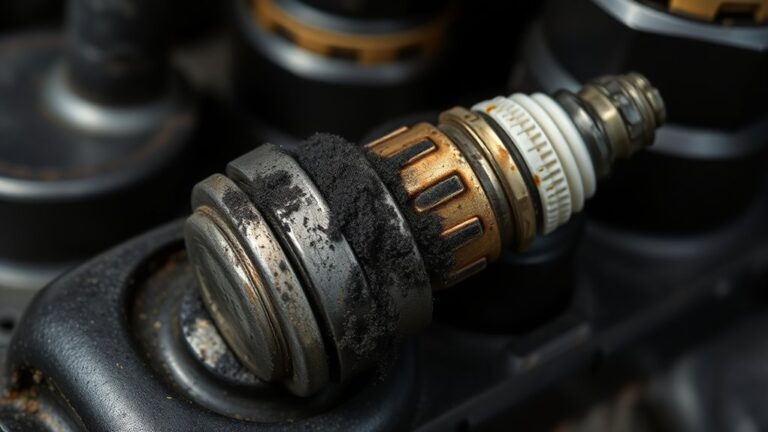
If your spark plugs look worn, cracked, fouled, or have heavy carbon buildup, it’s time for a replacement. Gapping a worn spark plug won’t fix the underlying issues caused by wear or damage.
Replacing them ensures your engine runs smoothly and efficiently. Regular inspections can help catch these signs early.
Even if your spark plugs look okay visually, their performance might have declined. When in doubt, check your vehicle’s manual or ask a mechanic to see if replacing is necessary instead of just gapping.
Tips to Maintain Spark Plug Gaps and Extend Engine Life
Want your engine to run smoothly and last longer? It’s a good idea to check your spark plug gaps regularly and make adjustments when needed. Don’t worry, it’s pretty straightforward—just follow the proper technique to get accurate gaps every time.
And when it’s time to replace your spark plugs, go for high-quality ones. They tend to last longer and perform better, which means fewer headaches down the road. Just keeping an eye on these simple steps can really help boost your engine’s performance and extend its lifespan.
Regular Gap Inspection
Regularly inspecting your spark plug gaps is key to keeping your engine running smoothly and avoiding costly repairs. Checking the gap often ensures your spark plugs perform at their best, which helps reduce misfires and boosts fuel economy.
Make it a habit to measure the gap regularly, especially if your engine feels hesitant or idles roughly. When you check, look for signs of wear or damage that could hurt performance. Even small deviations in the gap can affect ignition timing.
Use a feeler gauge for accurate measurements, and compare the gap to your vehicle’s specs. Regular gap checks save you money on repairs and extend the life of your spark plugs. Staying proactive is the best way to keep your engine reliable.
Proper Gap Adjustment Technique
Maintaining the correct spark plug gap requires careful adjustment to guarantee peak engine performance and longevity. To do this, use proper gapping techniques by first measuring the gap with a feeler gauge.
Gently bend the electrode if necessary, avoiding excessive force that could damage the plug. Always verify the gap after adjustments, as even minor changes can impact engine efficiency.
Consistent spark plug maintenance involves checking the gap regularly, especially before installation or after cleaning. Keep your tools clean and handle the plugs carefully to prevent damage.
Proper gap adjustment guarantees ideal combustion, fuel economy, and engine smoothness. By mastering these gapping techniques, you extend your spark plugs’ lifespan and maintain your engine’s top performance.
Use Quality Spark Plugs
Choosing high-quality spark plugs is essential because they guarantee reliable ignition and peak engine performance. Quality spark plugs, made from durable materials like platinum or iridium, last longer and resist wear better than cheap options.
When selecting spark plug brands, go for reputable names known for consistency and reliability. Using premium spark plugs also helps maintain proper gaps and prevents misfires.
To extend engine life, focus on investing in spark plugs with superior materials for longevity. Choose trusted brands for dependable performance and ensure the spark plugs match your vehicle’s specifications.
Troubleshooting Spark Plug Gapping Problems Affecting Your Engine
If your engine isn’t running smoothly, one common culprit could be improperly gapped spark plugs. Different spark plug types require specific gapping techniques to guarantee proper performance.
Failure to maintain the correct gap can lead to misfires, reduced fuel efficiency, and engine hesitation. To troubleshoot, start by removing the spark plugs and inspecting the gaps with a feeler gauge.
Incorrect spark plug gaps can cause engine misfires, poor fuel economy, and hesitation. Inspect and adjust carefully.
If the gap is too wide or too narrow, adjust it carefully following the recommended specifications for your spark plug type. Remember, different types—such as copper, platinum, or iridium—may have slightly different gapping needs.
Always check your vehicle’s manual or manufacturer guidelines before making adjustments. Proper gapping not only improves engine performance but also prevents premature spark plug wear.
If you’re unsure, it’s worth consulting a mechanic or using precise gapping tools to avoid damaging the spark plugs or affecting your engine’s operation.
What Is the Correct Spark Plug Gap for Your Vehicle?
Ever wonder how to find the right spark plug gap for your vehicle? The correct gap depends on your engine specs and the type of spark plug you’re using. Your owner’s manual will have the exact measurement you need.
Different spark plug types like copper, platinum, or iridium might need slightly different gaps for the best results. To get it right, check your vehicle’s specs, look at the spark plug packaging, or follow the manufacturer’s guidelines.
Use a feeler gauge to be precise when adjusting the gap. Making sure it matches the recommended measurement helps ensure efficient combustion and smooth engine performance.
Ignoring the correct gap can cause misfires, poor fuel economy, and engine problems. Always double-check the gap before installing new spark plugs to keep your engine running at its best.
Frequently Asked Questions
Can Incorrect Spark Plug Gaps Cause Engine Misfires?
Yes, incorrect spark plug gaps can cause engine misfires. When the gap isn’t right, the spark plug doesn’t perform as well, leading to incomplete combustion.
This can make your engine run rough, especially during idling or acceleration. Properly gapped spark plugs help ensure a strong, consistent spark.
Keeping the gap correct is key to maintaining good engine performance. Regularly check and adjust the gap to help prevent misfires and keep your engine running smoothly and efficiently.
How Often Should Spark Plug Gaps Be Checked During Maintenance?
You should check spark plug gaps during regular spark plug maintenance, ideally every 30,000 miles or as recommended by your vehicle’s manufacturer.
Use a gap measurement tool to verify the gap is correct. This helps prevent misfires and improves engine performance.
Regular gap checks keep your engine running smoothly, save fuel, and extend spark plug life.
Make it a routine part of your vehicle’s maintenance schedule.
Are Gapped Spark Plugs Suitable for All Types of Engines?
Gapped spark plugs are like a key fitting a lock. They’re not suitable for every engine.
You need to check spark plug types and engine compatibility before installation. Some engines require specific gap sizes or designs, so using the wrong type can cause misfires or poor performance.
Always match your spark plug’s specifications to your engine’s requirements. This helps ensure smooth operation and maximum fuel efficiency.
What Are the Risks of Over-Tightening Spark Plugs?
Over-tightening spark plugs can cause damage, like cracked insulators or stripped threads. If you screw them in too tightly, you might hurt the spark plug or even the cylinder head.
Not following the right torque specs increases that risk and could lead to costly repairs. Always tighten your spark plugs to the recommended torque to avoid these problems.
Getting the torque right ensures a secure fit without damaging parts, helping your engine run smoothly and efficiently.
How Do Temperature Variations Affect Spark Plug Gap Requirements?
Temperature variations impact your spark plug gap because different spark plug materials, like copper or platinum, react differently to heat changes.
When temperatures rise, the gap may widen, which can reduce efficiency. On the other hand, colder conditions can cause the gap to narrow.
To keep your engine running smoothly, you need to adjust the gap based on temperature fluctuations. This helps ensure your spark plug materials support proper combustion and durability in all conditions.
Conclusion
Keeping your spark plug gaps in check is like tending a garden—you need to stay on top of it to guarantee everything blooms smoothly. Regularly inspecting and adjusting your spark plugs can prevent engine issues and keep your ride running like clockwork.
Don’t wait until problems sprout. A little effort now can save you from bigger headaches later. Stay vigilant, and your engine will thank you for it, running as smooth as a well-oiled machine.
By paying attention to your gapping spark plugs, you’re helping your engine perform its best. Properly gapped spark plugs are key to efficient combustion and reliable performance.