How to Put Booster Car Seat: Step by Step Installation Guide
Many parents find installing a booster car seat a bit daunting, and you’re not alone in feeling that way. Ensuring your child’s safety every ride is crucial, but the process can sometimes seem complicated or confusing. Don’t worry—we’re here to make it easier with some simple, step-by-step tips.
To install a booster seat, start by preparing your vehicle—check safety features and clear the back seat. Choose a booster suited to your child’s size and position it flat against the seat.
Secure your child by making certain the seat belt fits snugly across their shoulder and lap, with the seat properly anchored. Firmly shake the booster to confirm stability and check for proper belt positioning.
If you keep these steps in mind, you’ll guarantee your child’s safety every ride. Keep going for more tips to perfect your installation process.
Key Takeaways
- Choose a booster seat that fits your child’s age, weight, and height. Make sure it meets safety standards and provides a proper fit.
- Place the booster seat securely on the vehicle seat. Ensure it sits flat and snug against the seat back or bottom for stability.
- Position your child correctly with their back against the seat. Their feet should be flat on the floor for comfort and safety.
- Adjust the seat belt so it fits snugly across the shoulder and chest. The lap belt should sit on their thighs, not the stomach.
- Firmly shake the booster to check that it’s securely installed. Make sure the seat belt fits properly without any slack.
How to Prepare Your Vehicle and Booster Seat for Safe Installation
Before installing your booster seat, check that your vehicle is ready for a safe and proper setup. Make sure your seat belts, airbags, and seat anchors are in good condition and working correctly.
Get familiar with your car’s safety features, like LATCH systems or seat belt locks, to see if they work with your booster seat. Review the booster seat instructions so you understand how it fits in your vehicle and provides the best protection.
Learn your vehicle’s safety features and review booster seat instructions for proper fit and maximum protection.
Clear out the back seat of any objects that might interfere with a secure installation. Make sure the seat is clean and free of debris, which could affect its stability.
Check that the seat belt routing points are accessible and intact. Doing these safety checks and understanding your booster seat features will help you prepare your vehicle for a safe, effective installation.
This way, your child will have maximum protection when on the road.
Choose the Right Booster Seat for Your Child’s Age and Size
Selecting the right booster seat depends on your child’s age, weight, and height, ensuring they are properly secured and protected.
Pick a booster seat that fits your child’s size and your vehicle comfortably. There are various types, like backless and high-back models, each suited for different needs.
Always check safety ratings to make sure the seat meets or exceeds safety standards.
A good booster seat helps position the lap and shoulder belts correctly, which reduces injury risk.
| Booster Seat Types | Recommended Age | Safety Ratings |
|---|---|---|
| Backless | 4-8 years | High safety ratings |
| High-back | 4-12 years | Excellent safety scores |
| Combination | 4-12 years | Top safety ratings |
| Youth Seat | 8+ years | Industry safety ratings |
Position Your Booster Seat Correctly in Your Vehicle
Making sure your booster seat is positioned correctly in your vehicle is really important for your child’s safety. First, think about the type of booster seat you have, since each one might fit differently based on your vehicle’s size and shape.
Some booster seats are high-back, which gives better support and works well with vehicles that have headrests. Backless options are good if your vehicle has adjustable headrests or low seats. Always check if your booster seat is compatible with your vehicle before you install it.
Place the booster seat on the vehicle seat, making sure it’s flat and stable. It should sit snugly against the seat back or bottom, depending on the type. Be sure it doesn’t slide or wobble around.
Make sure the booster seat doesn’t block the seatbelt buckle or cause it to sit at an improper angle. Proper positioning helps keep your child safe and comfortable, and ensures the seatbelt works as it should during travel.
Secure Your Child Properly in the Booster Seat
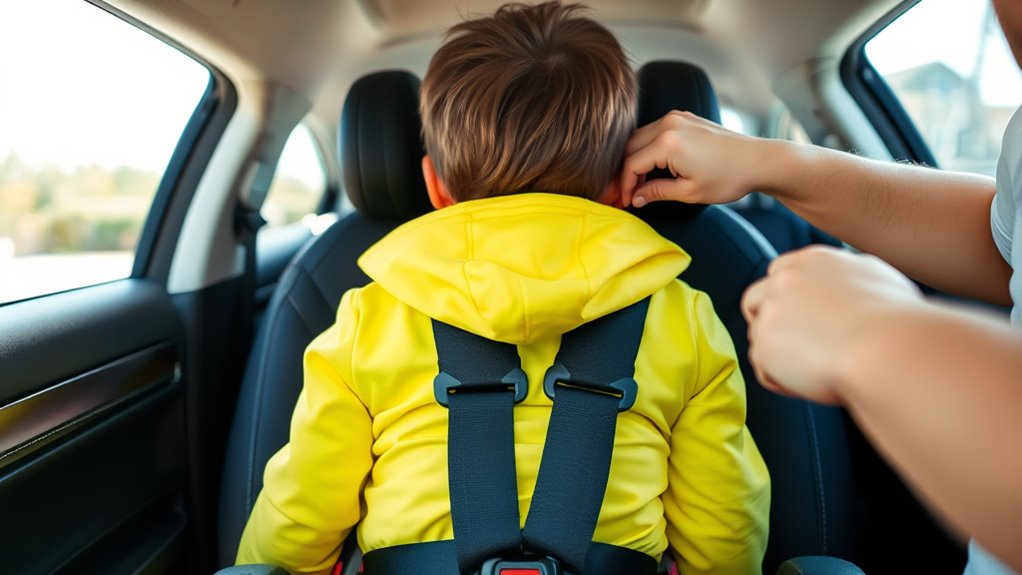
Securing your child properly in the booster seat is essential for their safety during every trip. Make sure the child is seated comfortably with their back flat against the seat back.
Adjust the booster so that the seat belt rests correctly across their shoulder and chest, avoiding the neck or face. The lap belt should sit snugly across the upper thighs, not the stomach.
Ensure the seat belt fits properly across the shoulder and lap for maximum safety and comfort.
Check that the safety features of the booster seat, like armrests or belt guides, are properly engaged to help position the seat belt correctly. Encourage your child to sit upright with feet flat on the floor or vehicle footwell, which improves both comfort and safety.
Regularly verify that the child remains in position throughout the trip, especially on longer rides. Properly securing your child maximizes the safety features of the booster seat and helps keep them safe in case of sudden stops or accidents.
Ensure Proper Seat Belt Use With Your Booster Seat
When your child is using a booster seat, it’s really important to make sure the seat belt fits just right. You want to check that the lap belt sits snugly across their upper thighs—not the stomach—and that the shoulder belt crosses the chest comfortably, without rubbing against their neck.
Also, take a moment to look at the belt tension. It should be secure, but not so tight that it’s uncomfortable. Making sure all of these fit properly helps keep your child safe and comfortable during the ride.
Correct Seat Belt Positioning
A proper seat belt fit is essential for your child’s safety when using a booster seat. You want the lap belt to sit snugly across your child’s upper thighs, not their stomach.
The shoulder belt should cross the middle of their chest and shoulder, not their neck or face. Correct belt alignment guarantees maximum protection in a crash.
Keep in mind that different booster seat types may require slight adjustments to get the best fit. Some models have built-in guides to help position the seat belt correctly.
Always double-check that the belt is flat and not twisted, and that it stays in proper alignment when your child sits upright. Proper seat belt positioning is key to keeping your child safe and secure while riding.
Ensuring Proper Fit
After confirming the seat belt is positioned correctly on your child’s body, double-check that it fits properly in the booster seat. The lap belt should lie snugly across your child’s upper thighs, not the stomach, to provide effective protection.
The shoulder belt should cross the middle of your child’s shoulder and chest, avoiding the neck or face. A properly fitting seat belt helps maximize the safety benefits of the booster seat during a crash or sudden stop.
If the belt is too loose or misaligned, it won’t offer the necessary restraint. Always readjust the belt as needed to ensure a secure, comfortable fit, reducing the risk of injury and giving you peace of mind that your child is safely protected.
Checking Belt Tension
To keep your child safe, it’s important to check that the seat belt has the right tension in the booster seat. During a tension check, make sure there’s minimal belt slack but not too tight.
Proper tension keeps the seat secure and makes sure the belt fits your child correctly. If the belt feels loose or too tight, adjust the seat or belt position as needed.
Here’s a quick guide:
| Belt Slack | Tension Level |
|---|---|
| Excessive | Belts are too loose |
| Adequate | Fits snug without slack |
| Too Tight | Belts are overly tight |
Make Sure the Seat Belt Fits Your Child Safely and Comfortably
Make sure the seat belt sits flat across your child’s chest and hips—not their neck or stomach. It’s important to adjust the seat or belt if needed so everything fits just right. You want your child to be comfortable, but also secure during the ride. Proper belt positioning really makes a difference in keeping your child safe and comfortable every time you’re on the road.
Proper Belt Positioning
Making sure the seat belt fits your child properly is key for their safety and comfort. Start by adjusting the belt so it lies flat across their chest and shoulder, not on their neck or under their arm.
Use belt alignment tips to check that the lap belt sits snugly across their hips, not the stomach. Confirm the shoulder belt isn’t too high or too low.
Booster seat accessories, like belt positioning clips, can help guide the belt into the correct spot if needed. Always double-check that the belt fits securely without pinching or causing discomfort.
Proper belt positioning reduces the risk of injury in a crash and keeps your child comfortable during the ride.
Ensuring Comfortable Fit
A properly fitted seat belt keeps your child both safe and comfortable in a booster seat. To ensure comfort, check that the lap belt fits snugly across your child’s upper thighs, not the stomach.
The shoulder belt should sit flat across the chest and shoulder, away from the neck or face. If the belt doesn’t fit right, adjust your child’s position or the seat itself.
Make sure the seat belt isn’t twisted and that your child sits upright with their back against the seat. Comfort is key for both safety and compliance.
Regularly reassess the fit as your child grows, making sure the seat belt stays properly positioned. This way, your child stays both secure and comfortable during every ride.
Check That Your Booster Seat Is Secure and Stable
Before your child sits in the booster seat, give it a firm shake to make sure it’s securely attached. Check that it doesn’t wobble or shift when you gently press on it. This helps ensure the booster seat’s stability, which is super important for your child’s safety.
Regularly inspect the straps, buckles, and base for any signs of wear or damage. Keeping everything in good shape is key to making sure safety features work properly. Also, make sure the harness or seatbelt fits snugly and correctly—loose or twisted straps can be dangerous.
Verify that the seat is properly positioned against the vehicle’s seat back, without any gaps. A secure, stable booster seat helps reduce the risk of injury during sudden stops or accidents.
Common Mistakes to Avoid When Installing a Booster Seat
Many parents sometimes make mistakes when installing booster seats, and that can really affect safety. It’s easy to accidentally position the seat the wrong way, or to not tighten the seat belt enough. Sometimes, parents also forget to check the weight limits for the seat.
To keep your child safe and secure, it’s important to avoid these common errors. Double-check that the booster seat is installed correctly, and make sure the seat belt fits snugly across your child’s hips and shoulders. Paying attention to these details can make a big difference in keeping your little one protected on every trip.
Incorrect Seat Positioning
One common mistake parents make when installing a booster seat is putting it in the wrong spot in the vehicle. Proper placement makes sure the booster works well and keeps your child safe. To get it right, follow these tips:
- Put the booster on the back seat, away from active airbags.
- Make sure it sits firmly against the vehicle seat without tilting.
- Check that your child’s knees bend comfortably at the edge of the seat.
- Ensure the seat belt fits properly across the shoulder and lap, not the neck or stomach.
Incorrect seat positioning can reduce safety and lessen the booster seat’s effectiveness. Always double-check that it’s aligned and secured properly, following the manufacturer’s instructions and safety rules for the best protection.
Loose Seat Belt Usage
A common mistake parents make when installing a booster seat is not securing the seat belt tightly enough. Loose seatbelt safety is really important for your child’s protection. If the belt isn’t snug, it can shift during a crash, making it less effective.
To make sure the booster seat is properly adjusted, always pull the seat belt firmly across your child’s chest and lap. Check for slack by trying to move the belt at the shoulder and waist. The belt should lie flat and snug without any twists or slack.
Proper installation involves making sure the belt is secure and comfortable. Use the table below to understand common issues and how to fix them:
| Issue | Solution |
|---|---|
| Belt feels loose | Re-adjust and tighten the seat belt |
| Belt twists | Flatten the belt before securing |
| Waist belt not snug | Pull the belt to remove slack |
| Shoulder belt too loose | Ensure it lies flat across the shoulder |
| Seat belt not secure | Confirm the seat belt clicks into place |
Ignoring Weight Limits
Ignoring the weight limits specified by the manufacturer is a common mistake that can compromise your child’s safety in a booster seat. Sticking to booster seat rules and weight limits helps ensure they stay properly protected.
When your child gets close to or exceeds the recommended weight, the booster may not keep them safe anymore. The seat belt might not fit right, which reduces its effectiveness.
Plus, improper seat belt positioning can increase the risk of injury. And if your child outgrows the booster too soon, they might not be adequately protected in a crash.
Always check the booster seat’s weight limits. Switch to a different seat when your child’s weight nears or exceeds those limits. Ignoring these guidelines can weaken the safety features built into your child’s booster seat.
Tips to Make Booster Seat Installation Easier and Faster
Streamlining the booster seat installation process can save you time and frustration. Start by familiarizing yourself with the booster seat features and gathering all necessary installation tools beforehand. This preparation reduces interruptions once you begin.
To make things smoother, keep the seat upright and accessible. Also, verify that the vehicle seat is clean and flat for easier installation.
Visualize your setup with this table:
| Booster Seat Features | Installation Tools | Easy Setup Tips |
|---|---|---|
| Adjustable headrest | Seat belt extender | Read instructions thoroughly |
| LATCH connectors | Level indicator | Double-check belt placement |
| Non-slip base | Torque wrench | Use a mirror for visibility |
Knowing your booster seat features and having the right tools on hand helps you install quickly.
Following simple tips like double-checking belt placement and using a level indicator can make the process faster and less stressful.
Adjust and Troubleshoot Your Booster Seat for Long-Term Safety
Once you’ve installed the booster seat correctly, it’s important to regularly check and adjust it to ensure ongoing safety. Proper booster seat adjustments guarantee your child’s safety and comfort during every ride.
To troubleshoot common issues, follow these steps:
- Check the seatbelt fit: Make sure the lap belt lies snugly across the upper thighs, not the stomach, and the shoulder belt crosses the chest without slack.
- Verify seat position: Ensure the booster is stable and doesn’t shift or wobble when your child moves.
- Inspect straps and latches: Tighten any loose straps and confirm the latch or belt system is secure and working properly.
- Assess your child’s posture: Make sure your child’s back is flat against the seat, with knees bent comfortably at the edge.
Regularly adjusting and troubleshooting your booster seat like this helps keep your child safe and comfortable for the long term.
Frequently Asked Questions
Can I Use a Booster Seat in Vehicles Without LATCH Anchors?
Yes, you can use a booster seat in vehicles without LATCH anchors, but you need to focus on safety and proper installation.
Check your vehicle’s compatibility and follow the manufacturer’s instructions carefully.
Make sure to secure the booster seat with the vehicle’s seat belt, fitting it tightly so it doesn’t move side to side or front to back.
Proper installation is really important for your child’s safety, especially in cars without LATCH anchors.
How Often Should I Check the Booster Seat’s Installation and Fit?
For booster seat safety, you should check the installation tips and fit at least once a month. Regular inspections help ensure the seat stays secure and properly positioned.
This reduces the risk of accidents during travel. Every time you use the booster seat, verify that the seat belt fits correctly across your child’s shoulders and hips.
Staying vigilant is key to preventing accidents caused by loose or improperly installed booster seats. This way, your child stays safe and secure every time you travel.
Are There Different Booster Seat Types for Specific Vehicle Models?
Yes, there are different booster seat types designed for specific vehicle models to ensure safety and proper fit.
You should check your vehicle manufacturer’s guidelines to find booster seats that are compatible with your car.
Some booster seats are made to fit smaller cars, SUVs, or trucks, so choosing the right one helps improve safety and comfort.
Always verify compatibility before buying or installing to keep your child secure.
What Signs Indicate My Child Has Outgrown the Booster Seat?
Did you know that nearly 40% of kids ride in booster seats past the recommended age?
You’ll know your child has outgrown the booster seat when they go beyond its age or weight limits, usually around age 8 or when they’re 4’9” tall.
If they can sit without slouching, keep their back against the seat, and the seatbelt fits properly across their chest and hips, it’s time to move on.
How Do I Clean and Maintain My Booster Seat Properly?
To keep your booster seat clean and in good shape, follow proper cleaning techniques like removing the fabric cover and washing it according to the manufacturer’s instructions. Use mild soap and water for plastic parts, and regularly check for wear or damage.
Maintenance tips include tightening straps, inspecting the seat’s stability, and replacing it if you notice cracks or deterioration. Regular cleaning and checks guarantee your child’s safety and prolong the seat’s lifespan.
Conclusion
Now that you know how to properly install a booster seat, you’re not just securing a seat—you’re protecting your child’s future. Think of it as planting a sturdy tree; with the right setup, it’ll stand tall and strong through every journey.
Follow these tips carefully, avoid common mistakes, and trust that your efforts will keep your little one safe and sound. After all, isn’t their safety worth every careful step you take? Proper booster seat installation is essential for their safety on every trip.