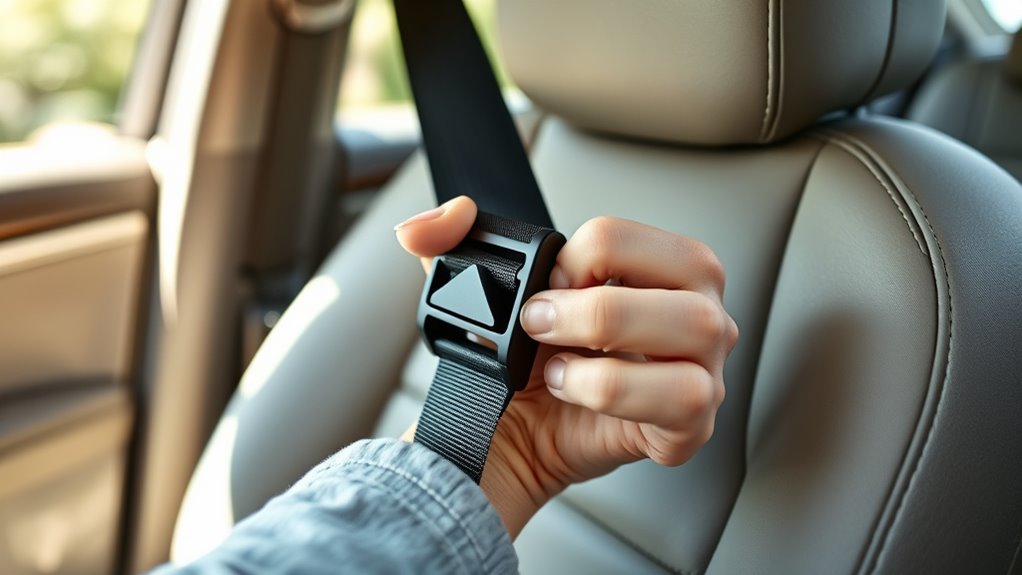
How to Remove Forward Facing Strap From Car Seat Safely
Removing the forward-facing strap from your car seat can feel tricky, especially if you’re unsure how to do it safely. Many parents and caregivers struggle with this process, worried about damaging the seat or compromising safety. You’re not alone—it’s a common concern, but with the right steps, you can handle it confidently.
To safely remove the forward-facing strap from your car seat, first consult the manufacturer’s instructions to understand the specific removal process. Gather the necessary tools, like a screwdriver, and prepare a clean, flat workspace away from children.
Carefully unclip and loosen the straps, checking for damage or twists as you go. Follow safety steps precisely, ensuring the seat remains secure.
Keep going for detailed tips to make the process safer and easier.
Key Takeaways
- Check the car seat manual for specific instructions and safety tips related to your model.
- Gather tools like a screwdriver or wrench, and set up a stable workspace.
- Carefully unclip and detach the strap, making sure to look for any signs of damage or wear before removing it.
- Follow the manufacturer’s instructions to store or dispose of the strap properly. Avoid using force or yanking.
- Do a final safety check to make sure the seat is secure and installed correctly without the strap.
Why Removing the Car Seat’s Forward-Facing Strap Matters for Safety
Removing the forward-facing strap from your car seat is crucial for your child’s safety. Proper strap safety keeps your child securely restrained during travel, helping prevent injuries in sudden stops or accidents.
Removing the forward-facing strap ensures your child’s safety and proper restraint during travel.
If the forward-facing strap isn’t adjusted correctly or is removed too soon, it can weaken the car seat’s safety features. A well-fitted strap keeps your child snug and protected, reducing the risk of excessive movement.
When the strap is too loose or worn out, it creates unsafe conditions, making it harder to keep your child in the right position. Removing or adjusting the strap at the right time ensures the car seat works as it should, giving maximum protection.
Always follow manufacturer guidelines and check that the straps are secure, properly positioned, and in good condition. Staying vigilant with strap safety is key to keeping your child safe on every trip.
When Should You Remove or Adjust the Forward-Facing Strap?
Knowing when to adjust or remove the forward-facing strap is key to keeping your kid safe as they get bigger. The right timing depends on your child’s size and age, so it’s important to follow safety guidelines.
Check the straps often, especially when your child hits the height or weight limits listed by the manufacturer. When they do, it’s time to upgrade to a booster or next-stage seat.
If the straps no longer fit snugly, or if they’re twisted or damaged, you should adjust or remove them right away. Proper strap positioning is crucial for safety, so don’t ignore signs that it’s time for a change.
Always follow the safety instructions that come with your car seat. These guidelines are there to protect your child during every ride.
Regularly checking the straps helps you keep your child secure and safe as they grow.
Check Your Car Seat’s Instructions Before You Start
Before you get started, it’s a good idea to grab your car seat’s manual or look up the instructions specific to your model. This way, you’ll know exactly what kind of straps you’re dealing with and how to handle them properly.
Always make sure to follow the manufacturer’s guidelines—that’s the best way to avoid damaging the seat or accidentally compromising its safety features. Taking a little extra time to read the instructions can save you a lot of hassle later on!
Locate Model-Specific Manual
Since car seats vary a lot by model, it’s really important to check your manual before trying to remove the forward-facing strap.
The manual gives you detailed instructions specific to your seat’s design, making sure you don’t miss any critical steps.
Different models have unique mechanisms and attachment points, so understanding these differences helps prevent damage or improper removal.
Find your car seat’s manual—either the physical copy that came with it or a digital version on the manufacturer’s website.
Getting familiar with your model’s instructions ensures you follow the correct steps and avoid safety issues.
Always refer to your manual first because it’s the most reliable source for safely removing the forward-facing strap.
Identify Strap Type
Start by identifying the type of strap your car seat uses, as this will determine the removal process. Some seats have adjustable harness straps with sliding buckles, while others feature fixed straps secured with clips or hooks. Recognizing the strap type helps you understand the necessary steps for safe removal and guarantees proper strap maintenance afterward.
Check your car seat’s instructions or labels for details on how the straps are attached. This is essential before attempting any removal. Different installation techniques require different approaches, so knowing your strap type prevents damage or incorrect disassembly.
Being familiar with these details also helps you maintain the integrity of the harness system. This ensures your child’s safety during future use. Always proceed carefully and consult your manual for specific guidance.
Follow Manufacturer Guidelines
Always check your car seat’s instruction manual or labels before trying to remove the forward-facing strap.
Following the manufacturer’s guidelines helps you stay compliant with safety rules and prevents damage to the seat.
Each model has its own steps for removal, so skipping instructions could compromise safety or void the warranty.
Carefully review the installation guidelines, as they often include diagrams and helpful tips for safe removal.
Make sure to verify that the process is compatible with your specific car seat model.
Understand what tools or techniques are recommended before starting.
Follow any safety warnings to avoid improper reassembly.
Sticking to these guidelines ensures you remove the strap correctly, keeping the seat’s integrity intact and your child safe for future use.
Gather Your Tools and Prepare a Safe Workspace
Gathering the right tools and setting up a safe workspace are important first steps before removing the forward-facing strap from your car seat. Start by organizing your tools—usually a screwdriver or socket wrench, depending on your seat’s fasteners. Keep everything within reach so you won’t have to hunt for tools during the process.
Clear a flat, clutter-free area where you can work comfortably and safely, away from children or distractions. Make sure the car seat is on a stable surface and that you have good lighting. Protect your surroundings by laying down a cloth or blanket if needed.
Properly organizing your tools helps prevent losing small parts or making mistakes. Taking these precautions ensures you work efficiently and safely, reducing potential hazards. Preparing your tools and workspace creates a solid foundation for a smooth, trouble-free removal process.
Step-by-Step: How to Safely Remove the Forward-Facing Strap
To start removing the forward-facing strap, find the points where it’s attached to the car seat. Making sure the strap is safe is really important; taking it off the wrong way could damage the seat’s system.
Before you detach it, double-check the instructions to avoid hurting the latch or harness system. Carefully unclip the strap from its anchor points, holding it firmly to stop it from slipping out suddenly.
Always double-check instructions and unclip the strap carefully to protect your car seat’s latch and harness system.
Next, look over the connection spots for any signs of wear or damage. If you notice anything unusual, it might be best to get a professional opinion.
Finally, store or throw away the strap following the manufacturer’s instructions. This helps keep your car seat safe and in good condition.
Inspect Your Car Seat After Removing the Strap
After removing the strap, take a close look at your car seat to spot any signs of damage or wear. Check the strap condition, making sure there are no frays, tears, or weakened areas.
Look at the attachment points and buckles for cracks, rust, or corrosion that could compromise safety. Perform safety checks on the seat fabric and padding, ensuring there are no tears, holes, or loose stitching that could affect its integrity.
Examine the harness system for any signs of fraying or stretching that could reduce its effectiveness. Confirm that all components are clean and free of debris, which could interfere with proper reassembly or use.
If you notice any damage or deterioration during your inspection, don’t proceed with reattachment until repairs or replacements are made. A thorough safety check guarantees your car seat remains secure and safe for your child’s continued use.
Avoid These Common Mistakes When Detaching the Strap
When you’re detaching the strap, take a moment to carefully check the release mechanism. It’s easy to rush and accidentally damage it, so a slow, careful approach is best.
Also, don’t forget to double-check that you’ve reversed any adjustments properly. You want to make sure the seat stays secure once you’re done.
Check Strap Release Mechanism
Check the strap release mechanism carefully before trying to detach the strap. Knowing how it works helps prevent accidental releases or damage.
Look for any locking features or buttons that keep the strap in place. Pay attention to the adjustment points, as mishandling can cause safety issues or make reattaching tricky.
Confirm if the release is a button, lever, or latch, and gently test its function. Make sure there’s nothing blocking the mechanism, like debris.
If available, review the manufacturer’s instructions since different models may have unique release mechanisms.
Taking these steps helps you avoid mistakes that could compromise safety or make removal more difficult.
Ensure Proper Adjustment Reversal
When reversing the strap adjustment, it’s easy to make common mistakes that can impact the safety and fit of the car seat. To ensure proper adjustment reversal, carefully follow the manufacturer’s strap adjustment instructions, and avoid shortcuts or assumptions.
Double-check that the straps are loosened evenly and that there are no twists or tangles left. These issues can compromise safety. Misaligning the straps or skipping steps might lead to an improper fit, reducing the seat’s effectiveness during a collision.
Take your time to reconfigure the straps correctly. Make sure they’re snug and properly positioned. Proper adjustment reversal not only keeps safety standards up but also helps the seat’s safety features last longer.
Tips for Reattaching or Adjusting the Strap Safely
To reattach or adjust the forward-facing strap safely, carefully follow the manufacturer’s instructions to ensure proper placement and tension. Correct strap reattachment is key to keeping your child safe and comfortable.
When adjusting the safety harness, make sure the strap lies flat without twists and is snug against your child’s body. Check that the harness is at the right height and securely fastened.
Remember to:
- Confirm the strap is threaded correctly through all slots and buckles.
- Tighten the harness until there’s no slack, allowing only one finger’s width of movement.
- Double-check all connection points for security and proper engagement.
Troubleshooting Difficulties During Strap Removal
Removing a forward-facing strap can sometimes be tricky, especially if it’s stuck, twisted, or hard to reach. You might notice more tension in the strap, making it tough to pull free without using a lot of force.
Installation issues like wrong threading or tight knots can also make removal difficult. If the strap feels resistant, check for twists or tangles that could be causing the problem.
Gently straighten the strap to reduce tension and make it easier to remove. If clips or fasteners are involved, make sure they’re fully disengaged before pulling.
Avoid yanking or forcing the strap, as this could damage the seat or compromise safety. Sometimes, a little patience and careful manipulation are all you need.
If you keep running into issues, check the manufacturer’s instructions or contact customer support for guidance. This helps prevent damage or safety problems.
Final Safety Checks Before Using the Seat Without the Strap
Before you take the strap off and start using the seat, make sure it’s positioned just right in your vehicle. Give it a little wiggle—if it moves more than an inch side to side or front to back, it’s not quite secure enough.
It’s also a good idea to double-check that everything’s installed properly, following the manufacturer’s instructions. Doing these quick safety checks helps ensure your child stays safe every time you use the seat.
Verify Proper Seat Position
Once you’ve adjusted the seat and removed the forward-facing strap, it’s important to check that the seat is properly positioned for your child’s safety. Make sure the seat is aligned correctly and at the right angle to prevent slouching or too much recline.
Ensure the seat fits snugly against the vehicle seat without any excessive movement. Confirm that the harness slots are at or just below your child’s shoulders if applicable.
Finally, verify that the seat’s angle supports an upright yet comfortable posture, preventing slumping or head bobbing. Proper positioning helps keep your child safe and comfortable during the ride.
Confirm Secure Installation
After adjusting and securing the seat properly, it’s time to double-check that everything remains tight and correct without the strap.
Perform a thorough installation review by gently shaking the seat at the base and sides; it shouldn’t move more than an inch.
Confirm that the seat is firmly anchored using the vehicle’s seat belt or LATCH system, depending on your setup.
Check that the seat is at the correct recline angle and that all locking mechanisms are engaged properly.
Verify the seat’s base isn’t loose or wobbly, and that the harness slots and other adjustment points are secure and functioning.
Completing this secure installation review guarantees your child’s safety and peace of mind before using the seat without the strap.
Frequently Asked Questions
Can Removing the Strap Void the Car Seat’s Warranty?
Removing the forward-facing strap can void your car seat’s warranty if it doesn’t follow the manufacturer’s instructions.
Be sure to check the warranty policies carefully because some brands specify that tampering with safety features might void coverage.
While it might not directly break safety rules, altering the seat could compromise safety.
Always look at the user manual or contact the manufacturer before making any changes. That way, you stay within warranty policies and safety standards.
Is It Safe to Use the Car Seat Without the Forward-Facing Strap?
Did you know that improper use of car seats can increase injury risk by up to 70%? Using your car seat without the forward-facing strap isn’t safe because it compromises the safety of the forward-facing position.
Strap removal can lead to reduced stability and make crash protection less effective. Always follow the manufacturer’s guidelines and avoid using the seat without all parts securely in place.
This way, you can ensure your child’s safety on every ride.
How Often Should I Check the Removed Strap for Damage?
You should check the removed strap for damage during regular strap maintenance, ideally once every few months. Look for fraying, cuts, or weakened areas that could compromise safety.
Conduct a thorough damage inspection each time you remove or reinstall the strap, especially if it’s been in heavy use or exposed to rough handling.
Regular inspections help ensure the strap remains secure and safe for future use, giving you peace of mind during travel.
Are There Alternative Safety Features if I Remove the Strap?
Removing the strap might seem like a simple task, but it can impact safety. If you’re thinking about changing or removing the strap, look into safety alternatives like harness pads or booster seats with built-in features.
These options can help keep your child protected without the forward-facing strap. Always check with your car seat’s manufacturer for guidance before making any modifications. Juxtapose how easy it is to remove the strap with the importance of safety.
Make sure your child stays secure by choosing suitable safety alternatives.
Can I Remove the Strap for Easier Storage or Transport?
You shouldn’t remove the forward-facing strap for storage or transport because it’s an important safety feature.
Instead, try using a car seat bag or a dedicated travel case to protect the seat during transport. These options help keep the seat secure and clean.
Always follow the manufacturer’s instructions to make sure the seat stays properly installed and safe for your child.
Conclusion
Removing the forward-facing strap from your car seat can be safe if done correctly, but it’s important to understand why and when to do it. Some people believe that removing straps makes the seat more comfortable or fits better in certain vehicles.
However, safety experts warn against removing straps unless the manufacturer specifically instructs you to do so. Always follow the manufacturer’s guidelines to keep your child safe.
Remember, a well-secured seat with all straps properly in place is the best way to protect your little one during every trip. Prioritize safety and follow instructions for the safest travel experience.