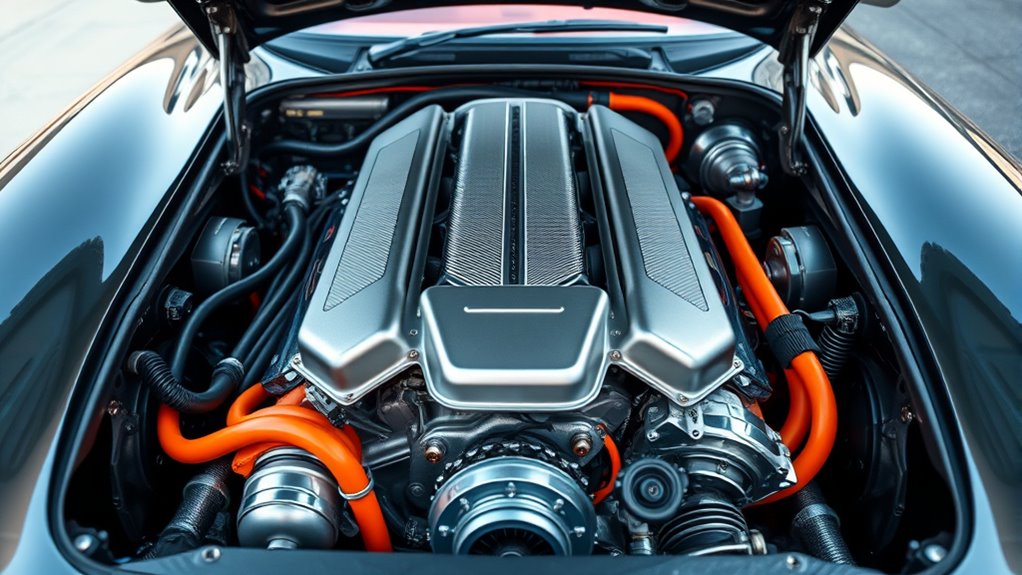
Exploring the Main Components of a Car: A Comprehensive Guide
Are you often confused about what makes your car run smoothly or worry about unexpected breakdowns? You’re not alone—many drivers struggle to understand the main components that keep their vehicles moving.
A car’s main components include the engine, transmission, suspension, brakes, tires, exhaust system, and electrical system. The engine powers your vehicle by converting fuel into movement, while the transmission transfers that power to the wheels.
The suspension guarantees a smooth ride, and brakes keep you safe. Tires provide grip and stability. The exhaust system manages emissions and noise.
Understanding these parts helps you keep your car running smoothly. Keep exploring to learn how everything works together.
Key Takeaways
- The engine converts fuel into power, with different types like gasoline, diesel, hybrid, and electric, which all influence how the car performs.
- The transmission system takes that power from the engine and moves it to the wheels. You’ll find options like automatic, manual, and dual-clutch transmissions.
- The suspension system absorbs shocks from the road and keeps the car stable, making your ride smooth and controlled.
- The brake system is all about safety, providing effective stopping power with components like pads, rotors, and calipers.
- The electrical and fuel systems work together to power various vehicle functions and ensure fuel is delivered efficiently for optimal performance.
What Are the Main Car Components and Why Do They Matter?
Understanding the main components of a car is essential because these parts work together to guarantee your vehicle runs smoothly and safely. Your engine, for example, is central to this, directly impacting engine efficiency and overall performance.
When the engine functions well, it not only provides better fuel economy but also reduces wear and tear, extending your vehicle’s longevity. Other key components like the transmission, suspension, and brakes support this efficiency by making sure power is effectively transferred and your ride remains stable.
Proper maintenance of these parts prevents costly repairs and keeps your car reliable over time. By knowing what these main components are and why they matter, you can better understand how your vehicle operates and what to watch for.
Regularly maintaining your car’s main parts ensures reliability and helps avoid expensive repairs over time.
Taking care of each part helps maximize engine efficiency, promote vehicle longevity, and guarantee safe driving. Ultimately, understanding these components keeps your car in top shape for years to come.
How Does the Engine Power Your Vehicle?
The engine is the heart of your vehicle, converting fuel into the power needed to move. This process depends on the engine type, like gasoline, diesel, or hybrid, each offering different benefits and power outputs.
The engine’s main job is to generate power that drives the wheels, giving you the force for acceleration and cruising. The power output varies based on engine size, design, and technology, which affects your car’s performance.
| Engine Type | Power Output (Horsepower) |
|---|---|
| Gasoline | 100-500+ |
| Diesel | 120-600+ |
| Hybrid | 150-300+ |
| Electric | 100-600+ |
| Turbocharged | Varies, often higher |
Knowing these differences helps you pick an engine that fits your driving style, making sure you get the right mix of power and efficiency.
How the Transmission Transfers Power to Your Wheels
Your car’s transmission is basically what moves power from the engine to the wheels, making your car go. It’s got different types and functions that help control how much power gets transferred, using parts like the clutch and gears.
Knowing how these pieces work together can really help you understand what’s happening when you accelerate or shift gears. It’s like the transmission is the link that keeps everything running smoothly so you can drive comfortably.
Transmission Types and Functions
Transmission systems are essential for transferring power from your engine to the wheels, helping your car move smoothly and efficiently.
An automatic transmission changes gears automatically, making driving seamless. A manual transmission, on the other hand, requires you to shift gears yourself for more control.
Some modern vehicles have a dual clutch system, which combines the benefits of both automatic and manual transmissions for quick, smooth shifts.
No matter the type, transmission fluid is crucial. It lubricates components and keeps everything running smoothly.
This fluid also helps prevent overheating and reduces wear on internal parts.
Choosing the right transmission depends on your driving style and preferences.
But all types aim to do the same thing: transfer engine power to the wheels efficiently and reliably.
Power Transfer Process
When the engine produces power, the transmission’s job is to transfer that energy efficiently to the wheels, helping your vehicle move. It manages how power is distributed by adjusting torque levels based on driving conditions.
Through torque conversion, it changes the engine’s rotational force into a form suitable for turning the wheels. This process ensures the right amount of power gets to the wheels at the right time, whether you’re accelerating or cruising.
The transmission’s internal parts work together to control this flow, allowing for smooth shifts and optimal performance. By managing torque and power distribution effectively, it plays a key role in giving you a seamless driving experience while also saving fuel and maintaining control.
Role of Clutch and Gears
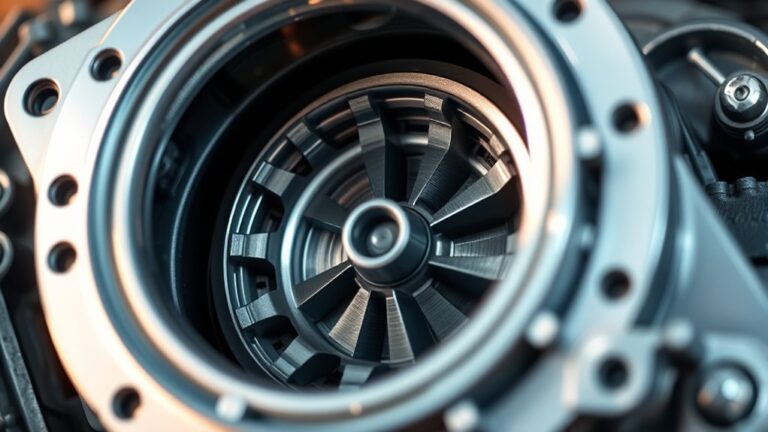
The clutch and gears work together to transfer power from the engine to the wheels efficiently. The clutch engages and disengages the engine from the transmission, making it easier to change gears smoothly.
There are different types of clutches, like manual and hydraulic, each suited to various driving needs. Gears control how much power gets to the wheels by adjusting gear ratios, which affect the engine’s torque and speed.
When you shift gears, you’re changing these ratios to improve performance and save fuel. The clutch temporarily disconnects the engine so you can switch gears without stalling.
Using the right clutch type and understanding gear ratios helps ensure a smooth transfer of power. This makes your driving experience more responsive and comfortable.
What Does the Suspension System Do for Your Ride Comfort?
A well-functioning suspension system plays an essential role in keeping your ride smooth and comfortable. It absorbs shocks from uneven roads, reducing the impact on you and your vehicle. The right suspension types can make a big difference in ride quality, making driving more enjoyable.
Here are three ways your suspension system boosts comfort:
- Shock Absorption: It cushions bumps, potholes, and rough surfaces, so you don’t feel every jolt.
- Stability and Control: Keeps your tires in contact with the road, giving you a smoother, more predictable ride.
- Customization: Different suspension types can be tailored to your driving style and terrain to improve comfort and handling.
Choosing the right suspension system directly impacts how comfortable your drives are, no matter the road conditions. Proper maintenance also keeps these components working well, making your overall driving experience better.
How the Brakes Keep You Safe on the Road
Your brakes are super important for keeping you safe while you’re driving. They work using parts like brake pads, rotors, and calipers to help stop your vehicle quickly and smoothly. If these parts aren’t in good shape, stopping can become difficult, which isn’t something you want happening on the road.
That’s why it’s so important to take care of your brakes with regular maintenance. Making sure everything is working properly means your brakes will respond fast when you need them most. Just a quick check now and then can make a big difference in keeping you safe and confident behind the wheel.
Brake System Components
Brake system components are essential for stopping your vehicle safely and reliably. They work together to ensure effective braking performance. Here’s what keeps you safe:
- Brake pads and brake rotors make up disc brakes that create friction to slow down your car.
- Brake lines carry brake fluid to transfer pressure and activate the brakes.
- Brake sensors keep an eye on the system’s health, triggering alerts or anti-lock brakes during emergency stops.
Regular brake maintenance helps keep these parts in good shape, preventing issues like brake fluid leaks or worn brake pads. Whether you have disc brakes or drum brakes, each component plays a vital role in stopping your vehicle quickly and safely, especially in sudden or emergency situations.
Proper Maintenance Practices
Regular maintenance is essential to guarantee your brakes perform reliably and keep you safe on the road. Start with regular brake inspections to spot issues early. Keep fluid levels topped off, including brake fluid and coolant, with coolant flushes when necessary.
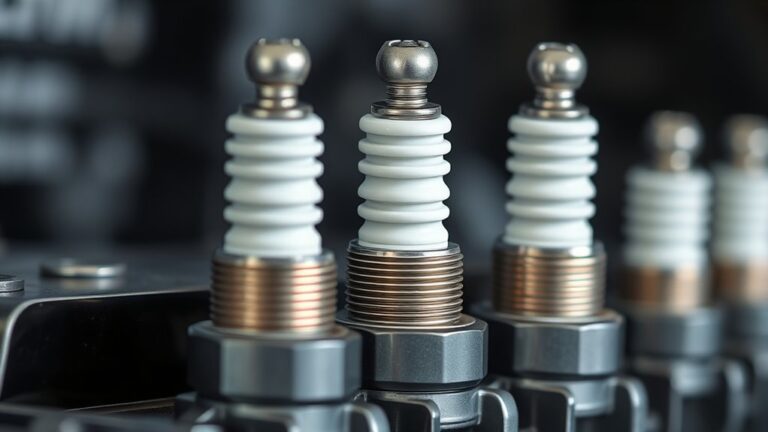
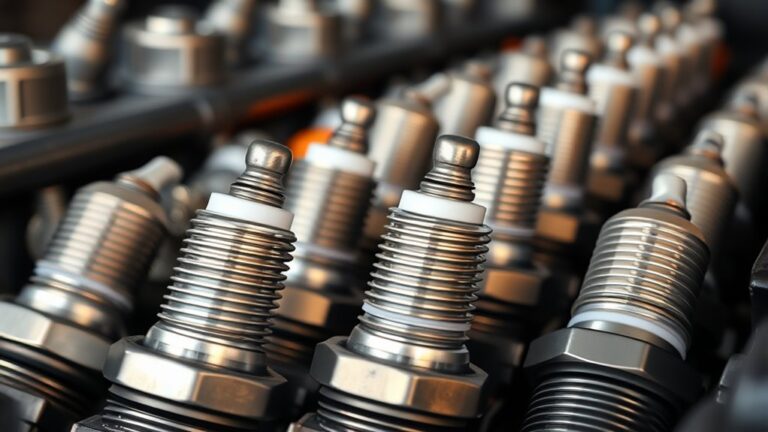
Rotate your tires regularly to confirm even wear, and get alignment checks to improve handling and prolong component life. Change your oil on schedule, and replace spark plugs and air filters to optimize engine performance.
Battery maintenance is vital for reliable starts, while fresh wiper blades improve visibility in poor weather. Staying on top of these maintenance tasks guarantees all components work harmoniously, reducing the risk of breakdowns and accidents.
Consistent upkeep keeps your car safe, efficient, and ready for the road ahead.
How Your Car’s Electrical System Keeps You Connected
The electrical system in a car powers the technology that keeps you connected on the go. It makes sure your devices stay charged, your infotainment runs smoothly, and safety features work reliably. Here’s how it does that:
- Battery Management: The system keeps an eye on the battery’s health, preventing it from draining too fast and ensuring your car starts reliably.
- Electrical Diagnostics: It constantly checks for problems, catching issues early so your electronics stay running without a hitch.
- Power Distribution: The system directs electricity to things like lights, sensors, and multimedia systems, keeping everything connected and safe.
Understanding the Fuel System and How It Works
Your car’s fuel system is pretty amazing because it makes sure the right amount of fuel gets to the engine without any fuss. It all begins with the fuel delivery process, which is responsible for transporting fuel from the tank to the engine.
Once the fuel reaches the engine, the magic of combustion happens. The mechanics inside ignite the fuel-air mixture, creating a controlled explosion that powers your car. When you understand how these parts work together, it’s easier to see how your car runs smoothly and efficiently every time you hit the road.
Fuel Delivery Process
The fuel delivery process is a crucial system that makes sure your engine gets the right amount of fuel for peak performance. It starts with fuel pumps pushing fuel from the tank through the fuel filters, which remove impurities.
Then, fuel injection systems precisely deliver fuel into the engine’s combustion chambers, optimizing fuel efficiency.
Understanding how fuel management works helps you choose the right fuel types and additives for better performance.
Here are three key components:
- Fuel Pumps control fuel flow from the tank.
- Fuel Filters keep debris out of the system.
- Fuel Injection guarantees accurate fuel delivery for combustion.
Combustion Cycle Mechanics
Understanding how the combustion cycle works is key to knowing how your car’s engine turns fuel into motion. This process involves controlled explosions happening inside the engine cylinders, driven by combustion dynamics. These explosions generate power that pushes the pistons and spins the crankshaft.
Efficient combustion means better fuel economy, less waste, and fewer emissions. The cycle has four main stages: intake, compression, power, and exhaust. During intake, air and fuel enter the cylinder. Compression squeezes them tightly together. Ignition then sparks the mixture, causing an explosion. Finally, the exhaust pushes out the gases.
Here’s a quick summary of these stages:
| Stage | Description | Key Focus |
|---|---|---|
| Intake | Air and fuel enter the cylinder | Combustion dynamics |
| Compression | Mixture is squeezed tightly | Fuel efficiency |
| Power | Ignition causes explosion | Engine output |
Mastering this cycle helps you get the most out of your vehicle’s performance.
Why Tires Are Critical for Performance and Safety
Because tires are the only contact between your vehicle and the road, they directly influence both performance and safety. Proper tire maintenance guarantees peak handling, traction, and braking. Here are key reasons why tires matter:
- Tire pressure and tread patterns affect grip and stability, especially in different weather conditions. Seasonal tires help maximize safety all year round.
- Traction control and load capacity depend on tire condition and proper alignment, preventing slips and uneven wear.
- Tire rotation and road noise contribute to tire longevity and comfort, while performance tires boost responsiveness during aggressive driving.
Ignoring these factors can lead to decreased safety, faster tire wear, and lower fuel efficiency. Regularly check your tire pressure, inspect tread depth, and replace worn tires. Keeping your tires properly aligned and balanced can reduce road noise and extend their lifespan, helping your vehicle perform at its best.
How the Exhaust System Keeps Your Car Running Cleanly
Since your car’s engine produces exhaust gases as a byproduct of combustion, the exhaust system plays an essential role in keeping these emissions under control. Its main function is to guide harmful gases away from your engine and passenger area, reducing pollution and protecting your health.
The exhaust system also helps regulate engine performance by controlling backpressure, ensuring your engine runs smoothly. Emission control is achieved through components like the catalytic converter, which transforms toxic gases into less harmful substances before they exit the tailpipe.
The exhaust system manages backpressure and uses a catalytic converter to reduce harmful emissions, ensuring smooth engine performance.
This process not only keeps the air cleaner but also helps your vehicle meet environmental regulations. Additionally, the muffler reduces noise, making your ride quieter. Without a properly functioning exhaust system, your car would produce higher emissions, run less efficiently, and generate more noise.
Keeping the exhaust system in good shape guarantees your vehicle runs cleanly and complies with emission standards.
Key Car Components to Troubleshoot Common Problems
When your car starts acting up or isn’t running as smoothly as it should, pinpointing the problem can save you both time and money. Here are some key components to troubleshoot:
1. Engine diagnostics and transmission fluid
If your engine stalls or shifts roughly, check the transmission fluid levels. Running engine diagnostics can help identify any underlying issues.
2. Electrical troubleshooting and battery failures
Dead batteries or electrical glitches often cause starting problems or warning lights. Inspect the battery and wiring connections to spot any faults.
3. Brake issues, tire wear, and suspension noises
Unresponsive brakes, uneven tire wear, or strange suspension sounds indicate problems that need immediate attention. Check the brake pads, tire alignment, and suspension components.
Frequently Asked Questions
How Often Should I Perform Maintenance on My Car’s Main Components?
You should perform engine maintenance and tire rotation every 5,000 to 7,500 miles or as recommended by your vehicle’s manual. Regularly checking and changing the oil, inspecting belts, and ensuring tire rotation helps prevent breakdowns and extends your car’s lifespan.
Keep an eye on warning signs and don’t wait too long between services. Staying consistent with these maintenance tasks keeps your car running smoothly and safely.
What Are Signs of Wear in a Car’s Suspension System?
A stitch in time saves nine, and spotting early signs of suspension wear can save you costly repairs. You might notice suspension noise, like clunking or squeaking, especially over bumps.
Poor tire alignment can also point to suspension issues, leading to uneven tire wear and steering problems.
Pay attention to vibrations or a loose feeling while driving. Address these signs promptly to keep your suspension working smoothly and ensure your safety.
How Do I Check if My Brakes Are Functioning Properly?
To check if your brakes are working properly, start by seeing if any warning lights on your dashboard come on, especially the brake warning light.
Next, gently press your brake pedal to test it. If it feels spongy or sinks too low, there might be a problem.
Also, take a look at the brake fluid level under the hood. Low fluid can point to leaks or worn brake pads, which can affect how well your brakes work.
What Are the Most Common Electrical System Issues in Cars?
You often face electrical system issues like battery problems, wiring faults, alternator issues, or fuse failures. Battery problems can cause starting trouble, while wiring faults might lead to flickering lights or intermittent power.
Alternator issues can drain your battery quickly or cause dim headlights. Fuse failures can blow out essential circuits, affecting everything from your radio to your headlights.
Regular inspections and prompt repairs help keep your car’s electrical system running smoothly.
How Can I Improve My Car’s Fuel Efficiency?
Think of your car as a well-tuned orchestra; every part needs to work harmoniously. To boost fuel efficiency, regularly check tire pressure to reduce rolling resistance, and consider using fuel additives to keep your engine clean.
Smooth driving, gentle acceleration, and keeping up with proper maintenance also help. When your car runs efficiently, you save fuel and money, keeping the rhythm steady and your journey smooth.
Conclusion
In your car’s core components, comfort, control, and safety come together. By understanding how the engine’s energy, transmission’s transfer, suspension’s stability, brakes’ bravery, and tires’ traction work, you can investigate confidently.
Regular checks help keep your vehicle’s essential parts in top shape. Stay savvy, spot problems early, and enjoy the smooth, safe, and satisfying ride that your car’s components provide.
Keep learning about your car’s main parts—engine, transmission, suspension, brakes, and tires. Knowing these is key to a clever, carefree drive.