Can Bad Spark Plugs Cause Car to Stall? Signs & Solutions
Are you tired of unexpected stalls or rough engine performance? Many drivers struggle with these frustrating issues, often wondering what’s going wrong. Sometimes, the culprit could be your spark plugs.
Bad spark plugs can cause your car to stall by messing up the engine’s firing process.
Yes, bad spark plugs can cause your car to stall by disrupting the engine’s firing process and leading to misfires. You’ll notice signs like rough idling, difficulty starting, poor fuel economy, or engine hesitation.
Worn or dirty plugs reduce engine efficiency and increase the chance of stalls. Regular inspection and replacement help prevent these issues.
Keep exploring to uncover more about how to identify and fix spark plug problems effectively.
Key Takeaways
Faulty or worn spark plugs can cause engine misfires, which may lead to stalling, especially at low speeds or when idling.
Signs include rough idling, difficulty starting, engine hesitation, and check engine warning lights.
Regularly inspecting and testing your spark plugs helps spot wear or deposits that could cause stalls.
Replacing or cleaning the spark plugs can fix stalling issues caused by incomplete combustion.
For complex engine designs, it’s best to have a professional handle replacement to prevent further damage and keep everything running smoothly.
Why Does Your Car Stall Unexpectedly?
Your car can stall unexpectedly for several reasons, and one common culprit is faulty spark plugs. Unexpected stalling often happens because your engine isn’t firing correctly, which affects how well your car runs.
When spark plugs aren’t working properly, they can cause misfires, rough idling, or even failure to start. This happens because they’re not igniting the fuel-air mixture efficiently, leading to incomplete combustion.
As a result, your engine may stall suddenly, especially when you’re accelerating or at stoplights. Worn-out or dirty spark plugs can also contribute to these stalls.
Poor spark plug condition disrupts your engine’s smooth operation, making unexpected stalling more likely. Recognizing these signs early helps you fix the problem before more serious damage occurs.
Regular maintenance and timely replacement of spark plugs can greatly reduce unexpected stalling and keep your vehicle running reliably.
How Spark Plugs Cause Car Stalls
When spark plugs go bad, they mess up the ignition process, making it tough for your engine to start or run smoothly. You might find that your car stalls unexpectedly, which can be pretty frustrating. It’s often because the spark plugs aren’t firing properly, so the fuel doesn’t burn as it should.
You’ll also notice some engine misfire symptoms, like rough idling or hesitation when you accelerate. These are signs that your spark plugs might need some attention before things get worse. Basically, if your spark plugs aren’t working right, it can cause all sorts of stalling problems and performance issues.
Spark Ignition Disruption
Spark plugs are essential for igniting the fuel-air mixture in your engine, but if they malfunction, they can disrupt this critical process. When ignition is inconsistent, your engine may misfire or stall unexpectedly. Poor spark plug maintenance can cause weak sparks, leading to incomplete combustion and disrupted ignition timing.
This can result in rough idling or sudden stalls. You might also notice difficulty starting your vehicle or reduced acceleration. Signs of spark ignition disruption include misfires during acceleration, rough engine idle, difficulty starting the car, and sudden stalling without warning.
To fix these issues, check and replace spark plugs as needed. Ensuring proper ignition timing and maintaining an ideal spark gap can help keep your engine running reliably.
Fuel Combustion Issues
Faulty or worn spark plugs can disrupt the fuel combustion process, leading to engine stalls. When spark plugs don’t fire properly, the combustion quality drops, causing incomplete burning of the fuel-air mixture.
This inefficiency can reduce your vehicle’s fuel efficiency and cause rough idling or stalling, especially at low speeds or when idling. Poor combustion also puts extra strain on your engine, increasing the risk of stalling during acceleration or when stopping.
If your spark plugs are dirty, damaged, or improperly gapped, they won’t ignite the fuel consistently, which hampers smooth engine operation. Keeping your spark plugs in good shape helps ensure proper combustion, improving fuel efficiency and preventing stalls caused by combustion issues.
Regular inspection and replacement are key to avoiding these problems.
Engine Misfire Symptoms
Worn or damaged spark plugs often cause engine misfires, which can lead to your car stalling unexpectedly. When this happens, you might notice several signs indicating an engine misfire.
You could feel irregular engine vibrations, especially at idle or low speeds. Your vehicle might jerk or hesitate during acceleration, and the check engine light could turn on.
Misfires often disrupt ignition timing, causing inconsistent spark delivery. You might also notice a rough idle or difficulty starting the engine.
These symptoms signal that your spark plugs aren’t firing properly, risking ignition timing issues that can lead to stalling. Addressing these signs early can prevent further damage and keep your engine running smoothly.
Regular maintenance, including spark plug checks, is key to avoiding engine misfires.
Signs of Faulty Spark Plugs You Should Watch For
If your car starts to stall or runs rough, it might be a sign that your spark plugs are failing. Faulty spark plugs can cause noticeable issues and affect engine performance. One way to spot this is by watching for specific signs:
| Sign | Description | Impact on Engine Performance |
|---|---|---|
| Difficulty starting | Hard to turn over or uneven starts | Reduced smoothness |
| Engine misfires | Jerking or sputtering during acceleration | Loss of power |
| Poor fuel economy | Increased fuel consumption | Inefficient engine operation |
| Rough idling | Vibrations or rough sounds while idling | Engine instability |
These signs point to spark plug issues that can hurt firing efficiency. Keeping an eye on these symptoms helps you maintain peak engine performance and avoid stalls. Regular inspection ensures your spark plugs stay in good shape and work properly.
How to Check If Spark Plugs Are Worn Out or Malfunctioning
Want to figure out if your spark plugs are worn out or not working properly? First off, take a good look at them. You’re on the lookout for any cracks, a lot of carbon buildup, or any signs of erosion. If you see any of these, it might be time to replace them.
Next, you’ll want to check the spark gap. Grab a feeler gauge and measure it to make sure it’s within the specs recommended for your vehicle. If it’s too wide or too narrow, your engine might not be running as smoothly as it should.
Finally, it’s a good idea to test the ignition system. This will help you see if the plugs are actually firing properly and delivering a strong spark. If they’re not, it could point to an issue with the ignition system or the plugs themselves.
Visual Inspection Techniques
Inspecting your spark plugs visually is a simple way to spot potential issues. When you remove the spark plugs, carefully examine the electrodes and insulator for any signs of trouble.
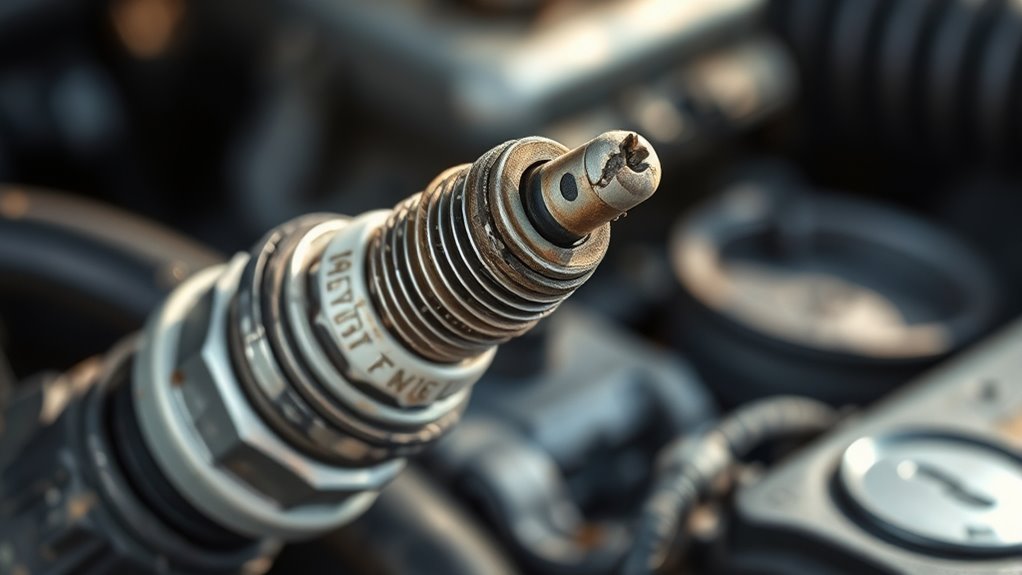
Look for visual clues like black, sooty deposits, which suggest oil fouling. White or blistered insulators can mean the engine is overheating. Worn or eroded electrodes indicate extensive use, and cracks or damage on the ceramic insulator or metal parts are signs of damage.
These visual signs can tell you if your spark plugs are worn out or not working properly. Regular checks help catch problems early, which can prevent stalling and boost engine performance. Always compare what you see with the manufacturer’s specifications for the best results.
Checking Spark Gap
Checking the spark gap is an important step to see if your spark plugs are worn out or not working properly. It all starts with measuring the gap accurately to make sure the spark is strong enough to ignite the fuel-air mixture efficiently.
To check the spark gap, remove the spark plug from your engine and use a feeler gauge or a spark plug gap tool. Measure the distance between the center and ground electrode, then compare it to your vehicle’s specifications.
If the gap is too wide or too narrow, carefully adjust it by bending the ground electrode. Getting the right spark gap helps prevent misfires and stalling issues, ensuring your spark plugs work effectively.
Regularly checking the spark gap is a simple way to keep your engine running smoothly and maintain optimal performance.
Testing Ignition System
Since a faulty ignition system can cause your spark plugs to malfunction or wear out prematurely, it’s crucial to test it thoroughly. Start by inspecting the ignition timing with a timing light to make sure sparks fire at the right moment.
Check different spark plug types to see if they’re consistent with your vehicle’s specifications. You can also perform a spark test by removing a spark plug, reconnecting it to the ignition coil, and cranking the engine to observe the spark’s strength and consistency.
Finally, verify the ignition coil and wiring connections for any damage or corrosion. These steps help identify if the ignition system is causing misfires or stalls, which are often linked to worn-out spark plugs or improper ignition timing. This way, you can keep your vehicle running smoothly.
Impact of Bad Spark Plugs on Engine Performance and Fuel Economy
When spark plugs wear out or become faulty, they can significantly impact your engine’s performance and fuel efficiency. You might notice your car feels sluggish, stalls unexpectedly, or uses more fuel than usual. Faulty spark plugs cause inefficient combustion, leading to incomplete burning of fuel.
This not only reduces engine power but also increases emissions and fuel costs. You’ll see effects like reduced acceleration, rough idling, engine misfires, and loss of power. On the fuel side, it results in higher consumption, poor combustion, and increased emissions.
Addressing bad spark plugs restores your engine’s peak performance and improves fuel economy. Regular maintenance keeps your engine running smoothly, saves money, and helps prevent stalling issues caused by faulty plugs.
Main Causes of Spark Plug Failure and Wear
The main causes of spark plug failure and wear usually come down to engine conditions and how well you maintain your vehicle. One common problem is spark plug overheating, which happens when the engine runs too hot. This can damage the insulator and speed up electrode wear, leading to misfires.
Excessive heat causes the electrode to erode faster, making it harder for the spark plug to work properly. Poor fuel quality or an incorrect fuel mixture can also cause carbon fouling or deposits on the electrodes, reducing performance.
Mechanical issues like oil leaks into the combustion chamber can foul the spark plug and cause it to wear out sooner. Lastly, neglecting regular maintenance, such as not replacing spark plugs at the right times, can lead to worn electrodes and inefficient combustion.
- Excessive heat buildup causes spark plug overheating
- Electrode wear from continuous spark arcs
- Carbon buildup from poor fuel combustion
- Mechanical issues like oil fouling or improper gap settings
When to Replace Spark Plugs for Reliable Engine Performance
So, when should you think about replacing your spark plugs? Well, if your car starts idling rough, struggles to accelerate, or seems to be gulping down extra fuel, those are signs it might be time for a change. Usually, most manufacturers suggest swapping them out every 30,000 to 50,000 miles, but it’s always a good idea to check your vehicle’s manual for the specific recommendations.
Worn-out spark plugs can really drag down your engine’s performance, making it run less smoothly or even stall. Replacing them on time helps keep your engine happy and running efficiently, so your daily drive stays hassle-free.
Signs of Worn Spark Plugs
Worn spark plugs can cause your engine to misfire, hesitate, or run roughly, so it’s clear they need attention. If you notice any of these signs, it’s time to check your spark plug types and think about spark plug maintenance.
Spotting worn plugs early can help you avoid bigger engine problems down the line. Signs include engine misfires or rough idling, difficulty starting your vehicle, reduced fuel efficiency, and visible wear or deposits on the spark plugs.
These symptoms usually mean your spark plugs are nearing the end of their lifespan. Regular maintenance allows you to catch these signs early, keeping your engine running smoothly and efficiently.
Keep an eye out for these indicators to prevent unexpected breakdowns and keep your vehicle running like new.
Recommended Replacement Intervals
Regularly replacing spark plugs at recommended intervals helps keep your engine running at its best and saves fuel. Most manufacturers suggest changing standard copper spark plugs every 20,000 to 30,000 miles.
Iridium or platinum plugs can last up to 60,000 miles or more. It’s important to follow your vehicle’s owner manual for specific advice.
When choosing replacement parts, stick with trusted brands like NGK, Bosch, or Denso that are known for quality and durability. The type of spark plug also matters; premium options often last longer and perform better.
Regular replacement prevents misfires, stalls, and poor acceleration, keeping your engine smooth. Keep an eye on your maintenance schedule to avoid issues caused by worn or failing spark plugs.
Impact on Engine Efficiency
When spark plugs get worn or fouled, they can really hurt your engine’s efficiency by causing misfires, rough idling, and incomplete combustion. This not only affects how your car runs but also how much fuel you use, making your vehicle less responsive and more expensive to operate. Knowing when to replace them is key to keeping your engine running smoothly.
To stay on top of things, watch out for signs like decreased acceleration and power, higher fuel consumption, difficulty starting your engine, or rough idling. These are all clues that your spark plugs might need attention.
Replacing your spark plugs at the right time restores proper combustion, which helps your engine run more smoothly. Fresh plugs boost performance and save you money on fuel, while also preventing long-term damage from neglect. Regular maintenance keeps your engine reliable and efficient.
Tips for Maintaining Spark Plugs to Prevent Future Stalls
Maintaining your spark plugs is key to preventing engine stalls and keeping your vehicle running smoothly. Taking good care of them can help your spark plugs last longer and avoid performance hiccups.
Regular inspections are a great way to catch wear or deposits early. Follow these simple tips to keep your spark plugs in top shape:
| Tip | Action | Frequency |
|---|---|---|
| Check for wear & deposits | Remove and inspect spark plugs | Every 30,000 miles |
| Clean or replace plugs | Use the right tools or upgrade if needed | As needed |
| Use quality fuel | Helps prevent carbon buildup | Consistently |
| Confirm proper gap | Adjust spark plug gap to manufacturer specs | During replacements |
| Torque correctly | Avoid over-tightening or under-tightening during installation | During installation |
Other Common Causes of Car Stalling
While keeping your spark plugs in good shape helps prevent stalls, other factors can also cause your car to unexpectedly shut off. One common cause is issues with fuel delivery. If the fuel pump or fuel filter malfunctions, your engine might not get enough fuel, leading to stalling.
Ignition timing problems can also be to blame. If the timing is off, the engine’s combustion process becomes inefficient, causing stalls or rough idling. A dirty air filter can restrict airflow and affect engine performance too.
Faulty sensors, like the mass airflow sensor, can send incorrect data, disrupting fuel and ignition systems. Finally, an exhausted battery or poor electrical connections can cause power interruptions and stalls.
To keep your car running smoothly, regularly check your fuel system, verify proper ignition timing, and inspect sensors and electrical connections for any signs of wear or damage.
Should You Replace Spark Plugs Yourself or Hire a Mechanic?
Deciding whether to replace your spark plugs yourself or hire a mechanic depends on your comfort level with car maintenance and your vehicle’s complexity.
If you’re comfortable with DIY maintenance and have the right tools, replacing spark plugs can be an affordable and straightforward task. Many car owners handle this themselves, saving time and money.
But if your vehicle has a complex engine or you’re unsure about procedures, it’s safer to seek professional help. A mechanic can ensure the job is done correctly, preventing potential damage or misfire issues.
Think about your experience, tools, and your car’s specifications before making a decision. While doing it yourself can be convenient, professional help offers expertise and peace of mind.
Ultimately, whether you go DIY or hire a pro depends on your confidence and how complicated the job is.
Frequently Asked Questions
Can a Faulty Spark Plug Cause Engine Misfires Besides Stalling?
Yes, a faulty spark plug can cause engine misfires beyond just stalling. You might notice rough idling, hesitation, or poor acceleration, all of which affect how your engine runs.
These misfires happen because bad spark plugs mess up the ignition process, leading to incomplete combustion. If you see these signs, it’s a good idea to check your spark plugs soon.
Replacing faulty spark plugs can help restore smooth engine performance and prevent more damage down the road.
How Often Should Spark Plugs Be Inspected for Potential Issues?
You should inspect your spark plugs every 30,000 miles or as recommended by your vehicle’s manufacturer. The lifespan of spark plugs varies depending on the type and driving conditions, but regular inspections help catch potential issues early.
During inspection, look for signs of wear, fouling, or damage. Keeping a consistent inspection schedule ensures your spark plugs work properly and helps prevent misfires and stalls.
This also helps maintain peak engine performance and extends the life of your spark plugs. Regular checks are a simple way to keep your vehicle running smoothly.
Are There Specific Driving Conditions That Increase Spark Plug Failure Risk?
Like a fragile thread fraying under stress, certain driving conditions increase spark plug failure risk. High mileage, extreme temperatures, and poor fuel quality put extra strain on your spark plugs.
Engine vibrations and neglecting regular maintenance can also speed up wear. Aggressive driving habits or frequent short trips can cause them to deteriorate faster.
You’re more likely to face spark plug issues if you ignore inspections, especially in tough conditions. This can lead to stalling and engine problems.
Stay proactive and keep up with maintenance to ensure your engine runs smoothly.
What Are the Costs Associated With Replacing Spark Plugs Versus Repairing Other Engine Parts?
Replacing spark plugs is generally less expensive than repairing major engine parts. Spark plug longevity varies, but you’ll usually pay between $100 to $300 for parts and labor, depending on your vehicle.
In a cost comparison, spark plug replacement is quick and affordable. Fixing engine components like the timing belt or head gasket can be costly and take a lot more time.
Regular maintenance helps prevent those big repairs and keeps your engine running smoothly.
Can Using the Wrong Type of Spark Plug Lead to Engine Stalling?
Using the wrong spark plug types can definitely cause engine stalling. If your spark plugs aren’t the right fit for your engine, they might misfire or fail to ignite the fuel-air mixture properly.
This can mess with your engine’s performance, leading to stalling or rough running. It’s always best to choose the spark plugs recommended by your vehicle manufacturer to keep everything running smoothly and avoid stalling problems.
Conclusion
If your car keeps stalling, don’t ignore the signs of bad spark plugs—they’re like the heartbeat of your engine. Regular checks and timely replacements keep everything running smoothly, just like a well-oiled machine.
Think of your spark plugs as the cast of a band. When one is out of tune, the whole performance suffers. Keeping them in good shape helps avoid stalling and keeps your engine running reliably.
If you notice your car stalling often, it might be a sign of faulty spark plugs. Addressing this issue early can save you from more serious engine problems down the line. Maintaining good spark plugs is key to preventing car stalls and ensuring a smooth ride.