Why Your Steering Wheel Jerks When Accelerating: Causes & Prevention Tips
Are you tired of that jarring feeling when your steering wheel jerks during acceleration? You’re not alone—many drivers struggle with this frustrating issue, which can make for uncomfortable and even unsafe driving experiences.
When your steering wheel jerks during acceleration, it’s often due to issues like misaligned wheels, worn suspension parts, or engine misfires that disrupt smooth power delivery.
Low or leaking power steering fluid and uneven tire pressure can also cause instability.
Regular maintenance, such as fluid checks and wheel balancing, helps prevent these problems.
If you keep experiencing jerks, exploring the details ahead will guide you to effective solutions and safe driving tips.
Key Takeaways
Misaligned wheels or suspension parts can make your car feel unstable and cause jerking when you accelerate.
Engine misfires can mess up power delivery, leading to sudden steering jerks.
Worn or low transmission fluid can cause rough gear changes and steering fluctuations.
Uneven tire wear or improper inflation affects handling and might trigger steering jerks.
Regular maintenance like wheel alignment, fluid checks, and tire care can help prevent steering problems during acceleration.
Why Does My Steering Wheel Jerk When I Accelerate?
Have you noticed your steering wheel jerking whenever you accelerate? This usually points to issues with your vehicle’s steering alignment or suspension parts, which directly impact how smoothly you accelerate.
When your steering isn’t properly aligned, the wheels don’t move perfectly together. This causes the steering to jerk as you press the gas pedal. Worn or damaged suspension components can also lead to uneven weight distribution, making your steering feel unpredictable during acceleration.
These problems can make it hard for your vehicle to stay steady, especially at higher speeds. Poor steering alignment might happen after hitting potholes or curbs, which can cause misalignment over time.
Keeping your alignment in check helps ensure your steering stays smooth and responsive. This improves acceleration stability and makes for a more comfortable drive. If your steering jerks, it’s a good idea to get it inspected soon to prevent further damage and stay safe on the road.
What Causes Your Steering to Jerk During Acceleration?
If your steering starts to jerk when you hit the gas, it could be because your engine isn’t firing properly or it stalls. When that happens, the power delivery gets all wonky, and you’ll feel the jerks.
Sometimes, the issue might be with your transmission slipping or having trouble shifting smoothly. That can also cause sudden jerks during acceleration because the car isn’t transferring power as it should.
And don’t forget about your suspension or steering parts—they can wear out over time. When that happens, they might have some play or looseness, which makes your steering feel unpredictable or jumpy when you step on the gas.
Engine Misfires or Stalls
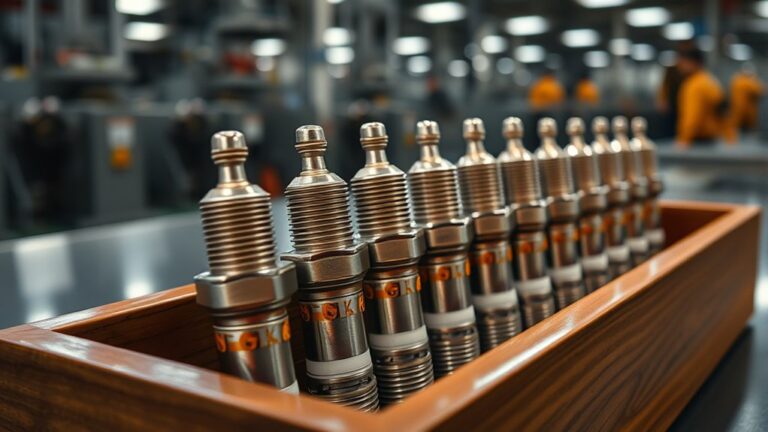
Engine misfires or stalls are common reasons behind steering jerks during acceleration because they disrupt the smooth transfer of power from the engine to the wheels. When your engine misfires, it’s usually due to issues like faulty spark plugs, clogged fuel injectors, or incorrect ignition timing.
If the ignition timing is off, the spark fires at the wrong moment, causing incomplete combustion and misfires. These irregularities can momentarily cut power, making your steering jerk unexpectedly.
Stalling can happen if the engine stalls during acceleration, leaving you without power steering assistance. Fixing these problems involves checking and adjusting engine performance parts and making sure your ignition timing is set correctly.
Doing this helps restore smooth acceleration and prevents those jerky steering sensations.
Transmission Issues or Slips
When issues come up in the transmission system, your vehicle might jerk during acceleration. Low or dirty transmission fluid can block smooth gear engagement, causing sudden jerks.
If the transmission fluid isn’t circulating properly, shifting gears can become rough, and your steering might jerk unexpectedly. Worn or damaged transmission parts can also interfere with gear engagement, leading to abrupt movements when you accelerate.
These slips happen because the transmission isn’t syncing properly with the engine, making your steering feel unstable. Regularly checking and maintaining the transmission fluid level and quality can help prevent these problems.
If you notice jerking during acceleration, it’s a good idea to have your transmission inspected. Doing so can prevent further damage and ensure smooth shifting.
Suspension or Steering Play
Steering can jerk during acceleration if there’s excessive play or looseness in the suspension or steering components. When suspension geometry isn’t properly maintained, it can cause uneven weight distribution, leading to instability and jerking.
Likewise, poor steering alignment allows components to move out of position, increasing play in the steering system. This looseness can make your steering feel unpredictable, especially during acceleration when forces are higher.
Worn or damaged tie rods, ball joints, or steering racks also contribute to this issue. Regularly inspecting and adjusting suspension and steering components helps maintain proper geometry and alignment.
Doing so guarantees smoother steering and reduces the chances of jerking caused by play or looseness in the system.
Do Worn Tires Make Your Steering Jerk?
Worn tires with uneven tread can definitely cause your steering to jerk, especially when you’re accelerating. It’s one of those things that might not be obvious at first, but it can really affect how smoothly your car handles.
Also, if your tire pressure isn’t even across all tires, it puts extra stress on your suspension and steering parts. Over time, this extra strain can make your steering feel unstable or unpredictable. Basically, both worn tires and uneven pressure can make your driving experience rough and less controlled.
Tire Tread Wear Impact
If your tires have uneven tread wear, it can really affect how your vehicle handles and cause jerking when you accelerate. Worn tires with shallow tread depth don’t grip the road well, making acceleration less stable.
To avoid this, make sure to rotate your tires regularly. This helps promote even tread wear and keeps your drive smoother. Here are some key points to keep in mind:
- Uneven tread wear can cause imbalance, leading to steering jerks.
- Low tread depth reduces traction, especially during acceleration.
- Sticking to a proper tire rotation schedule ensures even wear, which improves handling and reduces jerking.
Worn tires can make controlling your vehicle harder, so it’s important to check tread depth often. Replacing tires before the tread gets dangerously low can prevent steering issues and make your acceleration smoother.
Uneven Tire Pressure
Uneven tire pressure can really cause steering jerks, especially when you accelerate. When your tires aren’t properly inflated, they don’t make even contact with the road, which makes your driving feel unstable.
This problem gets worse if your tires are misaligned or haven’t been rotated in a while. Uneven wear on your tires can make pressure issues even more noticeable. Keeping your tires properly inflated helps ensure they grip the road consistently and your handling stays smooth.
Regularly checking and adjusting your tire pressure is a simple way to prevent steering jerks. It’s also a good idea to get your tires rotated and aligned often. This keeps the wear even and reduces the chances of jerking when you speed up.
Ignoring these steps can lead to ongoing steering problems and uneven tire wear. Over time, this affects your safety and comfort on the road. Proper maintenance keeps your steering steady and responsive, making your drive safer and more enjoyable.
How Brake Problems Can Cause Steering Vibrations
Brake problems can directly cause steering vibrations when accelerating, especially if the brake system isn’t working properly. Worn brake components or low-quality brake fluid can lead to uneven braking forces that transfer to the steering wheel. When brake wear occurs, it can cause the brake pads to grip unevenly, creating a pulsation you feel as vibrations.
Brake issues can cause steering vibrations during acceleration due to uneven braking forces.
Similarly, low or contaminated brake fluid reduces braking efficiency. This inconsistency can cause the steering wheel to jerk or vibrate when you accelerate.
Here are three common brake-related issues that cause vibrations:
- Worn brake pads or rotors
- Air or moisture in the brake fluid
- Brake fluid leaks or contamination
Addressing these problems quickly helps prevent steering vibrations and ensures your brake system works smoothly. This leads to safer, more comfortable driving.
Are Engine Misfires or Transmission Issues to Blame?
Engine misfires and transmission issues can both cause steering wheel jerking when accelerating, disrupting your driving experience. When your engine misfires, it’s usually due to problems with spark plugs, fuel delivery, or ignition timing, which compromise engine performance. This irregular firing causes uneven power delivery, making the steering feel jerky or unstable during acceleration.
On the other hand, transmission issues such as slipping or fluid problems can also lead to steering vibrations. If your transmission isn’t shifting smoothly, it affects how power is transferred to the wheels, resulting in abrupt movements.
Both engine misfires and transmission problems directly impact your vehicle’s overall health and performance. Addressing these issues promptly can prevent further damage and ensure smoother acceleration.
Regular maintenance, including checking spark plugs, fuel systems, and transmission fluid, helps keep engine performance efficient and maintains transmission health. This reduces the chances of steering jerkiness.
Signs Your Drivetrain Is Affecting Your Steering
If your drivetrain is causing issues, you might notice certain signs that affect your steering. One common indicator is unusual drivetrain noise, especially during acceleration, which suggests drivetrain components aren’t working smoothly.
You may also feel vibrations or jerking through the steering wheel, which can point to misalignment caused by drivetrain problems. Plus, poor steering alignment becomes obvious if the wheel pulls to one side or feels uneven when driving straight.
These signs often come with a rougher ride and can get worse over time. Keep in mind that drivetrain issues can also cause the steering wheel to jerk unexpectedly, especially when shifting gears or accelerating.
Addressing these symptoms early is important to prevent further damage and ensure your vehicle handles properly. If you notice any of these signs, it’s a good idea to have a professional check your drivetrain and steering system.
How Regular Maintenance Prevents Steering Jerks
Regular maintenance plays a key role in preventing steering jerks caused by drivetrain issues. One essential task is checking and replacing your steering fluid regularly. Low or contaminated steering fluid can cause inconsistent steering response, leading to jerks when accelerating. Keeping the fluid at the proper level and in good condition guarantees smooth steering performance.
Furthermore, routine alignment checks are crucial. Misaligned wheels can create uneven steering forces, which may become more noticeable during acceleration. Proper alignment minimizes unnecessary strain on steering components and promotes better handling.
When you stay on top of these maintenance tasks, you reduce the risk of drivetrain-related steering problems. Regular inspections also help catch issues early before they escalate into more significant, costly repairs.
Troubleshooting and Fixing Common Causes of Steering Jerk
Several common issues can cause steering jerks during acceleration, and troubleshooting them quickly can save you time and money. First, check your steering alignment. Poor alignment causes uneven tire wear and steering instability. If your steering feels off-center or pulls to one side, get an alignment check and correction.
Second, examine your power steering system. Low fluid levels or leaks can make steering stiff or jerky, especially during acceleration. Top off or replace the power steering fluid as needed.
Third, inspect your tires for uneven wear or low pressure, which can affect steering smoothness. Properly inflated tires and balanced wheels improve handling.
Addressing these issues can often resolve steering jerks without extensive repairs. Regularly maintaining your steering alignment and power steering system is essential for safe, smooth driving.
If problems persist after these checks, consider consulting a mechanic for further diagnosis.
When to See a Mechanic for Steering Problems
Wondering when steering issues are serious enough to need a mechanic? If your steering wheel jerks when accelerating and basic troubleshooting doesn’t fix it, it’s time to see a professional.
Problems like persistent jerking could indicate misaligned steering, which affects your vehicle’s handling and safety. If you notice uneven tire wear or a pulling sensation, it’s a sign your steering alignment needs checking.
Furthermore, issues with power steering, such as whining noises or difficulty turning the wheel, often require expert attention. Ignoring these symptoms can lead to further damage to your steering system or power steering components, increasing repair costs.
An experienced mechanic can diagnose whether the problem stems from misalignment, worn-out power steering fluid, or faulty steering rack parts. Don’t delay seeking help if you’re unsure—proper maintenance and timely repairs guarantee safer driving and a smoother ride.
Safe Driving Tips to Avoid Steering Jerk Incidents
To prevent steering jerks while driving, stay attentive to how your vehicle handles and keep control of the wheel. Practicing defensive driving and refining your steering skills can really help minimize these incidents.
- Keep a firm but relaxed grip on the steering wheel. This helps avoid tension that can cause jerks. Use smooth, controlled movements instead of quick turns.
- Be aware of road conditions and adjust your speed as needed. Paying attention to bumps, potholes, or uneven surfaces helps prevent sudden steering reactions.
- Regularly check your vehicle’s alignment and steering parts. Proper maintenance ensures your steering system works smoothly, making jerks less likely during acceleration.
Frequently Asked Questions
Can Steering Jerks Be Caused by Electrical System Issues?
Yes, electrical system issues can cause steering jerks. Electrical interference from components like the alternator or faulty wiring can disrupt steering feedback, making your wheel jerk during acceleration.
When your vehicle’s electrical system isn’t working properly, it can lead to inconsistent signals to steering sensors or power steering. This can result in those jerking sensations you feel while driving.
Addressing these electrical problems quickly helps restore smooth steering and prevents further damage to your vehicle.
How Does Alignment Affect Steering Stability During Acceleration?
When your alignment is off, steering can feel unstable when you accelerate, especially on bumpy or uneven roads. It’s like the tires aren’t quite working together, making the car harder to control.
Think about driving with underinflated tires; the uneven contact with the road makes alignment issues worse and can cause jerky movements. Proper alignment keeps your tires pointing straight, which really boosts stability.
To keep things smooth, regularly check your tire pressure and adjust for road conditions. When your tires are properly aligned, your steering stays steady even when you’re speeding up.
Fixing alignment problems reduces those jerks and makes your drive safer and more comfortable overall.
Can Steering Jerks Indicate Problems With the Power Steering System?
Yes, steering jerks can be a sign that something’s wrong with your power steering system. You might notice unusual feedback, like stiffness or sudden jerks when turning, especially during acceleration.
These issues often come from low power steering fluid, a faulty pump, or worn-out parts. If you experience this, it’s important to get your power steering checked out quickly.
Doing so can help prevent more damage and keep your steering smooth and responsive.
Do Suspension Components Influence Steering Jerk Severity?
Yes, suspension components like worn suspension parts or shock absorbers can influence steering jerk severity. When suspension wear occurs, it reduces stability and causes uneven tire contact, making steering more sensitive during acceleration.
Shock absorbers play a vital role in absorbing bumps and maintaining smooth handling. If they’re worn out, you’ll notice increased jerking or vibrations, especially when accelerating, as your vehicle struggles to stay steady.
Regular inspections can help prevent this. Keeping suspension parts in good shape is key to smoother steering and better overall control.
Is a Sudden Steering Jerk a Sign of Impending Vehicle Failure?
A sudden steering jerk can be a warning sign, like a red flag waving at you. It might indicate brake issues or uneven tire wear that need attention before they turn into major problems.
Ignoring this sign could lead to vehicle failure down the road. So, if your steering jerks unexpectedly, it’s wise to get your brakes and tires checked promptly to prevent costly repairs and ensure your safety.
Conclusion
If your steering wheel jerks when you accelerate, don’t ignore the warning signs. It’s like your car’s way of telling you something’s off.
Regular maintenance, timely repairs, and paying attention to how your vehicle behaves can help you avoid bigger issues later. Think of your car as a loyal friend; when it shows signs of distress, it’s your job to listen and give it the care it needs.
Keeping an eye on these warning signs can help you stay safe and keep your ride smooth. If your steering wheel jerks, addressing the problem early can save you from more costly repairs down the road.