Uncovering the Mystery: Transmission Fluid Leak Without a Puddle Explained
Many car owners worry when they notice a transmission fluid leak but can’t find a puddle underneath. You’re not alone—this is a common frustration.
Many people struggle with pinpointing sneaky leaks that hide in hard-to-see spots. If you suspect a transmission fluid leak but see no puddle, it’s likely caused by small leaks or evaporating fluid hidden in hard-to-see spots.
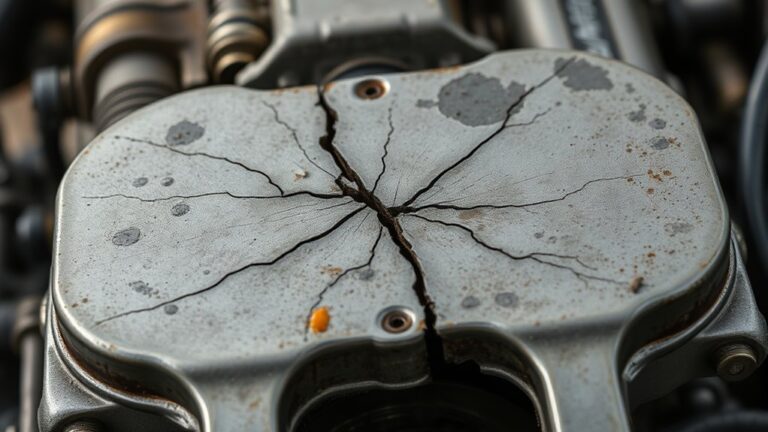
Damaged seals, tiny cracks, or evaporating leaks near the cooler lines can escape without forming puddles.
Regular inspections with a flashlight and mirror can help spot these issues. Stay tuned, because you’ll learn more effective ways to uncover and fix these sneaky leaks.
Key Takeaways
- Small leaks can evaporate quickly, so they might not leave a visible puddle even if fluid is seeping out.
- High pressure and heat can push fluid through tiny cracks, making the leak harder to spot.
- Damaged seals and gaskets often cause slow leaks that don’t create noticeable puddles.
- Regular checks of hard-to-see areas can help catch these subtle leaks early.
- Getting a professional to do pressure tests and fluid analysis can prevent costly transmission damage by catching leaks early.
How to Recognize Hidden Transmission Fluid Leaks
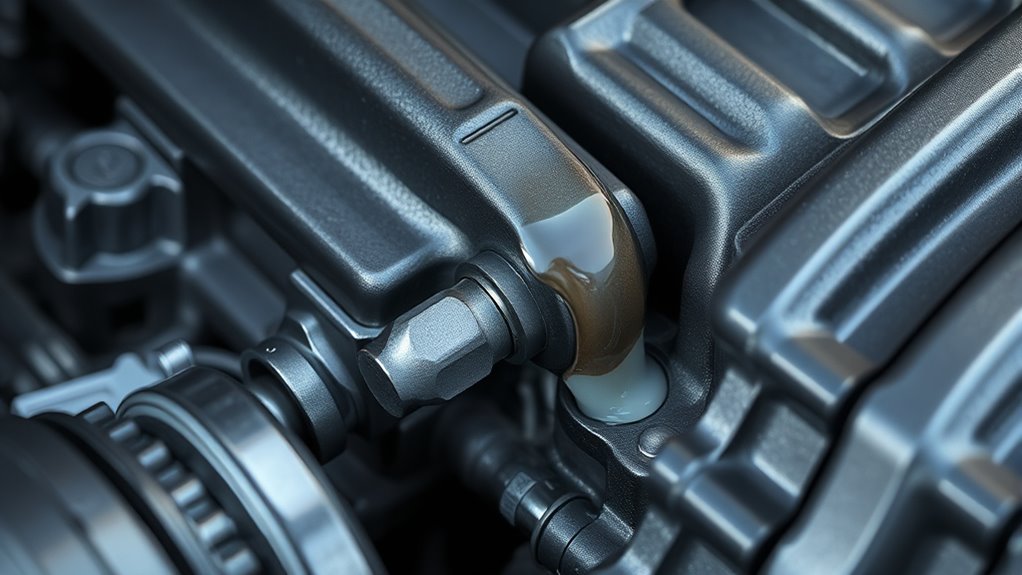
How can you tell if your transmission fluid is leaking without obvious signs? One clue is fluid discoloration. If you see a change in color under your vehicle or around the transmission area—especially a reddish or dark hue—it could mean a leak.
But these spots might be small or happen only sometimes, making them hard to spot. That’s when smell can help. Fresh transmission fluid has a slight chemical scent. If you notice a burnt or unusual smell near the engine or transmission, it might be a sign of a leak.
You should also pay attention to shifting. If your car slips or shifts roughly, low fluid levels could be the cause. Regularly check beneath your vehicle for wet spots or stains to catch leaks early.
Even if there’s no puddle, these subtle signs—discolored fluid and strange odors—are good clues that your transmission fluid might be leaking. Acting on these signs can help you avoid more serious damage down the road.
Understanding How Transmission Fluid Can Leak Without Puddles
Even if you don’t see a puddle under your vehicle, transmission fluid can still be leaking. Small leaks often release tiny amounts that evaporate quickly, making puddles less likely. Over time, fluid evaporation can hide how serious the leak is.
Pressure buildup inside the transmission can cause fluid to escape through tiny cracks or seals without leaving a visible pool. These leaks are subtle and tend to seep out under high pressure or heat, then evaporate before pooling on the ground.
Since the fluid disperses fast or evaporates, you might not notice the leak right away. That’s why it’s important to watch for other signs like low fluid levels or burning smells.
Understanding how these leaks happen helps you realize a leak can be present even without a puddle. Regular inspections and maintenance are key to catching issues early.
Top Causes of Transmission Fluid Leaks That You Can’t See
Many hidden transmission fluid leaks come from damaged seals and gaskets that wear out over time. During regular maintenance, you might miss small cracks or signs of deterioration in these parts, which can cause slow leaks without visible puddles.
These leaks often happen behind the scenes, making them tough to spot. Different types of fluid, like synthetic or conventional transmission fluid, can also affect how visible leaks are since some are thicker or darker, hiding small drips better.
Over time, thermal expansion and vibrations weaken seals, leading to tiny cracks that let fluid escape. Because these leaks don’t always show obvious signs, it’s important to watch for subtle changes in transmission performance or fluid levels.
Addressing these issues early can prevent bigger problems, saving you money and keeping your transmission running smoothly. Regular inspections and proper maintenance are key to catching these hidden leaks before they get worse.
How to Check for Transmission Leaks in Hard-to-Spot Areas
Checking for transmission leaks in hard-to-spot areas requires a careful and systematic approach, as these hidden spots can hide small but damaging leaks. Start by inspecting components like the bell housing, torque converter, and cooler lines, which are often tucked away.
Use a clean rag to wipe down surfaces and check for signs of fluid absorption, which can indicate slow leaks. To confirm the source, perform a pressure test by attaching a pressure gauge to the transmission system.
Pressurize the system according to your vehicle’s specifications and watch for drops in pressure or fluid escaping from seals or fittings. Pay close attention to tight spaces like behind the engine or beneath the vehicle’s undercarriage, where leaks are harder to spot visually.
Regular inspections with a flashlight and mirror can help you see tiny drips or stains that might otherwise go unnoticed. This helps keep your transmission healthy and leak-free.
Cracked Seals and Gaskets: Could They Be Causing Your Leak?
Cracked seals and gaskets are common culprits behind transmission fluid leaks, especially when you notice fluid dripping from unexpected spots. Over time, seal integrity can weaken due to age, heat, or wear, leading to cracks or splits.
Gasket wear is also a factor, as gaskets can become brittle or deformed, losing their ability to seal properly. When seals or gaskets fail, transmission fluid can escape without making a visible puddle underneath.
Instead, you might notice tiny drips or a persistent leak around the transmission components. Regular inspection of these parts can help you catch issues early.
If you find cracks or signs of gasket deterioration, replacing the faulty seals or gaskets will restore seal integrity and prevent further leaks. Addressing cracked seals and worn gaskets promptly saves you money on extensive repairs and keeps your transmission running smoothly.
Signs Your Transmission Is Losing Fluids Without a Puddle
Even if you don’t see a puddle under your vehicle, your transmission could still be losing fluid. Keep an eye out for leak signs like a burning smell, slipping gears, or delayed engagement when shifting.
Changes in fluid color, such as dark or burnt-looking fluid, often mean low levels or contamination, which can indicate a leak. You might also notice difficulty accelerating or harsh shifting—that’s a sign your transmission isn’t working properly because of low fluid.
Other clues include a whining noise while driving or a warning light on your dashboard. Regularly checking your transmission fluid level and color can help catch leaks early.
If the fluid is low or discolored, it’s a strong sign your transmission is losing fluids even if there’s no visible puddle. Spotting these signs early can prevent more damage and costly repairs later on.
Using Professional Tools to Detect Hidden Transmission Leaks
In the domain of detecting hidden transmission leaks, professional mechanics rely on specialized diagnostic tools that go beyond visual inspection. These tools enable accurate leak detection even when there’s no visible fluid pooling.
Using electronic leak detectors and pressure testing equipment, mechanics can identify pressure drops in the transmission system, pinpointing leaks that are otherwise hidden. Fluid analysis also plays an essential role; by examining a sample of transmission fluid, technicians can detect contaminants or unusual wear particles indicating internal leaks or damage.
Infrared thermal cameras can reveal temperature differences caused by fluid leaks, highlighting areas of concern. Ultrasonic leak detectors pick up high-frequency sounds generated by escaping fluid or pressurized systems.
Combining these techniques gives a thorough view of the transmission’s health, allowing for precise diagnosis. This approach guarantees that even the most elusive leaks are identified early, preventing further damage and costly repairs.
Preventive Tips to Spot and Avoid Transmission Fluid Leaks
Regularly inspecting your transmission fluid level and condition is one of the best ways to catch leaks early before they cause serious damage. Consistent fluid monitoring helps you notice subtle changes, like a drop in fluid levels or a burnt smell, which could signal problems. Preventive maintenance isn’t just about routine checks; it’s about proactively caring for your transmission to extend its lifespan.
To stay ahead of leaks, consider this simple table:
| Action | Benefit |
|---|---|
| Check fluid levels monthly | Detect early signs of fluid loss |
| Observe color and smell | Identify degradation or contamination |
| Schedule regular flushes | Prevent buildup and leaks |
Sticking to these habits minimizes risks and keeps your transmission running smoothly. Make fluid monitoring part of your routine to spot problems early, which can save you money and avoid costly repairs.
What to Do If You Suspect a Transmission Leak but See No Puddle
If you notice your transmission isn’t shifting smoothly or you feel a slipping sensation, but there’s no visible puddle beneath your vehicle, don’t ignore these signs. Transmission fluid leaks can happen without leaving a puddle, especially if they’re small or happening inside.
Start by checking your transmission fluid level with the dipstick—low levels usually mean a leak or fluid loss. Regular fluid maintenance helps catch issues early and can prevent leaks from getting worse.
Pay attention to any burning smell or strange noises, as these can indicate transmission problems even if you don’t see a leak. If you suspect a leak but see no puddle, it’s a good idea to schedule a mechanic’s inspection.
A mechanic can do a more detailed diagnosis to find hidden leaks or internal issues. Addressing these symptoms quickly helps prevent further damage and keeps your transmission properly lubricated.
Maintaining the right fluid level is key to protecting your transmission and avoiding costly repairs. Early detection makes all the difference in keeping your vehicle running smoothly.
Next Steps: How to Confirm and Fix a Hidden Transmission Leak
First, take a look at your transmission fluid—it should be at the right level and a nice, clear color. If it’s low or looks dark and dirty, that’s a sign something might be wrong.
Then, carefully check around the transmission and underneath your car for any sneaky leaks. Sometimes, leaks can be hard to spot, so don’t hesitate to get a closer look or even have a professional take a peek. If you notice any signs of a leak or you’re not sure what you’re seeing, it’s a good idea to bring your car to a mechanic. They can diagnose the issue and get it fixed up properly.
Check Transmission Fluid Level
To check if your transmission fluid level is low, you’ll need to use the dipstick usually located near the back of the engine bay. Start the engine and shift through all gears before returning to park.
Pull out the dipstick, wipe it clean, then fully reinsert it. Remove it again and look at the fluid level. If it’s below the recommended mark, your fluid might need attention.
Regularly checking your transmission fluid helps catch issues early. Low fluid levels can cause slipping or overheating, so it’s good to stay on top of it.
Use the troubleshooting tips in your vehicle’s manual to interpret the readings. Remember, keeping an eye on the fluid level is key to maintaining your transmission’s health and spotting leaks early.
Inspect for Hidden Leaks
Detecting hidden transmission leaks means carefully checking areas you can’t see right away, like beneath the vehicle and around the transmission pan. Look for small signs such as discoloration or residue on the ground or parts.
To find hidden leaks, try these diagnostic tips:
- Safely lift the vehicle to get a better look underneath.
- Inspect the transmission pan and seals for any signs of seepage or damage.
- Check around cooler lines and fittings for leaks or corrosion.
- Use a flashlight and mirror to look into tight spots and seams for fresh fluid or stains.
These steps help you confirm if there’s a leak and where it’s coming from, making your inspection thorough and effective.
Seek Professional Diagnosis
When you suspect a transmission leak but can’t find the source or feel unsure about what to do next, it’s best to seek professional diagnosis. A trained mechanic can perform fluid analysis to see if your transmission fluid is low or contaminated, which could indicate a leak.
Diagnostic tests like pressure checks or visual inspections help find hidden leaks that aren’t visible from the outside. Professionals can also look for subtle signs such as unusual shifting or overheating, which might point to transmission issues.
These methods give you accurate insights, helping you avoid unnecessary repairs and making sure your transmission works properly. Don’t rely only on visual cues—getting a thorough diagnostic is the best way to confirm a leak and plan effective repairs.
Trusting experts ensures safety, saves time, and can save you money in the long run.
Frequently Asked Questions
Can a Transmission Fluid Leak Cause Transmission Slippage?
Yes, a transmission fluid leak can cause transmission slippage. When fluid levels drop, you might notice slipping gears or delayed engagement.
To prevent more damage, it’s important to diagnose the leak quickly and add or replace the fluid as needed. Addressing the leak early helps keep your transmission running smoothly and avoids costly repairs.
Keep an eye on your fluid levels, and act fast if you suspect a leak.
How Often Should I Check for Transmission Fluid Leaks?
You should check for transmission fluid leaks every few months, especially if your vehicle is older or if you notice slipping gears.
Regular fluid inspection helps catch leaks early, preventing costly damage.
Don’t wait until a puddle appears—clues can be subtle.
By staying vigilant and inspecting regularly, you actively prevent leaks from worsening, ensuring your transmission stays smooth and reliable.
It’s a simple step that saves you time and money.
Are Transmission Leaks More Common in Certain Vehicle Models?
Transmission leaks are more common in certain vehicle models, especially older Fords or some Honda models. These issues often come down to design flaws or manufacturing quality.
Model susceptibility really depends on those factors. To avoid bigger problems, it’s a good idea to keep up with regular maintenance. Check your transmission fluid levels and look for leaks often.
Being proactive helps you catch leaks early. This can save you money and prevent serious transmission damage down the road.
What Are the Long-Term Effects of Undetected Transmission Fluid Leaks?
If you ignore an undetected transmission fluid leak, it can lead to serious long-term problems like transmission failure, expensive repairs, and a shorter vehicle lifespan. Regular fluid checks make it easier to spot leaks early and prevent major damage.
By catching leaks early, you can avoid costly repairs and keep your transmission running smoothly. Staying on top of maintenance helps ensure your vehicle performs at its best and lasts longer.
Ignoring leaks can cause your transmission to overheat and parts to wear out faster. So, stay vigilant and get your vehicle checked promptly to prevent long-term issues and keep everything running efficiently.
Can Driving With a Small Leak Damage the Transmission?
Driving with a small leak might seem harmless, but ignoring it can cause real damage to your transmission over time. Even a tiny leak affects how you maintain and monitor your transmission fluid.
Low fluid levels from leaks can lead to overheating and wear on important components. This silent damage can quickly turn into costly repairs if not caught early.
Stay vigilant by checking your fluid regularly and addressing leaks as soon as you notice them. Taking action early helps protect your transmission’s health in the long run.
Conclusion
Think of your transmission like a delicate ecosystem—you might not see the storm brewing, but leaks can quietly threaten its health. Staying vigilant and inspecting hidden areas helps you catch trouble early and keep your ride running smoothly.
Don’t let silent leaks become a hidden iceberg. Address issues promptly before they cause costly damage. With a proactive approach, you’re the captain steering your vehicle safely through any fog of uncertainty.
Remember, a transmission fluid leak without a puddle can be tricky to spot, but paying attention to subtle signs keeps your transmission in top shape.