Why a Clogged Radiator Can Cause No Heat: Signs, Diagnoses, and Solutions
Many homeowners know the frustration of a chilly house during winter, especially when your radiator just isn’t heating up.
If you’re dealing with cold spots or strange noises, you’re not alone—these issues are common and often point to a clogged radiator.
A clogged radiator blocks the flow of hot water or steam, causing your heating system to produce little or no heat.
Signs include cold spots, reduced warmth, strange noises, or leaks.
You can diagnose it by checking for uneven heating and sediment buildup.
To fix it, you may need to flush out debris or call a professional.
Keep going to uncover effective solutions to keep your radiator working efficiently during winter.
Key Takeaways
- A clogged radiator blocks water flow, which means less heat gets transferred. This can lead to insufficient heating or cold spots in your system.
- Signs to watch out for include the top of the radiator feeling cool, less heat coming out, and strange noises that might mean something’s blocking the flow.
- To diagnose the issue, check if the radiator heats unevenly, look for sediment buildup, and listen for gurgling sounds that suggest trapped air or flow problems.
- Fixing the problem usually involves flushing out debris or bleeding trapped air to get proper heat circulation back in shape.
- Regular maintenance and getting a professional inspection can prevent clogs and keep your radiator running efficiently.
How Do Radiators Work & What Causes Clogs?
Radiators work by circulating hot water or steam through a network of pipes and fins, which then radiate heat into the room. Understanding how radiators function helps you see why their efficiency can decline when problems pop up.
Hot water or steam flows from your boiler into the radiator, transferring heat through its metal surfaces. As the water cools, it returns to the boiler to be reheated.
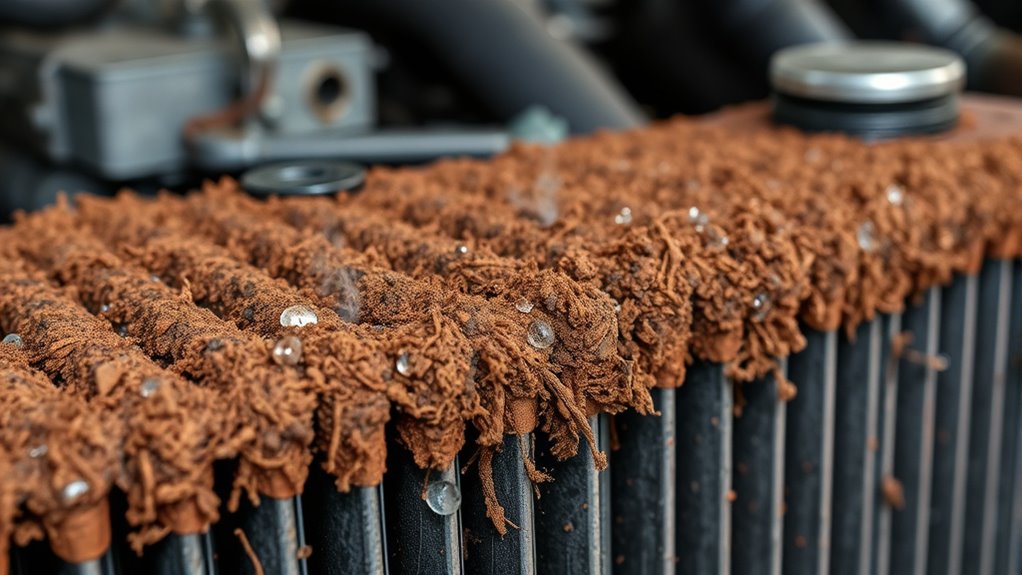
Over time, mineral deposits, sludge, and debris can build up inside the pipes, creating blockages. These clogs restrict water flow, leading to uneven heating and lower efficiency.
When the flow is blocked, the radiator can’t distribute heat properly, resulting in cold spots and higher energy bills. Regular maintenance like flushing out deposits and keeping the system clean can help keep everything working smoothly.
Keeping your radiator free of obstructions ensures it operates efficiently, maximizing comfort and heating in your space.
Signs Your Radiator Is Blocked or Failing
If your radiator isn’t giving off enough heat, it could be a sign that it’s blocked or starting to fail. You might also hear strange noises or notice odd smells coming from it—that’s usually a red flag.
Keep an eye out for leaks or any signs of corrosion, too. Those issues often mean there’s a bigger problem lurking underneath. If you spot any of these signs, it might be time to get it checked out before things get worse.
Reduced Heat Output
When your heating system isn’t providing enough warmth, it often points to a problem with your radiator. Reduced heat output is a clear sign your radiator might be blocked or failing.
You might notice uneven heat across rooms or cooler spots, which shows your radiator isn’t working efficiently. To diagnose, look out for these signs:
| Symptom | Cause | Solution |
|---|---|---|
| Cool radiator top | Air trapped inside | Bleed the radiator |
| Cold spots | Blockage or buildup | Flush or clean the system |
| Overall warmth decline | Reduced flow or clog | Check for blockages or corrosion |
Fixing these issues helps restore proper heat distribution and radiator efficiency, keeping your home warm and cozy.
Unusual Noises or Smells
Unusual noises or strange smells coming from your radiator are clear signs that something’s not right inside your heating system. If you hear banging, gurgling, or hissing sounds, it could be trapped air or a blockage stopping the flow.
Weird smells, like burning or musty odors, often mean overheating or mold buildup caused by stagnant water or debris. These signs usually point to a clogged radiator or internal issue.
Ignoring them can lead to more damage or even a complete system breakdown. If you notice strange sounds or odd smells, it’s best to check things out quickly.
Addressing problems early can save you money on repairs and get your heating back to normal. It’s also a good idea to call in a professional to diagnose and fix the issue properly.
Visible Leaks or Corrosion
Visible leaks or corrosion on your radiator are clear signs that it might be blocked or failing. You might see visible damage like rust, white deposits, or stains around the radiator.
Corrosion often looks like flaky or bubbled areas, which weaken the metal and can lead to leaks. These signs suggest coolant is escaping or the radiator is deteriorating, reducing heat transfer and causing heating problems.
Preventing corrosion is important. Regular inspections and applying corrosion prevention treatments can help extend your radiator’s lifespan. Leaks shouldn’t be ignored, as they can worsen quickly and cause engine damage.
Addressing visible damage promptly ensures your radiator functions properly, avoiding costly repairs. It also helps maintain peak heating performance in your vehicle.
What Causes Radiator Clogs? Common Reasons
Radiator clogs often happen because of corrosion and rust that develop over time, especially if your coolant isn’t maintained properly. When the coolant isn’t changed regularly, it can cause the metal parts inside the radiator to corrode, which then leads to blockages.
Sediment buildup from debris or mineral deposits can also cause issues. Things like dirt, leaves, or minerals from hard water can settle inside the radiator and clog the flow of coolant. Knowing these common causes can help you take steps to prevent clogs before they become a big problem.
Corrosion and Rust Formation
Corrosion and rust formation are common causes of radiator clogs, especially if you neglect regular maintenance. When metal parts are exposed to moisture and oxygen, rust starts to form and gradually blocks coolant flow.
Over time, rust particles can build up and cause corrosion, weakening your radiator’s components and lowering efficiency. To prevent this, it’s important to use corrosion control products like inhibitors to protect your radiator’s metal surfaces.
Regularly flushing your cooling system and checking for leaks can also help reduce rust buildup. If rust and corrosion are left unchecked, they can cause severe clogs, restrict heat transfer, and lead to system failure.
Staying proactive with rust prevention and corrosion control helps keep your radiator running smoothly and extends its lifespan.
Sediment Buildup Inside Radiator
As rust and corrosion particles break free and settle inside the cooling system, they often combine with dirt, debris, and mineral deposits to form a thick layer of sediment.
These sources can come from neglecting radiator maintenance, mineral-rich water, or environmental contaminants.
Over time, this buildup restricts coolant flow, impeding heat transfer and causing your radiator to clog.
Regular radiator maintenance helps prevent sediment accumulation by flushing out debris before it becomes a problem.
If ignored, sediment can settle in narrow passages, reducing efficiency and leading to overheating.
To keep your radiator working properly, stay on top of coolant quality, schedule routine flushes, and address any signs of clogging early.
Proper radiator maintenance is key to avoiding sediment-related issues.
How Can I Diagnose a Clogged Radiator? Step-by-Step
Wondering how to tell if your radiator is clogged? Start with a thorough radiator inspection. Check if your heating system heats up unevenly or takes longer than usual to warm a room.
Feel the radiator’s surface—if it’s cool in some areas while hot in others, that’s a sign of restricted flow. Listen for unusual noises like banging or gurgling, which can indicate buildup blocking water movement.
Monitor your home’s heating efficiency. If rooms stay cold despite the thermostat being set correctly, your radiator may be clogged. Also, look for visible signs of sediment or sludge around the valves and inside the radiator.
Performing these steps helps identify blockages early. Regular inspections ensure your system works well, preventing further damage and keeping your heating efficient.
If problems continue, consider further diagnosis or getting professional help.
How to Clear a Clogged Radiator Quickly and Easily
If your radiator is clogged, acting quickly can help restore efficient heating without needing major repairs. First, turn off your heating system and let the radiator cool down.
If possible, remove the radiator from the wall. Use a stiff brush or cloth to clear out loose debris and sediment. Then, try running water through the radiator’s inlet and outlet pipes to flush out any remaining buildup.
To keep clogs from happening again, make radiator maintenance a regular habit. This includes annual flushing and bleeding to keep everything running smoothly.
Remember, prevention is key to maintaining peak performance and avoiding costly repairs. Regularly inspect for signs of buildup or leaks, and consider using radiator flush solutions periodically.
Keep your heating system balanced to prevent pressure issues, and schedule professional maintenance to catch problems early.
Should I Flush or Bleed My Radiator? When and How
After clearing a clog or doing maintenance, you’ll need to decide whether to flush or bleed your radiator to keep it working well.
Flushing is important when the radiator has built-up sludge or debris that can slow down water flow and reduce cooling. It involves draining the system, cleaning out the deposits, and refilling with fresh water or coolant.
Bleeding, on the other hand, is needed when air gets into the radiator. Air pockets can cause cold spots and uneven heating. Bleeding releases trapped air and helps restore proper circulation.
Usually, bleeding is quick—just open the bleed valve until water flows steadily without sputtering. Flushing takes more time but is necessary to remove stubborn buildup.
Both steps are essential for radiator maintenance, ensuring maximum cooling efficiency and even heat distribution in your home.
Tips to Prevent Radiator Clogs and Keep Heating Efficient
To keep your radiator working smoothly, it’s a good idea to flush and bleed it regularly. This helps get rid of any buildup and air pockets that can cause problems. Using a high-quality coolant is also a smart move because it helps prevent corrosion and clogs from forming.
Don’t forget about scheduling professional inspections now and then. They can catch small issues before they turn into bigger, costly problems. Following these simple steps can really boost your system’s efficiency and make it last longer.
Regular Flushing and Bleeding
Regularly flushing and bleeding your radiator is essential for keeping your heating system efficient and preventing clogs. Proper radiator maintenance means sticking to a good flushing schedule to clear out sediment and debris that can block heat transfer. Bleeding the radiator releases trapped air, helping your home heat evenly and easing pressure on your boiler.
To keep everything running smoothly, remember to schedule flushing based on your water quality and how old your system is. Bleed radiators at the first sign of cold spots or strange noises. Make sure to use the right tools so you don’t damage the valves. Also, keep an eye on the pressure levels after bleeding.
Regular maintenance helps prevent buildup, extends the life of your radiator, and keeps your home cozy. Flushing and bleeding are simple steps that make a big difference in your heating system’s performance.
Use Quality Coolant
Using high-quality coolant is key to preventing radiator clogs and keeping your heating system running smoothly. It’s important to choose the right coolant for your vehicle, like ethylene glycol or propylene glycol-based options, because they provide better corrosion protection and thermal performance.
Avoid cheaper or outdated coolants, as they can contain contaminants or break down over time, leading to issues. Adding coolant additives designed to inhibit rust and scale buildup can give your radiator extra protection, ensuring better flow and preventing deposits that cause clogs.
Always check your vehicle manufacturer’s recommendations for coolant type and additives. Stick to those approved for your car to keep everything working properly. Proper coolant maintenance helps keep your radiator clean, stops blockages, and makes sure your heating system runs efficiently.
This not only saves you money but also helps you avoid costly repairs down the line.
Schedule Professional Inspections
Scheduling professional inspections is key to catching radiator issues early before they cause clogs or system failures. Regular maintenance helps keep your heating running smoothly and your home warm.
During inspections, technicians can spot signs of corrosion, leaks, or buildup that might reduce heating efficiency. Being proactive means small problems won’t turn into costly repairs later.
To get the most out of inspections, consider these tips:
- Schedule them before the peak heating season kicks in
- Make sure flushing is thorough to clear out debris
- Check coolant levels and quality
- Fix small issues right away to prevent clogs
Investing in professional radiator care keeps your system efficient, lowers energy costs, and helps it last longer.
What Happens If I Ignore a Clogged Radiator? Risks & Damage
Ignoring a clogged radiator can cause serious engine problems because the cooling system can’t regulate temperature properly. Over time, this can make the clog worse, leading to overheating and even engine failure.
Ignoring a clogged radiator risks overheating and severe engine damage over time.
In the long run, you risk damaging pistons, warped cylinder heads, and blown head gaskets—all of which are costly to repair. When a radiator is clogged, coolant flow gets restricted, making it harder for your engine to stay cool.
If you keep neglecting it, your engine may run hot, which speeds up wear and tear on vital parts. Excessive heat can also damage hoses and belts, increasing the chances of leaks and breakdowns.
Ultimately, ignoring signs of a clogged radiator jeopardizes your vehicle’s reliability and can lead to expensive, extensive damage. Addressing radiator issues early on helps prevent these risks and keeps your engine running smoothly.
When Is It Time to Call a Professional? Repairs & Replacement
When signs of a clogged radiator become evident, it’s time to seek professional help instead of trying to fix the issue yourself. A professional assessment can accurately diagnose whether the radiator needs a simple repair or a full replacement.
If your radiator shows persistent leaks, unusual noises, or if cleaning and flushing don’t restore heat, it’s a clear sign you should call in the experts. Attempting repairs without proper knowledge can cause further damage and costly mistakes.
A professional can provide effective repair options, from chemical flushes to component replacements, ensuring your system operates safely and efficiently.
Consider calling a professional if:
- You notice recurring overheating or leaks
- The radiator is severely corroded or damaged
- DIY efforts haven’t restored proper function
- You’re unsure about the extent of the damage or repair needs
Trusting a professional guarantees a thorough assessment and the right solution, saving you time and money in the long run.
How to Maintain Your Radiator for Winter Heating
Preparing your radiator for winter heating is essential to ensure it works efficiently when you need it most. To keep your system in top shape, follow simple radiator maintenance tips, like bleeding air from the radiator to remove trapped air pockets that can block heat flow.
Regularly check for leaks, corrosion, or buildup of sludge, which can reduce performance and cause cold spots. Incorporate these tasks into your winter heating checklist to make sure your radiator functions smoothly all season.
Keep the radiator clean and free of dust and debris, and ensure that valves are working properly. If you notice reduced heat or strange noises, don’t wait—address issues early to avoid costly repairs.
Frequently Asked Questions
Can a Clogged Radiator Cause Increased Energy Bills?
Yes, a clogged radiator can cause increased energy bills. When your radiator is blocked, your heating system has to work harder to circulate hot water or air. This reduces its efficiency and increases energy use.
This extra effort means it consumes more power, which can lead to higher bills. Regular maintenance and cleaning can prevent clogs, helping your system run smoothly and efficiently.
How Long Does It Take to Unclog a Radiator?
It usually takes about 1 to 3 hours to unclog a radiator, depending on how bad the clog is. You’ll want to look for signs like cold spots or less heat coming from the radiator.
Start with simple cleaning methods like bleeding the radiator or flushing it with a radiator cleaner. If the clog doesn’t go away, you might need to take it apart or call a professional for more thorough cleaning.
Are DIY Radiator Cleaning Techniques Safe?
Your radiator cleaning skills can be as safe as walking a tightrope if you follow proper safety precautions. DIY radiator cleaning techniques are generally safe if you wear gloves, goggles, and turn off the system before starting.
Always use the right tools and avoid harsh chemicals, which can damage your system or pose health risks. When in doubt, consulting a professional guarantees your safety and your radiator’s longevity.
What Are the Best Preventive Products for Radiator Maintenance?
For ideal preventive maintenance, you should use radiator additives designed to prevent corrosion and rust buildup. These products help keep your radiator clean and working efficiently.
Regularly flushing your cooling system also supports preventive maintenance. Combining radiator additives with routine inspections helps you catch potential issues early, avoiding clogs and maintaining proper heat.
Using these products consistently saves you money and extends your radiator’s lifespan, keeping your system running smoothly.
How Often Should I Schedule Radiator Inspections?
You should schedule radiator inspections at least once a year to ensure your radiator lasts as long as possible and keeps your home warm. Regular check-ups help spot issues early, like clogs that could lead to no heat and expensive repairs.
If you notice your heat is weaker or hear strange noises, it’s a good idea to get inspections more often. Staying on top of your radiator’s health keeps your system running smoothly and can save you money in the long run.
Conclusion
Ignoring a clogged radiator might seem harmless, but it’s like letting a small leak grow into a flood—you risk costly repairs and cold nights. A clear, well-maintained radiator keeps your home warm and cozy, turning a simple fix into peace of mind.
Don’t wait for the cold to catch you off guard; address issues early. Because in heating, as in life, small blocks can lead to big problems. Stay proactive and keep the warmth flowing by fixing your radiator before it’s too late.