Preventing Power Steering Fluid Leaks on Driver’s Side: Causes, Detection, and Maintenance Tips
Many drivers find themselves frustrated by power steering fluid leaks, especially on the driver’s side. It’s a common issue that can make steering feel stiff or noisy, leaving you worried about costly repairs. You’re not alone—staying proactive can make all the difference in preventing bigger problems down the road.
To prevent power steering fluid leaks on the driver’s side, regularly inspect hoses, fittings, and the pump for cracks or damage. Keep an eye on fluid levels and check for unusual noises or steering stiffness, which can signal leaks.
Address any issues promptly by replacing worn hoses or seals to avoid bigger repairs. Staying proactive with maintenance helps keep your system sealed and running smoothly.
Continue exploring for more tips to safeguard your steering system.
Key Takeaways
- Regularly check hoses, fittings, and the pump for cracks, leaks, or damage so you can catch problems early.
- Keep the power steering fluid at the right level and change out old or contaminated fluid without delay.
- Inspect and replace worn or damaged seals, especially around the pump, to help prevent leaks on the driver’s side.
- Listen for unusual noises and watch how your steering responds to spot early signs of fluid leaks.
- If leaks persist or steering feels off, get professional help rather than trying to fix everything yourself to keep the system working properly.
How Do You Know If Your Power Steering Fluid Is Leaking?
How can you tell if your power steering fluid is leaking? First, check the fluid color. Fresh fluid is usually clear or light pink, but if it’s dark or has debris in it, that’s a sign of contamination or a leak.
You might also notice a puddle under your vehicle, especially near the driver’s side. That’s a good indicator you have a leak somewhere.
Pay attention to any noises when turning the steering wheel. Whining, squealing, or groaning sounds often mean the fluid is low or leaking. These noises happen because the pump struggles to keep pressure without enough fluid.
Whining or squealing noises when turning suggest low or leaking power steering fluid.
If your steering feels stiffer or harder to turn than usual, that could also be a sign of a leak. Regularly checking your fluid levels and color can help you catch problems early.
Addressing these signs quickly can prevent more damage and keep your steering system working smoothly.
Common Signs of a Power Steering Fluid Leak on the Driver’s Side
If you notice fluid pooling on the driver’s side of your vehicle, it’s a clear sign your power steering system might be leaking. Puddles or wet spots near the front wheel or under the driver’s side door are common indicators.
You might also find it hard to turn the steering wheel, especially at lower speeds, which suggests a loss of power steering fluid. A burning smell or strange noise when turning can also point to low fluid levels caused by a leak.
Detecting leaks becomes easier if you analyze the fluid. Check its color and consistency to spot contamination or deterioration. A sudden drop in steering response or a stiff steering wheel can also signal a leak.
Regularly inspecting the fluid level and watching for visual signs are key to catching leaks early. Doing this helps prevent further damage and costly repairs down the line.
Where Do Power Steering Leaks Usually Occur on the Driver’s Side?
Where do power steering leaks usually happen on the driver’s side? They often come from specific spots that are affected by fluid pressure. Knowing these common areas can help you catch leaks early.
- Hoses and fittings are the most common sources. High fluid pressure can cause cracks or fittings to loosen, leading to leaks.
- The power steering pump can develop cracks in its seals or housing over time, especially if the fluid pressure fluctuates or the pump wears out.
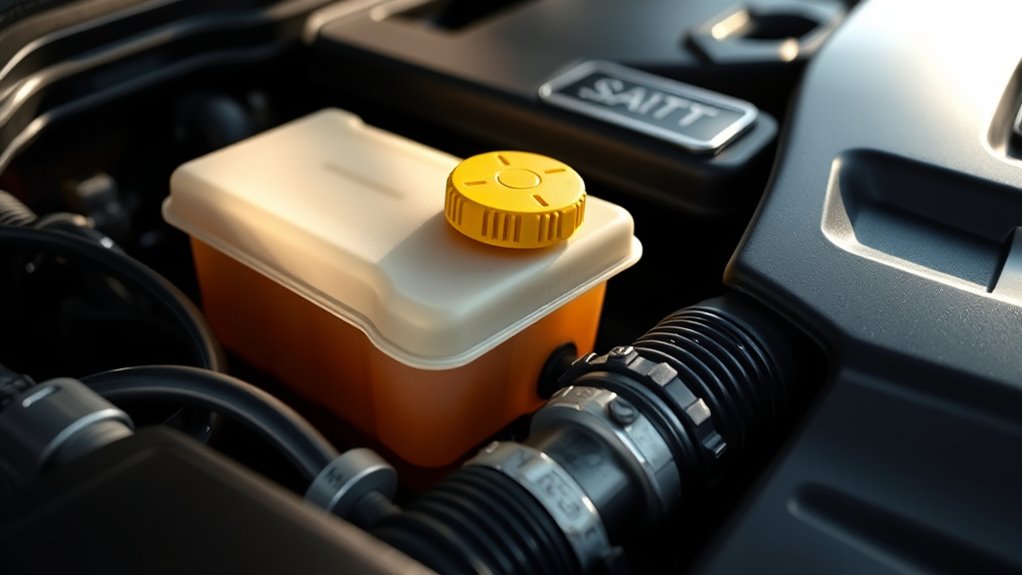
- The reservoir and cap might crack or fail to seal properly, allowing fluid to escape on the driver’s side.
Check Your Power Steering Fluid Level and Condition
Regularly checking your power steering fluid level and condition helps catch leaks early before they cause serious damage. Start by locating the reservoir, usually near the engine, and inspecting the fluid level against the marked indicators. Low or discolored fluid can signal leaks or contamination.
Always use the correct fluid type to guarantee system compatibility. Incompatible fluid can lead to poor lubrication and damage. Check the fluid’s color, smell, and level regularly to keep everything running smoothly.
| Fluid Level | Fluid Color | Fluid Smell | System Compatibility | Action Needed |
|---|---|---|---|---|
| Full | Clear or pink | Slightly sweet | OEM recommended | No action |
| Low | Dark or cloudy | Burnt smell | Compatible brand | Top off |
| Excess | Foamy or bubbly | None | Check for leaks | Remove excess |
| Discolored | Dull, brown | No odor | Suitable fluid | Flush & replace |
| Contaminated | Milky or gritty | Unpleasant | Correct fluid type | Flush system |
Maintaining proper fluid quality and system compatibility prevents leaks and helps your power steering system last longer.
Why Are Loose or Damaged Hoses a Common Cause of Leaks?
Loose or damaged hoses are a common cause of power steering fluid leaks because they can develop cracks, splits, or become disconnected over time. Hose deterioration from rubber wear weakens the material, making leaks more likely.
Poor hose connections, whether from improper installation or vibration damage, can also cause fluid to escape. Age-related issues and exposure to environmental factors like extreme temperatures speed up hose deterioration.
Pressure fluctuations within the system stress hoses further, increasing the risk of leaks. Common causes include vibration damage and installation errors that loosen fittings or cause cracks.
Rubber wear from age and environmental factors can lead to cracks or splits. Hose connection failures due to loose fittings or improper installation are also typical issues.
Regular inspection helps catch these problems early, preventing leaks from getting worse. Replacing worn hoses and ensuring proper installation can significantly reduce the chances of fluid leaks on the driver’s side.
How Does the Power Steering Pump Seal Prevent Leaks?
The power steering pump seal plays an essential role in preventing fluid leaks by creating a tight barrier around the pump’s moving parts. Its main job is to keep the steering fluid inside the system and prevent it from escaping.
The seal’s design takes fluid viscosity into account, which helps it do its job better. When the fluid has the right thickness, the seal can adapt and reduce the chances of leaks caused by fluid getting too thin or thick.
It blocks gaps where fluid might leak out, even if the pressure or temperature changes. Properly working seals also allow for slight movements of the pump’s parts, keeping the barrier secure.
If the seal wears out or gets damaged, fluid can start to leak. Changes in fluid viscosity due to temperature swings can make leaks more likely. So, keeping the pump seal in good shape is key for efficiency and preventing leaks, which helps your steering work smoothly.
Tips to Maintain Your Power Steering System and Prevent Leaks
To keep your power steering system from leaking, it’s a good idea to check the fluid level regularly and top it off if needed. If you notice any leaks, make sure to address them quickly—waiting too long can lead to bigger problems and more expensive repairs.
Doing regular maintenance on the system helps ensure all the parts stay in good shape and work smoothly. It’s a simple way to keep your steering feeling responsive and to avoid those annoying leaks down the road.
Regular Fluid Checks
Regularly checking your power steering fluid is one of the easiest ways to prevent leaks and keep the system running smoothly. Doing routine inspections helps catch problems early and keeps everything working at its best.
Here are three simple tips:
- Check the fluid level once a month to make sure it’s within the recommended range.
- Look at the fluid’s color and smell. Dark or burnt-smelling fluid could mean contamination or wear.
- Top off or replace the fluid if needed, using the type specified by the manufacturer.
Prompt Leak Repairs
Promptly fixing leaks as soon as you spot them is crucial to prevent more damage to your power steering system. Ignoring small leaks can lead to expensive repairs, fluid loss, and even system failure.
Address leaks right away to keep fluid levels up and avoid further issues. Regularly check hoses, connections, and seals, and replace any damaged parts without delay.
| Leaks Detected | Action to Take |
|---|---|
| Minor leaks | Tighten fittings or replace seals |
| Persistent leaks | Consult a mechanic for detailed repairs |
| Fluid loss | Top off with the correct power steering fluid |
Focusing on fluid maintenance and fixing leaks quickly helps your power steering system run smoothly and last longer.
Proper System Maintenance
Maintaining your power steering system properly is essential to prevent leaks and ensure smooth operation. Regular checks help verify fluid compatibility and seal integrity, reducing the risk of leaks on the driver’s side.
To keep your system in top shape, use the correct power steering fluid recommended by your vehicle manufacturer. This helps maintain fluid compatibility and prevents damage.
Check fluid levels regularly and top off as needed, making sure the fluid stays clean and free of contaminants. Also, inspect the seals periodically for signs of wear or damage, replacing any compromised parts to preserve seal integrity.
Consistent maintenance helps catch potential issues early, preventing leaks and extending the lifespan of your power steering system.
When Should You Replace or Repair Power Steering Components?
How do you know when it’s time to replace or repair your power steering components? Typically, you should consider this when you notice signs like difficulty steering, strange noises, or fluid leaks.
Components have a limited lifespan, and over time, wear and tear reduce their effectiveness. If your power steering pump, hoses, or rack show persistent issues despite routine maintenance, it’s a sign they might need replacement.
Ignoring these signs can lead to more costly repairs later. Repair costs vary depending on the component’s severity and age; minor fixes might be affordable, but significant damage could require a full replacement.
Regular inspections help catch problems early, extending component lifespan and avoiding unexpected breakdowns. Remember, timely repairs save you money on long-term repair costs and keep your steering system functioning smoothly.
When in doubt, consult a professional to assess whether repair or replacement is the best course of action.
DIY Steps to Fix a Power Steering Fluid Leak on the Driver’s Side
If you’re dealing with a power steering fluid leak on the driver’s side, the first thing you want to do is find exactly where the leak is coming from. Take your time to inspect the area thoroughly so you can pinpoint the source. Once you know where it’s leaking, gather all the tools you’ll need—things like wrenches, a drain pan, and maybe some replacement hoses or seals, depending on what needs fixing.
When it’s time to actually do the repair, just go slow and be careful. Make sure you follow the steps properly so you don’t accidentally cause more issues. Taking your time and doing it right will help keep your vehicle running smoothly and prevent future leaks.
Identify Leak Source
Start by safely parking your vehicle on a level surface and turning off the engine. To identify the leak source, focus on leak detection and fluid analysis.
Inspect the power steering system for wet spots or drips on hoses, fittings, and the pump. Use a flashlight if needed.
Wipe off any visible fluid and run the engine briefly, then watch where new fluid appears to pinpoint the leak.
Check the reservoir and nearby parts for signs of fluid buildup or contamination, which can confirm the leak location.
Gather Repair Tools
Gathering the right repair tools is the next step before fixing a power steering fluid leak on the driver’s side. Start by collecting repair kits that include essential parts like replacement hoses, clamps, and seals.
You’ll also need tools such as screwdrivers, pliers, a socket set, and a wrench to loosen and tighten fittings. Having a clean container or drain pan is important for catching leaking fluid.
Make sure you have gloves and safety glasses to protect yourself. Double-check that your tools are in good condition to prevent delays.
Gathering everything beforehand ensures a smoother repair process, saving you time and frustration. Proper tools and repair kits are key to fixing the leak effectively without causing more damage.
Apply Fix Safely
Before applying the fix, make sure your vehicle is parked on a flat surface, the engine is turned off, and the parking brake is engaged. This helps ensure safety and stability. Next, follow these steps:
- Inspect the leak area and clean it thoroughly with a suitable solvent. Be sure to pick a cleaning agent compatible with your power steering fluid to avoid any damage.
- Choose the right sealant options based on fluid compatibility. For small leaks, a high-quality sealant made for power steering systems can work well. For larger leaks, it’s best to replace the faulty seal or hose.
- Carefully apply the sealant or replace the damaged part, following the manufacturer’s instructions. Wear gloves and eye protection to prevent contact with power steering fluid during the process.
When to Seek Professional Help for Power Steering Leaks
Wondering when it’s time to call in a professional for your power steering leak? If your leak gets worse or starts affecting how your steering responds, don’t wait too long. Signs like difficulty turning the wheel, puddles under your car that won’t go away, or strange noises are good reasons to seek expert help.
A mechanic will use diagnostic tools to find the problem accurately and give you an idea of the repair costs. It’s better to get it fixed early before things get worse.
Here’s a simple table to help you decide what to do:
| Situation | What to Do |
|---|---|
| Leaking fluid on the driveway | Schedule a professional inspection |
| Difficulty turning the steering wheel | Seek immediate diagnosis |
| Unusual noises when steering | Get a mechanic’s assessment |
| Fluid loss despite topping off | Have a professional evaluate for leaks |
| Persistent leaks despite fixes | Consult a specialist for repair estimates |
If these signs keep happening, calling in a professional is the best way to ensure your car is safe and functioning properly. It can prevent more serious damage and costly repairs down the line.
Frequently Asked Questions
What Are the Long-Term Effects of Driving With a Power Steering Fluid Leak?
Driving with a power steering fluid leak can cause long-term damage to your vehicle. As the fluid deteriorates, it loses its effectiveness, which leads to more wear on the steering components.
This can make steering harder, especially when you’re turning, and might lead to costly repairs down the line. Over time, persistent leaks weaken the entire system, increasing the risk of complete failure.
Regularly checking and maintaining your fluid levels can help prevent these issues and extend the life of your steering system.
How Much Does It Typically Cost to Repair a Power Steering Leak?
Wondering about the cost to repair a power steering leak? Typically, repair shop estimates range from $200 to $500, depending on where the leak is and how big it is.
Fluid replacement costs are usually included, but if the repair is more complex, that might add to the total price.
Keep in mind, fixing leaks early can help avoid more expensive damage down the road.
Have you checked with a trusted mechanic to get an accurate estimate for your specific vehicle?
Can a Power Steering Leak Cause Steering Difficulty or Failure?
Yes, a power steering leak can cause steering difficulty or failure. When fluid leaks, it reduces how responsive the steering feels, making turns harder and less precise.
Plus, contaminated fluid from leaks can damage the system’s components, which makes steering performance worse. If you notice stiff steering or strange noises, it’s important to fix the leak quickly to avoid further damage and keep your drive smooth and safe.
Are There Specific Driving Conditions That Increase Leak Risk?
Ever wonder if certain driving conditions make leaks more likely? Rough road conditions and extreme weather can definitely increase the risk.
Potholes and uneven surfaces put extra strain on your steering system, which can cause seals to wear out faster. Cold weather thickens the fluid, making leaks more noticeable, while heat speeds up component wear.
To keep your vehicle in good shape, stay cautious on bad roads and consider regular maintenance to catch leaks early before they get worse.
How Often Should I Have My Power Steering System Inspected Professionally?
You should have your power steering system inspected professionally every 12,000 to 15,000 miles or at least once a year, whichever comes first.
Regular fluid maintenance is key to preventing leaks and system failure. During inspections, a mechanic will check for leaks, fluid levels, and wear on components.
Staying consistent with these checks helps keep your power steering in good shape and catches potential issues early.
Conclusion
Keeping an eye on your power steering system can save you from bigger headaches down the road. Regular checks, timely repairs, and proper maintenance are your best bet to prevent leaks from turning into costly repairs.
Don’t wait until the situation spirals out of control. Nip problems in the bud to keep things running smoothly. Remember, a stitch in time saves nine, so stay proactive.
By catching issues early, you can prevent power steering fluid leaks on the driver’s side from worsening. This keeps your steering smooth and your drive safer and more comfortable.