How Do I Find Expiration Date on Car Seat: Easy Guide
Finding the expiration date on your car seat can feel confusing, especially when you’re trying to ensure your child’s safety.
Many parents struggle with knowing exactly where to look and what details matter most. You’re not alone—it’s a common concern, but the good news is it’s easier than you think to check.
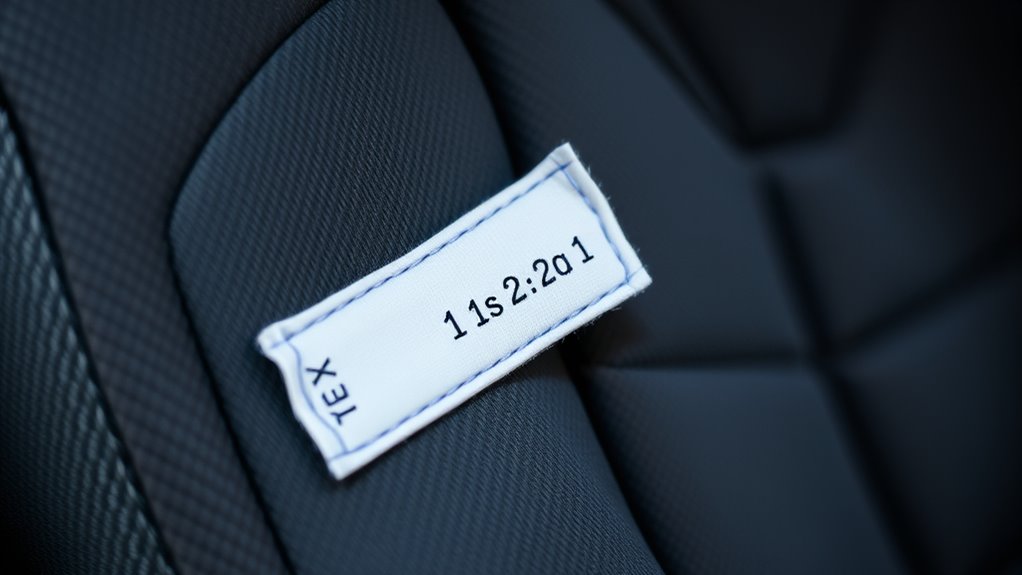
To find the expiration date on your car seat, check the labels typically located on the bottom, back, or sides of the seat.
Look for printed dates near the harness or shell, or consult the user manual for guidance. You’ll also find symbols and codes that can help you identify the manufacturing date.
Once you know how to locate these details, you’ll understand why checking the expiration is essential for safety and longevity.
Keep going to uncover more helpful tips.
Key Takeaways
- Check the bottom, back, or sides of the car seat for labels or printed dates.
- Look for manufacturing dates in MM/YYYY or WW/YYYY format on stickers or tags.
- Refer to the user manual or packaging to find expiration info.
- Look for symbols that show age, weight, or safety standards on the seat.
- Write or mark the expiration date and set reminders so you can keep track easily.
Where and How to Find the Expiration Date on Your Car Seat
To find the expiration date on your car seat, start by inspecting the entire seat, focusing on common label locations. Look on the bottom of the seat, where manufacturers often place a sticker or embossed mark.
Check the back or sides of the seat, especially near the harness adjustment area or shell. Some brands print the expiration date directly onto the plastic or fabric.
If you don’t see a label, examine the user manual or packaging, as they might contain this info. Knowing the expiration date is crucial for maintaining car seat safety because materials can degrade over time, reducing effectiveness.
Check the manual or packaging for the expiration date to ensure your car seat’s safety and effectiveness over time.
Addressing longevity concerns early guarantees you’re not using a compromised seat. Keep in mind that expiration dates are set by manufacturers based on safety standards, so locating this date helps you decide whether your seat is still safe to use or needs replacement.
Being proactive about these details helps protect your child’s safety on every trip.
What Do the Symbols and Codes on Your Car Seat Mean?
Symbols and codes on your car seat are more than just markings—they give you important info about safety standards, how to install it, and weight or height limits.
Car seat symbols often show icons indicating whether the seat is suitable for rear-facing, forward-facing, or booster use. These labels help you quickly understand the seat’s purpose.
Safety codes, usually stamped or printed, show that the seat meets federal safety standards. This gives you confidence that the seat is reliable and safe for your child.
You’ll also find labels with weight limits, height restrictions, and instructions for proper installation. These are often represented with simple diagrams or symbols to make things clear.
These symbols help you understand how to install and use the seat correctly, making sure your child is as safe as possible.
Familiarizing yourself with car seat symbols and safety codes is really important. Ignoring or misinterpreting them can compromise safety.
Always check these markings carefully to make sure your seat is right for your child’s age, size, and your vehicle.
How to Read the Manufacturing Date on Your Car Seat
Knowing how to read the manufacturing date on your car seat helps you figure out its age and if it’s still safe to use. Most seat labels or codes include a date of manufacture, often in formats like month/year or week/year.
Look for these codes on the seat label, which is usually sewn into the fabric or attached to the seat shell. Finding the date is the first step in checking if your seat is still good to go.
Here’s a helpful example:
| Month/Week | Year | Additional Codes |
|---|---|---|
| 03 (March) | 2021 | MFG123456 |
| 12 (December) | 2020 | MFG654321 |
| 06 (June) | 2019 | MFG789012 |
This format makes it easy to understand when your seat was made and decide if it’s still safe to use.
How to Calculate the Expiration Date From the Manufacturing Date
To figure out your car seat’s expiration date, first, find the manufacturing date on the label. It’s usually printed somewhere on the seat, like on the back or the bottom. Once you’ve got that, you just need to know the recommended safe usage period, which the manufacturer usually mentions.
After that, simply add that time period to the manufacturing date. This will tell you roughly when it’s time to start thinking about replacing your seat. It’s a good idea to check this regularly to keep your little one safe!
Determine Manufacturing Date
Finding the manufacturing date on a car seat is usually straightforward once you know where to look. Most seats have manufacturing codes stamped on labels or imprinted into the plastic shell, often located on the bottom, back, or side.
These codes follow production standards set by manufacturers and can include a combination of numbers and letters. Look for a date or a code that indicates when the seat was made, like a four-digit number such as 1204, which means December 2004.
Some manufacturers use a Julian date format. Always check the label carefully because the manufacturing date helps determine the seat’s expiration timeline.
Understanding these codes helps you accurately identify the manufacturing date, ensuring your seat’s safety and compliance.
Add Safe Usage Period
Once you’ve identified the manufacturing date of your car seat, calculating its expiration date becomes straightforward. Typically, manufacturers recommend a safe usage period, often around six to ten years from the production date. Check the user manual or label for specific guidance.
To determine the expiration date, simply add the recommended years to the manufacturing date. Incorporate longevity tips by storing the seat in a cool, dry place and avoiding exposure to direct sunlight or extreme temperatures, which can degrade materials.
Regularly inspect the seat for signs of wear or damage, even if it’s within the safe usage period. Always follow these steps to help ensure your car seat remains safe, functional, and compliant with safety standards over its lifespan.
Why Is It Important to Check Your Car Seat’s Expiration?
Checking your car seat’s expiration date is really important because over time, materials like plastic and fabric can weaken. This can make the seat less effective at protecting your child during a crash. An expired seat might not hold up properly in an impact, which increases safety risks.
Ignoring expiration dates can also cause legal issues. Many places require car seats to meet current safety standards, and using an outdated seat could lead to fines or penalties.
Here are four reasons why checking the expiration date is so important:
- Safety implications – an expired seat might not protect well during an accident.
- Material degradation – plastics and adhesives can break down over time.
- Recall or safety alerts – expired seats may no longer meet updated safety standards.
- Legal requirements – using an expired seat could get you in trouble with the law.
Are All Car Seats Marked With an Expiration Date?
Not all car seats have a visible expiration date, but most do. Usually, you’ll find the date on labels or molded right into the seat itself, though where exactly it is can differ from one brand to another. It’s a good idea to check the markings carefully so you know exactly when it’s time to replace the seat.
Markings on the Seat
Most car seats have markings or labels that give important safety and usage info, including the expiration date. You’ll usually find these labels in specific spots like the back, bottom, or side of the seat.
Not all seats have a clear expiration date printed, but most follow safety standards that require certain details to be visible. To help you find the markings:
- Check the seat’s underside or bottom for a sticker or embossed label.
- Look along the side or near the harness slots.
- Inspect the back panel for a sewn-in tag.
- Make sure to read the label’s language and symbols for expiration info.
Knowing where to look helps you catch crucial safety details, keeping your child secure and ensuring you stay compliant with safety standards.
Variations by Brand
While many car seats show their expiration date clearly, the way this info is presented can vary a lot between brands. Some brands follow strict guidelines, marking expiration dates prominently, while others may hide it or leave it out altogether.
Safety standards influence these practices, but not all manufacturers follow the same rules. Here’s a quick comparison:
| Brand | Expiration Date Placement |
|---|---|
| Brand A | Sticker on the side, visible when you inspect the seat |
| Brand B | Molded into the plastic shell, so it can be hard to see |
| Brand C | Label on the bottom, but you need to flip the seat to check it |
| Brand D | Not marked; you’ll have to check the user manual or look at the manufacturing date |
| Brand E | Marked on the harness strap, depending on the model |
Always double-check your specific brand’s guidelines to stay safe and compliant.
How to Inspect Your Car Seat for Wear and Tear
Begin your inspection by closely examining the entire car seat for any signs of damage or deterioration. Check wear indicators to see if they’ve shifted or changed color, signaling potential issues. Inspect the fabric condition for tears, fraying, or fading, which can compromise safety.
Test buckle functionality by confirming it clicks securely and releases smoothly. Examine harness adjustments to verify they lock firmly and hold tension without slipping. Assess foam integrity for cracks, sagging, or compression that might reduce impact absorption.
Check that the buckle clicks and releases smoothly, and ensure harnesses lock securely without slipping.
Finally, evaluate frame stability by gently rocking the seat; it should feel solid without wobbling. Also, make sure the cover remains clean and free of stains, and verify the seat is properly installed in your vehicle.
Regularly performing these checks helps catch wear and tear early, safeguarding your child’s safety and extending your car seat’s lifespan.
Tips to Keep Track of Your Car Seat’s Expiration Date
Keeping track of your car seat’s expiration date helps ensure it stays safe and effective for your child. One easy way is to write the expiration date directly on the seat with a permanent marker, either on the label or a visible spot.
You can also set reminder systems like calendar alerts or phone alarms a few months before the expiry date. This gives you plenty of time to replace or inspect the seat.
Some parents create a dedicated folder or use an app to log important dates for all child gear, including car seats. Placing a sticker with the expiration date on the seat’s frame or harness can be a quick visual cue.
Regularly checking the seat’s label and updating your reminders helps make sure you don’t forget the expiration date. These simple methods and reminders keep your child’s safety a priority without any hassle.
What to Do If You Can’t Find the Expiration Date?
If you can’t find the expiration date on your car seat, don’t panic. Sometimes, the date isn’t clearly visible or might be missing.
Instead, try these alternatives to ensure safety:
Check the user manual for manufacturing or expiration info.
Consult the user manual for details on manufacturing date and expiration information.
Contact the manufacturer directly with the model number.
Look for a label or sticker elsewhere on the seat, like the base or bottom.
Use the manufacture date as a rough guide, adding the typical lifespan, usually 6-10 years.
When in doubt, follow safety guidelines. If the seat is damaged, heavily worn, or past the recommended lifespan, it’s best to replace it.
Remember, the main goal is keeping your child safe. Don’t rely solely on the date if it’s unclear.
These steps can help you make informed decisions and maintain safety standards even when expiration details aren’t obvious.
FAQs About Car Seat Expiration and Safety
Understanding common questions about car seat expiration and safety can help you make better decisions for your child’s protection. Many parents wonder why car seats have expiration dates and how safety regulations play a role.
Car seat features, like the materials used and when they were made, affect their durability and safety over time. Expired seats might not meet current safety standards, which could increase risk during an accident.
You might ask if repairs are safe or if you can use a seat beyond its expiration date. Usually, manufacturers recommend replacing a seat after it expires to ensure it still offers effective protection.
Always check the labels and user manual to understand the safety rules specific to your model. Staying informed about these FAQs helps you prioritize your child’s safety.
Make sure to replace or upgrade your car seat when needed to keep your child protected at all times.
Frequently Asked Questions
Can I Use a Car Seat Past Its Expiration Date?
Using a car seat past its expiration date isn’t safe because it no longer meets current safety standards and guidelines. Over time, materials can weaken, and newer designs are made to improve safety.
You might think it’s still usable, but the risks outweigh any savings. To keep your child protected, always replace expired car seats promptly.
Trust the manufacturer’s expiration date and prioritize safety over cost or convenience.
Do Different Brands Have Different Expiration Date Formats?
Yes, different brands often use varied expiration date formats, which can make it tricky to interpret. Some brands print the date directly on the label, while others include codes or symbols.
Brand differences can affect label clarity, so it’s crucial to carefully examine your car seat’s label. Look for clear, straightforward formats like “EXP 12/2025” to ensure you understand the expiration date and keep your child safe.
How Often Should I Replace My Car Seat Even if It’s Not Expired?
You should replace your car seat every six to ten years, even if it looks fine, to ensure safety and follow usage guidelines.
Regularly check for signs of wear, damage, or missing parts.
Think about replacing it after a crash or if it’s been exposed to extreme temperatures.
Staying proactive helps keep your child safe since materials weaken over time and safety standards change.
Prioritize timely replacements for peace of mind and maximum protection.
Is the Expiration Date the Same for All Types of Car Seats?
No, the expiration date isn’t the same for all types of car seats. Safety regulations and product lifespan depend on the seat’s design and materials.
Some seats might last 6 years, while others can go up to 10 or more. Always check the manufacturer’s label or manual for the specific expiration date.
Following these guidelines helps ensure you’re meeting safety standards and giving your child the best protection.
Can Household Chemicals Damage the Car Seat’s Expiration Label?
Household chemicals can damage your car seat’s expiration label, especially if they cause the label to fade or peel.
Chemicals like cleaning agents, solvents, or bleach can weaken or remove the label, making it hard to read.
To protect the label’s integrity, avoid spraying chemicals directly on it. Instead, gently clean nearby areas.
This way, you can always easily check the expiration date when needed.
Conclusion
Did you know that over 90% of car seats are used beyond their recommended lifespan? Knowing how to find and understand your car seat’s expiration date is a crucial step in keeping your child safe.
Regularly inspecting and tracking the expiration date can help prevent accidents caused by wear and tear. Staying proactive with these checks is a simple way to ensure your child’s safety.
Remember, a quick check now can make a big difference in the future. When it comes to car seats, knowing how to find the expiration date is an essential part of keeping your little one safe.