How Does a Connecting Rod Work: Materials, Types, and Advancements Explained
Many car enthusiasts and engine builders often feel overwhelmed trying to understand how different engine components work together. One key part you shouldn’t overlook is the connecting rod, which plays a crucial role in your engine’s performance and reliability.
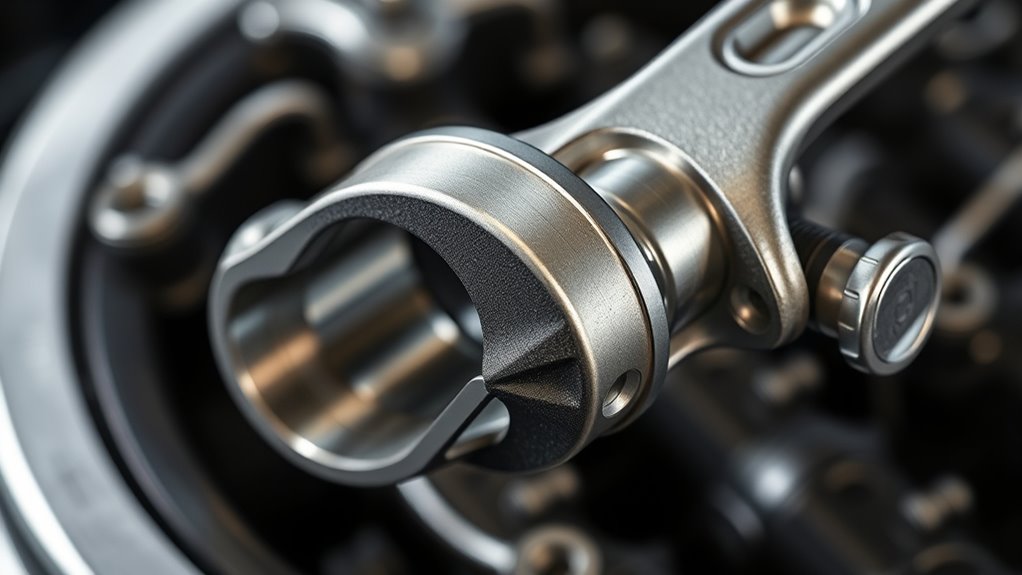
A connecting rod links your engine’s pistons to the crankshaft, transforming up-and-down piston motion into rotational power. Made from materials like steel, aluminum, titanium, or composites, each offers a balance of strength, weight, and cost.
Different types, such as forged or cast, suit various performance needs. Advances in manufacturing and smart technology improve durability and efficiency.
To understand how these innovations boost engine reliability, keep exploring how materials and designs continue evolving.
Key Takeaways
- Connects the piston to the crankshaft, transferring linear motion into rotational energy during engine cycles.
- Made from various materials like steel, aluminum, titanium, and composites, chosen for strength, weight, and cost.
- Types include forged steel, cast aluminum, billet steel, and powder metal, each suited for different performance needs.
- Manufacturing techniques such as casting, forging, and machining help improve durability and precision in design.
- Advancements like lightweight composites and smart sensors boost engine efficiency, performance monitoring, and failure detection.
What Are Connecting Rods and Why Are They Important?
Connecting rods are essential parts inside an engine that connect the pistons to the crankshaft. Understanding these basics helps you see how engines turn fuel into motion.
These rods act as a critical link, taking the force from combustion and passing it to the crankshaft, which then creates rotational power. Their role is vital because they need to handle extreme pressures and high-speed movements without breaking.
Without a properly working connecting rod, your engine wouldn’t run smoothly or efficiently. They are the bridge that transforms the up-and-down piston movement into the spinning motion that powers your wheels or machinery.
The design, material, and strength of the connecting rods directly affect how durable, powerful, and long-lasting an engine is. Whether in a small car or a large industrial machine, their role remains crucial.
Knowing why connecting rods matter helps you appreciate how they fit into the overall engine system and keep everything running smoothly.
How Do Connecting Rods Convert Piston Motion Into Rotation?
When the piston moves up and down inside the cylinder, the connecting rod acts like a bridge, transferring that motion to the crankshaft. It’s kind of like when you push a swing—your push makes it move back and forth.
This process is super important because it turns the up-and-down, linear motion of the piston into a spinning, rotational force. That rotation is what powers the engine and, ultimately, gets your vehicle moving. So, in a nutshell, the connecting rod is the key part that helps change piston motion into the turning motion needed to keep everything running smoothly.
Piston’s Up and Down Motion
The piston moves up and down inside the cylinder as the fuel-air mixture ignites and pushes it downward. This piston motion starts a powerful cycle that drives your engine.
During each stroke, the transfer of motion from piston to connecting rod is key for turning linear movement into rotary motion. Here’s how it works:
- Combustion forces push the piston downward, creating momentum.
- The connecting rod transmits this force, converting piston movement into rotational energy.
- The crankshaft receives this motion, turning the engine’s output.
- The piston then moves upward again, completing the cycle for continuous power.
Understanding piston dynamics helps you see how the engine efficiently transforms combustion into usable energy. The steady up-and-down motion is essential for smooth engine operation and power generation.
Connecting Rod’s Role in Rotation
As the piston reaches the bottom of its stroke, the connecting rod acts as the crucial link that converts the up-and-down motion into rotational energy. It transmits force from the piston to the crankshaft, influencing the engine’s rotational dynamics and ensuring smooth power transfer.
The design of the connecting rod minimizes energy loss, which boosts mechanical efficiency. Its pivoting motion turns linear piston movement into rotational motion with minimal friction.
The table below highlights key aspects:
| Aspect | Significance |
|---|---|
| Force transmission | Converts linear to rotational motion |
| Design efficiency | Reduces energy loss, boosts efficiency |
| Motion transfer | Ensures smooth rotation of the crankshaft |
This process is essential for maintaining peak engine performance and power output.
Power Transfer to Crankshaft
Connecting rods play an essential role in transferring the force generated by the piston into rotational energy for the crankshaft. When the piston moves up and down, the connecting rod directs that linear motion into torque, spinning the crankshaft.
To optimize this process, manufacturers focus on:
- Torque management — making sure the force is converted efficiently without any loss.
- Vibration reduction — reducing engine vibrations for smoother operation.
- Balancing forces — keeping the power transfer even during each cycle.
- Material choice — using durable materials that can withstand high stress and fatigue.
This coordinated effort allows power to flow smoothly into the crankshaft, turning piston motion into rotational energy that powers your vehicle. Proper power transfer is key for engine performance, efficiency, and longevity.
What Materials Are Used in Connecting Rods: And What Are Their Pros and Cons?
Connecting rods are crafted from various materials, each offering distinct advantages and disadvantages.
Aluminum alloys are lightweight, helping reduce overall engine weight and improve performance. However, they may lack the fatigue resistance needed for high-stress applications.
Titanium has an exceptional strength-to-weight ratio and resists corrosion, making it a popular choice for performance engines. But its high manufacturing costs can be a limiting factor.
Carbon fiber is an emerging option that offers significant weight reduction and high fatigue resistance, which boosts performance. But it requires complex stress analysis during design and can be expensive to produce.
Steel remains the most common material because of its durability and cost-effectiveness. The downside is that it’s heavier.
Choosing the right material involves balancing factors like fatigue resistance, weight, cost, and stress management to meet specific engine demands. Understanding these pros and cons can help you select the best option for your engine.
Which Type of Connecting Rod Is Right for Your Engine?
Choosing the right type of connecting rod depends on your engine’s specific performance goals and operating conditions. To optimize performance and reduce weight, consider these options:
- Forged Steel Rods are great for high-performance engines. They offer durability and strength for aggressive power output.
- Cast Aluminum Rods are lightweight and perfect for performance tuning. Reducing weight helps improve acceleration and efficiency.
- Billet Steel Rods are custom-made for extreme applications. They provide maximum strength and reliability under demanding conditions.
- Powder Metal Rods are budget-friendly and offer decent strength and weight savings. They’re suitable for stock or moderate-performance engines.
How Are Connecting Rods Made? Manufacturing Techniques Explained
Manufacturing connecting rods involves a series of precise and robust processes designed to produce components that can handle the stresses of engine operation. You start with casting processes or forging methods to shape the raw material into a rough form.
Casting involves pouring molten metal into molds, while forging compresses heated metal into the desired shape. Both methods offer strength and durability for the final product. Afterward, machining techniques refine the shape, remove excess material, and create precise dimensions for the bearing and bolt holes.
Throughout production, quality control checks each rod to ensure it meets strict standards for strength, weight, and performance. The process looks like this:
| Step | Description |
|---|---|
| Casting Processes | Pouring molten metal into molds to form the rough shape |
| Forging Methods | Shaping heated metal through compression for strength |
| Machining Techniques | Precise cutting and drilling for final dimensions |
This combination of methods guarantees a durable, reliable connecting rod ready for engine assembly.
What Are the Latest Innovations in Connecting Rod Design and Materials?
You might have noticed that new materials like advanced composites are really changing the game when it comes to connecting rods. They’re becoming lighter and stronger, which helps improve engine performance overall.
Plus, with additive manufacturing, or 3D printing, engineers can quickly customize designs to fit specific needs. It’s a huge step forward in making manufacturing more efficient and flexible.
And don’t forget about smart sensors! These tiny tech gadgets allow for real-time monitoring of how the connecting rods are performing, so any issues can be caught early. All these innovations are really transforming how connecting rods are designed, built, and maintained, leading to better engine efficiency and durability.
Advanced Composite Materials
Recent advancements in composite materials have transformed connecting rod design by offering lighter, stronger alternatives to traditional metal alloys. These composites bring big benefits, especially in reducing weight, which boosts engine efficiency and performance.
Here are some key innovations:
- Carbon Fiber Reinforcements: These provide high strength-to-weight ratios, helping to cut down overall mass.
- Hybrid Composites: Combining metals and composites boosts durability while keeping weight low.
- Nano-Enhanced Materials: Adding nanomaterials increases fatigue resistance and overall strength.
- Tailored Fiber Orientation: Custom fiber layouts help optimize strength in specific stress directions.
Additive Manufacturing Techniques
Advancements in additive manufacturing have transformed how connecting rods are designed and produced, enabling the creation of complex geometries that were previously impossible with traditional methods. Using additive processes, manufacturers can now build parts layer by layer, offering unmatched design flexibility.
This allows for optimized internal structures, weight reduction, and tailored material distribution, boosting performance and durability. You can experiment with intricate lattice patterns and hollow sections that strengthen without adding weight.
Additive manufacturing also shortens production cycles and reduces material waste, making it cost-effective and sustainable. As a result, innovative connecting rod designs are emerging, pushing the boundaries of engine efficiency and reliability.
These advancements give you the tools to develop highly specialized components suited to modern high-performance applications.
Smart Sensor Integration
Innovations in smart sensor integration are changing how connecting rods perform and communicate within engines. You now have access to advanced sensors like strain gauges, accelerometers, temperature sensors, and pressure sensors that provide real-time data on rod performance.
The benefits of integrating these sensors include better engine diagnostics, predictive maintenance, and optimized performance. Here’s how smart sensors are making a difference:
- Continuous monitoring of stress and fatigue levels
- Early detection of potential failures
- Real-time data transmission to engine control units
- Improved material selection based on sensor feedback
These innovations allow you to fine-tune engine operation, extend component lifespan, and boost efficiency. They’re making connecting rods smarter, safer, and more reliable than ever.
How Do Material Choices Affect Connecting Rod Performance and Durability?
The choice of material plays an essential role in determining a connecting rod’s performance and durability. Material selection influences how well the rod withstands stress and fatigue, directly impacting its longevity.
Performance depends on properties like strength, stiffness, and thermal resistance. These help prevent deformation under high temperatures and pressures, keeping the engine running smoothly.
Durability factors such as corrosion resistance and fatigue limits ensure the rod can endure harsh engine conditions without failing. Weight is also important; lighter materials like aluminum reduce reciprocating mass, which improves engine efficiency.
Stress analysis helps identify weak points, guiding the selection of materials to optimize the strength-to-weight ratio. Thermal resistance guarantees the rod stays intact under extreme heat, while corrosion resistance extends its service life in aggressive environments.
How to Recognize Signs of Connecting Rod Failure and When to Replace?
Ever wonder how to tell if your engine’s connecting rod is about to fail? Recognizing connecting rod symptoms early can save you from costly repairs. Here are some key warning signs:
- Unusual engine knocking or banging sounds. These noises often indicate a loose or damaged connecting rod.
- Loss of power or rough idling. When the connecting rod is compromised, engine performance drops.
- Excessive engine vibration. Vibration feels more intense than usual, signaling potential failure.
- Oil consumption and metal debris. Metal shavings in oil or increased oil use point to worn or broken connecting rods.
If you notice any of these signs, it’s time to get your engine checked out. Ignoring these symptoms can lead to catastrophic engine failure. Prompt diagnosis and repair will help keep your engine healthy and reliable. Always talk to a mechanic if you suspect connecting rod problems.
Comparing Traditional and Modern Connecting Rod Technologies
In regard to ensuring your engine runs smoothly, understanding the differences between traditional and modern connecting rod technologies can make a significant impact. The connecting rod evolution reflects advancements aimed at improving performance and durability.
Traditional connecting rods, often made from steel or cast iron, prioritize durability and cost-effectiveness but are heavier and less optimized for high-performance engines. Modern designs incorporate materials like titanium, aluminum, or forged composites, which offer significant weight reduction and increased strength.
These advancements allow for better performance optimization, enabling engines to operate at higher RPMs and with greater efficiency. Modern connecting rods also feature improved manufacturing processes, such as precision forging and lightweight alloys, leading to better reliability and longevity.
While traditional rods served well for standard applications, modern technologies push the limits of performance, making them essential for high-performance and racing engines. Understanding this evolution helps you appreciate how innovations boost engine power and reliability.
Future Trends in Connecting Rod Development and Engine Efficiency
Looking ahead, the development of connecting rods is really heading towards lighter materials and smarter manufacturing techniques. The goal is to make these parts lighter without losing any of their strength, which can really help boost the overall efficiency of engines.
As these innovations come into play, we’ll likely see noticeable changes in how engines are designed and how long they last. All in all, these advancements are set to make engines more powerful, more fuel-efficient, and more durable in the long run.
Lightweight Materials Innovation
As automotive engineers work to boost engine performance and fuel efficiency, they’re turning more and more to lightweight materials for connecting rods. These innovations include:
- Using lightweight alloys like aluminum and titanium to cut down weight without losing strength.
- Exploring carbon fiber, which offers high strength-to-weight ratios, making rods lighter and more durable.
- Developing composites that combine metals with carbon fibers for top-notch performance.
- Implementing advanced manufacturing techniques to optimize material placement and reduce overall mass.
These materials help lower reciprocating mass, which reduces stress on engine parts and makes the engine more responsive. Carbon fiber, in particular, is notable for its exceptional strength and weight savings. Embracing these lightweight innovations leads to more efficient, high-performance engines with better fuel economy and longer durability.
Enhanced Manufacturing Techniques
Advancements in manufacturing techniques are driving major improvements in connecting rod performance and engine efficiency. Modern methods focus on increasing precision to ensure each component meets strict tolerances for optimal operation.
Precision manufacturing reduces material waste and boosts the durability of connecting rods. This allows engines to run smoother and last longer.
Innovations like automated machining and additive manufacturing help cut costs by streamlining production and lowering labor expenses. These techniques also make it possible to create complex shapes and lightweight designs that were once difficult or costly to produce.
As a result, manufacturers can produce higher-quality connecting rods faster and more affordably, supporting the development of more powerful, efficient, and reliable engines in the future.
Frequently Asked Questions
How Do Connecting Rods Impact Overall Engine Efficiency?
Connecting rods directly impact your engine’s efficiency by translating the combustion process into motion. Their mechanics influence how well power is transferred and how smoothly the engine runs.
Material choice and design affect durability and weight, which are efficiency factors. Lighter, stronger connecting rods reduce energy loss and improve performance.
This helps your engine run more efficiently, with less wear and better fuel economy over time.
What Maintenance Is Required for Connecting Rods Over Time?
You should regularly check your connecting rods to make sure they’re in good shape. This means looking for signs of wear or damage and making sure they’re properly lubricated to reduce friction.
Over time, inspecting your connecting rods becomes even more important, especially if you hear knocking sounds or notice your engine isn’t running as well. Catching these issues early can help you avoid costly repairs.
Taking care of your connecting rods helps keep your engine running smoothly and efficiently for longer.
Can Aftermarket Connecting Rods Improve Engine Performance?
Yes, aftermarket connecting rods can improve your engine’s performance. They often offer benefits like increased strength, reduced weight, and better durability, which help with upgrades.
Replacing stock rods with high-quality aftermarket options lets your engine handle higher power outputs and run more efficiently. This upgrade supports more aggressive tuning and makes your vehicle more responsive.
How Do Environmental Conditions Affect Connecting Rod Longevity?
A stitch in time saves nine, and environmental conditions can quickly wear out your connecting rods. You’ll want to consider corrosion resistance, especially if you’re dealing with humid or salty environments.
Think about how thermal expansion affects metal integrity during temperature changes. High heat and moisture can speed up fatigue, which shortens the lifespan of your components.
Protecting your parts with the right materials and regular maintenance helps them handle these conditions better. That way, your engine runs smoothly and lasts longer.
Are There Specific Connecting Rod Designs for Different Engine Types?
Yes, there are specific connecting rod designs made for different engine types.
You’ll notice that high-performance engines often use rods with enhanced geometry for strength and durability, while lightweight materials help keep the engine efficient.
For example, racing engines use rods with specialized geometry and lightweight alloys to handle increased stress.
On the other hand, standard engines favor designs that focus on longevity and cost-effectiveness.
Tailoring the design ensures each engine performs at its best.
Conclusion
Understanding connecting rods is key to appreciating engine performance. Did you know that advances in materials and manufacturing have increased rod durability by over 50% in recent years?
Staying aware of signs of failure can save you costly repairs and keep your engine running smoothly. By choosing the right type and material, you can optimize performance and longevity.
Adopting these innovations in connecting rod technology can improve your engine’s efficiency and reliability for miles to come.