How Many Miles to Change Spark Plugs? Mileage Guide & Tips
Feeling unsure about when to change your spark plugs? You’re not alone—many car owners find it tricky to keep track of the right timing for maintenance. Properly maintaining your spark plugs is key to keeping your engine running smoothly and efficiently.
For most vehicles, you should replace spark plugs every 30,000 to 50,000 miles, but modern iridium or platinum plugs can last up to 100,000 miles. Factors like driving habits, engine type, and fuel quality can influence this timeline.
Signs of wear, such as rough idling or decreased fuel efficiency, also signal it’s time for a change.
Keep these tips in mind and uncover how to extend spark plug life for peak engine performance.
Key Takeaways
- Most modern spark plugs last between 60,000 to 100,000 miles, but check your vehicle’s manual for specific recommendations.
- Copper plugs usually need replacing every 20,000 to 30,000 miles because they don’t last as long.
- If your engine is idling roughly, misfiring, or your fuel efficiency drops, it might be time for new spark plugs.
- How you drive matters—aggressive driving or lots of idling can shorten their lifespan.
- Regular inspections and maintenance help you replace them at the right time, keeping your engine running smoothly and saving fuel.
How Many Miles Should You Drive Before Replacing Spark Plugs?
How many miles you can drive before replacing spark plugs depends on several factors. Generally, most manufacturers recommend changing them every 30,000 to 50,000 miles.
Your spark plug lifespan varies based on driving habits, engine type, and fuel quality. If you often drive short distances or in stop-and-go traffic, your spark plugs may wear out faster, so you might need to replace them sooner.
Driving short distances or in stop-and-go traffic can shorten your spark plug’s lifespan.
On the other hand, regular highway driving can help extend their lifespan. Monitoring your engine’s performance is key—signs like misfires, rough idling, or decreased fuel efficiency suggest your spark plugs may need attention.
Following the recommended replacement schedule helps keep your engine running smoothly and efficiently. Keep in mind that some modern spark plugs are designed to last longer, up to 100,000 miles.
Still, it’s a good idea to stick to your vehicle’s specific recommendations. Regular inspections can help you stay ahead of issues caused by worn spark plugs.
Why Spark Plugs Are Key to Your Car’s Performance and Fuel Efficiency
Spark plugs are crucial for your vehicle’s overall performance and fuel efficiency. They spark the air-fuel mixture in your engine, which directly affects how smoothly it runs.
When your spark plugs work properly, they ensure the right ignition timing, helping your engine perform at its best. But if they get dirty or worn out, misfires can happen, which lowers fuel economy and power.
This can also lead to higher emissions and less overall performance. Keeping your spark plugs in good shape is key to a better drive and saving money on fuel.
Here’s a quick look at how spark plugs impact your drive:
| Aspect | Effect |
|---|---|
| Engine efficiency | Better combustion, more power |
| Ignition timing | Precise sparks for smooth running |
| Fuel consumption | Lower with well-maintained plugs |
| Emissions | Reduced when plugs are in good shape |
Regularly maintaining your spark plugs helps keep your engine running efficiently, saving you money and making your drive more enjoyable.
What Are the Typical Mileage Intervals for Different Spark Plugs?
Ever wonder when to replace your spark plugs? The answer depends on the spark plug types your vehicle uses and its maintenance schedule.
Copper spark plugs usually need replacing every 20,000 to 30,000 miles because they wear out faster. Iridium and platinum plugs last longer, often between 60,000 and 100,000 miles, thanks to their durable electrode materials.
Some high-performance or specialty spark plugs may have different recommended intervals, so always check your vehicle’s manual. Following these mileage guidelines helps guarantee peak engine performance, fuel efficiency, and smooth operation.
Keep in mind that sticking to the proper maintenance schedules for your spark plug types prevents misfires, reduces emissions, and extends your engine’s lifespan. Regularly inspecting your spark plugs and replacing them at the right intervals is a simple step that pays off in vehicle health and reliability.
Signs Your Spark Plugs Need Replacing
Knowing the signs that your spark plugs need replacing can save you from unexpected breakdowns and costly repairs. As your spark plug lifespan nears its limit, it’s important to recognize early warning signs. These indicators can help you schedule timely replacement and keep your engine running smoothly.
Recognizing early spark plug signs helps prevent breakdowns and costly engine repairs.
Watch out for:
- Difficulty starting your engine or longer cranking times
- Rough idling or uneven acceleration
- Decreased fuel efficiency and higher gas bills
- Engine misfires or hesitation during acceleration
- Visible wear or deposits on the spark plugs
These signs often show up before complete failure, making them key cues for maintenance. Ignoring them can lead to engine damage or more costly repairs. Regularly inspecting your spark plugs and paying attention to these early warnings will help keep your engine performing at its best and extend their lifespan.
How Your Driving Habits Affect Spark Plug Wear
Your driving habits really play a big role in how fast your spark plugs wear out. If you tend to accelerate aggressively or slam on the brakes often, it puts a lot of extra stress on the spark plugs, which can cause them to wear out sooner.
On the other hand, if you’re sitting in traffic or idling for long stretches, deposits can start to build up on the plugs, which also shortens their lifespan. So, being mindful of your driving style can help you get more mileage out of your spark plugs and keep your engine running smoothly.
Aggressive Driving Accelerates Wear
Aggressive driving habits, like rapid acceleration and hard braking, put extra stress on your spark plugs and cause them to wear out faster. These harsh driving styles increase engine strain, heat, and lead to uneven wear, which shortens spark plug life.
When you drive aggressively, your spark plugs face more frequent firing and temperature changes. This can cause misfires, lower engine performance, and mean you’ll need replacements more often.
To picture it, think of sudden acceleration creating excessive heat, or hard braking stressing ignition parts. Rapid throttle response and stop-and-go driving also speed up wear, as does high revving during aggressive driving.
Driving smoothly can help your spark plugs last longer and keep your engine running well. The way you drive directly impacts their lifespan, so gentle driving really pays off.
Idle Time Impacts Durability
Long periods of idling can really shorten the lifespan of your spark plugs because the engine stays hot without the cooling effect of driving. This extra heat causes the spark plug electrodes to wear out faster, which means they don’t last as long.
Idle time can lead to carbon buildup and electrode degradation, both of which hurt spark efficiency. When you let your engine idle often, you’re putting unnecessary stress on your spark plugs, leading to earlier replacements.
To keep your spark plugs in good shape, try to avoid excessive idling, especially in traffic or at stoplights. If you’re going to be stopped for more than a minute, it’s better to turn off your engine.
Good driving habits help reduce idle time effects, so your spark plugs last longer and perform reliably over time.
How to Check if Your Spark Plugs Need Replacing
Want to know if your spark plugs are due for a change? Well, the first thing you can do is give them a good visual inspection. Just pull them out and look for any signs of wear or damage—things like excessive carbon buildup, worn-out electrodes, or even cracks in the insulator. Those are pretty clear hints that it might be time for a replacement.
And while you’re checking, keep an eye and ear out for how your engine is running. If it’s idling rough, misfiring, or being a bit stubborn when you try to start it, those could be signs that your spark plugs are not doing their job as they should. So, a quick visual check combined with paying attention to engine performance can really help you figure out if it’s time for new spark plugs.
Visual Inspection Techniques
Inspecting your spark plugs visually is a simple way to see if they need replacing. By looking at their condition, you can catch signs of wear or damage early.
Check for black, oily deposits which mean oil fouling, or white, chalky deposits that suggest fuel additives or deposits. Reddish-brown discoloration points to carbon buildup.
Worn or rounded electrodes can reduce spark efficiency, so keep an eye out for those. Also, look for cracks or chips on the ceramic insulator, which indicate damage.
These visual clues help you determine if your spark plugs are working properly or need replacing. A clean, intact plug with a light tan color usually means it’s in good shape.
Regularly inspecting your spark plugs helps maintain engine performance and prevents misfires caused by worn or damaged plugs.
Checking Engine Performance
When your engine starts running rough, hesitates during acceleration, or stalls unexpectedly, it’s a sign that your spark plugs might be worn out or failing. Checking engine performance involves paying attention to how your vehicle responds during typical driving and considering recent engine tuning or performance upgrades.
If you notice decreased power, rough idling, or misfires, it’s time to inspect your spark plugs. You can also perform a simple test by removing a plug and examining its condition. Look for fouling, deposits, or signs of wear.
Regularly monitoring your engine’s performance helps identify when spark plugs need replacing. This ensures peak efficiency and prevents further engine issues. Staying proactive keeps your engine running smoothly and extends your vehicle’s lifespan.
Identifying Wear Signs
If your engine performance has started to decline, it’s a good idea to check your spark plugs for signs of wear. Spark plug diagnostics help identify if they need replacing. Look for wear indicators that suggest trouble, such as:
- Carbon buildup or soot on the electrode
- Excessive erosion or rounded tips
- Oil deposits on the insulator
- Cracks or chips in the ceramic insulator
- Wetness or corrosion around the terminal
These signs indicate that your spark plugs are no longer firing efficiently and should be replaced soon. Regular inspections can prevent misfires and improve fuel economy. Recognizing wear indicators early helps you maintain peak engine performance and avoid costly repairs later. Always consult your vehicle’s manual for specific mileage recommendations.
Tips to Extend the Life of Your Spark Plugs
To get the most life out of your spark plugs, regular maintenance is key. Follow your vehicle’s schedule to keep them clean and properly gapped.
Using the right spark plug for your engine helps prevent unnecessary wear. Good driving habits, like avoiding aggressive acceleration and excessive idling, also protect your plugs from premature wear.
Keeping your engine in good shape—by changing the oil and replacing the air filter regularly—helps ensure proper combustion and reduces stress on your spark plugs.
Make sure your ignition system is working correctly. Faulty ignition parts can cause misfires and damage your plugs.
Check and tighten spark plug wires or coils often to prevent voltage leaks. Staying on top of these tips will save you money and keep your engine running smoothly longer.
With proper maintenance and good driving habits, you can really extend the life of your spark plugs.
Choosing the Right Spark Plug Replacement for Your Car
Choosing the right spark plug replacement is key to keeping your engine running smoothly and efficiently. The trick is understanding the different types and what benefits they bring.
Selecting the right spark plug ensures your engine runs smoothly and efficiently.
You have options like copper, platinum, iridium, and double platinum, each with their own perks. Copper plugs are budget-friendly and heat up fast but tend to wear out quicker. Platinum and iridium plugs last longer and help your engine run more smoothly.
Double platinum plugs work well for modern engines with multiple coils. When choosing, think about your car manufacturer’s recommendations, your driving style, and the climate you drive in. Picking the right spark plugs ensures maximum combustion, better fuel economy, and easy starts.
Here’s what to keep in mind:
- Make sure they fit your car model
- Look for durability and wear resistance
- Choose a heat range that suits your engine
- Consider performance benefits like smoother acceleration
- Think about cost and brand reputation
Getting the right spark plug type helps your engine stay efficient and perform at its best over time.
How to Replace Spark Plugs at Home: A Step-by-Step Guide
Replacing spark plugs at home is pretty simple and can save you both time and money, especially if you’re comfortable with basic car maintenance.
First, figure out what type of spark plugs your vehicle needs. Check your owner’s manual to find the right ones and see how often they should be replaced.
Before you start, disconnect the negative battery cable for safety. If your engine has a cover, remove it now.
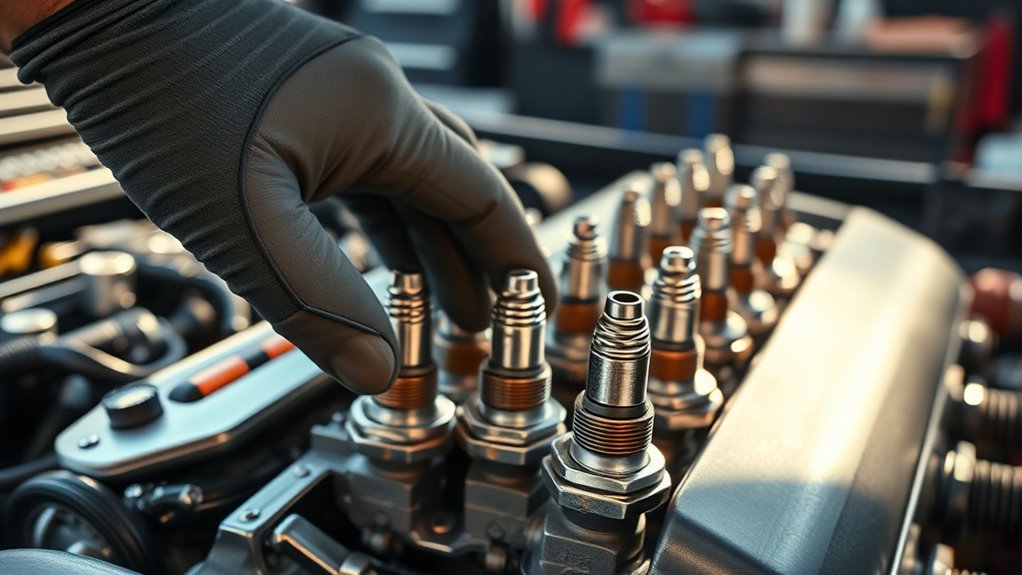
Carefully disconnect the spark plug wires or coil packs. Use a spark plug socket and ratchet to unscrew each plug, being careful not to damage the threads.
Check the gap on your new plugs before installing them. Thread the new spark plugs in by hand to avoid cross-threading, then tighten them with a socket.
Reconnect the wires or coil packs, put the engine cover back, and reconnect the battery.
Regularly replacing your spark plugs according to your car’s schedule helps keep your engine running smoothly and efficiently.
Common Mistakes to Avoid When Changing Spark Plugs
When you’re changing spark plugs, one mistake people often make is forgetting to use the right tools. That can actually cause damage or make the whole job way more difficult than it needs to be. It’s also super important to pay attention to the manufacturer’s specifications. Ignoring those details can lead to improper installation, which might cause engine problems down the line. And honestly, rushing through the process is a big no-no. Taking your time helps prevent mistakes and can even help your new spark plugs last longer.
Overlooking Proper Tools
Using the correct tools is essential for a smooth spark plug change, yet many overlook this step, leading to potential damage or injury. Poor tool selection can cause stripped threads or broken parts, making repairs more costly.
Before you start, check your vehicle’s maintenance checklist to gather everything you need. Common tools include a spark plug socket, ratchet, extension bar, torque wrench, and anti-seize compound.
Imagine a messy workspace with misplaced tools, stripped plugs, or damaged wires—these are signs of neglecting proper tools. Always double-check your tools before beginning, making sure everything is in good condition.
Skipping this step risks damaging your engine or compromising safety. Proper tools save time, prevent mistakes, and ensure your spark plug change is both effective and safe.
Ignoring Manufacturer Specs
Failing to follow the manufacturer’s specifications can lead to improper installation and potential engine damage. Ignoring these guidelines spreads spark plug myths and performance misconceptions, causing you to overlook details like gap size and torque.
Many believe that using generic parts or adjusting the gap yourself improves performance, but this often results in misfires or reduced efficiency. Manufacturer specs are tailored for your specific engine, helping it run at its best and last longer.
Disregarding these recommendations can void warranties and lead to costly repairs. Always check your vehicle’s manual or ask your parts supplier for the right spark plug type, gap, and torque settings.
Trusting manufacturer instructions helps you avoid mistakes and keeps your engine running smoothly and reliably.
Rushing the Process
Rushing through the spark plug replacement is a common mistake that can lead to serious issues, like damaging the threads or installing the plug improperly. When you hurry, you might forget to check the spark plug’s lifespan or skip following the maintenance schedule.
This can cause misfires, reduced fuel efficiency, and engine problems down the line. To avoid these pitfalls, make sure you don’t skip proper cleaning and inspection. It’s also important to tighten the plugs to the right torque.
Don’t overlook the importance of anti-seize compound or rushing the removal process, which can risk damage. Remember to replace worn or damaged spark plugs instead of reusing them.
Taking your time ensures each spark plug is installed correctly, which prolongs their lifespan and keeps your engine running smoothly. Patience during this process helps you avoid costly repairs and maintain peak performance.
Frequently Asked Questions
Can Using Premium Spark Plugs Extend Their Mileage Interval?
Using premium spark plugs can slightly extend their longevity, especially if your engine benefits from higher-quality components. While they don’t directly improve spark plug lifespan, they may perform better with premium fuel, which can help reduce deposits and wear.
However, don’t expect a huge increase in the mileage interval. Regular maintenance and sticking to the recommended replacement times are still your best bet for ensuring peak spark plug performance and longevity.
How Do Climate Conditions Impact Spark Plug Lifespan?
Imagine your engine battling against freezing cold or scorching heat. That’s where climate impacts spark plug lifespan. Extreme temperatures cause engine temperature fluctuations, which can wear down spark plug materials faster.
Hot climates speed up corrosion, while cold weather thickens oil, adding extra strain. These factors can shorten your spark plugs’ life, so you might need to change them sooner.
Keep an eye on how your engine performs and think about the climate when planning your maintenance.
Are There Specific Spark Plug Types for High-Performance Vehicles?
Yes, high-performance vehicles often need specialized spark plugs designed for tuning. You’ll want to look for plugs made from premium materials like iridium or platinum.
These materials offer better durability and conductivity under high stress, which helps improve ignition efficiency and fuel economy. They’re especially beneficial during aggressive driving.
Upgrading to these types of spark plugs ensures your engine runs smoothly and helps maximize horsepower. They’re a great choice for high-performance applications.
How Often Should You Check Spark Plug Gap During Maintenance?
You should check spark plug gap during maintenance every 30,000 miles or if your engine runs rough. Imagine a tiny gap, like a crack in a mirror, affecting your car’s performance.
Regular spark plug maintenance and gap measurement keep your engine firing smoothly. Use a feeler gauge to ensure the gap stays within specifications, preventing misfires and boosting efficiency.
Staying proactive saves you money and keeps your drive seamless.
What Are the Environmental Effects of Failing Spark Plugs?
Failing spark plugs can harm the environment by increasing emissions due to incomplete combustion. You might notice worse engine performance and reduced fuel efficiency, which causes more pollutants to be released.
Spark plug failure leads to inefficient fuel burning, releasing harmful gases. To minimize environmental impact, replace your spark plugs on time, ensuring your engine runs smoothly and cleanly.
This helps reduce emissions and supports protecting the environment. Taking care of your spark plugs isn’t just good for your car—it’s better for the planet too.
Conclusion
So, there you have it—your trusty guide to spark plug longevity. Follow the mileage tips, watch for signs, and don’t ignore the warning lights.
Neglecting your spark plugs is like ignoring a ticking time bomb, except this one’s more likely to leave you stranded than cause an apocalypse. Keep those plugs happy, your engine humming, and your wallet intact.
Because nothing screams “smart driver” like knowing when to change them before disaster strikes. Staying on top of spark plug maintenance can save you time, money, and a lot of headaches down the road.