What Happens If Spark Plugs Are Bad? Signs & Consequences
Many drivers struggle with engine performance issues that seem to pop up out of nowhere. If you’re noticing your car isn’t running smoothly, bad spark plugs could be the culprit. You’re not alone—these tiny components play a huge role, and ignoring them can lead to bigger problems down the road.
If your spark plugs are bad, you’ll notice misfires, rough idling, and difficulty starting your engine. They can cause poor acceleration, decreased fuel efficiency, and higher emissions. Ignoring these signs may lead to engine stalling, costly repairs, or even engine damage over time.
Regular maintenance can prevent these issues, but if you keep driving with faulty plugs, your car’s performance drops further.
Stay tuned to learn more about how to spot and fix these problems early.
Key Takeaways
Bad spark plugs can cause your engine to misfire, run roughly, or even have trouble starting. It’s a clear sign that something’s not right under the hood.
Worn-out plugs also kill your fuel efficiency and boost emissions because the combustion process isn’t happening properly. That means more trips to the pump and higher pollution.
If you ignore these issues, your engine might hesitate or even stall unexpectedly, leaving you stranded. It’s best to address the problem before it gets worse.
Not replacing faulty spark plugs can damage other parts like ignition coils and engine components. That can lead to costly repairs down the line.
Staying on top of regular maintenance helps prevent these problems. It keeps your engine running smoothly and saves you money in the long run.
What Do Spark Plugs Do in Your Engine?
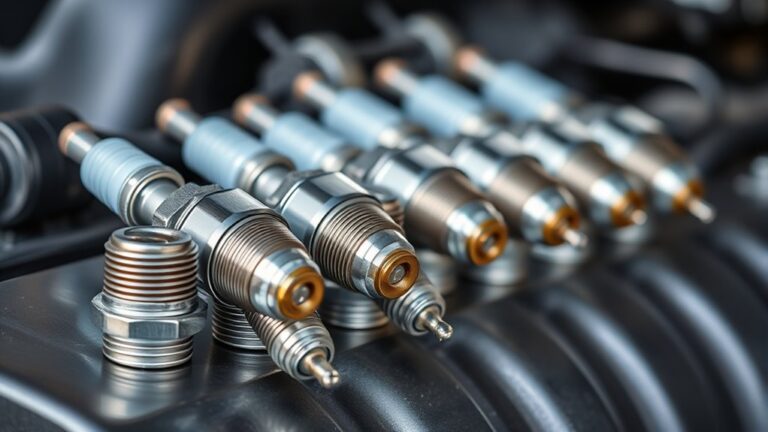
Spark plugs are crucial components that ignite the air-fuel mixture in your engine’s cylinders. They create a spark that triggers combustion, powering your vehicle.
Different spark plug types, such as copper, platinum, and iridium, are designed to enhance engine performance in various ways. Copper spark plugs deliver quick ignition and are cost-effective, but they wear out faster.
Platinum and iridium options last longer and provide more consistent sparks, improving fuel efficiency and smoothness. Your spark plugs must fire at the right moment for peak engine performance, affecting acceleration, fuel economy, and emissions.
When they function properly, they guarantee a smooth start and efficient combustion. Conversely, faulty spark plugs can cause misfires, rough idling, and poor acceleration.
Understanding the role of different spark plug types helps you choose the right one for your engine. This keeps your engine running at its best and prevents potential damage.
Proper spark plug function is crucial for your engine’s health and efficiency.
How Can You Tell If Your Spark Plugs Are Worn Out?
If your engine keeps misfiring or has a hard time turning over, it could be a sign that your spark plugs are worn out. Sometimes, you might even notice the engine runs rough or stalls unexpectedly.
Another thing you might see is your fuel gauge dropping quicker than usual. That’s because worn spark plugs can cause inefficient combustion, leading to higher fuel consumption.
Engine Misfires Occur Frequently
When your engine starts misfiring frequently, it’s often a sign that your spark plugs are worn out. Worn spark plugs can cause irregular sparks, disrupting engine performance and leading to rough idling or hesitation.
You might notice the engine sputtering or losing power during acceleration. This misfiring also affects ignition timing, making it inconsistent and reducing fuel efficiency.
As the spark plugs deteriorate, they struggle to ignite the fuel-air mixture properly, causing incomplete combustion. If you experience frequent misfires, it’s a clear indicator that your spark plugs may need replacing.
Ignition timing issues caused by worn plugs can also lead to engine knocking or pinging. Addressing these signs promptly helps restore peak engine performance and prevents further damage.
Difficulty Starting Vehicle
Difficulty starting your vehicle is often one of the earliest signs that your spark plugs are worn out. When spark plugs aren’t firing properly, you might notice starting problems that delay or prevent your engine from turning over smoothly. These issues can be pretty frustrating and could get worse over time, affecting your engine’s overall performance.
You might experience longer cranking times before the engine finally starts, or the engine struggling to catch and then stalling shortly after starting. Sometimes, you’ll need to make repeated attempts to get your vehicle running.
Worn spark plugs can cause inconsistent sparks, making it harder for your engine to ignite fuel efficiently. If you notice these signs, it’s a good idea to check your spark plugs to avoid more starting problems and keep your engine running smoothly.
Increased Fuel Consumption
Worn spark plugs can cause your vehicle to burn more gas than it should. When they don’t fire properly, your engine has a tough time igniting the fuel-air mixture efficiently.
This leads to incomplete combustion, which makes your engine work harder to produce the same power. You might notice your fuel gauge dropping faster or needing more frequent refills.
Bad spark plugs can also make your engine feel sluggish or rough during acceleration. If your fuel costs suddenly go up, it’s a good idea to check your spark plugs.
Replacing worn spark plugs can bring back good fuel efficiency and make your engine run smoothly again. It’s a simple fix that can save you money and keep your vehicle reliable.
Why Do Spark Plugs Fail? Common Causes Explained
Spark plugs can fail for a variety of reasons, often because of conditions that cause them to wear out quickly or get damaged. Over time, heat, corrosion, and poor maintenance speed up their deterioration. The materials used, like nickel, platinum, or iridium, also play a role; cheaper options tend to wear out faster.
Common causes of failure include:
- Carbon fouling: Build-up of carbon deposits from rich fuel mixtures or oil leaks can insulate the spark, preventing proper ignition.
- Overheating: Too much engine heat can cause the spark plug to warp or crack, especially if you skip regular maintenance.
- Corrosion and deposits: Moisture and contaminants can corrode the electrodes or create deposits that hurt performance.
Regular inspection and good maintenance can help extend the life of your spark plugs. Knowing these causes can help you prevent early failures and keep your engine running smoothly.
How Worn Spark Plugs Lead to Engine Misfires
Worn spark plugs can really throw off the ignition spark, and that’s often why your engine starts misfiring. When those plugs get old or worn out, the spark they produce becomes weaker or more inconsistent. And when that happens, it’s harder for the engine to burn fuel properly.
This poor combustion can make your car run rough or jerk around, especially at idle or low speeds. You might notice it hesitating or even stalling unexpectedly. Basically, when your spark plugs aren’t firing right, your engine’s performance just isn’t as smooth as it should be.
Ignition Spark Disruption
When spark plugs become less effective, they struggle to produce a strong, consistent spark needed to ignite the fuel-air mixture in your engine. This disruption can cause engine misfires, rough idling, and poor acceleration.
Worn spark plugs, whether of different types or affected by improper ignition timing, can’t provide reliable sparks. As a result, your engine may run unevenly or stall unexpectedly.
You might notice hesitation during acceleration or a noticeable drop in fuel efficiency. These signs indicate your ignition spark isn’t firing correctly.
- Engine misfires under load or during acceleration
- Rough idling or stalling
- Reduced fuel economy and power
Combustion Efficiency Loss
As spark plugs wear out, their ability to ignite the fuel-air mixture efficiently gets worse, causing a big drop in combustion quality. This leads to incomplete combustion, which lowers engine performance and makes the engine use more fuel.
When the combustion temperature isn’t just right, your engine has a hard time running smoothly. You might notice misfires and rough idling because of it. Worn spark plugs often produce weak sparks that can’t properly ignite the mixture, leading to engine misfires.
The table below shows common effects of losing combustion efficiency:
| Symptom | Cause |
|---|---|
| Engine misfires | Worn spark plugs |
| Reduced fuel economy | Poor combustion process |
| Loss of power and acceleration | Inadequate ignition spark |
Keeping your spark plugs in good condition is key to maintaining the right combustion temperature and ensuring your engine runs smoothly.
How Faulty Spark Plugs Reduce Fuel Efficiency
Faulty spark plugs can really cut down your vehicle’s fuel efficiency because they don’t ignite the air-fuel mixture properly. When you neglect spark plug maintenance, incomplete combustion happens, wasting fuel and lowering your miles per gallon.
Poor spark plug performance forces your engine to work harder, using more fuel to make up for inefficient combustion. That means you’ll spend more at the pump and might even damage your engine over time.
To avoid this, watch out for signs of spark plug trouble and replace them when needed. Regular spark plug maintenance is essential for getting the best fuel efficiency.
If your engine misfires or runs rough, it’s a sign your spark plugs might be bad, wasting fuel in the process.
You might also notice decreased acceleration or sluggish response from your car.
And if your fuel gauge drops faster than usual, it’s probably a sign that your engine isn’t running efficiently.
What Are the Effects of Ignoring Spark Plug Problems?
Ignoring spark plug problems can cause serious engine issues that end up costing you time and money. When spark plugs wear out or fail, your engine’s performance drops, leading to rough idling, misfires, and trouble accelerating.
Over time, neglecting these issues makes the spark plugs wear out faster, meaning you’ll need to replace them more often and risk damaging other engine parts. Poor spark plug condition also results in incomplete combustion, which lowers fuel efficiency and increases emissions.
If problems keep piling up, your engine might have a hard time starting or could stall unexpectedly, creating safety concerns. The longer you ignore spark plug issues, the more likely you are to face expensive repairs like replacing ignition coils or even engine damage from misfires and overheating.
Regular maintenance and timely spark plug replacements help keep your engine running smoothly, save you money, and stop small problems from becoming major repairs.
How to Check If Your Spark Plugs Need Replacing
Wondering if your spark plugs need replacing? The easiest way to check is with some simple maintenance.
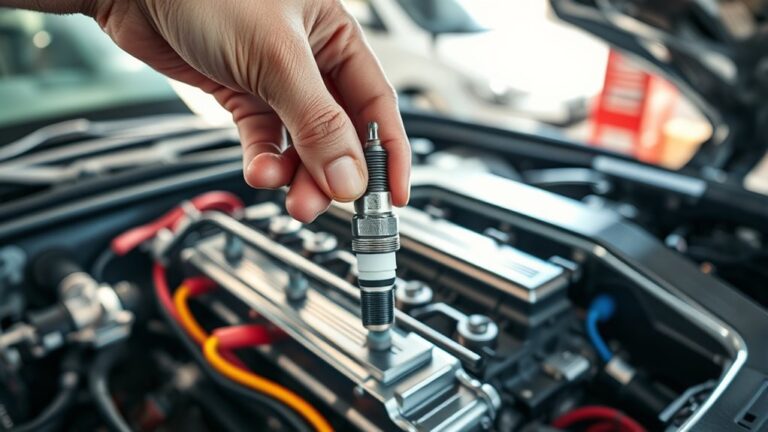
Start by removing a spark plug, but be sure to use the right tools for your specific type. Look at the electrode and insulator for any signs of wear or damage.
Here are some clues to watch for:
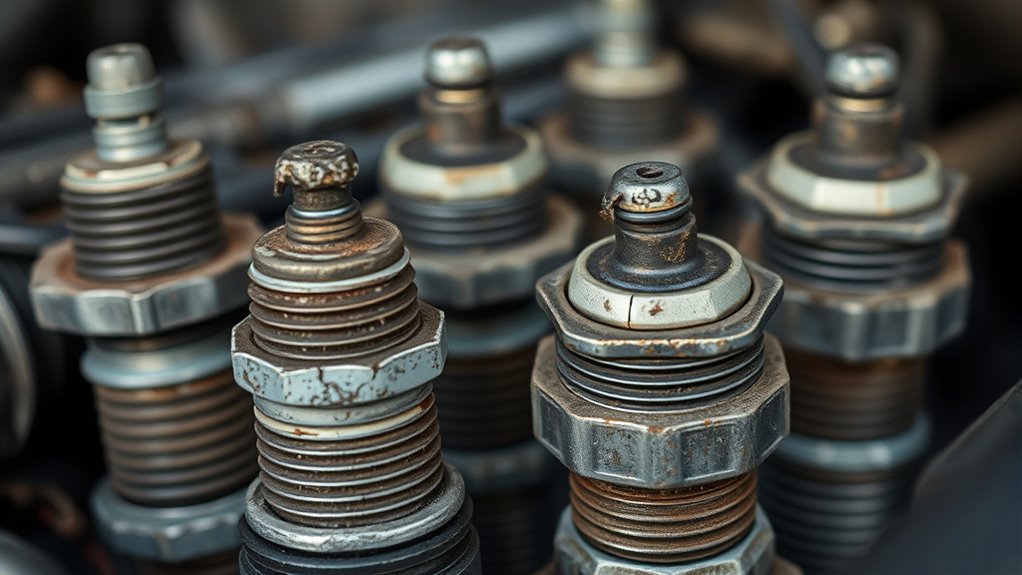
- Corrosion or carbon buildup suggests they’re overdue for a change.
- Worn or eroded electrodes, like reduced gaps or rounded edges, mean efficiency is dropping.
- Oil or fuel fouling, such as wet or oily plugs, indicates other issues that need attention.
If your engine stalls, misfires, or is hard to start, it’s a good idea to inspect the spark plugs. Remember, different spark plugs can wear differently, so knowing your vehicle’s specs helps. Regular checkups keep your engine running smoothly and can prevent bigger problems later.
How to Replace Your Spark Plugs Step-by-Step
Replacing your spark plugs is pretty straightforward and can give your engine a nice boost in performance and efficiency. First, figure out which type of spark plugs your vehicle needs—whether standard, iridium, or platinum—and get the right tools.
Turn off your engine, disconnect the negative battery cable, and find the spark plugs. Carefully remove the spark plug wires or ignition coils, making note of their positions so you can put them back correctly.
Use a spark plug socket and ratchet to unscrew each plug. Check the gap on your new plugs according to your vehicle’s specifications. Install them by hand first to avoid cross-threading.
Tighten the plugs snugly but don’t overdo it. Reconnect the spark plug wires or coils, then reconnect the battery. Start your engine to make sure it runs smoothly.
Regularly inspecting and replacing your spark plugs based on your vehicle’s type can help prevent misfires and keep your engine running at its best.
Why Driving With Bad Spark Plugs Is Risky
Driving with bad spark plugs is a pretty bad idea. When your spark plugs aren’t working right, your engine can misfire, which means it doesn’t run smoothly. That can lead to poor performance and even cause some damage over time. Not only that, but your gas mileage drops, so you end up spending more at the pump.
And here’s the thing: faulty spark plugs can also make your car emit more pollution. That’s not just bad for the environment, but it could also get you into legal trouble if your vehicle doesn’t meet emissions standards. So, it’s definitely worth getting those spark plugs checked and replaced if needed.
Increased Engine Misfires
Misfires are a clear sign that your engine isn’t running smoothly, and bad spark plugs are often the culprit. When spark plugs fail, you’ll notice increased engine misfires, which directly impact engine performance. These misfire symptoms can cause rough idling, hesitation during acceleration, or even a loss of power.
Ignoring these signs can lead to further damage and more costly repairs. You might experience sudden jerks or sputtering during driving, unstable engine RPM levels, or a noticeable decrease in smoothness and responsiveness.
Driving with these misfire symptoms compromises engine performance, making your vehicle less reliable and potentially causing damage to other components. Addressing bad spark plugs early is essential for maintaining peak engine function and avoiding bigger issues down the line.
Reduced Fuel Efficiency
When spark plugs are faulty, your engine has to work harder to ignite the fuel-air mixture, which leads to decreased fuel efficiency. This extra effort causes you to burn more fuel than necessary, reducing your overall fuel economy.
Poor spark plug performance makes your engine less efficient, forcing it to compensate for misfires or incomplete combustion. As a result, you’ll notice you’re filling up more often and spending more at the pump.
Moreover, bad spark plugs can negatively impact engine performance, causing sluggish acceleration and rough idling. Over time, this increased strain can also lead to other engine issues, making your vehicle less reliable.
Driving with bad spark plugs not only wastes money but also accelerates wear on your engine components.
Elevated Emissions Levels
Bad spark plugs can cause higher emissions because they lead to incomplete combustion in your engine. When the combustion isn’t complete, unburned fuel and pollutants escape through your exhaust, messing with your emission control systems.
This not only boosts your vehicle’s emissions but also harms the environment. Raised emissions can cause you to fail emissions tests and might even lead to fines in areas with strict rules.
Plus, more pollutants contribute to air pollution and climate change. You might notice more smoke or strange exhaust smells, reduced performance of emission control systems, or an increase in harmful emissions during inspections.
Driving with bad spark plugs directly impacts the environment and can lead to costly repairs or fines. Keeping your spark plugs in good shape helps lower emissions and supports a healthier planet.
Tips to Keep Your Spark Plugs Healthy and Extend Their Life
Keeping your spark plugs in good shape is key for your engine to run smoothly and efficiently. Make sure to check them regularly for signs of wear or damage.
Include spark plug inspections as part of your regular vehicle maintenance, especially if you notice rough idling, misfires, or lower fuel economy.
Clean your spark plugs carefully to remove carbon buildup and ensure the gap is set correctly for a strong spark.
Replace any worn or damaged plugs quickly to avoid engine misfires and potential damage.
Replace worn or damaged spark plugs promptly to prevent engine misfires and costly repairs.
Using high-quality spark plugs designed for your vehicle can also help them last longer and perform better.
Don’t neglect these simple steps, because they keep your engine running smoothly and extend the life of your spark plugs.
Consistent care and routine inspections are your best tools to keep your spark plugs in top shape, saving you money and preventing breakdowns.
Frequently Asked Questions
Can Bad Spark Plugs Cause Engine Stalling?
Yes, bad spark plugs can cause engine stalling. When spark plugs wear out or get fouled, they cause ignition problems that disrupt how your engine runs.
You might notice your engine stalls unexpectedly or struggles to stay running, especially at idle. Faulty spark plugs reduce the spark needed for combustion, making it hard for your engine to run smoothly.
Addressing these issues quickly can help prevent more damage and keep your vehicle running reliably.
Do Spark Plug Issues Affect Vehicle Emissions?
Spark plug issues definitely affect your vehicle’s emissions. When spark plugs misfire, they can cause incomplete combustion, which increases emissions and might cause you to fail an emissions test.
If you ignore spark plug problems, your car won’t run efficiently and will produce more pollutants. Regularly checking and replacing faulty spark plugs helps keep your engine running smoothly.
This, in turn, reduces harmful emissions and makes it easier to pass emissions tests. So, taking care of your spark plugs isn’t just about your engine — it’s also about being eco-friendly.
How Often Should Spark Plugs Be Replaced for Optimal Performance?
You should replace your spark plugs every 30,000 to 50,000 miles for optimal performance, depending on your vehicle’s spark plug lifespan.
Regular maintenance tips, like checking for wear and replacing them on schedule, help keep your engine running smoothly.
If you notice rough idling or decreased fuel efficiency, it’s probably time for a replacement.
Staying on top of spark plug maintenance means better acceleration, lower emissions, and a longer-lasting engine.
Are Platinum or Iridium Spark Plugs More Durable?
Platinum and iridium spark plugs are both durable, but iridium spark plugs tend to last longer because of their better materials.
In terms of lifespan, iridium usually beats platinum, lasting around 60,000 to 120,000 miles. Platinum plugs typically last about 30,000 to 60,000 miles.
If you’re looking for longevity and reliable performance, iridium spark plugs are the better choice for your vehicle.
Can Using Wrong Spark Plugs Damage the Engine?
Using the wrong spark plug types can definitely damage your engine. If you pick spark plugs that don’t match your vehicle’s specifications, they can cause misfires, poor engine performance, or even overheating.
Incorrect spark plugs might not fire properly or fit correctly, which can lead to increased wear on engine parts. Always double-check to make sure you’re using the right spark plugs for your engine.
Doing so helps maintain peak performance and prevents costly damage down the road.
Conclusion
Ignoring bad spark plugs is like silencing the heartbeat of your engine. Soon, everything stalls, and your car won’t run smoothly.
Don’t let small signs turn into costly repairs or leave you stranded. Regular checks and timely replacements keep your engine running at its best.
Remember, your car’s health reflects your care. Stay vigilant, nurture your ride, and keep the spark alive.
A well-maintained engine isn’t just about performance; it’s about trusting your journey ahead. Taking care of your spark plugs helps prevent engine issues and saves you money in the long run.