Can You Add Transmission Fluid When Car Is Hot? Here’s What You Need to Know
Many car owners find dealing with transmission fluid a bit intimidating, especially when unsure about the best time to add it. You’re not alone—this is a common concern, and getting it right can really boost your car’s performance.
Knowing when and how to add transmission fluid can save you from costly repairs down the line.
You should avoid adding transmission fluid when your car is hot, as it can cause overfilling and potential damage. Heat causes the fluid to expand, making it look higher on the stick and risking foaming and impaired performance.
For accurate levels, check and top off the fluid only when the transmission reaches its normal operating temperature.
Want to learn more about the safest ways to handle transmission fluid? Keep exploring for expert tips and precautions.
Key Takeaways
- Adding transmission fluid when hot can lead to overfilling and foaming, which can hurt your transmission’s performance.
- Always check the fluid levels after the vehicle has reached normal operating temperature.
- Avoid adding fluid when the engine is cold because it can give you an inaccurate reading and potentially cause damage.
- Be careful and wear proper safety gear when adding fluid to hot transmission parts.
- Make sure to follow your vehicle manufacturer’s guidelines for temperature-specific checks and the right fluid type.
Is It Safe to Add Transmission Fluid Hot?
Adding transmission fluid when the car is hot can be risky because the fluid expands as it heats up, which may lead to overfilling. Overfilling can cause the fluid to foam and lose its proper viscosity, impairing transmission performance.
If your transmission is already overheating, adding fluid at this time can make things worse. It can reduce the fluid’s viscosity even more, making it less effective at cooling and lubricating parts.
It’s best to check the transmission fluid level when the engine is cool or after you’ve driven and parked the vehicle for a few minutes. This ensures the fluid is at its normal temperature, giving an accurate reading.
Understanding Transmission Fluid Temperature and Its Impact
Understanding transmission fluid temperature is key because it directly impacts how smoothly your vehicle shifts and how long your transmission lasts. When the fluid gets too hot or cold, it can mess with how well your transmission functions and affect the fluid’s viscosity, leading to poor shifting, slipping, or even damage.
Keeping the temperature in the right range ensures smooth gear changes and prevents issues. Hotter fluid becomes thinner, which reduces lubrication, while colder fluid thickens and makes flow harder.
Heat buildup often comes from heavy driving or towing, which puts extra stress on the transmission. If the fluid gets too hot, you might notice sluggish shifts, slipping, or strange noises—these are signs of temperature problems.
When Is the Best Time to Top Off Transmission Fluid?
The best time to top off your transmission fluid is when the vehicle is at its normal operating temperature, usually after a short drive. This helps ensure you’re getting an accurate reading of the fluid level, which is important for proper maintenance.
Top off transmission fluid when the vehicle is at normal operating temperature for accurate maintenance.
Adding fluid when the transmission is cold can lead to overfilling, while doing it when it’s hot might cause underfilling if you don’t follow the right procedures. Always check your vehicle’s manufacturer guidelines for the correct temperature.
Checking or topping off transmission fluid at the right temperature keeps your vehicle running smoothly and helps prevent damage. Remember, fluid levels change with temperature, so making sure your car has reached its normal operating temperature is key.
This way, you’re adding the right amount of fluid, supporting better transmission health and helping it last longer.
How Transmission Temperature Affects Fluid Levels
When your transmission is hot, the fluid tends to expand and becomes less dense. Because of that, the level might look higher than it actually is. So, if you check the fluid when it’s hot and then add some, you could end up overfilling your transmission.
That’s why it’s important to understand how temperature affects the fluid levels. It helps you avoid making mistakes and keeps your transmission in good shape. Always check the fluid when it’s at the right temperature—usually when it’s cool—to get an accurate reading.
Impact of Hot Transmission
As your transmission heats up during operation, its fluid level can change a lot, which can impact performance and cause damage. When overheating happens, the fluid can become thinner and degrade faster, reducing its ability to lubricate and protect the components.
Here’s what happens:
- Fluid Degradation: Hot transmission fluid breaks down and loses its lubricating properties.
- Reduced Lubrication: As the fluid thins, it can’t coat parts effectively, which increases wear.
- Inaccurate Fluid Levels: Elevated temperatures can cause fluid to expand or look lower on the dipstick.
- Increased Risk of Damage: Continuous overheating speeds up fluid breakdown, raising the risk of transmission failure.
Understanding how temperature affects fluid levels helps you prevent issues caused by overheating and fluid degradation.
Fluid Expansion During Heating
During heating, transmission fluid expands as its temperature rises, which directly affects the fluid level you see on the dipstick. This expansion happens because of the fluid’s thermal expansion properties.
Heat causes the fluid to increase in volume, so the level can look higher when the transmission is hot, even if the actual amount of fluid hasn’t changed. Because of this, checking fluid levels when the vehicle is hot can be misleading.
To get an accurate reading, it’s best to check the fluid when the transmission is cool or follow the manufacturer’s guidelines. Understanding how heat influences fluid levels helps you avoid overfilling or underfilling and keeps your transmission running smoothly.
Steps to Safely Add Transmission Fluid When the Car Is Hot
When you’re adding transmission fluid to a hot engine, safety should be your top priority. Make sure to wear gloves and eye protection to keep yourself safe from any hot splashes or spills. It’s also a good idea to double-check that the vehicle is parked on a level surface—that way, you get an accurate reading and avoid messes.
Before you start pouring, take a moment to follow the proper procedure for checking the fluid level. This helps prevent overfilling, which can cause issues down the road. Just follow these simple steps carefully, and you’ll be adding transmission fluid safely and accurately without any hassle.
Safety Precautions Needed
Handling transmission fluid when the car is hot can be risky if you don’t follow proper safety steps. The heat makes the fluid more dangerous to handle, so it’s important to be careful.
First, wear protective gloves and goggles to avoid burns and prevent fluid from contacting your skin or eyes. It’s also a good idea to let the vehicle cool down slightly if possible, which reduces the extreme heat while still allowing you to check the fluid levels.
Make sure you’re working in a well-ventilated area to avoid inhaling harmful fumes or vapors from the hot transmission fluid. Be careful not to overfill by measuring the fluid accurately, since too much can cause pressure issues or leaks.
Always prioritize safety, stay alert, and handle the transmission fluid carefully to prevent injury or damage.
Proper Fluid Check Method
To safely check and add transmission fluid when your car is hot, start by parking on a level surface and engaging the parking brake.
Let the engine run and shift through all gears to circulate the fluid, then keep the engine running in park.
Use your vehicle’s temperature gauge to verify the transmission is at the proper temperature, usually indicated as hot or near the maximum.
Pull out the transmission dipstick carefully, wipe it clean, then reinsert it fully.
Remove it again to check the fluid level. If it’s below the recommended mark, add fluid slowly through the fill port, monitoring the level as you go.
This method guarantees accurate fluid maintenance without overfilling, which can cause damage.
Common Mistakes When Topping Off Hot Transmission Fluid
Topping off hot transmission fluid can lead to costly mistakes if you’re not careful. One common error is overfilling, which causes fluid to overflow and can damage the transmission. Always check the temperature gauge before adding fluid; if the transmission is too hot, the fluid level reading might be inaccurate.
Here are some mistakes to avoid:
- Adding too much fluid at once – this risks overflow and potential damage.
- Ignoring the temperature gauge – filling when the transmission is very hot skews the reading.
- Using the wrong type of transmission fluid – always match the fluid to your vehicle’s specifications.
- Not waiting for the transmission to cool down – adding fluid on a hot transmission can cause burns and inaccurate levels.
Being cautious helps prevent overflow and ensures you add the right amount for peak performance. Always follow your vehicle manufacturer’s guidelines when topping off hot transmission fluid.
Signs You Need to Add Transmission Fluid Now
Knowing when to add transmission fluid is key to keeping your car running smoothly. If your vehicle’s fluid level indicators show low or the fluid looks dark or burnt during a check, it’s a clear sign you need to add fluid right away.
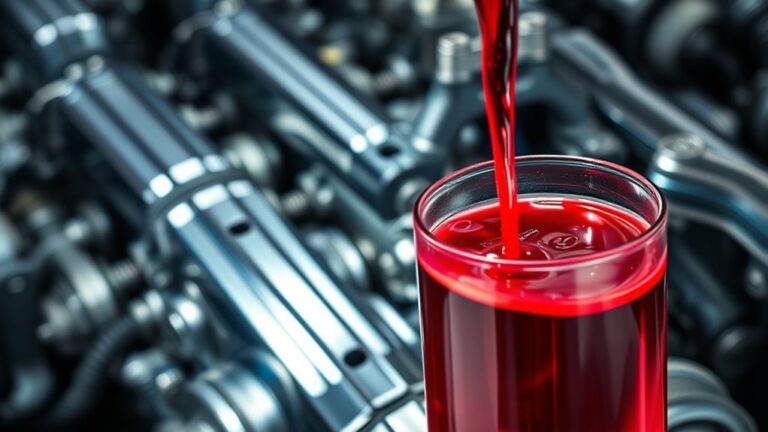
If you notice slipping gears, delayed engagement, or rough shifting, these are often signs of not enough transmission fluid. Checking the fluid color can help too; healthy fluid is usually red or pink and see-through. When it turns brown or black, it means contamination or breakdown, and it’s time to top off or get a full change.
Unusual whining noises or a burning smell from the transmission area also suggest low or old fluid. Staying on top of these signs can help prevent more serious problems and ensure your vehicle shifts smoothly and reliably.
How to Check Transmission Fluid Level Correctly
Wondering how to accurately check your transmission fluid level? First, make sure your vehicle is on a level surface and the engine is warm, especially if you’re checking hot.
Follow these steps: locate the transmission dipstick, usually near the back of the engine bay. Pull it out and wipe it clean with a rag.
Locate the transmission dipstick near the back of the engine bay, then pull it out and wipe it clean with a rag.
Reinsert the dipstick fully, then pull it out again. Check the fluid level against the marked indicators, and take note of the fluid’s consistency.
A proper fluid level should be between the “Full” and “Add” marks. The fluid should look reddish and transparent. If it’s dark or smells burnt, it might need replacing.
When reading the dipstick, pay close attention to the fluid’s consistency. Thick or gritty fluid could signal potential issues.
Getting an accurate dipstick reading is essential for diagnosing transmission health and ensuring smooth shifting.
Safety Tips for Handling Hot Transmission Components
When you’re working around hot transmission parts, it’s really important to wear protective gear like gloves and safety glasses. This helps you avoid burns and keeps you safe while you’re working. Also, make sure your work area is well-lit so you can see everything clearly—it makes a big difference in avoiding mistakes.
And don’t forget to keep your hands and tools away from those hot surfaces. It’s easy to accidentally touch something that’s still really hot, but staying cautious can prevent serious injuries. Always take your time and stay safe!
Wear Protective Gear
Always wear protective gear before working on a hot transmission to prevent burns and injuries. Proper safety gear is essential when handling hot components. Here are four key items you should have:
- Protective gloves to shield your hands from burns and hot surfaces.
- Safety goggles to protect your eyes from splashes or debris.
- Long sleeves to minimize skin exposure to heat.
- Closed-toe shoes to guard your feet from falling tools or hot spills.
Wearing these items guarantees you’re protected from potential hazards. Remember, transmission components can stay hot for a while, so don’t rush. Taking safety precautions reduces the risk of injury and helps you work more confidently and efficiently.
Use Proper Lighting
Proper lighting is essential when working on hot transmission components to see clearly and avoid mistakes. Use bright, focused light sources to ensure you have ideal visibility.
Avoid working in dim or shadowed areas, as poor lighting can cause you to overlook leaks or misjudge fluid levels. Portable LED work lights or headlamps are great for illuminating tricky spots.
Make sure your workspace is well-lit and free of obstructions that could cast shadows. Good lighting helps you identify hot surfaces and potential hazards quickly, reducing the risk of accidents.
Prioritize clarity and precision by ensuring every part of the transmission is clearly visible before you check or refill fluids.
Avoid Hot Surfaces
After ensuring your workspace is well-lit, it’s important to remember that transmission components can get very hot during operation. To avoid burns and injuries, follow these hot surface precautions:
- Allow the transmission to cool down before handling any parts. Wait at least 30 minutes or more if needed.
- Wear protective gloves to prevent direct contact with hot surfaces.
- Use tools with insulated handles to avoid accidental burns.
- Keep a safe distance from the transmission to minimize the risk of injury.
What Do Vehicle Manufacturers Say About Adding Transmission Fluid Hot?
What do vehicle manufacturers recommend regarding adding transmission fluid while the engine is hot? Most say to add fluid only when the engine and transmission are at their normal operating temperature, usually with the engine running.
They emphasize following your vehicle’s specific fluid specifications in the owner’s manual to ensure compatibility and top performance. Manufacturers caution against adding transmission fluid when the engine is cold because the fluid level can seem lower.
Once the transmission warms up, the fluid expands, and overfilling can happen if you add too much when cold. Overfilling can cause shifting problems and even damage.
Always check the transmission fluid level with the dipstick as instructed. Add fluid gradually, matching the recommended type and specifications from the manufacturer.
If you’re unsure, consult your owner’s manual or a professional mechanic. Following the manufacturer’s advice helps keep your transmission healthy and prevents unnecessary repairs.
Frequently Asked Questions
Can Adding Fluid When Hot Cause Transmission Damage?
Adding transmission fluid when hot can temporarily affect your transmission health if you overfill it, potentially causing foaming or leaks.
However, if you add the right amount, it generally won’t cause damage. Always check fluid levels accurately with the dipstick when the car is hot, then add fluid carefully.
Maintaining proper fluid levels guarantees peak transmission health and smooth shifting, preventing long-term damage or costly repairs.
How Does Hot Transmission Fluid Affect Fluid Viscosity?
Hot transmission fluid increases in temperature, which causes its viscosity to decrease. As the fluid heats up, it becomes thinner and flows more easily through the transmission components.
This change in viscosity can impact how well the transmission performs. It might lead to less effective lubrication or increased wear if you add fluid when it’s hot.
Always check the fluid levels when the transmission is at the recommended temperature. This helps ensure accurate readings and proper function.
Are There Specific Types of Transmission Fluid for Hot Conditions?
You absolutely need specialized transmission fluid types designed for hot conditions because regular fluid just can’t handle the heat like a superhero cape.
These fluids offer better high-temperature performance, preventing breakdown and helping your transmission shift smoothly.
When your transmission runs hot, using the right fluid becomes really important. Look for fluids labeled for high-temperature use and always follow your vehicle’s manufacturer recommendations.
This way, you keep your transmission cool and running efficiently, even on the hottest days.
What Tools Are Safest for Adding Transmission Fluid Hot?
You should use a funnel with a flexible, heat-resistant spout to add transmission fluid hot, making sure to follow safety precautions.
Wearing gloves and eye protection is essential to prevent burns from hot fluid. Always check the fluid level with the dipstick first, then add slowly using proper techniques to avoid overfilling.
Taking these precautions helps you safely add transmission fluid while the engine is hot, preventing spills and injuries.
Does Adding Fluid Hot Void the Vehicle’s Warranty?
Ever wonder if adding hot transmission fluid affects your warranty? Generally, it doesn’t void your vehicle’s warranty if you add the correct fluid specifications and follow the manufacturer’s guidelines.
However, using the wrong type or improper procedures might raise warranty concerns. Always check your owner’s manual and warranty terms before topping off while hot.
Properly maintaining fluid levels guarantees your transmission stays healthy without risking warranty issues.
Conclusion
Adding transmission fluid when your car is hot might seem convenient, but rushing the process can lead to mistakes or burns. It’s tempting to top off right after driving, but the heat’s intensity can mess with your readings or cause injury.
Instead, wait for the transmission to cool slightly, then check and add fluid carefully. Patience is key—it’s safer and more accurate to wait rather than rush through it.
Remember, when dealing with transmission fluid, safety and accuracy come first. Knowing when to wait ensures you get the job done right.