What Age for Booster Car Seat: Key Safety Guidelines Explained
Worried about when your little one is ready to move up to a booster seat? You’re not alone—many parents find it tricky to know the right time. Ensuring your child’s safety in the car is a top priority, and choosing the right seat at the right time is crucial.
You should switch your child to a booster seat when they outgrow their forward-facing seat, usually between ages 4 to 7, and they are at least 4 feet 9 inches tall and weigh 40-100 pounds.
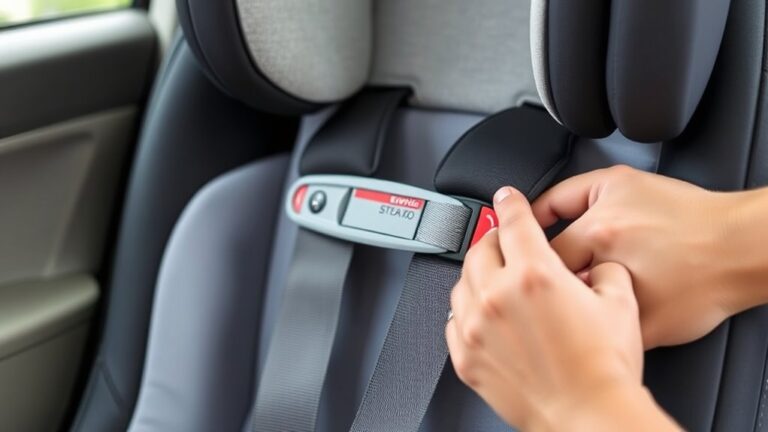
Verify the seat belt fits properly, with the lap belt on the hips and the shoulder belt across the chest.
Keep an eye on your child’s growth and safety milestones to make the switch at the right time. If you want to learn more, you’ll find helpful tips ahead.
Key Takeaways
- Children should move to a booster seat once they outgrow their forward-facing car seat, usually between ages 4 and 7.
- Booster seats are appropriate until kids reach 4 feet 9 inches tall and weigh between 40 to 100 pounds.
- But age isn’t the only factor; kids need to show they’re emotionally mature and understand safety rules.
- Make sure the seat belt fits properly — the lap belt should sit low on the hips, and the shoulder belt across the chest.
- Always follow the manufacturer’s instructions and local laws to know the right age and size for booster seat use.
When Should My Child Transition to a Booster Seat?
You should consider shifting your child to a booster seat when they outgrow their forward-facing car seat, usually around age 4 to 7. Booster seats help position the seat belt properly, which is key for safety in a crash.
Switch your child to a booster seat when they outgrow their forward-facing seat, typically around age 4 to 7, for better safety.
Safety rules suggest kids stay in a booster until they reach specific height and weight requirements, typically around 4 feet 9 inches tall and ages 8 to 12. Using a booster ensures the lap and shoulder belts are correctly positioned.
This correct fit reduces the risk of injury and makes sure your child’s seat belt works effectively. Keep in mind that laws and safety standards can vary by state, but the main goal is to keep your child safe on the road.
Moving to a booster at the right time means your child gets the safety benefits of proper seat belt fit and meets safety guidelines. It’s all about making sure they are secure and protected every time they ride.
At What Age, Height, and Weight Is a Child Ready for a Booster?
Your child is ready for a booster seat when they hit certain height and weight milestones and also have the maturity to sit properly without slouching or playing around. Usually, this means they’re at least 4 feet 9 inches tall and weigh somewhere between 40 to 100 pounds.
But remember, age and how responsible your child is also matter. Some kids might be ready a bit earlier or later, depending on their development. So, it’s a good idea to consider their individual maturity along with those numbers before making the switch.
Age and Maturity Levels
Determining if a child is ready for a booster seat depends not only on age but also on their height and weight.
Equally important is their developmental readiness and emotional maturity. You want your child to sit still and behave responsibly during car rides, which shows they understand the importance of safety.
A child who can stay seated with a proper seat belt without slouching or fidgeting demonstrates the emotional maturity needed for booster use.
At this stage, your child should recognize the importance of safety rules and be able to sit properly for the entire trip.
Keep in mind that readiness varies among children, so look for signs of self-control and awareness, not just the age on the calendar.
Height and Weight Requirements
Once a child shows they’re emotionally ready and can sit properly during car rides, it’s important to check if their height and weight meet safety guidelines for booster seats. These rules are based on safety standards that set minimum height and weight limits to ensure the seat belt fits correctly.
Typically, children should be at least 4 feet 9 inches tall and weigh between 40 to 80 pounds before moving to a booster. These measurements help make sure the seat belt crosses the chest and hips properly, giving the best protection.
How Do I Know My Child Is Outgrowing Forward-Facing Car Seats?
You’ll know your child is outgrowing their forward-facing car seat when they hit the height or weight limit set by the manufacturer. It’s a good idea to check those limits regularly so you’re not caught off guard.
Also, keep an eye out for signs like a tight harness or if your child’s shoulders start to creep above the top slots of the seat. Those are clear signals that they’ve outgrown the seat and it’s time to move on. Making sure the seat fits just right helps keep your little one safe and comfy on every trip.
Height and Weight Limits
Knowing when your child has outgrown their forward-facing car seat depends on their height and weight. Most car seats have specific booster seat dimensions and safety regulations that set the maximum limits.
Typically, children should switch out of forward-facing seats once they reach the height or weight limit set by the manufacturer. Check the labels on the car seat for these limits, which vary by model but often range around 40-65 pounds and 49 inches tall.
Once your child exceeds these limits, it’s time to move to a booster seat that fits within safety regulations. Ensuring your child stays within these height and weight boundaries helps keep them properly restrained and safe during car rides.
Signs of Growth Stalls
Children often show signs that they’re ready to move out of a forward-facing car seat before reaching specific height or weight limits. Keep an eye on growth indicators like their shoulders rising above the top harness slot or the harness fitting loosely.
If the straps aren’t snug anymore or they’re pushing against the seat’s edges, it’s a clear sign they’ve outgrown the seat. Developmental delays can also play a role; if they’re considerably taller or stronger than average for their age, it might be time to reassess.
Proper Seat Fit
Determining if your child has outgrown their forward-facing car seat depends on how well the harness and seat fit. If the harness no longer fits snugly or your child’s shoulders are above the top harness slots, it’s time to move on. Proper seat fit is key to safety and making the most of booster seats when you switch.
To check if your child is ready:
- The harness straps should lie flat and be snug against their chest, with no slack.
- Their ears should stay below the top of the seat’s headrest.
- Their shoulders should be at or just below the harness slots.
Once these fit criteria are met, it’s time to switch to a booster seat for continued safety.
What Are the Key Safety Features to Look for in a Booster Seat?
When choosing a booster seat, it’s important to focus on key safety features that keep your child safe in a crash. Look for seats with high safety ratings, which show they’ve been thoroughly crash tested and offer reliable protection.
A sturdy frame and energy-absorbing foam are essential for reducing impact forces. Make sure the seat has clear, easy-to-follow installation instructions because proper setup is crucial for safety.
Check if the booster is compatible with your vehicle and fits securely without too much movement. Adjustable headrests and armrests help keep your child comfortable while maintaining safety.
Some seats come with side-impact protection or reinforced sides, providing extra security for your child’s head and body. Avoid seats with flimsy or poorly made components.
How Should I Properly Fit the Seat Belt in a Booster Seat?
To keep your little one safe, make sure the seat belt fits correctly across their chest and hips. It shouldn’t be resting on their stomach or neck because that can be uncomfortable and unsafe. As your child grows, don’t forget to adjust the seat belt so it fits just right and keeps them secure.
It’s also a good idea to check the belt placement regularly. Kids grow quickly, so what fits perfectly one week might need a little readjustment the next. Keeping an eye on the fit helps ensure they stay safe and comfortable during every ride.
Correct Belt Positioning
Making sure the seat belt fits correctly is really important for your child’s safety in a booster seat. Proper belt positioning ensures the belt lines up across the hips and chest, which is crucial for safety.
Here are some key tips for correct belt placement:
- The lap belt should sit low on your child’s hips, not on the stomach, to prevent injuries during a crash.
- The shoulder belt should cross the chest and shoulder, not the neck or face, to ensure proper alignment.
- Make sure the belt is snug without slack so it stays in place during sudden stops or collisions.
Adjusting for Growth
As your child grows, it’s important to regularly check and adjust the seat belt to ensure it fits correctly in the booster seat. Proper seat adjustments depend on your child’s growth patterns, making sure the belt stays in the right position for safety.
The lap belt should lie snugly across the upper thighs, not the stomach. The shoulder belt should rest flat across the chest and shoulder, not the neck or face.
Use this guide to keep the seat belt positioning correct as your child grows:
| Growth Pattern | Seat Adjustment Tip |
|---|---|
| Taller torso | Raise the booster height if necessary |
| Longer legs | Verify the lap belt stays low on hips |
| Slouching | Adjust seat to promote proper posture |
| Rapid growth | Regularly check belt fit |
| Consistent fit | Maintain correct belt positioning |
Signs Your Child Might Need a New or Upgraded Booster Seat
You’ll know it’s time for a new or upgraded booster seat when your child’s growth or behavior shows that the current one no longer provides proper safety. Growth spurts can quickly make seat adjustments inadequate, leading to a poor fit and compromised safety.
Keep an eye out for these signs:
- Incorrect harness positioning – The shoulder belt sits too high or too low and isn’t across the chest and hips as it should be.
- Poor seat fit – Your child’s shoulders are slipping out of the belt, or the lap belt isn’t snug against their thighs.
- Height or weight exceed limits – Your child surpasses the manufacturer’s height or weight limits for their current booster seat.
If you notice any of these signs, it’s time to consider switching to a new or upgraded booster seat. Regularly check your child’s growth and ensure the seat fits properly to keep them safe.
Common Mistakes to Avoid When Moving to a Booster Seat
Moving your child to a booster seat might seem straightforward, but many parents make common mistakes that can compromise safety. One mistake is assuming your child is ready based only on age or height. Instead, check that they meet the height and weight requirements specified by the manufacturer.
Avoid thinking the seatbelt alone provides enough protection when your child is in a booster. Proper seating position is key—make sure the lap belt sits snugly across the upper thighs, not the stomach, and the shoulder belt crosses the chest.
Another mistake is forgetting to adjust the booster as your child grows, which can lead to an improper fit. Also, don’t skip the manufacturer’s instructions because each booster seat has specific guidelines.
Being aware of these common booster seat mistakes helps keep your child safe and properly protected during every trip. Having the right knowledge prevents unnecessary risks and helps you develop safe transportation habits.
How Do I Properly Install and Secure a Booster Seat?
Installing a booster seat correctly is key to keeping your child safe during every trip. When installed properly, it helps prevent injuries and ensures the safety belt works effectively.
Follow these simple steps to set it up right:
First, place the booster seat on the vehicle seat, making sure it’s stable and snug. You want it to sit securely without wobbling.
Next, secure the booster seat using your vehicle’s seat belt. Make sure it’s threaded properly through the designated belt guides. This keeps the seat in place during the ride.
Secure the booster seat with the vehicle’s seat belt, ensuring it threads through the proper guides for stability.
Finally, check the safety belt securing your child. The lap belt should sit low across the hips, not the stomach. The shoulder belt should cross the chest and shoulder, not the neck or face.
Always read the booster seat manufacturer’s instructions and your vehicle’s owner manual for specific guidance. Proper installation keeps your child safe and maximizes the effectiveness of the seatbelt system.
This way, every trip can be safe and worry-free.
How Do Developmental Milestones Affect Booster Seat Use?
Developmental milestones play an essential role in determining when a child is ready to move from a booster seat to using a regular seatbelt alone. You should look for signs of developmental readiness, such as your child’s ability to sit still and maintain proper posture during car rides.
Cognitive understanding is also vital; your child needs to grasp the importance of seatbelt safety and how to position it correctly across their lap and shoulder. If your child can sit upright without slouching or slipping out of the seatbelt, it indicates they may be ready to shift.
Keep in mind that every child develops at their own pace, so observing these milestones is key. Rushing the move before your child is developmentally prepared can compromise safety. Wait until your child demonstrates the necessary cognitive understanding and physical ability to sit properly with a seatbelt on their own.
Tips for Ensuring Your Child’s Booster Seat Is Safe and Comfortable
Making sure your child’s booster seat is both safe and comfortable can really improve their car rides. When they’re comfortable, they stay relaxed, and safety checks make sure the booster works properly. Here are three simple tips to help you do that:
Ensuring your child’s booster seat is safe and comfortable makes every car ride better and safer.
- Adjust the seat height and position so the seat belt fits snugly across your child’s chest and hips, not their neck or stomach.
- Check the harness and seat belt alignment regularly. Make sure the belt lies flat and isn’t twisted.
- Inspect the booster for safety recalls or damage from time to time. Also, double-check that it’s securely installed before each trip.
Frequently Asked Questions
Can My Child Use a Booster Seat in Different Vehicles?
Yes, your child can use a booster seat in different vehicles, but it’s important to check if the seat fits properly first. Make sure the booster is compatible with the new vehicle.
Next, verify that the vehicle’s seat belts support proper positioning for your child. Follow the manufacturer’s instructions for each vehicle to ensure safety.
If the booster seat doesn’t fit securely or conflicts with safety features, consider trying a different seat or vehicle. The goal is to keep your child as safe as possible.
Are There Specific Brands Recommended for Booster Seats?
You should look for booster seats with strong safety ratings and essential features like adjustable headrests, side-impact protection, and easy installation.
Brands like Britax, Chicco, and Graco are popular because they prioritize safety and durability.
When choosing, consider the booster seat’s safety ratings and features that suit your child’s size and needs.
Always follow manufacturer guidelines to guarantee your child’s safety on every ride.
How Often Should I Replace or Upgrade My Child’s Booster Seat?
You should replace or upgrade your child’s booster seat when its lifespan ends or you notice signs of wear. Usually, booster seats last about six to ten years, but always check the manufacturer’s expiration date.
If you see frayed straps, cracks, or broken parts, it’s time for a new one. Regularly inspecting the seat helps ensure your child’s safety, especially since booster seats are vital for proper restraint and protection.
Is It Safe for My Child to Use a Booster Seat With a Lap-Only Belt?
Using a booster seat with a lap-only belt isn’t ideal because booster seat safety recommends using a lap and shoulder belt for proper restraint.
If only a lap belt is available, it might not offer enough protection in a crash.
Always follow lap belt guidelines and check that your child’s booster seat works with your vehicle’s seat belt system.
This helps ensure safety and maximum restraint, reducing the risk of injury during an accident.
What Are the Legal Requirements for Booster Seat Use in My State?
Did you know that nearly 60% of car seat violations involve booster seat laws? Your state’s regulations specify when your child must switch to a booster seat, usually based on age, weight, and height.
To stay compliant, always check your local laws for booster seat requirements, since these rules can vary from state to state. Following your state’s regulations helps keep your child safe and can help you avoid legal issues.
Conclusion
Remember, choosing the right time for a booster seat is like planting a sturdy tree—your child’s safety depends on the right fit and proper use.
As they grow, their comfort and protection must grow with them, like a shield that adapts and stands strong.
When you prioritize correct installation and awareness of milestones, you’re building a foundation that keeps your child safe, confident, and ready to face the road ahead.
Knowing the right age for a booster car seat is key to keeping your little one secure during every journey.