What Is a 5 Point Harness Car Seat? Explained for Parents
Feeling overwhelmed trying to find the safest car seat for your little one? You’re not alone—many parents struggle with choosing the right safety features to keep their kids secure on every trip.
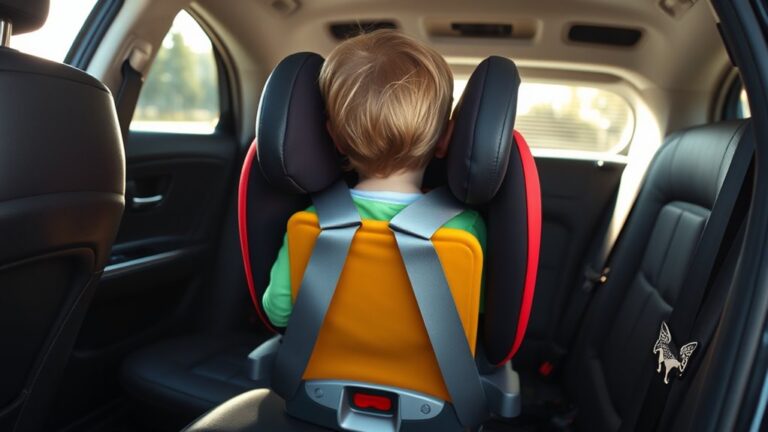
A 5-point harness car seat is designed to keep your child safely restrained with five straps—two at the shoulders, two at the hips, and one between the legs—that distribute crash forces evenly.
It’s one of the safest options because it prevents ejection and reduces injury risk during accidents.
To guarantee maximum protection, proper installation and adjustment are essential.
If you keep exploring, you’ll find out how to choose, install, and maintain the best seat for your child’s safety.
Key Takeaways
- A 5-point harness car seat keeps children secure with straps at both shoulders, hips, and between the legs for maximum safety.
- It spreads out crash forces evenly, helps prevent ejection, and lowers the chance of injuries during an accident.
- To install it properly, make sure it fits snugly, the harness height is correct, and all connections are secure.
- Regularly check and adjust the straps as your child grows to keep them safe and comfortable.
- Cleaning the fabric and inspecting straps for damage are important maintenance steps. Overall, it offers better protection compared to other types of car seats.
What Is a 5 Point Harness Car Seat and Why Is It Safe?
A 5-point harness car seat is designed to keep your child securely restrained during travel. It meets strict safety standards, ensuring reliable protection in case of a collision.
The harness has five points: two at the shoulders, two at the hips, and one between the legs. These work together to distribute crash forces evenly, minimizing movement and keeping your child snugly in place.
The five-point harness distributes crash forces evenly, ensuring your child stays secure and comfortable during every ride.
Different harness styles like adjustable or padded options are available to improve comfort and fit as your child grows.
The five-point system is considered the safest because it prevents ejection and reduces injury risk during sudden stops or accidents.
By meeting safety standards, these seats are tested for crashworthiness, giving you peace of mind.
Choosing a seat with a secure harness system guarantees your child’s safety, making it an essential feature for any parent who wants protection during car rides.
Key Safety Features to Look for in a 5 Point Harness Seat
When choosing a 5-point harness car seat, paying attention to safety features can really make a difference in protecting your child.
First, check the harness durability—look for high-quality, sturdy straps that won’t fray or weaken over time. Durable harnesses help keep your child secure during sudden stops or accidents.
Ease of installation is also important. A seat that’s simple to install correctly reduces the risk of misuse, which is common with complicated setups. Look for clear instructions, adjustable straps that lock securely, and quick-attach connectors.
A well-designed harness system should also have multiple height and width adjustments. This helps fit your child comfortably as they grow, keeping safety intact at every stage.
All these safety features work together to give you peace of mind, ensuring your child is properly restrained and protected in the car at all times.
How to Choose the Right 5 Point Harness Car Seat for Your Child
Choosing the right 5-point harness car seat for your child involves considering several key factors to guarantee safety and comfort. First, check that the seat meets current safety standards, ensuring it has passed rigorous crash tests.
Age recommendations are also essential. Seats designed for your child’s specific age and size provide better protection and fit. Think about your child’s growth, so look for a seat with adjustable harness heights and multiple recline positions.
Comfort matters too. Choose a seat with adequate padding and breathable fabric to keep your child comfortable during trips. Compatibility with your vehicle is important, so verify that the seat fits well in your car.
Read reviews and ratings to gauge durability and ease of use. Finally, always follow the manufacturer’s guidelines and weight limits. By focusing on safety standards and age recommendations, you’ll find a seat that keeps your child safe, comfortable, and secure during every trip.
Installing Your 5 Point Harness Seat Correctly
Properly installing your 5-point harness car seat is key to keeping your child safe during every trip. Just follow these simple steps to do it right.
First, make sure the seat is secured tightly. Tighten the straps and check that there’s minimal movement. The seat shouldn’t shift more than an inch side-to-side or front-to-back.
Next, check the harness system. Ensure it’s at the right height and snug against your child’s chest. The straps should lie flat without any twists.
Finally, do a safety check. Double-check all connections like the seat belt or lower anchors. Make sure the seat is installed correctly and look for any loose parts or slack.
Taking your time with these steps helps ensure your seat is installed properly, keeping your child safe and comfortable on every trip.
Adjusting the Harness Straps for Safety and Comfort
To keep your child safe and comfy, it’s important to get the harness straps just right. First, make sure the straps are at the correct height—usually, they should be level with your child’s shoulders.
Next, check that the straps fit snugly so they’re secure but not too tight. You should be able to fit a finger between the strap and your child’s chest. Finally, tighten the straps properly so everything stays in place during the ride.
Following these simple steps will help ensure your little one stays safe and comfortable during every trip.
Proper Strap Positioning
Verifying that the harness straps are positioned correctly is key to keeping your child safe and comfortable. Proper strap alignment makes sure the safety system works as it should.
Check these important points to get it right:
- Make sure the straps lie flat without twists and stay in proper alignment.
- For rear-facing seats, position the straps at or just below your child’s shoulders. For forward-facing seats, keep them at shoulder level.
- Tighten the harness so it’s snug—you shouldn’t be able to pinch any excess strap at your child’s collarbone.
Ensuring Comfortable Fit
A secure and comfortable harness fit is essential for your child’s safety during car rides. To achieve this, regularly check and make fit adjustments to the harness straps.
The straps should lie flat without twists and be snug against your child’s body. If they’re too loose, your child can slide out or get injured in a sudden stop.
Conversely, if they’re too tight, your child may experience discomfort, which can lead to fussiness or improper positioning. Adjust the harness height so the straps are at or just below your child’s shoulders, ensuring proper support.
Prioritize comfort levels by making sure the straps aren’t causing pressure points or pinching. Proper fit adjustments help maintain safety and keep your child comfortable throughout every journey.
Correct Strap Tightening
Properly tightening the harness straps is key to keeping your child safe and comfortable in their car seat. Correct strap adjustments ensure safety and prevent unnecessary movement during sudden stops or crashes.
To do this effectively, verify the straps lie flat without twists and are snug enough that you can’t pinch excess slack at the shoulder. Adjust the harness height so it’s at or just above your child’s shoulders if the seat is forward-facing.
Double-check the tightness by performing the finger test—no more than one finger should fit between the harness and your child’s chest.
Knowing When to Switch From a 5 Point Harness to a Booster
Knowing when to switch from a 5-point harness to a booster is key for your child’s safety as they grow. Usually, you should make the switch once your child exceeds the booster seat’s age or weight limits. This helps ensure they stay properly secured on the road.
Look for signs like your child outgrowing the height or weight limits of their current seat, or if the harness no longer fits snugly. When they reach the top height or weight limits, it’s time to switch to a booster seat that positions the seatbelt correctly across their hips and shoulders.
| Indicator | Details |
|---|---|
| Booster seat age | Usually around 4-8 years old, depending on size |
| Harness weight limits | When your child exceeds the seat’s weight limit |
| Height guidelines | When they outgrow the height limit of their harness |
Always follow the manufacturer’s guidelines for safe switching.
Common Mistakes When Using 5 Point Harness Car Seats (And How to Avoid Them)
Using a 5 point harness car seat incorrectly can compromise your child’s safety, so it’s important to be aware of common mistakes and how to avoid them. One frequent error is improper harness placement; the straps should be snug and lie flat without twists, positioned at or just above the shoulders for rear-facing seats and at or below for forward-facing.
Be mindful of these common misconceptions:
- Loose harnesses – a loose harness can allow excessive movement. Always tighten the straps so only one finger fits between the strap and your child’s chest.
- Chest clip placement – the chest clip should sit at armpit level, not on the stomach or neck.
- Incorrect harness routing – guarantee the harness straps are properly threaded through the designated slots, avoiding any twists or misalignments.
Maintaining and Cleaning Your 5 Point Harness Car Seat
Regularly maintaining and cleaning your 5 point harness car seat helps ensure it works properly and keeps your child safe. Proper cleaning removes dirt, crumbs, and spills that can affect hygiene.
For harness maintenance, check the straps for fraying or damage and make sure they’re snug and correctly positioned. Use a damp cloth with mild soap to wipe down the harness and seat shell, avoiding harsh chemicals that can weaken the materials.
| Step | Action | Frequency |
|---|---|---|
| Seat cleaning | Wipe with a damp cloth and mild soap | Weekly or after spills |
| Harness check | Inspect for fraying or damage | Monthly |
| Deep cleaning | Remove fabric cover and wash | Every 2-3 months |
Keep the harness and fabric clean and in good condition. Regular upkeep helps ensure your seat stays effective and durable.
Comparing 5 Point Harness Seats to Other Car Seat Types
While 5 point harness car seats are known for their top-notch safety and secure fit, it’s helpful to compare them with other harness types and seat options to find the best choice for your child. Different harness styles, like two-point or three-point harnesses, offer different levels of security and ease of use.
Here are three key safety comparisons:
- Five-Point vs. Two-Point Harness: The 5 point offers more restraint points and spreads crash forces evenly. Two-point harnesses provide less side protection.
- Convertible Seats: These often have harnesses but may switch to just a seat belt as your child grows. This can impact safety over time.
- Booster Seats: They rely on the vehicle’s seat belt instead of a harness, offering less direct restraint. But they can be easier to manage for older kids.
Knowing the differences helps you choose the safest and most practical option for your child’s needs.
Benefits of Using a 5 Point Harness Car Seat for Your Child’s Safety
A 5 point harness car seat offers several key safety benefits that make it a top choice for protecting your child during car rides. It provides better restraint compared to other harness types, helping reduce injury risk in crashes.
Safety stats show kids in 5 point harness seats are much less likely to suffer serious harm. The harness spreads crash forces evenly across the strongest parts of the body, like the shoulders and hips.
Here’s a quick comparison to other harness types:
| Feature | 5 Point Harness | Other Harness Types |
|---|---|---|
| Safety Effectiveness | Highest safety record | Varies, often lower |
| Restraint Distribution | Even across shoulders and hips | Less balanced |
| Suitable for | All ages, extended use | Limited, age-dependent |
Choosing a 5 point harness seat gives you peace of mind, knowing your child is better protected.
Frequently Asked Questions
Can I Use a 5 Point Harness Car Seat in Any Vehicle?
Yes, you can usually use a 5 point harness car seat in most vehicles, but it’s a good idea to check your vehicle’s owner manual for specific installation tips and compatibility.
Make sure the seat’s safety features match your car’s belt system, and confirm the seat fits securely without too much movement.
Always follow the manufacturer’s instructions to keep your child safe, and consider visiting a certified car seat technician for an in-person installation check.
How Long Should My Child Use a 5 Point Harness Seat?
You should keep your child in a 5 point harness car seat until they outgrow the height and weight limits set by the manufacturer, which is usually around age 4 or 5.
The safety benefits of a 5 point harness are huge, offering excellent protection in case of an accident. When installing, make sure the harness is snug and the chest clip is at armpit level.
It’s important to regularly check and adjust the harness to ensure it continues to fit properly and keeps your child safe.
Are 5 Point Harness Car Seats Suitable for Travel?
Yes, 5 point harness car seats are suitable for travel because they help keep your child safe and secure during your trip.
The harness provides a snug fit that minimizes movement, which can reduce the risk of injury.
Whether you’re on a road trip or just running errands, these seats give you peace of mind and reliable protection throughout your travels.
What Age or Weight Limits Do 5 Point Harness Seats Have?
You should check the safety standards and installation guidelines for your child’s 5 point harness car seat, as age and weight limits vary. Typically, these seats are suitable for infants and toddlers from newborns up to around 65 pounds, depending on the model.
Always follow the manufacturer’s instructions to guarantee proper installation and maximum safety. It’s also important to consult local regulations to confirm compliance with safety standards for your child’s age and size.
Can I Upgrade From a 5 Point Harness to a Booster Seat Later?
Yes, you can upgrade from a 5 point harness to a booster seat when your child outgrows the harness, usually around age 4 to 7.
Over 80% of parents shift their children to booster seats safely, but safety considerations are key. Make sure your child meets height and weight requirements, and always follow manufacturer guidelines.
This change helps maintain safety while accommodating your child’s growth.
Conclusion
A 5 point harness car seat is like a sturdy shield, wrapping your child in safety and security on every journey. It features five straps—two over the shoulders, two at the hips, and one between the legs—that work together to keep your child firmly in place.
By understanding its features, proper installation, and regular maintenance, you’re planting strong roots of protection that grow with your child. Think of it as a reliable guardian guiding them safely through each mile.
When you choose and care for a 5 point harness car seat wisely, you’re not just securing a seat—you’re nurturing a future of confidence and safety for your child.