How to Remove Paint From Car Seat: Easy and Safe Methods
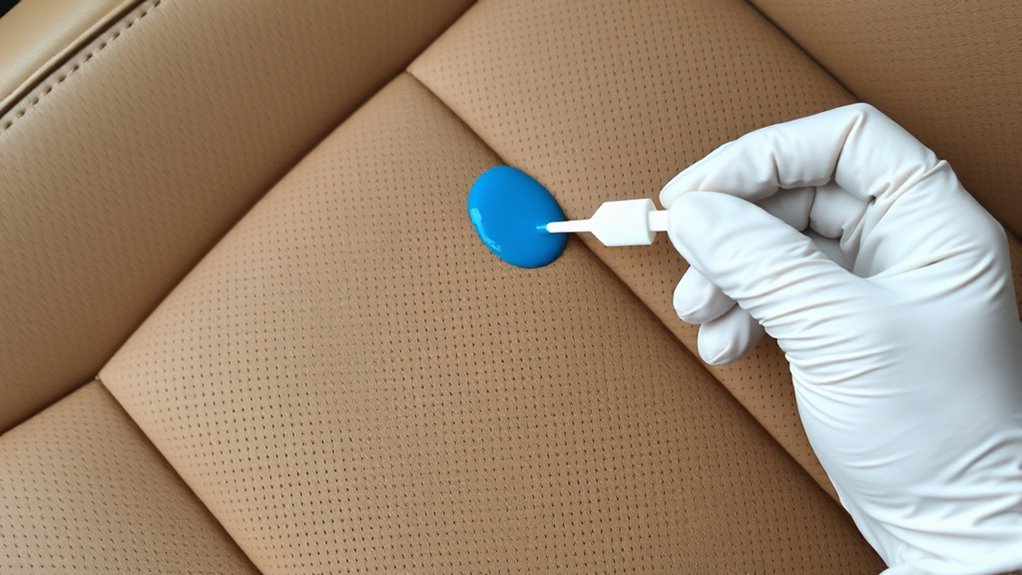
Dealing with paint stains on your car seat can be really frustrating. Many people struggle with how to remove it without damaging the fabric or leather. If you’re in this situation, you’re not alone—and there are simple, safe methods to get your seat looking good again.
To safely remove paint from your car seat, first identify its material. Then, test a small hidden area with a mild cleaning solution or solvent suited for that surface.
For water-based paint, gently blot and clean with soapy warm water. Oil-based stains may need a gentle solvent like vinegar or enamel remover.
Remember to wear protective gear and work in a well-ventilated space. Keep persistence and care, and you’ll find easy solutions for tough stains—discover more if you continue exploring.
Key Takeaways
- First, identify your car seat material and test cleaning solutions on a hidden area before trying to remove the paint.
- Use plastic scrapers and gentle cleaning agents that are suitable for the type of paint—whether water-based or oil-based.
- Blot the excess paint to lift as much as possible, then gently apply the appropriate solvents with a soft cloth in circular motions.
- Always wear protective gear and work in a well-ventilated space to stay safe while removing the paint.
- To prevent future stains, cover your seats during painting projects and clean up spills promptly.
What Causes Paint Stains on Car Seats and How to Prevent Them
Have you ever wondered what causes paint stains on car seats? Usually, they come from DIY projects, work tasks, or accidental splashes. When you’re painting near your vehicle, spills can happen easily if you’re not careful, especially with spray paints or brushes.
To prevent paint stains, try simple tricks. Cover your seats with plastic or old towels before you start. Keep paint containers away from the car or set them on stable surfaces to avoid spills. Wearing protective gear like aprons and gloves also helps reduce the risk of drips reaching your seats.
Work in a well-ventilated area to minimize splatters. By controlling your environment and handling paint carefully, you can greatly lower the chances of getting stains. Prevention is all about being cautious and prepared to keep your seats spotless.
How to Identify Your Car Seat Material
To get rid of paint stains, the first thing you need to do is figure out what kind of material your car seats are made of. It’s pretty important because fabric and leather each need a different cleaning method.
Knowing what your seats are made of helps you pick the right cleaning products and techniques. Using the wrong approach can sometimes cause more damage, so taking a little time to identify the material is definitely worth it.
Material Types Overview
Knowing the material of your car seat is essential before trying to remove any stains, because different fabrics need different cleaning methods. To figure out what your seat’s made of, look at its fabric features—see if it’s smooth, textured, or woven.
Cloth seats usually have a soft, porous surface, which can soak up paint more easily, affecting how well paint sticks. Leather or vinyl seats are generally smooth and less absorbent, making paint easier to wipe away.
Some seats are made from a mix of materials, so check for differences in texture or flexibility. Understanding these details helps you pick the safest and most effective way to clean. Recognizing the type of fabric and how paint sticks to it prevents damage and ensures you use the right techniques for your seat’s specific material.
Fabric Versus Leather
Knowing whether your car seat is fabric or leather is key because it helps you pick the right cleaning method. Fabric needs gentle cleaning that won’t damage the fibers, while leather needs specific products to stay soft and avoid cracks.
To tell the difference, try these tips:
- Feel the surface: fabric is soft and textured, leather is smooth and firm.
- Look at the appearance: fabric often shows a woven pattern, leather has a uniform, shiny look.
- Check the edges: fabric edges tend to fray, leather edges are sealed and clean.
Knowing your seat type makes it easier to choose safe, effective cleaning methods. This helps you avoid damage and keeps your car’s interior looking great.
Test a Small Area Before You Start Cleaning
Before applying any cleaning solution to your car seat, it’s important to test it on a small, hidden area first. This helps you avoid potential damage or discoloration.
Use test methods that involve applying a tiny amount of cleaner to an inconspicuous spot, like a seam or under the seat. Wait a few minutes to see how the material reacts.
Check for color fading, staining, or surface changes. If there are no adverse effects, you can proceed with confidence.
Remember, different materials and paints respond differently, so testing is key to choosing the safest approach. Always use a clean cloth or applicator for testing.
Avoid scrubbing vigorously during this step. This simple precaution helps prevent costly mistakes and ensures your cleaning process is safe and effective.
Once you’re satisfied with the test results, you can move forward with confidence.
Tools and Supplies Needed to Remove Paint From Car Seats
Gathering the right tools and supplies is the next step to effectively remove paint from your car seat. Using proper equipment ensures you can apply the correct paint removal techniques without damaging your upholstery.
To make this process smooth and safe, have these essentials on hand:
- Plastic scrapers or putty knives: These are perfect for gently lifting dried paint without scratching the fabric.
- Soft cloths or sponges: Use these to dab and clean the area without causing abrasion.
- Mild cleaning solutions or upholstery-safe solvents: Choose products suitable for your car seat’s fabric to avoid damage and maintain its care.
Having these tools ready helps you work efficiently, minimizes risks, and leads to better results. Remember, selecting the right supplies is key to safe and effective paint removal, especially when preserving your car seat’s fabric and look.
How to Remove Water-Based Paint From Upholstery
To remove water-based paint from your upholstery effectively, act quickly to prevent the stain from setting. Start by blotting the excess paint with a clean cloth or paper towel, avoiding rubbing so you don’t spread the stain.
Next, mix a solution of mild dish soap and warm water. Dampen a cloth with this mixture and gently blot the affected area, working from the outside inward.
For stubborn spots, consider using a commercial upholstery cleaner made for water-based paints. Always test any cleaning solution on a hidden spot first to avoid damage.
Safe Ways to Remove Oil-Based or Latex Paint From Car Seats
Removing oil-based or latex paint from your car seats needs a gentle touch to avoid damaging the fabric. The goal is to use safe, effective methods that keep your upholstery looking good.
Start by testing any solvent on a hidden spot first. This helps prevent discoloration or damage. Then, lightly dab the stain with a soft cloth soaked in a suitable solvent—mineral spirits for oil-based paint or warm soapy water for latex paint.
Be careful not to scrub aggressively, as that can tear or fade the fabric. For stubborn spots, use a soft-bristled brush to lift the paint without scratching.
Remember, blotting instead of rubbing helps lift the paint without spreading it further. Finish by wiping with a clean, damp cloth to remove any leftover residue and keep your upholstery in top shape.
Following these gentle techniques will help you remove the paint effectively while keeping your car seats looking their best.
Household Products That Help Break Down Paint Stains
Many common household products can effectively break down paint stains on fabrics and upholstery, making cleanup easier and safer. A vinegar solution is a versatile option; mix equal parts white vinegar and water, then apply it to the stain. Let it sit for a few minutes before gently blotting with a clean cloth. Vinegar’s acidity helps loosen paint particles, making it easier to remove.
Baking soda is another useful product; sprinkle it directly onto the stain or create a paste by mixing it with a small amount of water. Gently scrub the area with a soft brush or cloth, then rinse with clean water. Baking soda’s abrasive and deodorizing properties help lift paint and neutralize odors.
Both vinegar solution and baking soda are affordable, non-toxic options that can be effective for breaking down paint stains, especially when used promptly. Always test on a small, hidden area first to prevent any damage.
When and How to Use Commercial Cleaners for Stubborn Stains
When those tough paint stains just won’t come out with regular cleaning, commercial cleaners can really do the trick. It’s important to pick products that are specifically meant for car upholstery so you don’t end up damaging the fabric.
Before you get started, make sure to read the instructions carefully and follow them closely. And don’t forget to wear some protective gear, like gloves and maybe a mask, to keep yourself safe. Taking these safety precautions will help you clean effectively without risking any damage to your seats or yourself.
Identifying Suitable Commercial Products
Choosing the right commercial product is key to effectively tackling stubborn paint stains on your car seat. When picking a paint removal product, look for options made specifically for upholstery or automotive use. These commercial choices ensure safe and effective stain removal without harming your fabric.
Go for products with gentle solvents that break down paint without damaging the material. Check product labels to make sure they’re safe for upholstery and suitable for paint removal. Reading reviews can help you find trusted brands with proven results.
Choose stain removers that specify compatibility with car seats. Using the right product helps target tough paint stains while reducing the risk of damage. Always follow the manufacturer’s instructions for safe and effective stain removal.
Application Techniques and Tips
To effectively use commercial paint removers on your car seat, timing and technique are key. Start by testing the remover on a small, hidden spot first to make sure it won’t damage the fabric.
Apply the remover sparingly with a cloth or soft brush, focusing on the stained area. Use gentle, circular motions for even coverage and avoid oversaturating the fabric.
Let the remover sit for the recommended time, then carefully blot or lift the paint with a clean cloth. Patience is important—don’t scrub aggressively, as that can harm your seat.
If needed, repeat the process in small steps. Proper application helps target stubborn stains without damaging your car seat’s material.
Safety Precautions to Consider
Using commercial paint removers carefully is essential to avoid damaging your car seat or exposing yourself to hazards. Always read the product labels to understand proper application and potential risks.
Wear protective gear like gloves, goggles, and a mask to shield your skin and eyes from harmful fumes and chemicals. Make sure you’re working in a well-ventilated area to prevent inhaling fumes.
Follow the recommended cleaning techniques precisely. Apply the remover sparingly and test on a small area first. Never use excessive force or abrasive tools that could harm your upholstery.
Keep a clean cloth nearby to wipe away residue immediately. Prioritize safety to protect yourself and maintain your car seat’s integrity during the stain removal process.
Tips to Prevent Future Paint Damage on Your Car Interior
Preventing future paint damage on your car interior requires proactive steps and mindful habits. Start by regularly cleaning your seats to remove dirt and debris that can cause scratches or stains.
Using protective covers or seat shields when working on your car helps prevent accidental spills or splatters. Be careful around your vehicle—avoid leaning over or placing paint tools directly on the seats.
Keep paint containers securely closed and stored away from the interior to prevent leaks. If you’re doing any work inside, set up a dedicated workspace with drop cloths or plastic sheets to catch spills.
Consistent preventative maintenance reduces the risk of paint damage and keeps your car’s interior looking fresh longer. By adopting these habits, you’ll lower the chances of accidents and keep your vehicle’s interior in great shape.
Troubleshooting Common Problems When Removing Paint
Encountering issues while removing paint from your car seat is pretty common. Understanding what’s causing these problems can save you time and effort.
Sometimes, the paint just doesn’t come off easily, or you might notice discoloration or fabric damage. These issues often happen because of using the wrong removal techniques or applying too much force.
Here are some troubleshooting tips:
- If the paint resists coming off, try a gentler solvent or switch up your removal method to avoid damaging the fabric.
- For stubborn spots, test a small area first to prevent discoloration or weakening of the fabric.
- If the paint has soaked in, it might be best to get professional cleaning to prevent more damage.
Frequently Asked Questions
Can I Remove Paint Stains From Leather Car Seats?
Yes, you can remove paint stains from leather car seats. Start by gently blotting the stain with a damp cloth, avoiding any rubbing.
Use a leather cleaner or mild soap to help lift the paint without damaging the leather. Regular leather care and stain prevention techniques, like applying a protective conditioner, can keep your seats looking new.
Always test any cleaning products on a small area first to prevent discoloration.
How Long Should I Let Cleaning Solutions Sit on the Stain?
Don’t let the paint stain sit like a sitting duck; timing is key. For most cleaning techniques, you should let the solution sit for about 5-10 minutes, depending on the stain type.
For stubborn paint, you might need to repeat the process. Always monitor the area and avoid letting the solution dry completely, as this can make removal more difficult.
Patience guarantees you get the best results with minimal damage.
Are There Eco-Friendly Methods to Remove Paint Safely?
Yes, you can use eco-friendly methods to remove paint safely. Natural solvents like vinegar or lemon juice help break down paint without harsh chemicals.
Biodegradable cleaners are also effective and gentle on your car seats. Simply apply these solutions, let them sit briefly, and then gently scrub with a soft cloth or sponge.
These eco-conscious options protect the environment and keep your car’s interior safe and clean.
Will Paint Removal Damage the Car Seat’s Fabric or Finish?
Like walking on a tightrope, removing paint can threaten your car seat’s delicate balance. The risk of damage depends on paint types and fabric compatibility.
Oil-based paints may stain or stiffen fabric, while water-based paints are gentler. Using the right removal method minimizes damage, but always test a small area first.
With care, you can preserve your seat’s finish and fabric. This way, your car stays pristine without harm.
How Can I Prevent Paint From Bleeding Into the Upholstery?
To prevent paint from bleeding into upholstery, start by applying a protective layer like plastic sheeting or painter’s tape around the area. This creates a barrier that keeps the paint from seeping into the fabric.
Make sure the upholstery is clean and dry before you begin painting. Using a primer or sealant can also help contain the paint and prevent it from bleeding through.
Work carefully to avoid damaging the fabric’s integrity. Taking these steps will help keep your car seat looking its best and prevent any unwanted paint messes.
Conclusion
Remember, every stain is like a faint shadow on your car’s interior—just waiting for your gentle touch to restore its original brilliance.
With patience and the right tools, you can brush away those unwanted marks and bring back that fresh, new-car feel.
Think of each successful removal as creating a small masterpiece. It turns a cluttered scene into a smoothly flowing work of art you can enjoy every time you step inside.
When it comes to removing paint from a car seat, using the right methods makes all the difference.
By taking your time and choosing safe techniques, you can effectively get rid of paint stains without damaging your seats.
Remember, practicing patience and using proper tools will help you achieve the best results.
And with a little effort, you’ll be able to keep your car’s interior looking pristine.