Why Your Car AC Stopped Working Suddenly: Tips for Quick Fix and Preventative Maintenance
Are you tired of sweating through your drives because your car AC suddenly stops working? You’re not alone—many people struggle with unexpected AC issues, especially during hot weather.
Luckily, there are simple steps you can take to troubleshoot and fix the problem quickly.
If your car’s AC suddenly stops working, start by inspecting the electrical connections and fuses for damage or corrosion.
Check the refrigerant level with a gauge—low refrigerant can cause failure. Look for leaks using UV dye or smell for oily residue.
Replacing the cabin air filter and ensuring airflow aren’t blocked can help.
For persistent issues, professional help might be needed.
Continue exploring for more simple tips to keep your AC running smoothly.
Key Takeaways
- Check for blown fuses or electrical issues that might cut power to your AC system. Sometimes, a simple fuse blowout can be the culprit.
- Inspect refrigerant levels because low refrigerant can cause your AC to stop working suddenly.
- Make sure the compressor clutch engages properly; if it doesn’t, that points to a mechanical or electrical problem.
- Examine cabin air filters since clogged filters can block airflow and reduce cooling performance.
- If DIY troubleshooting doesn’t fix the issue or you hear strange noises, it’s best to schedule a professional inspection.
Common Causes of Your Car AC Suddenly Stopping
When your car’s AC suddenly stops working, it can be really frustrating and confusing. There are a few common causes that might be behind this problem.
AC system failures often happen because of compressor issues that stop proper refrigerant flow. If you notice temperature fluctuations inside your cabin, it could be a refrigerant leak, which reduces cooling.
Compressor problems or refrigerant leaks can cause AC failure and uneven cabin cooling.
Electrical problems like blown fuses or faulty wiring can also shut down your AC system completely. Blower motor malfunctions might stop airflow, making it seem like the AC isn’t working at all.
Duct blockages can restrict airflow, leading to uneven cooling or no cooling at all. Control module errors, often caused by sensor issues or software glitches, can also disrupt the whole system.
Knowing these potential causes can help you understand why your AC suddenly stops working. It also guides you in troubleshooting or getting professional help to restore comfort quickly.
How to Troubleshoot Your Car AC Problems Step-by-Step
Having trouble with your car AC? Don’t worry, it’s usually pretty straightforward to figure out what’s wrong. First things first, you want to make sure it’s actually getting power. Check the fuses and relays — if they’re blown or faulty, that could be the culprit. It’s a simple step, but it can make a big difference.
Once you’ve confirmed power isn’t the issue, take a peek at the refrigerant levels. Low refrigerant is a common cause of poor cooling. If it’s low, you might need to add some or get it checked by a professional. Following these easy steps can help you diagnose the problem quickly and get your AC back to blowing cool air in no time.
Check for Power Supply
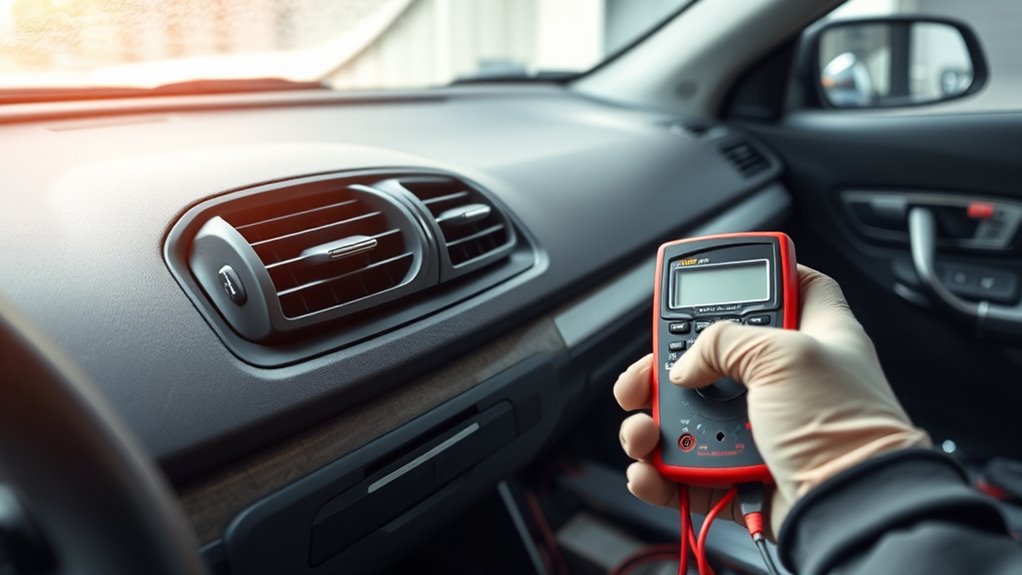
To start troubleshooting your car’s AC, you need to check the power supply first. AC power issues are common culprits behind sudden AC failures. Begin with a battery inspection to confirm it’s fully charged and in good condition, as low or dead batteries can cause electrical problems.
Next, inspect wiring problems—look for loose, corroded, or damaged wires that might interrupt power flow to the AC system. Fuse testing is also essential; locate the fuse box and verify that the AC fuse is intact. A blown fuse will cut power to the AC components.
If everything checks out but the AC still isn’t working, the issue might stem from an electrical connection or relay problem, which requires further investigation.
Inspect AC Fuses and Relays
After confirming the power supply and verifying the battery, wiring, and fuses are intact, it’s time to focus on the relays that control the AC system. Faulty or corroded relays can cause electrical issues, preventing your AC from functioning properly.
Locate the relay box, usually under the hood or passenger side dashboard, and identify the AC relay. Remove it carefully and inspect for signs of damage or corrosion.
You can test the relay by swapping it with a similar one that works or using a multimeter for continuity. If the relay is faulty, replacing it can restore proper electrical flow to your AC system.
Keeping relays in good condition helps prevent electrical issues and guarantees your AC works when you need it most.
Examine Refrigerant Levels
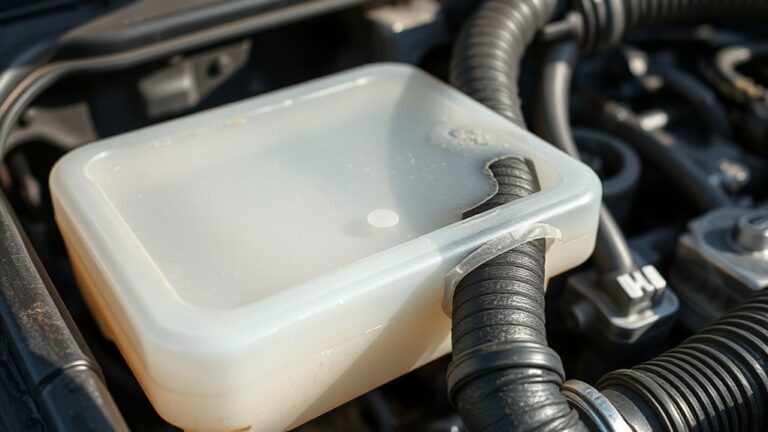
Low refrigerant levels are a common cause of ineffective cooling in your car’s AC system. To check this, start by locating the service port and using a manifold gauge set designed for the refrigerant types your vehicle uses.
If refrigerant levels are low, refilling can restore cold air. When handling refrigerants, make sure to follow proper refrigerant recycling procedures to prevent environmental harm.
Here are the key steps:
- Identify the correct refrigerant type for your vehicle—most modern cars use R-134a or R-1234yf.
- Connect the gauges and check the pressure readings against manufacturer specs.
- If levels are low, carefully recharge the system, ensuring refrigerant recycling procedures are followed to maintain safety and compliance.
Always consult a professional if you’re unsure about handling refrigerant types or recycling processes.
How to Check and Refill Your Car’s Refrigerant
To make sure your AC keeps things nice and cool, you’ll want to check if the refrigerant levels are running low. If they are, don’t worry—you’ll just need to learn the proper way to refill it without overdoing it. That way, your system stays efficient and avoids any potential damage.
Identifying Low Refrigerant Levels
Your car’s air conditioning system relies heavily on refrigerant to cool the air effectively. To spot low refrigerant levels, start by noticing symptoms like weak airflow or warm air even when the AC is on.
You can check the low pressure side of the system with a manifold gauge set. Keep in mind some key points:
- Refrigerant types: Make sure you’re using the correct refrigerant for your vehicle, since different types like R-134a or R-1234yf need specific handling.
- Low pressure readings: When pressure drops below what the manufacturer recommends, your system probably has low refrigerant.
- Visual clues: Look for oil stains or frost near AC components, which could mean leaks or low refrigerant levels.
Always handle refrigerant carefully and avoid overcharging the system.
Proper Refill Procedures
Refilling your car’s refrigerant requires careful attention to detail to ensure everything works properly and safely. First, identify the correct refrigerant types for your vehicle—most commonly R134a or R1234yf.
Use the right refill tools, like a manifold gauge set or a recharge hose. Before adding refrigerant, check the pressure levels with your gauges to avoid overcharging.
Follow these simple steps:
| Step | Action | Key Point |
|---|---|---|
| 1 | Connect refill tools | Make sure the seal is tight for accurate readings |
| 2 | Check current pressure | Match it to the recommended levels |
| 3 | Add refrigerant gradually | Avoid overfilling and keep an eye on the pressure |
| 4 | Recheck pressure | Confirm that levels are correct |
| 5 | Clear tools and check system | Ensure the recharge is safe and effective |
Always follow your vehicle manufacturer’s instructions and handle refrigerants with care.
How to Detect and Fix AC Leaks and Blockages
Detecting and fixing AC leaks and blockages is key to keeping your air conditioning system working smoothly and efficiently. Leak detection involves inspecting hoses, fittings, and the compressor for signs of refrigerant escape, like oily residue or hissing sounds.
Blockage identification requires checking for clogged vents, filters, or debris inside the system that can block airflow. To troubleshoot effectively, follow these simple steps:
- Inspect for leaks: Use a UV dye or refrigerant leak detector to find escaping refrigerant or oily spots around fittings and hoses.
- Check for blockages: Make sure vents and the evaporator core are clear of debris or dust that could restrict airflow.
- Test system pressure: Use a manifold gauge set to measure refrigerant pressure, which can help spot leaks or flow issues caused by blockages.
Replace Your Cabin Air Filter for Better Cooling
A clogged or dirty cabin air filter can seriously reduce your vehicle’s cooling efficiency and air quality. When it gets blocked with dust, pollen, and debris, it limits airflow through your AC system.
Because of that, your air conditioning will struggle to cool effectively, and you might notice less airflow from the vents. Replacing your cabin air filter is a simple but important step to restore peak cooling performance.
A new filter ensures air flows freely, which means better airflow and cleaner air inside your vehicle. To replace it, find the filter—usually behind the glove box or under the dashboard—and remove the old one.
Then, insert the new cabin air filter, making sure it’s properly fitted and oriented correctly. Regular replacement, typically every 12,000 to 15,000 miles or as your vehicle manufacturer recommends, helps keep your AC efficient.
Plus, it keeps the air inside your car fresh and healthy.
How to Test Your AC Compressor’s Functionality
First off, take a good look at the compressor itself. Check for any visible damage or leaks—that’s always a good starting point. After that, turn on the AC and listen carefully. If you hear any strange noises, like grinding or squealing, it could mean there’s an issue. Lastly, make sure all the electrical connections are tight and free of corrosion. That way, you can be more confident that everything’s working properly.
Visual Inspection of Compressor
The compressor is the heart of your car’s AC system, so making sure it works properly is crucial. During a visual check, look for obvious signs of damage or leaks, like oil spots or corrosion around the compressor.
This is a key part of compressor maintenance and inspection. To assess its condition, check the compressor clutch for smooth engagement and proper movement. Also, inspect the pulley belt for cracks, wear, or looseness that could affect how it runs.
Look for refrigerant leaks or oil residue around the compressor body, which could mean internal problems. Doing a thorough visual inspection helps you catch issues early, saving you from costly repairs and keeping your AC system in good shape.
Listen for Unusual Noises
Listening carefully to your AC system can reveal a lot about the compressor’s health. Unusual sounds like squealing, rattling, or grinding often signal potential issues.
When you turn on your AC, pay attention to any strange noises coming from under the hood. These sounds might mean the compressor is struggling or damaged.
| Sound | Possible Cause |
|---|---|
| Squealing | Worn-out belt or pulley |
| Rattling | Loose components or debris |
| Grinding | Compressor bearing failure |
| Whining | Low refrigerant levels |
If you notice these unusual sounds, don’t ignore them. They’re warning signs that your AC compressor may need repair or replacement to prevent further damage.
Check Electrical Connections
To make sure your AC compressor works properly, checking the electrical connections is a key step. Start by inspecting the wiring for any signs of damage, like frayed or broken wires.
Next, look at the connector for corrosion, which can block electrical flow and cause problems. Make sure all connections are secure and seated correctly to avoid loose contacts that could stop the compressor from running.
Test the wiring for continuity to find any breaks or faults. Clean or replace corroded connectors to ensure good contact.
Finally, check that relays and fuses related to the compressor are intact and working properly. Fixing wiring issues and cleaning connectors helps ensure your AC compressor gets the right power, preventing sudden failures.
When to Call a Professional for Your Car’s AC Repair
Ever wonder when it’s time to leave your car’s AC repair to the professionals? If your DIY troubleshooting efforts don’t fix the problem or if the AC keeps blowing warm air, it’s a clear sign you need expert help.
If DIY fixes fail or the AC blows warm air, it’s time to call in the professionals.
Trying to fix complex parts like the compressor or refrigerant system without the right tools and knowledge can do more harm than good. When you notice strange noises, ongoing leaks, or no cooling at all, it’s best to get a professional diagnosis.
A qualified mechanic has the specialized equipment to identify issues accurately and ensure repairs meet safety standards. Don’t ignore warning signs—tackling tough problems without expertise can lead to costly damage.
If your efforts don’t restore comfort or if you’re unsure about what’s wrong, calling a professional guarantees your AC gets fixed right and safely. Trust experts to handle complicated repairs, saving you time and preventing further issues.
Simple Maintenance Tips to Prevent Future AC Breakdowns
Regular maintenance is the best way to keep your car’s AC running smoothly and avoid unexpected breakdowns. By staying proactive, you can catch issues early and extend the system’s lifespan. Start with:
- Perform frequent inspections of the AC components, including hoses and connections, to spot leaks or damage before they worsen.
- Schedule seasonal checks before summer and winter to ensure refrigerant levels are adequate and the system is functioning properly.
- Replace the cabin air filter regularly, as a clogged filter reduces airflow and efficiency, putting extra strain on your AC system.
These simple steps help prevent major failures. Consistent attention to your AC, especially through seasonal checks, guarantees it remains reliable when you need it most. Keeping everything in top shape minimizes the risk of sudden breakdowns and costly repairs down the line.
Signs Your Car’s AC Needs a Full System Service
When your car’s AC starts acting up regularly, it might be time for a full system service. Keep an eye on how well your AC cools—if it’s not as cold or if the temperature keeps fluctuating, that’s a sign something’s wrong.
Weak airflow or uneven blowing can also mean there’s an issue with the compressor or clogged filters that need professional attention. If you notice warm air coming out or the air isn’t as chilly as before, don’t ignore it.
Unusual smells from your vents, like musty, moldy, or burnt odors, are clear signs mold, bacteria, or debris have built up somewhere inside. Ignoring these signs can lead to more costly repairs down the line.
Preventative Maintenance for Reliable Car Cooling
Addressing small issues early can prevent major AC problems later on. Regular preventative maintenance helps keep your system efficient and reliable.
Early small repairs prevent costly AC problems and ensure reliable, efficient performance.
Start with routine checks of coolant levels and types. Using the right coolant boosts system efficiency. Also, inspect hoses for cracks or leaks and make sure airflow is unobstructed to reduce strain on the compressor.
Replace filters regularly to keep airflow clean and ensure your climate control works at its best. Seasonal prep like checking refrigerant levels and cleaning vents will keep your AC ready for hot weather.
If you run into complex issues, it’s best to get professional servicing. They can handle compressor care and run detailed system diagnostics.
To keep your AC in top shape, focus on these key areas:
- Regular filter replacement and coolant inspection
- Hose inspection and airflow assessment
- Seasonal prep and professional servicing
Frequently Asked Questions
Can a Blown Fuse Cause My Car AC to Stop Working Unexpectedly?
Yes, a blown fuse can cause your car AC to stop working unexpectedly. When the fuse blows, it interrupts the electrical flow, which stops the AC system from working properly.
You should check the fuse box and replace any blown fuses to fix the issue. If the problem keeps happening, electrical diagnostics can help find the underlying cause and get your AC back in working order.
How Do Temperature Settings Affect My Car’s AC Performance?
Your car’s AC performance depends heavily on your temperature settings. If you set it too high or too low, it can strain the system and reduce efficiency, especially during temperature extremes.
Adjusting your setting preferences to a moderate, comfortable level helps maintain ideal cooling and prevents unnecessary wear. Always choose a temperature that balances comfort and system workload.
This way, your AC runs smoothly and keeps you cool without overworking itself.
Are There Any DIY Methods to Test the AC Compressor?
Imagine your car’s AC compressor is like a heart racing to pump cool air. Now, you can do DIY diagnostics to test it!
Start the engine, turn on the AC, and listen for the compressor clutch engaging. Feel for any vibrations or listen for clicking sounds.
If it doesn’t activate, your compressor might be faulty. These simple testing tricks can help you diagnose issues before calling a pro.
That way, you save time and money by catching problems early.
What Common Electrical Issues Lead to AC Failure?
Electrical issues like wiring problems and relay failures often cause AC failure. You might notice faulty wiring connections or damaged wires disrupting power flow.
Relay failures can prevent the AC compressor from engaging. Regularly inspect your wiring for corrosion or loose connections, and replace faulty relays promptly.
Addressing these common electrical issues helps ensure your AC system runs smoothly, keeping you cool and comfortable on the road.
How Long Should a Typical Car AC System Last Before Servicing?
Your car’s AC system typically lasts around 8 to 12 years, but this depends on your maintenance habits. Regular routine checks can help catch issues early and extend its lifespan.
If you notice decreased cooling or strange noises, don’t wait. Address problems promptly to avoid bigger issues later.
Conclusion
Regularly check your refrigerant, inspect for leaks, and replace filters to keep your AC running smoothly. Staying on top of these simple tasks can make a big difference.
Pay attention to signs of system trouble and perform basic maintenance. Knowing when to seek professional help is key to avoiding bigger issues.
By doing so, you’ll prevent unexpected breakdowns, ensure efficient cooling, and enjoy a comfortable ride. Consistent care, prompt troubleshooting, and proactive upkeep are your best tools.
A well-maintained AC isn’t just about comfort; it’s about peace of mind. Keep your car’s AC in top shape, and you’ll have a reliable, cool-driving experience every time.