Unveiling the Connection: Can Overheating Lead to Engine Knock?
Are you worried about your car’s engine acting up or making strange noises? Many drivers struggle with engine problems that seem to come out of nowhere.
One common issue is engine knock, which can be caused by various factors, including overheating.
Yes, overheating can lead to engine knock because high temperatures cause parts like pistons and cylinder walls to expand or warp, disrupting combustion.
This irregular combustion generates knocking sounds and strains engine components, potentially causing long-term damage.
When your engine runs too hot, it’s more prone to knocking and other issues.
To find out more about how overheating impacts engine health and the steps to prevent it, keep exploring this connection.
Key Takeaways
- Overheating causes engine components to expand, which can throw off combustion timing and increase the risk of knocking.
- Excessive heat can create hot spots in the combustion chamber, leading to knocking sounds.
- High temperatures weaken cylinder walls, making engine parts more prone to damage and knocking.
- Overheating impairs lubrication, raising friction and making knocking more likely during operation.
- Persistent overheating stresses engine parts, raising the chances of knocking and potential long-term damage.
What Causes Your Engine to Overheat and Knock?
Your engine can overheat and knock due to a variety of issues, often stemming from cooling system failures or fuel problems. The cooling system is crucial in keeping the engine’s temperature in check.
If it malfunctions—like a broken water pump, clogged radiator, or low coolant levels—excessive heat builds up inside the engine. This heat can cause parts to expand, leading to knocking sounds and potential damage.
A faulty thermostat can also prevent proper coolant flow, trapping heat and causing overheating. Fuel issues, such as using low-octane fuel or an overly rich mixture, can contribute to knocking.
When the engine runs too hot, the combustion process becomes uneven, and knocking happens. Overall, any problem that hampers heat dissipation or disrupts proper fuel burning can cause overheating and knocking, risking serious damage if not fixed quickly.
How Does Overheating Affect Engine Combustion?
When an engine overheats, it disrupts the delicate balance of the combustion process, leading to inefficient fuel burning. The engine’s temperature rises beyond ideal levels, which hurts combustion efficiency.
Overheating engine disrupts combustion, causing inefficient fuel burning and potential performance issues.
As a result, the fuel mixture may not ignite properly, causing misfires or incomplete combustion. High temperatures can change the properties of the air-fuel mixture, making it harder to ignite evenly.
This uneven ignition can create hot spots inside the combustion chamber, increasing the chance of knocking. Excessive heat can also cause engine parts to expand, affecting timing and pressure during combustion.
When combustion efficiency drops, the engine has to work harder to produce power. This puts extra stress on parts and can lead to further damage. In short, overheating throws off the precise balance needed for smooth, efficient combustion and can cause performance issues like knocking.
How Can You Recognize Signs of Overheating and Knocking?
How can you tell if your engine is overheating or knocking? Pay attention to signs like a rising temperature gauge, steam coming from the radiator, or a hot smell. If your engine feels unusually warm to the touch or if a warning light pops up, it’s a clear sign that it’s overheating.
Knocking sounds are another good indicator. These are metallic rapping or pinging noises that happen during acceleration or when revving the engine for a while. You might notice these knocks more when the engine is under load or at higher RPMs.
Sometimes, your engine may run rough or even stall unexpectedly. Keep an ear out for unusual engine noises, and check your dashboard for warning lights. Recognizing these signs early can help prevent serious damage.
If you notice overheating symptoms or knocking sounds, it’s important to address the issue quickly. Doing so will help keep your engine running smoothly and save you from costly repairs later on.
Does Overheating Damage Engine Components and Cause Knock?
When your engine gets too hot, it can really mess up some of the key parts inside, like the pistons and cylinder walls. Overheating can cause these components to expand or warp, which isn’t good news for your engine’s health.
And here’s the thing—this damage can mess with how the engine runs, especially with the spark timing. When the timing gets off, you might hear knocking sounds, which is basically the engine telling you something’s wrong.
Overheating’s Impact on Pistons
Overheating can seriously damage engine parts, especially the pistons. These components are crucial for keeping combustion and power transfer running smoothly.
When the engine gets too hot, pistons expand beyond their normal size because of thermal stress. This can cause them to deform or even crack.
That expansion weakens the metal, making it less able to handle the pressure during combustion. It also makes the pistons less precise in their movement inside the cylinder.
As a result, increased friction and scoring can occur, which over time damages the piston’s structure. You might notice knocking sounds, a loss of compression, or even piston failure.
To keep your engine running smoothly and avoid knocking issues, it’s essential to prevent excessive heat buildup and protect your pistons from thermal damage.
Damage to Cylinder Walls
Excessive heat causes the cylinder walls to expand and weaken, making them more vulnerable to damage. Thermal expansion from overheating increases cylinder wear as the metal deforms and loses its precise shape.
This deformation can create irregularities in the cylinder surface, which hampers the piston’s smooth movement. Over time, the weakened walls may develop scoring or even cracks, compromising engine integrity.
As the cylinder walls deteriorate, compression drops, and knocking becomes more likely. The damage from overheating accelerates wear and hampers engine performance.
It’s essential to keep engine temperatures under control. Ignoring these issues can lead to costly repairs and further damage, ultimately affecting your engine’s longevity and efficiency.
Effects on Spark Timing
Damage to cylinder walls from overheating can disrupt the engine’s normal operation, including its spark timing. When components overheat, the ignition timing might become inconsistent, causing it to fire too early or too late.
This misalignment can lead to inefficient combustion and increase the risk of knocking. Overheating can also cause the ignition timing to fluctuate as sensors struggle to keep up, especially in high temperatures.
As a result, the engine may run too lean or too rich, which can make knocking worse. If you notice engine knocking or rough running after overheating, it’s important to check and reset your spark advance and ignition timing to ensure proper combustion and avoid further damage.
What Factors Influence Engine Knocking Beyond Temperature?
While temperature plays a big role in engine knocking, there are other factors at play too. Your fuel quality matters—poor fuel can cause uneven burning and lead to knocking.
Ignition timing is crucial. If it’s advanced too much, it increases the chances of knocking. The air-fuel mixture needs to be just right; too lean or too rich can trigger problems.
Engine load and driving conditions also influence knocking. Heavy loads or aggressive driving put extra stress on the engine, raising the risk. Regular maintenance keeps everything running smoothly and helps prevent knocking.
Environmental factors like altitude and humidity can impact combustion stability. Oil viscosity matters too—using the wrong oil can increase friction and cause knocking.
How Can You Diagnose If Overheating Is Causing Knock?
When engine knocking happens, overheating might be the cause. To see if that’s the case, start by checking for signs like high coolant temperature, steam from the radiator, or a hot engine surface.
Keep an eye on your vehicle’s temperature gauge during drives; a sudden spike can indicate overheating. Listen closely for sharp, metallic knocking sounds, especially during acceleration or when under load.
If you notice these noises along with rising engine temperature, overheating could be contributing to the knock. You can also inspect the coolant level and look for leaks or discoloration.
Using an OBD-II scanner can help you check for trouble codes related to temperature sensors or combustion issues. Putting all these clues together will help you figure out if overheating is causing the engine knock.
What Are the Best Ways to Prevent Engine Overheating?
Preventing engine overheating starts with regular maintenance of your cooling system. A well-maintained system ensures efficient heat dissipation and helps you avoid overheating issues.
To keep your engine cool, check coolant levels regularly and top off with the correct type of coolant. Flushing and replacing the coolant as recommended by your vehicle’s manufacturer is also important.
Inspect hoses and radiators for leaks, cracks, or blockages to prevent any cooling problems. Make sure the radiator fan is working properly and isn’t obstructed to keep airflow optimal.
Tips for Maintaining the Optimal Engine Temperature
Maintaining the ideal engine temperature isn’t just about keeping your cooling system in good shape. It also involves paying attention to how your vehicle operates during each drive. Regular coolant maintenance is key to preventing overheating.
Check your coolant levels often and top off with the correct type of coolant as needed. Flushing and replacing the coolant on schedule helps prevent corrosion and ensures good heat transfer.
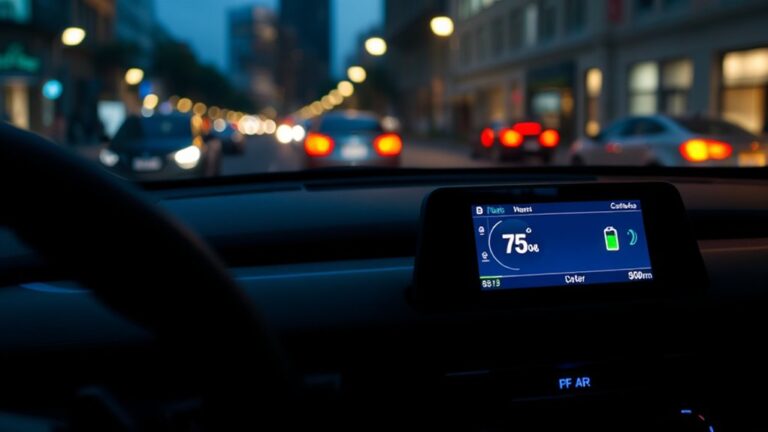
Monitoring your engine temperature is also important. Keep an eye on your dashboard gauges and warning lights. If the temperature starts rising above normal, pull over quickly and check out the issue.
Make sure there’s proper airflow around the radiator, avoid overcrowding the engine bay, and confirm your radiator cap is secure. These simple steps help keep your engine running smoothly and prevent overheating.
When Should You Seek Professional Help for Overheating and Knocking?
If your engine keeps overheating even after you’ve tried to cool it down, it’s probably a good idea to see a mechanic. Overheating can be a sign of something more serious going on, so don’t brush it off.
And if you start hearing strange noises like knocking or ticking coming from your engine, that’s another red flag. These sounds can indicate underlying issues that might get worse if you ignore them.
Basically, whenever these problems stick around or seem to get worse, it’s best to get professional help sooner rather than later. Addressing them early can save you from costly repairs down the line.
Persistent Overheating Signs
Recognizing the signs of persistent overheating is crucial because ignoring them can lead to serious engine damage. If you notice any of these signs, it’s time to seek professional help:
- Your temperature gauge stays high or fluctuates rapidly.
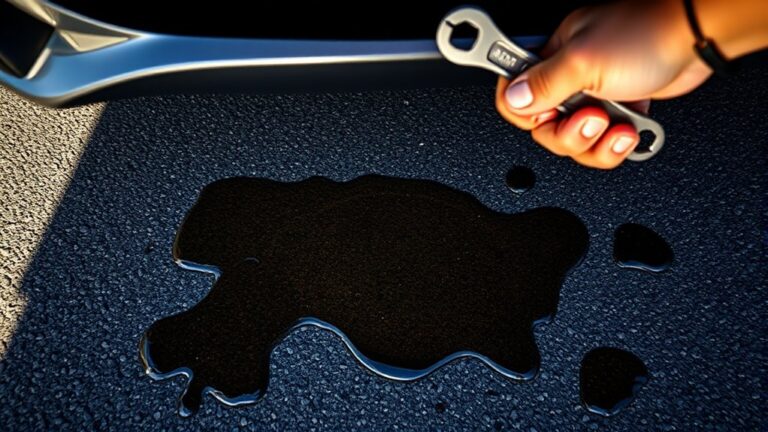
- You see coolant leaks or puddles under your vehicle.
- The heater isn’t providing warm air, which might mean coolant or thermostat issues.
- The engine emits a burning smell or steam, indicating coolant failures or overheating.
Persistent overheating often happens because of coolant failures or thermostat problems, which can make the engine run hotter than normal. Ignoring these signs can cause severe damage, like warped parts or even engine failure.
Address these symptoms quickly to keep your vehicle healthy and avoid costly repairs.
Unusual Engine Noises
When your engine starts making unusual noises, it’s a clear sign that something isn’t right, especially if your vehicle has been overheating or knocking. Ignoring these sounds can lead to more damage, so it’s important to address them quickly.
Unusual engine noises like knocking, ticking, or pounding often mean there’s a problem that needs professional attention. These sounds may come from engine parts struggling due to excessive heat or lack of proper lubrication.
If you notice loud or persistent noises, don’t wait to get help. A mechanic can find out what’s causing the issue and fix it before it turns into a costly repair. Regular inspections and prompt repairs help keep your engine healthy and ensure your vehicle runs smoothly, especially when overheating or knocking.
Summary: Keeping Your Engine Cool and Silent
Keeping your engine cool and quiet is key to ensuring it runs smoothly and lasts longer. Proper cooling helps prevent overheating, which can cause knocking and other damage.
Make sure to regularly check and top off your coolant levels so your engine stays properly cooled. It’s also a good idea to inspect your radiator and hoses for leaks or blockages that could mess with temperature regulation.
Keeping your radiator clean and free of debris is essential for good heat dissipation. Plus, using high-quality oil and changing it at the right times helps reduce friction and manage heat effectively.
Frequently Asked Questions
Can Low-Quality Fuel Cause Engine Knocking During Overheating?
Yes, low-quality fuel can cause engine knocking during overheating. Poor fuel often lacks the proper additives that help smooth out combustion.
This can lead to knocking, especially when the engine is already under stress from high temperatures. To avoid this, consider using fuel with quality additives designed to improve combustion.
Also, engine tuning can help optimize performance and reduce knocking caused by low-quality fuel and overheating. Regular maintenance is key to keeping your engine running smoothly under stress.
How Does Coolant Type Influence Overheating and Knocking Risks?
Your coolant type greatly influences overheating and knocking risks because of its coolant properties. Using the right coolant guarantees effective temperature management, preventing the engine from reaching critical temperatures that cause knocking.
A high-quality coolant maintains the ideal engine temperature, reducing the chances of overheating. Make sure to choose a coolant compatible with your vehicle, check levels regularly, and flush the system as recommended.
Keeping your cooling system in check helps maintain proper temperature control and minimizes knocking risks.
Are There Specific Engine Models More Prone to Knocking From Overheating?
Are some engine models more susceptible to knocking from overheating? Yes, engines with higher compression ratios, like turbocharged or high-performance designs, tend to be more prone. Their engine setup and timing adjustments make them sensitive to temperature increases.
Using fuel with lower octane can make knocking worse, especially when the engine overheats. So, if you drive a performance vehicle, keep an eye on your cooling system and fuel quality to prevent engine knock.
Can After-Market Modifications Increase the Likelihood of Knocking When Overheating?
Yes, aftermarket modifications like tuning and performance upgrades can increase the risk of knocking when overheating. These upgrades often raise the engine’s compression or alter timing, making it more sensitive to heat.
When your engine overheats, these changes can cause knocking or pinging. To avoid damage, make sure your cooling system is upgraded accordingly, and be cautious with modifications that push your engine beyond its original design limits.
Does Ambient Temperature Affect the Relationship Between Overheating and Knocking?
Yes, ambient temperature affects how overheating impacts engine knocking. Higher temperatures can increase your engine’s thermal load, which reduces efficiency and makes fuel combustion less controlled.
This makes knocking more likely during overheating because hot air can interfere with proper ignition timing. Cooler temperatures help keep the engine’s thermal conditions ideal, leading to smoother combustion.
As a result, the risk of knocking caused by overheating is lower in cooler weather. Maintaining optimal ambient temperatures helps your engine run more smoothly and reduces knocking.
Conclusion
Think of your engine as a delicate symphony—each part must play in harmony. Overheating and knocking are like discordant notes that threaten to ruin the melody.
By staying vigilant and maintaining proper cooling, you keep the tune smooth and steady. Remember, your engine’s health is like the conductor’s baton guiding your vehicle safely down the road.
Keep it cool, keep it quiet, and enjoy the ride without missing a beat. Overheating can lead to engine knock, so taking care of your cooling system is key to preventing those unwanted noises.