Should a Car Seat Be in the Middle? Safety Tips for Parents
Many parents find themselves wondering whether placing their child’s car seat in the middle offers the best safety. You’re not alone—this is a common concern and one that many struggle with as they try to balance safety and practicality.
Placing your child’s car seat in the middle can offer maximum protection from side impacts and evenly distributes crash forces. However, safety depends on proper installation and your vehicle’s features, like available anchoring points.
Sometimes, the middle seat isn’t practical due to space constraints or difficulty securing the seat.
For the best safety tips and tips on installation, keep exploring; you’ll find essential advice to make sure your child’s seat is secure and safe.
Key Takeaways
- The middle seat can offer better protection from side impacts and helps spread out crash forces more evenly.
- No matter where you place the seat, making sure it’s installed correctly by following the manufacturer’s instructions is key.
- Sometimes, limited space or missing anchoring points make side seats a safer option in certain vehicles.
- Regularly check that the car seat is securely in place and doesn’t move more than an inch.
- Take a close look at your vehicle and car seat to find the safest and most secure spot for your child.
Is the Middle Seat the Safest Place for Your Child’s Car Seat?
Many parents wonder whether the middle seat is the safest spot for their child’s car seat.
There are common misconceptions about the middle seat that often lead to this question.
Some believe that the middle offers the best protection because it’s away from side impacts.
But child safety myths can be misleading.
The truth is, the safest seat depends on the vehicle and the situation.
The safest seat varies based on your vehicle and specific circumstances.
While the middle seat can provide extra protection in some cases, it’s not always the best choice.
This is especially true if the seat isn’t properly installed or if there are no clear anchoring points.
Proper installation, no matter where the seat is placed, is what matters most for safety.
Always follow the manufacturer’s instructions and double-check that the seat is secure.
Remember, the goal is to install the car seat correctly and pick a position with the best chance of protection.
Sometimes that might not be the middle seat at all.
Benefits of Installing a Car Seat in the Middle
Installing a car seat in the middle of the back seat offers some clear safety advantages because it’s usually the most protected spot in a vehicle during a side impact.
This position keeps your child away from direct contact with side doors and windows, which can help reduce injury risk. The middle seat also helps spread crash forces evenly across the vehicle’s structure, boosting safety.
Some people think placing the seat in the middle isn’t as secure, but when you install it properly, it’s just as safe as side positions. Plus, it keeps your child away from door openings and lessens distractions for the driver.
Challenges of Using the Middle Seat for Car Seat Placement
Placing your child’s car seat in the middle seat can be pretty tricky. For starters, it often doesn’t offer as much space or comfort as the other spots. You might find it tough to get the seat secured correctly, and making sure your child has enough room to move around can be a challenge too.
Plus, reaching the seat for installation or adjustments isn’t always easy. It can be more awkward and less convenient compared to putting it in the side seats. So, while the middle seat might seem like a good idea for safety, it definitely comes with its own set of challenges.
Limited Space and Comfort
While placing a car seat in the middle seat might seem like a good way to keep your child safe and prevent side collisions, it often comes with challenges related to limited space and comfort. The middle seat usually offers less legroom, making it harder for your child to sit comfortably, especially on longer trips.
Seating arrangements can also feel cramped because the space around the car seat may be tight. This can affect your child’s ability to move or adjust comfortably. You might find it harder to install the car seat securely due to the tight fit, and comfort could be sacrificed for your child.
Difficult Installation Access
Positioning a car seat in the middle seat can be tricky because access is often limited. Reaching the seat belt or harness setup might be difficult, especially if the space feels tight.
Using the right installation tools like a locking clip or level indicator can help ensure the seat is secure. Securing the seat with the seat belt in the middle can be challenging because it’s harder to tighten and check the proper tension.
You might need to adjust your position or ask for help to get a snug, stable fit. Be sure to check the manufacturer’s instructions for guidance on installing in the middle seat, as some vehicles have limited access that can make things more complicated.
Patience and the right tools are key to making sure your child’s seat is installed safely and securely.
How to Properly Install a Car Seat in the Center
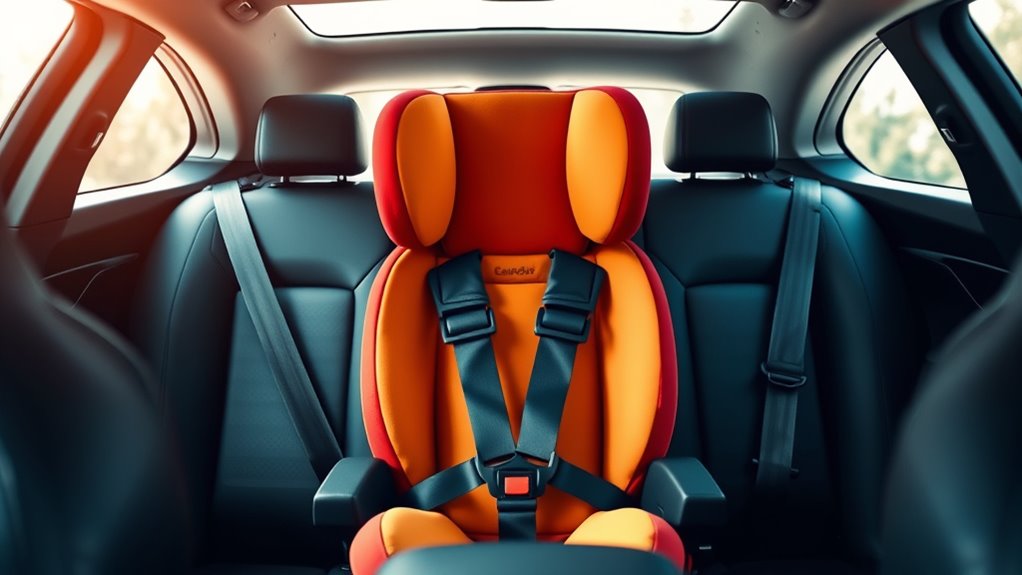
Installing a car seat in the center of the back seat gives your child extra protection in a crash.
Start by checking your vehicle’s safety standards and the car seat’s instructions. Make sure the seat is positioned upright and secured tightly.
Use the right installation method, like the LATCH system or seat belt. When using LATCH, connect the anchors firmly and check for minimal slack.
If you’re using a seat belt, thread it through the correct path and lock it into place. Pull tight to remove any slack.
Make sure the seat doesn’t wobble more than an inch side to side or front to back.
Always double-check your work by pressing on the seat to ensure it’s securely fastened.
Proper installation is key for safety and meeting safety standards. It helps give your child the best protection in case of an accident.
When Should You Place the Car Seat on the Side?
There are times when placing the car seat on the side is the safest choice. For example, if your vehicle’s middle seat is narrow or doesn’t have proper anchoring points.
If your car seat options are limited in the middle or the seatbelt system isn’t secure enough, the side seat becomes a better choice. Side seats often offer better protection during side impact crashes because they absorb crash forces more effectively.
Also, if the middle seat doesn’t have a top tether or lower anchors, it’s safer to install the car seat on the side where you can ensure a snug fit. Always check that the side seat provides a secure installation and that the car seat stays stable.
Features That Make Middle Seat Installation Safer
Installing a car seat in the middle seat can actually give your child better protection in a crash and help reduce the risks from side impacts. It’s like having an extra layer of safety right in the middle of your vehicle.
Plus, many modern cars come with features that make installing a car seat in the middle seat safer. Things like reinforced side panels and advanced anchoring systems really make a difference.
Enhanced Crash Protection
The middle seat can be one of the safest spots in your vehicle, thanks to features designed specifically for better crash protection. Its seat structure often provides more support and rigidity, which helps absorb crash energy more effectively.
Modern car seats are engineered to improve crash dynamics, reducing the force transferred to your child during a collision. Many vehicles also include reinforced side panels, adding extra stability and protection in a crash.
When you install your car seat in the middle, you’re maximizing its ability to withstand impact forces. These features work together to create a safer environment for your child, making the middle seat a smart choice for added crash protection.
Always check that your vehicle’s seat structure and safety features are in good condition for the best results.
Reduced Side Impact Risks
Several features in modern vehicles help reduce side impact risks when your child’s car seat is placed in the middle seat. These features improve crash dynamics and minimize injury during a side impact collision.
Vehicles with reinforced doors or side airbags provide extra protection, safeguarding your child from side impact forces. The structural design of the vehicle often directs crash energy away from the middle seat, further enhancing safety.
Furthermore, some cars include side-impact beams that strengthen the door frame, offering increased resistance during a crash. Other features like reinforced door panels with side airbags, high-strength materials in door frames, and advanced crash sensors for deployment also contribute to safety.
Choosing the Best Car Seat Placement for Your Vehicle
Choosing the right spot for your child’s car seat is key for their safety and your peace of mind. You want to pick a spot that works well with your vehicle and matches your car seat’s type and compatibility.
The back seat is generally the safest place, especially away from airbags. If your car has a center seat, it often offers the best protection, but only if your car seat fits well there. Always check your car seat manufacturer’s guidelines for compatibility with your vehicle.
Here’s a quick comparison:
| Placement Option | Pros |
|---|---|
| Middle of the back seat | Offers the best protection and reduces side impact risks |
| Behind the passenger side | Easier to reach and has a good safety record |
| Behind the driver side | Convenient and often works with more car seat types |
| Front seat | Not recommended unless there’s no rear seat available |
Always double-check that your vehicle and car seat are compatible before installing.
Tips for Ensuring a Secure and Proper Fit in the Middle
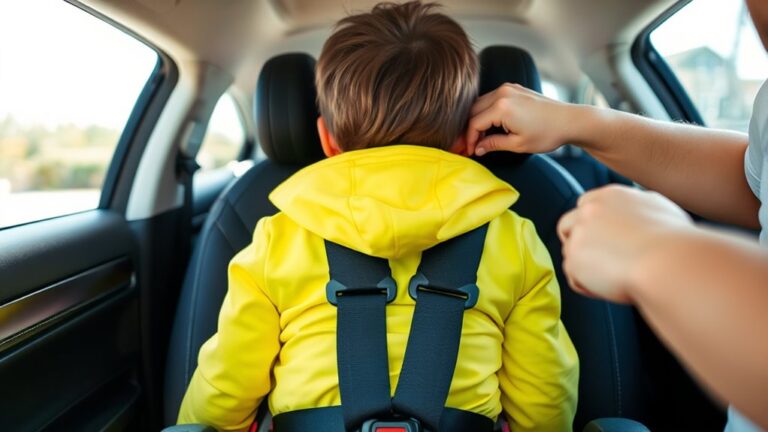
To keep your little one safe in the middle seat, first make sure the seat belt is snug and properly positioned across their hips and chest. It might seem simple, but taking that extra moment to check can make a big difference.
Also, don’t forget to secure the car seat tightly. You want it to be steady—no wobbles or shifts when you give it a gentle push. It’s a good idea to do regular safety checks as your child grows, just to make sure everything stays in place and secure.
Correct Seat Belt Positioning
Making sure your child’s seat belt fits properly in the middle seat is essential for their safety. Proper positioning keeps the seat belt in the right place during a crash or sudden stop.
To do this, ensure the lap belt sits low and snug across the hips, not the stomach. The shoulder belt should cross the chest without cutting into the neck.
Adjust the seat belt so it fits snugly without slack, and keep it flat against the body. Avoid twists or bunches in the belt for maximum effectiveness.
Check the fit regularly as your child grows. Remember, a well-positioned seat belt minimizes injury risk and provides the best protection.
- Make sure the lap belt is low and snug around the hips.
- Position the shoulder belt across the chest, not the neck.
- Remove twists or slack in the seat belt.
- Adjust the seat belt as your child grows.
- Check frequently for correct positioning.
Securing the Car Seat Properly
Securing your child’s car seat tightly in the middle seat is essential for their safety and peace of mind. Make sure the car seat’s base fits well with your vehicle and the latch system. Proper installation helps prevent movement and keeps your child safe.
| Compatibility | Installation Method | Tips |
|---|---|---|
| Base fit | LATCH system or seat belt | Confirm the base clicks securely. |
| Vehicle type | Follow the manufacturer’s instructions | Tighten straps all the way. |
| Seat model | Use the right anchors | Check that the seat moves less than 1 inch. |
| Latch system | Engage and lock properly | Periodically check that everything stays secure. |
Regular Safety Checks
Regular safety checks are essential to make sure your child’s car seat stays properly installed and secure over time. Doing these inspections regularly can catch any loosening or shifting that might happen with daily use.
Make checking your car seat part of your routine, especially after long trips or if you’ve had an accident. Ensure the seat is tightly anchored, especially in the middle position where stability matters most.
Check the harness straps to make sure they’re snug and free of wear. Verify that the seat is level and properly reclined for comfort and safety.
Inspect the locking clips and LATCH system to confirm they’re securely attached. Look for any cracks or damage in the seat shell that could compromise safety.
Finally, test the seat’s movement. It shouldn’t shift more than an inch when you try to move it. Regular checks help keep your child’s safety a top priority.
Common Mistakes to Avoid When Installing in the Middle
Installing a car seat in the middle of the back seat can be a great way to keep your child safe, but it’s easy to make mistakes that compromise its effectiveness. One common mistake is falling into installation errors, like not securing the seat tightly enough or not following the manufacturer’s instructions correctly.
Positioning issues are also common; for example, the seat might not sit flush against the seatback or could be at an improper angle. These mistakes can reduce the seat’s ability to protect your child in a crash.
Always double-check that the car seat is tightly installed, with minimal movement, and that the harness is properly positioned at the right height. Avoid using attachments or connectors incorrectly, and make sure the seat is level.
Taking the time to carefully install the seat and avoid these common errors will maximize your child’s safety in the middle seat.
Expert Tips for Maximizing Car Seat Safety on the Road
To maximize your child’s safety on the road, staying vigilant and proactive is key. Proper installation techniques are essential to ensure the car seat provides the best protection. Always read the manufacturer’s instructions carefully and double-check every time you install or adjust the seat.
Regularly inspect the seat’s position and harness fit as your child grows. Keep the seat in good condition and replace it after a crash or if it shows signs of damage. The safest position is usually the middle seat, but if that’s unavailable, rear-facing seats in the back are best.
Verify that the seat is tightly secured with minimal movement. Use the tether strap for forward-facing seats. Keep harness straps snug against your child’s body, and avoid bulky clothing that can interfere with harness fit.
Schedule regular safety checks to confirm proper installation and ensure your child’s safety on every trip.
Frequently Asked Questions
Can the Middle Seat Accommodate All Car Seat Types Safely?
The middle seat can often fit most car seat types safely, but it’s important to check your vehicle’s manual for compatibility.
One of the main advantages of the middle seat is better protection in a crash and less risk from side impacts.
Just make sure the car seat is secure and installed correctly.
If your car seat doesn’t fit properly or feels loose, it’s best to look for other seating options to keep your child safe.
Are There Vehicle Models That Restrict Middle Seat Installation?
Yes, some vehicle models restrict middle seat installation because of their design. It’s a good idea to check your vehicle’s owner manual or safety guidelines to see if the middle seat is safe for a car seat.
Certain cars don’t have the proper anchor points or have limited space, which can make installing a car seat unsafe or impossible in the middle seat. Always prioritize your vehicle’s safety features when installing a car seat.
If you’re unsure, consider consulting a professional to make sure your child’s seat is installed correctly and securely. That way, you can be confident your child is protected on the road.
How Does Side Curtain Airbag Deployment Affect Middle Seat Safety?
Think of side curtain airbags as protective curtains that can suddenly drop during a crash, creating a whirlwind around your child’s seat. Their deployment can impact seat safety by possibly causing injury if the car seat is placed too close to the doors.
While airbags are highly effective for adult safety, you should make sure the car seat stays snug and properly positioned. Keep it away from the airbag’s deployment zone for the best protection.
Is It Easier to Install a Car Seat in the Middle With a Seat Belt or LATCH?
Installing a car seat in the middle is generally easier with a seat belt because it offers more flexibility and compatibility across different vehicle models.
LATCH systems can be more straightforward, especially in outer seats, but may be limited in the middle depending on your car’s design.
Always check your vehicle’s safety ratings and installation instructions to guarantee the best safety and ease of installation for your child’s seat.
What Should I Do if My Vehicle Lacks a Dedicated Middle Seat Anchor?
If your vehicle lacks a dedicated middle seat anchor, think of it like trying to balance a tightrope without a safety net. You can still keep your child safe using top tether anchors and seat belt installations as alternatives.
Always double-check your vehicle’s manual and follow best practices. Consider a professional inspection to make sure your installation is secure, even without a dedicated anchor.
Conclusion
While many believe the middle seat is safest for your child’s car seat, studies show that proper installation and securing your child correctly matter most.
The idea that the middle offers better protection isn’t foolproof. It can be tricky to install correctly and isn’t always practical in every vehicle.
Focus on choosing the safest, most secure spot in your car. Make sure the car seat fits properly and follow expert tips to keep your child safe on every trip.
When it comes to car seat safety, the best choice is the spot that provides a secure fit and proper installation, not just the middle seat.