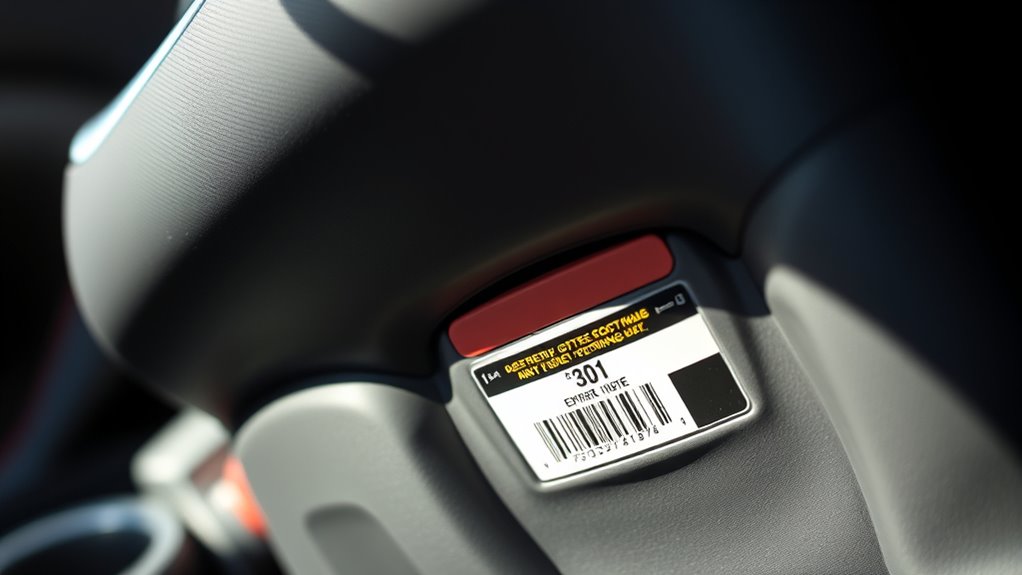
Where to Find Graco Car Seat Expiration Date Easily
Many parents feel overwhelmed trying to keep track of their child’s safety gear, especially when it comes to car seats. You’re not alone—figuring out where the expiration date is can be tricky.
Luckily, finding your Graco car seat’s expiration date is easier than you think.
To find your Graco car seat’s expiration date easily, check the bottom of the seat for molded or printed dates, or look on the back or sides for labels or stickers.
Sometimes, the date can be embossed or hidden under fabric, so just lift or clean areas carefully.
Usually, the expiration date is listed as month/year.
Keep exploring these spots, and you’ll uncover more helpful tips to keep your child safe and secure.
Key Takeaways
- Check the bottom of the car seat for molded or printed expiration date labels.
- Inspect the back of the seat shell for stickers or embossed manufacturing codes.
- Look along the sides of the seat for date displays or labels.
- Open the harness compartment to find stickers indicating the expiration date.
- Examine accessible plastic or metal parts near the base for any printed or embossed dates.
Why Checking Your Graco Car Seat’s Expiration Date Matters
Knowing your Graco car seat’s expiration date is essential because it guarantees your child’s safety. Over time, the materials in the seat, like plastics and foam, weaken, which can compromise its effectiveness during a crash. Ignoring the expiration date can lead to safety issues since the seat might no longer meet the latest safety standards.
Regulatory standards for car seats evolve, and manufacturers update designs to improve crash protection. Using an expired seat means you might miss out on these improvements. An expired car seat might also have cracks, fading, or damaged harnesses, reducing its reliability.
Checking the expiration date confirms you’re using a seat that follows current safety standards and keeps its structural integrity. Staying aware of your Graco car seat’s expiration helps you make informed decisions and keeps your child safe every time you hit the road.
Where to Find the Expiration Date on a Graco Car Seat
Ever wonder where to find the expiration date on your Graco car seat? It’s usually stamped directly on the seat itself, making it easy to stay on top of your car seat maintenance. Check these common spots:
- Bottom of the seat: Look underneath for a molded or printed date.
- Back of the shell: Inspect the rear for a label or embossed code.
- Side of the seat: Some models display the date on the side panels.
- Inside the harness compartment: Open the cover to find a sticker with the expiration info.
- Near the base or frame: Examine any accessible metal or plastic parts.
Knowing where to find the expiration date helps you confirm your car seat meets current safety standards. Regularly checking this info keeps your child safe and your vehicle compliant with safety standards, making car seat maintenance easier.
How to Locate Labels and Stickers on Your Car Seat
Looking for the labels and stickers on your car seat? Start by checking the usual spots like the back of the seat, the bottom, and the sides. Sometimes, these stickers can be tucked away or hidden under fabric, so give the seat a good look and maybe give it a quick clean or adjust the fabric if needed.
Once you spot the stickers, take your time to read the details carefully. Pay special attention to any dates listed, like manufacturing or expiration dates, to find the specific information you’re after. It’s all about being thorough and patient to make sure you get the right details.
Common Label Locations
Most Graco car seats have their expiration date labels in specific, easy-to-find spots. Knowing where to look makes checking the label quick and stress-free.
The placement can vary depending on the model, so it’s a good idea to check common areas like the seat’s bottom, back, or sides. These labels are often small, durable stickers or tags made to withstand wear and tear.
Look for these key spots:
- The underside of the seat
- The backrest near the harness
- The bottom of the seat shell
- The side panels
- Inside the seat cushion
Finding these labels gives you peace of mind, knowing you’re prioritizing your child’s safety and staying within the expiration date.
Sticker Visibility Tips
Since the expiration date labels on Graco car seats can be small and sometimes hard to spot, it’s helpful to know where to look and how to see them clearly. Sticker placement varies, but common spots include the bottom, back, or side of the seat.
To improve visibility, check in well-lit areas and use a flashlight if needed. Keep in mind that sticker size and color contrast are factors that influence how easily you can read the label.
Wiping the surface gently can also reveal faded or tucked-away stickers. Remember, patience is key; some labels are concealed beneath fabric or padding, so gently move or peel back material if necessary.
Being thorough guarantees you don’t miss the expiration date.
Reading Label Details
Car seat labels are usually placed in specific spots, and sometimes they’re hidden. Knowing where to look can save you time and hassle.
To find the expiration date, carefully check the label on your Graco car seat. Look for stickers or molded-in labels that show safety info and manufacturing details.
These labels are often on the bottom, back, or side of the seat. When reading the label, pay close attention to the date—it indicates when the seat expires.
Recognizing these details ensures you’re following safety guidelines and keeping your child safe.
Feel confident knowing exactly where to check, so you don’t overlook vital expiration info.
This helps you confirm your seat meets current safety standards and protects your child.
Plus, knowing the right spots to inspect can save you time and frustration.
How to Read the Expiration Date and Manufacturing Date
To accurately determine the expiration and manufacturing dates on your Graco car seat, locate the label usually found on the underside, back, or near the seat’s base. The label shows the expiration date in different formats, often as a month and year like 12/2025.
Some models display a clear expiration date, while others use manufacturing date codes. These codes are typically a series of numbers and letters indicating the production month and year, such as “M1234” or “03/2019.”
You’ll need to interpret these codes based on Graco’s coding system, which is usually explained in the user manual or available online. Recognizing the formats and decoding the codes correctly helps ensure your car seat is used within its safe lifespan, keeping your child secure during every ride.
Understanding When Your Car Seat Expires
Your car seat usually expires somewhere between six to ten years, but that’s not set in stone. It really depends on a few things like how often you use it, how much sun it’s been exposed to, and whether it’s been in any accidents.
Getting to know these factors can help you figure out when it’s time to get a new seat and keep your little one safe. It’s always better to be cautious and replace the seat if you’re unsure—because safety comes first!
Typical Expiration Timeline
Keep in mind:
The expiration date is set to protect your child’s well-being.
Manufacturing date determines the expiry.
Regular use speeds up wear and tear.
Exposure to sunlight weakens plastics.
Age can affect safety even if there’s no visible damage.
Factors Influencing Lifespan
Several factors can influence how long a car seat remains safe to use, so it’s important to know what can speed up its aging process. Material durability is a big factor; plastics, foam, and fabrics can weaken over time, especially when exposed to sunlight and temperature changes.
How often you use the seat also matters. Regular use, like daily commutes, can cause more wear and tear. Additionally, how you clean and store the seat impacts its condition. Moving or adjusting the seat frequently can lead to faster deterioration.
Look out for signs like cracks, fading, or worn straps. These indicate the material has degraded. Understanding these factors helps you know when it’s time to replace the seat, keeping your child’s safety a top priority.
What to Do If You Can’t Find the Expiration Date?
If you can’t locate the expiration date on your Graco car seat, don’t panic. Sometimes, labels wear off or are hard to find. Instead, look for other ways to determine if the seat is still safe to use.
Check the user manual for expiration info. Many manuals include details about how long the seat is safe for use. You can also look for the manufacturing date stamped into the plastic or fabric of the seat.
If you’re still unsure, contact Graco customer support for guidance. They can help you figure out the age of your seat or tell you what to do next. Visiting their website can also provide specific expiration-related details.
If you’re concerned about the seat’s age or condition, consider replacing it. When in doubt, it’s always better to be safe. Remember, car seat safety is a top priority, and replacing an old or unverified seat is the safest choice.
Tips to Keep Your Graco Car Seat in Good Shape
Maintaining your Graco car seat in good condition guarantees it remains safe and effective for your child’s use. Regular car seat maintenance is essential, so clean the harness straps and buckles with a damp cloth and mild soap, avoiding harsh chemicals that could weaken materials.
Keeping your Graco car seat clean and well-maintained ensures ongoing safety and effectiveness for your child.
Periodically check for signs of wear, such as frayed fabric or cracked plastic, and address issues promptly. Conduct safety inspections regularly, confirming all parts are secure and functions operate smoothly.
Keep the seat in a cool, dry place away from direct sunlight to prevent material degradation. Follow the manufacturer’s instructions for proper installation and adjustments, and avoid modifications that could compromise safety.
When cleaning or inspecting, always refer to the user manual for specific guidance. These simple steps help prolong the lifespan of your Graco car seat and guarantee it continues providing the protection your child needs.
When to Replace Your Car Seat Based on Expiration
Your car seat usually has an expiration date that you should keep in mind, which is generally about six to ten years from when it was made. It’s a good idea to check the date stamped on the seat, just so you’re aware of when it might be time to think about replacing it.
Also, keep an eye out for any signs of wear and tear — things like cracks, fading, or damaged parts. If you notice any of these, it’s probably time to get a new seat. When in doubt, it’s always better to be safe and switch it out rather than risk your child’s safety.
Typical Expiration Timeline
Most car seats come with a recommended lifespan of six to ten years from the date of manufacture. During this time, safety regulations and manufacturing standards evolve, so it’s important to replace your seat once it reaches the expiration date.
Knowing this typical timeline helps you prioritize your child’s safety. Trust that your child’s safety is worth the wait to replace an expired seat.
Feel confident knowing you’re meeting the latest safety standards. Avoid risking injuries due to material degradation or outdated design.
Peace of mind comes from knowing your seat complies with current safety regulations. Protect your little one with a seat built to uphold the highest standards.
Signs of Wear
While the expiration date is a key indicator, visible signs of wear are also important for deciding if your car seat needs replacing. Regularly check the wear indicators, fabric condition, and structural integrity.
If the fabric is frayed, torn, or faded, it’s time to replace the seat. Also, look for cracks or damage in the plastic shell and straps that don’t hold tension.
Wear indicators help spot early deterioration, but physical signs are more telling. Here’s a quick overview:
| Wear Indicators | Fabric Condition | Structural Integrity |
|---|---|---|
| Cracks or dents | Frayed or torn fabric | Loose or broken parts |
| Fading or discoloration | Stained fabric | Warped or broken shell |
| Worn straps | Mold or mildew | Compromised safety features |
Replace your seat if any of these signs are present.
Common Mistakes to Avoid When Checking the Expiration Date
One common mistake is assuming the expiration date is always printed in the same place or format. This can lead to missed deadlines or unsafe use. Don’t fall for expiration myths that suggest all labels are identical; label confusion can make finding the date frustrating. Be aware that some seats hide the date in unexpected spots or use different symbols.
Never assume all expiration labels look or are placed the same—stay vigilant to avoid missing crucial dates.
To avoid mistakes:
- Don’t overlook small or faded labels that blend into the seat’s material.
- Avoid assuming the date format is consistent across models.
- Don’t ignore the possibility of different locations for the expiration date on various seats.
- Stay cautious of outdated information from older manuals or sources.
- Always double-check the seat’s manufacturer date, as it’s often linked to expiration.
Ensuring Your Child’s Safety With Up-To-Date Car Seats
Keeping your child’s safety a top priority means making sure their car seat is always up to date with the latest safety standards and features. Regular maintenance is key to keeping your child safe and avoiding potential hazards.
Check the expiration date often, since using an expired seat can compromise safety. An up-to-date car seat usually has new safety features that older models might lack, offering better protection during a crash.
Always follow the manufacturer’s instructions for installation and maintenance. This helps ensure a proper fit and functioning seat. Replace any worn or damaged parts right away, and avoid modifications that could make the seat unsafe.
Staying informed about recalls or updates related to your specific model also boosts safety. Remember, a well-maintained, current car seat significantly reduces injury risks and gives you peace of mind on every trip.
Prioritize regular checks and maintenance to keep your child safe and secure every time you hit the road.
Frequently Asked Questions
Can I Use My Graco Car Seat After the Expiration Date?
You shouldn’t use your Graco car seat after its expiration date because of safety concerns. Over time, materials weaken, and it might not keep your child safe during a crash.
Using an expired seat puts your child’s safety at risk. Always check the expiration date and replace the seat when it’s past due to ensure maximum protection.
Prioritizing safety helps keep your child secure during every trip. It’s the best way to make sure they’re protected in case of an accident.
Do All Graco Car Seats Have the Same Expiration Date Location?
No, not all Graco car seats have the same expiration date locations. You should check the label for the expiration date, which can be found in different spots depending on the model. Usually, it’s on the bottom, back, or side of the seat.
This is really important for safety because an expired seat might not protect your child properly. Always look at your specific model’s manual or labels to make sure you can easily find the expiration date.
How Long Is a Typical Graco Car Seat Valid For?
Think of your Graco car seat as a trusted ship, guiding you safely through regulations and protecting your child. Typically, it’s valid for about six years from the manufacturing date.
After that, its materials can weaken, and safety features may diminish. Regular maintenance and checking expiration dates are key to keeping your seat safe and your little one secure on every trip.
Are There Any Signs to Identify a Expired Graco Car Seat?
You can tell if a Graco car seat has expired by looking for clear signs. Check for a faded or cracked label or a date that’s past the manufacturer’s recommended expiration.
Also, look for signs of wear like damaged harnesses or cracked plastic, which can make the seat unsafe.
If you see any of these signs or the expiration date has passed, it’s best to replace the seat. This helps keep your child as safe as possible.
Can I Replace Parts Instead of the Entire Car Seat?
Like a trusty Swiss Army knife, you can replace certain parts of your Graco car seat instead of buying a new one.
For proper car seat maintenance and to make sure safety features work correctly, check with the manufacturer or a certified technician before swapping parts.
Keep in mind, some components may not be replaceable, and if the seat’s past its expiration, replacing it entirely is the safest choice for your child’s protection.
Conclusion
Keeping your Graco car seat’s expiration date in mind isn’t just about compliance. It’s about keeping your child safe. Even if it looks fine, the materials can weaken over time.
Don’t assume a seat with no visible damage is still safe. Always check the date. Staying informed and proactive guarantees your little one rides securely.
Knowing how to find the expiration date easily is key. Most Graco car seats have the date printed on the bottom or side. It’s a quick check that can make a big difference.
After all, up-to-date gear is the best safeguard for your child’s well-being. Regularly checking the expiration date ensures you’re doing everything to keep your child safe.