How to Fix Black Spark Plugs: Easy Cleaning & Replacement Tips
If you’re dealing with engine performance issues or just want your car to run smoothly, black spark plugs can be a common headache. Many people struggle with fouled or worn plugs, and it’s easy to feel stuck trying to figure out how to fix them.
If your spark plugs are blackened, start by inspecting them for cracks, heavy carbon buildup, or worn electrodes.
Clean lightly fouled plugs with a wire brush or soak stubborn deposits in a mild solvent, then dry thoroughly before reinstalling. Severe wear or damage means you should replace them instead.
Regular checks, using quality tools, and following maintenance schedules help prevent fouling and keep your engine running smoothly.
Keep going to uncover more tips for maintaining your spark plugs effectively.
Key Takeaways
- Inspect the spark plugs for cracks, corrosion, and carbon buildup to see if they need cleaning or replacing.
- Clean blackened spark plugs with a wire brush or carburetor cleaner. Replace them if they’re heavily worn or cracked.
- Use the right tools like a torque wrench to reinstall the spark plugs correctly and avoid damage during maintenance.
- Regularly check and replace your air filters, and use good quality fuel to prevent carbon buildup on the spark plugs.
- If your engine misfires or runs poorly, troubleshoot these issues to figure out if the spark plugs need cleaning or replacement.
Why Are My Spark Plugs Black and What Does It Mean?
Have you noticed your spark plugs are black and wondered what it means? Black spark plugs usually point to some underlying issues, often related to the air-fuel mixture or combustion problems.
Black spark plugs indicate potential air-fuel mixture or combustion issues needing attention.
When your engine runs too rich—that is, with too much fuel—the spark plugs can get fouled with carbon deposits. These deposits look black and oily, indicating incomplete combustion.
Issues like a faulty fuel pressure regulator or a clogged air filter can cause improper air-fuel ratios, leading to the blackening of spark plugs.
Worn spark plugs or ignition timing problems can also contribute to poor combustion and buildup.
If you ignore these signs, it can lead to misfires, lower fuel efficiency, and overall engine performance decline.
Recognizing blackened spark plugs as a sign of combustion issues helps you catch problems early.
This way, you can take steps to fix them before more serious damage happens.
How to Inspect Your Spark Plugs to Assess Damage
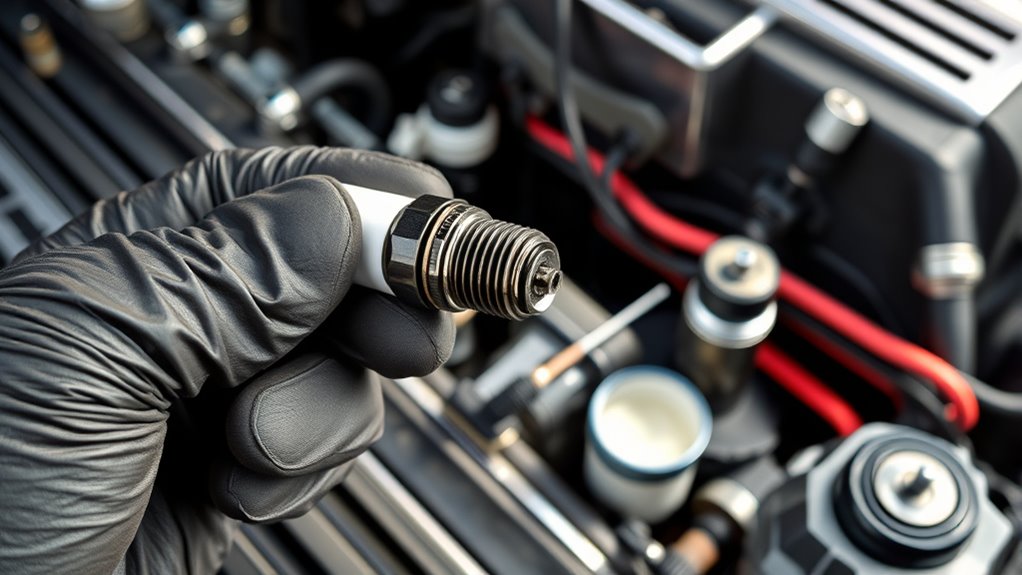
To check your spark plugs for any damage, begin with a simple visual inspection. Look for cracks, corrosion, or a heavy buildup of carbon on the plug. These can be signs that your spark plug isn’t working as well as it should.
Next, take a close look at the electrode tip. If you see signs of excessive wear or erosion, it could be affecting your engine’s performance. When you spot any of these issues, it’s probably time to either clean the spark plugs or consider replacing them altogether.
Visual Inspection Techniques
A thorough visual inspection is your first step in diagnosing spark plug issues. Use the inspection checklist to spot visual cues indicating damage or fouling.
First, examine the electrode for carbon buildup or soot, which suggests incomplete combustion or oil contamination. Second, check for cracks or chips on the ceramic insulator, as these weaken the spark plug’s structure.
Third, look for corrosion or deposits around the terminal and threads, indicating moisture or chemical buildup. These visual cues help you assess the condition of your spark plugs quickly and accurately.
Keep your inspection focused on these key areas to determine if cleaning is enough or if replacement is necessary. A careful visual check prevents overlooking subtle damage that could affect engine performance.
Identifying Signs of Wear
Even if your spark plugs look okay visually, they can still show signs of wear that impact performance. Different spark plug types, like copper, platinum, or iridium, have varying wear indicators to watch for.
Check the electrode for erosion or rounding, which signals the plug is worn out. Look for a buildup of carbon deposits or oil, as these can cause misfires.
A damaged or worn spark plug may have a widened gap, reducing spark strength. Use a spark plug gapping tool to measure the gap if needed.
If the electrodes are dull, chipped, or heavily fouled, it’s time to replace or clean the plug. Regular inspection helps you catch early signs of wear before performance drops significantly.
When Should You Replace Spark Plugs Instead of Cleaning?
If your spark plugs look really worn out, like if the electrodes are eroded or there are cracks, it’s probably time to replace them rather than trying to clean them. You know, if your engine keeps misfiring or feels sluggish when you accelerate, that’s another sign that it’s time for new spark plugs.
And hey, if your spark plugs are really old or have lots of miles on them, swapping them out is a good idea to keep your engine running smoothly and at its best.
Severe Wear Indicators
Severe wear indicators on your spark plugs mean cleaning probably won’t do the trick anymore, and it’s time to replace them. Look out for signs like worn electrodes, eroded tips, or irregular wear patterns. These are clear clues that your spark plugs are hurting your engine’s performance.
You should replace your spark plugs when the electrodes are rounded or eroded past the point of creating a proper spark. If the wear patterns are uneven, it could point to misfiring issues. Heavy carbon buildup or damage that cleaning can’t fix is also a sign it’s time for new plugs.
Ignoring these signs can lead to worse fuel efficiency, rough idling, and engine misfires. When wear gets severe, replacing the spark plugs is the best way to keep your engine running smoothly.
Persistent Engine Issues
When your engine still runs poorly even after cleaning the spark plugs, it’s a clear sign you need to replace them. If the problems keep happening, your spark plugs might be beyond just cleaning, which can hurt your engine’s performance and fuel economy.
Think about replacing them if you notice these signs:
| Symptom | Cause | Action |
|---|---|---|
| Rough engine idling | Worn or damaged electrodes | Replace spark plugs |
| Poor acceleration | Misfiring spark plugs | Replace spark plugs |
| Decreased fuel efficiency | Fouled or burned-out plugs | Replace spark plugs |
| Engine stalling | Cracked or broken insulators | Replace spark plugs |
| Difficult cold starts | Excessive deposits | Replace spark plugs |
Replacing your spark plugs ensures your engine runs smoothly and uses fuel efficiently, helping prevent more serious damage down the line.
Age and Mileage Factors
As your vehicle ages and accumulates mileage, cleaning spark plugs alone often isn’t enough to keep your engine running at its best. The lifespan of a spark plug is directly affected by mileage, meaning that over time, they become less effective even if you clean them.
Generally, if your vehicle has traveled more than 30,000 miles for standard plugs or over 60,000 miles for long-life or iridium plugs, it’s time to replace them. Also, if you notice rough idling or misfires, those are signs you should consider replacing rather than just cleaning.
While cleaning can temporarily extend spark plug life, wear and deposits build up over time, reducing efficiency. Replacing spark plugs at the recommended intervals ensures optimal combustion, better fuel economy, and overall engine health, especially when the mileage indicates they’re nearing the end of their service life.
How to Clean Blackened Spark Plugs Effectively
Cleaning blackened spark plugs is pretty straightforward and can help restore their performance and make them last longer.
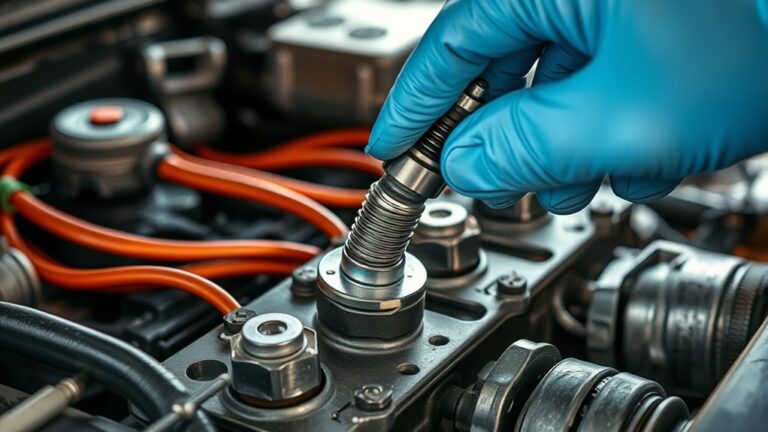
First, remove the spark plug from your engine. Take a close look at the electrode and insulator for heavy carbon buildup, which is what causes the blackening.
Use a wire brush or a special spark plug cleaning tool to scrub away the soot. Be careful to remove the deposits without damaging the ceramic insulator.
If the buildup is stubborn, soak the spark plug in a mix of carburetor cleaner or a mild solvent to loosen it up. After soaking, scrub again to make sure all the carbon is gone.
Rinse the spark plug with water and dry it thoroughly before putting it back in your engine. Good cleaning not only boosts engine performance but also helps spot any underlying issues that might be causing excessive carbon buildup.
Tools You’ll Need to Clean Your Spark Plugs
To effectively clean your spark plugs, you’ll need a few essential tools that make the job easier and safer. Proper maintenance tools ensure you remove carbon buildup efficiently and avoid damaging the spark plug.
First, you’ll want a spark plug socket, preferably with a rubber insert, to grip the plug securely without causing damage. Second, a wire brush or spark plug cleaning brush helps scrub off carbon deposits during cleaning.
Finally, a ratchet wrench makes it easier to loosen and remove spark plugs from the engine. Additional tools like a torque wrench can help ensure proper reinstallation.
Using these maintenance tools guarantees your spark plug cleaning process is thorough and safe. Keep in mind that quality tools make a difference, saving you time and effort while preventing damage to your spark plugs.
With the right tools, you’ll be well-equipped to handle blackened spark plugs quickly and effectively.
Preventive Tips to Avoid Black Spark Plugs in the Future
To keep your spark plugs clean and working properly, it’s a good idea to stick to regular engine maintenance and always use good quality fuel. Making sure your air intake isn’t blocked or dirty also plays a big role in preventing those pesky black deposits from forming.
Regular Engine Maintenance
Regular engine maintenance is essential for preventing black spark plugs and ensuring your vehicle runs smoothly. Sticking to a consistent maintenance schedule helps improve engine performance and reduces carbon buildup.
To keep your engine in top shape, focus on these key steps:
- Check and replace air filters regularly to make sure airflow stays proper.
- Use the recommended spark plug gaps and swap them out according to the manufacturer’s schedule.
- Keep up with oil changes to prevent fouling and maintain peak combustion.
Use Quality Fuel
Using high-quality fuel is a simple yet effective way to prevent black spark plugs from forming. Choose fuel with the right octane rating for your vehicle—using too low or too high octane can cause incomplete combustion, which leads to carbon buildup.
Picking fuels with the proper octane guarantees efficient burning and helps reduce deposits. Also, think about using fuel additives designed to keep your engine clean; these can prevent carbon and oil residue from building up on your spark plugs.
Regularly using quality fuel with the correct octane and helpful additives improves combustion, cuts down on fouling, and extends your spark plug’s lifespan. Making this small change can significantly lower how often you need to clean or replace your spark plugs, saving you time and money in the long run.
Ensure Proper Air Intake
Ensuring your air intake system is clean and unobstructed is key to preventing black spark plugs. Poor airflow restriction can reduce intake efficiency, causing your engine to burn fuel unevenly and build up carbon.
To keep things running smoothly, check these important areas:
- Replace dirty or clogged air filters regularly to prevent airflow restriction.
- Inspect intake hoses for cracks or leaks that could disrupt airflow.
- Make sure the throttle body is clean, as dirt buildup can impair intake efficiency.
Troubleshooting Common Issues After Spark Plug Maintenance
Have you noticed your engine running rough or misfiring after replacing your spark plugs? This can happen if the spark plug types weren’t compatible with your vehicle or if the installation wasn’t done correctly.
Different spark plug types, like iridium or platinum, affect engine performance differently. If you’re having issues, double-check that you used the right spark plugs for your engine. Also, verify they’re properly gapped and seated.
Ensure you use the correct spark plugs and verify they are properly gapped and seated for optimal engine performance.
Misfiring or rough idling might mean loose connections or incorrect torque. Inspect the spark plug wires or coils for damage or wear, which can also cause problems.
If issues persist, consider cleaning or replacing the spark plugs again, paying close attention to the correct specifications. Sometimes, other engine components affected by poor spark plug performance can cause these problems.
How Often Should You Clean or Replace Spark Plugs?
Regularly inspecting and replacing your spark plugs is key to keeping your engine running smoothly. How often you should clean or replace them depends on your vehicle and driving habits.
Usually, it’s best to follow your car manufacturer’s maintenance schedule. They often recommend replacing spark plugs every 30,000 to 100,000 miles.
To help your spark plugs last longer, consider these tips:
- Check them during routine maintenance. Look for fouling, wear, or damage.
- Replace them based on mileage. Stick to your vehicle’s recommended interval.
- Adjust for driving conditions. Severe driving like short trips or heavy loads may mean more frequent replacements.
Sticking to a regular maintenance plan keeps your spark plugs in good shape, which improves engine efficiency and saves fuel. Regular cleaning can help extend their life, but eventually, replacing them is necessary for continued performance.
Signs Your Spark Plugs Need Immediate Attention
Are you noticing sudden changes in your vehicle’s performance? If so, it’s time to pay attention to spark plug symptoms. One common sign is engine misfires, which can cause rough idling, hesitation, or a noticeable loss of power.
Sudden vehicle performance issues may indicate spark plug problems like misfires or power loss.
You might also notice difficulty starting your vehicle or a decrease in fuel efficiency. Blackened or fouled spark plugs are another clue, indicating they aren’t firing properly. If your engine runs unevenly or stalls unexpectedly, it’s a clear sign that your spark plugs need immediate attention.
Ignoring these symptoms can lead to further engine damage and costly repairs. Regularly inspecting your spark plugs for signs of wear or fouling can help prevent bigger issues down the line.
If you notice any of these symptoms, don’t delay in cleaning or replacing your spark plugs to keep your engine running smoothly.
Final Tips for Maintaining Engine Performance
To keep your engine running smoothly, regularly check and replace spark plugs, air filters, and oil. Doing so boosts efficiency and helps your engine last longer.
Stick to the maintenance schedule recommended by the manufacturer. This way, you can catch problems early and avoid bigger issues down the road.
Always use quality parts and fluids. They ensure your engine runs at its best and lasts longer.
Keep an eye on your spark plugs. Clean or replace them if you notice wear or carbon buildup. It’s a simple step that makes a big difference.
Frequently Asked Questions
Can Using Fuel Additives Reduce Spark Plug Blackening?
Yes, using fuel additives can help reduce spark plug blackening. These additives improve fuel quality and boost combustion efficiency, which minimizes carbon deposits on your spark plugs.
When combustion is more complete, there’s less unburned fuel and soot that cause blackening. Regular use of high-quality fuel with the right additives can keep your spark plugs cleaner longer.
This helps ensure better engine performance and reduces how often you need to clean or replace your spark plugs.
Does Engine Type Affect Spark Plug Cleaning Frequency?
Yes, engine type influences how often you need to clean spark plugs. Different engine types and their spark plug materials, like copper, platinum, or iridium, impact how quickly deposits form and affect engine performance.
High-performance engines or those with specific fuel systems may need more frequent cleaning to keep running smoothly. Keep an eye on how your engine behaves.
Follow the manufacturer’s recommendations to ensure your spark plugs stay in good shape and your engine runs efficiently.
How Does Driving Style Impact Spark Plug Condition?
Your driving style directly impacts the condition of your spark plugs. Aggressive driving with rapid acceleration and heavy braking can cause a richer fuel mixture, which leads to blackened, fouled spark plugs.
On the other hand, smooth, steady driving promotes better engine performance and cleaner spark plugs. By moderating your driving habits, you help maintain a better fuel mixture balance.
This can extend the lifespan of your spark plugs and ensure your engine runs efficiently. It also reduces the need for frequent cleaning or replacement.
Are There Specific Spark Plug Brands Better for Black Soot Issues?
Some spark plug brands, like NGK and Denso, use high-quality materials that resist fouling and handle soot better. When dealing with black soot, focus on effective soot removal methods, such as cleaning with a wire brush or using specialized cleaning solutions.
These brands often produce plugs designed to reduce carbon build-up, making maintenance easier and improving engine performance. Always choose the right spark plugs for your vehicle to avoid fouling issues.
Can Improper Ignition Timing Cause Blackened Spark Plugs?
You’ll be surprised to learn that improper ignition timing causes about 60% of blackened spark plugs.
When ignition timing is off, your engine runs too rich or too lean, leading to incomplete combustion. This speeds up spark plug wear and causes black soot buildup.
Conclusion
Keeping your spark plugs in top shape is like tending a garden—you’ll enjoy a flourishing engine with regular care. Whether you clean or replace them, staying vigilant guarantees smooth rides and avoids costly repairs down the road.
Don’t let blackened plugs turn into a dark cloud over your driving experience. With these tips, you’re equipped to keep your engine humming happily. Turning every drive into a seamless melody is within reach.
Stay proactive, and your car will thank you with reliable performance. Regular maintenance of black spark plugs is key to keeping your engine running smoothly and efficiently.