What Causes Car Engine Misfire At Low RPM? Let’s Find Out
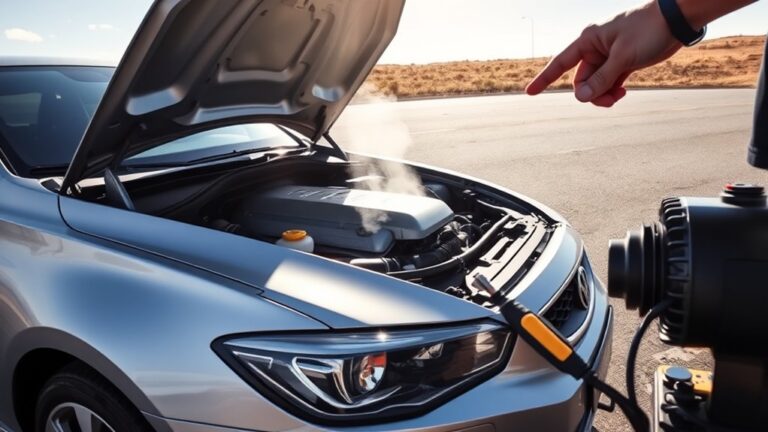
Are you tired of your car engine misfiring when you’re cruising at low RPM? You’re not alone—many drivers struggle with rough idling and hesitation, which can be frustrating and even concerning.
The good news is, understanding what causes these misfires can help you fix the problem faster.
If your car engine misfires at low RPM, it’s likely caused by issues like faulty spark plugs, clogged fuel injectors, or vacuum leaks that disrupt combustion.
Problems with ignition coils, dirty fuel systems, or malfunctioning sensors like the MAP or oxygen sensors can also create rough idling.
Regular checks and maintenance can prevent these issues, but if you want to understand the full range of causes and solutions, there’s more to uncover below.
Key Takeaways
- Fuel delivery issues like clogged injectors or failing fuel pumps can cause misfires at low RPM. When fuel isn’t getting through properly, the engine struggles to run smoothly.
- Worn spark plugs or incorrect spark gaps weaken ignition, leading to misfires during idling. If the spark isn’t strong enough, the engine can stumble at low speeds.
- Vacuum leaks and EGR valve problems disrupt the air-fuel mixture, causing rough idling and misfires. These leaks can throw off the balance the engine needs to run smoothly.
- Faulty sensors such as the crankshaft or oxygen sensors can affect engine timing at low speeds. When these sensors give incorrect readings, the engine’s timing can go off.
- Poor engine tuning or compression problems reduce efficiency, resulting in misfires at low RPM. If the engine isn’t properly tuned, it can’t perform well at lower speeds.
What Causes Low RPM Engine Misfires?
Low RPM engine misfires often happen when there’s an issue with fuel delivery or ignition at lower engine speeds. One common cause is improper engine tuning, which can mess up the air-fuel mixture and lead to uneven combustion.
Low RPM misfires often stem from fuel delivery or ignition issues causing uneven combustion.
If your engine isn’t tuned correctly, it might struggle to stay smooth at low RPMs, causing misfires. Compression problems can also be a big factor; if the cylinders don’t have the right compression, combustion becomes inefficient and misfires can occur.
Low compression might come from worn piston rings, a blown head gasket, or valve issues. These problems reduce the engine’s ability to generate enough power at low speeds, leading to rough idling or misfire symptoms.
To fix these issues, it’s important to check your engine’s tuning and perform compression tests to find mechanical faults. Correcting fuel delivery, ignition timing, or compression problems can help your engine run smoothly again at low RPMs and stop misfires.
How Do Spark Plugs Affect Idle Misfires?
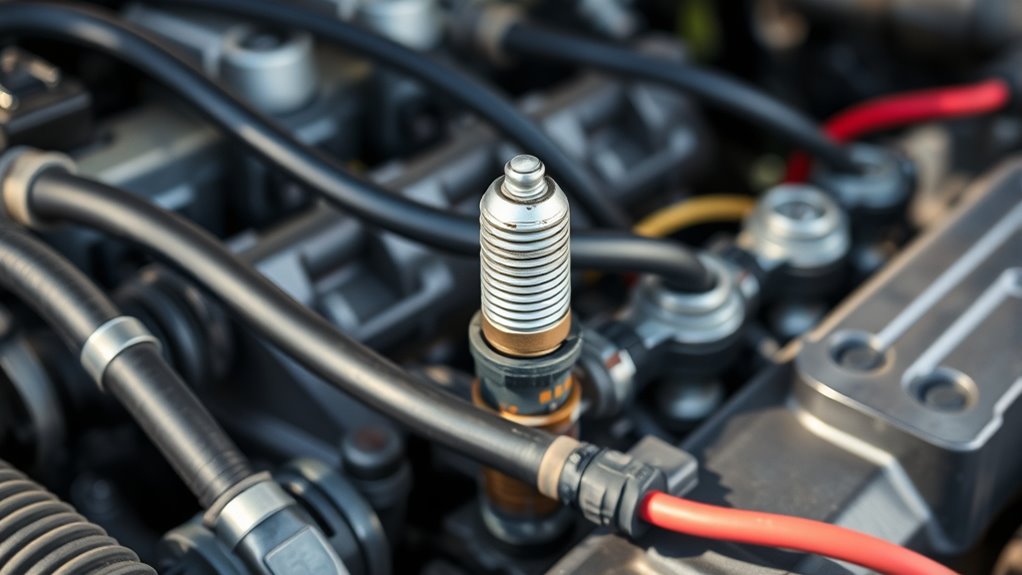
Your spark plugs are pretty important when it comes to keeping your engine running smoothly, especially at idle. If they’re worn out or the gap isn’t set right, you might notice your engine misfiring or running unevenly when you’re just sitting still.
And it’s not just the plugs themselves—if your ignition system isn’t firing consistently, those misfires can get worse. So, making sure your spark plugs are in good shape and properly gapped can really help keep things running smoothly and reduce those annoying idle misfires.
Spark Plug Condition
Spark plugs play an essential role in keeping your engine running smoothly, especially when idling, since the engine depends on a steady spark.
If your spark plugs wear out, their ability to produce a strong, reliable spark drops, which can cause idle misfires. Over time, electrode erosion, widened gaps, or carbon deposits can hinder ignition.
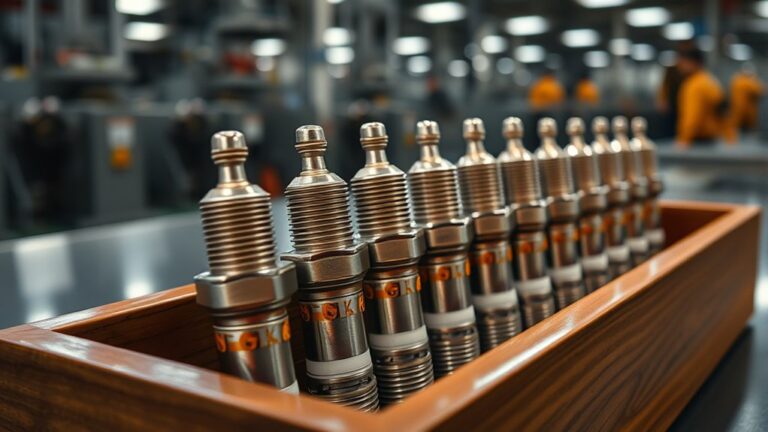
The type of spark plug matters too; options like copper, platinum, or iridium each have different durability and performance levels.
Worn or incompatible spark plugs can lead to inconsistent firing, resulting in rough idling or misfires at low RPMs. Regular inspection and replacement help ensure peak combustion and smooth engine operation.
Proper Spark Gap
Proper spark gap plays a big role in preventing idle misfires because it directly affects how well the spark plug ignites the air-fuel mixture. If the gap is too wide or too narrow, it can cause weak or inconsistent sparks, leading to misfires at low RPM.
Different spark plug types need specific gap settings for optimal performance, so always check your manufacturer’s recommendations. The spark gap also works with ignition timing to make sure the spark happens at the right moment.
If the gap isn’t correct, even a well-timed ignition won’t produce a strong spark. Regularly inspecting and adjusting the spark plug gap helps keep ignition proper and prevents idle misfires, keeping your engine running smoothly at low speeds.
Ignition System Health
Since the ignition system delivers the spark that ignites the air-fuel mixture, its health directly affects idle stability. Worn or faulty spark plugs can cause misfires, especially at low RPMs.
Poor ignition timing or high coil resistance can lead to inconsistent sparks, resulting in rough idling or engine hesitation. To help visualize, here’s a simple table:
| Issue | Effect | Solution |
|---|---|---|
| Bad spark plugs | Weak or missed sparks | Replace or clean plugs |
| Ignition timing | Sparks fire too early or late | Adjust timing |
| Coil resistance | Insufficient spark energy | Check and replace coil |
Keeping ignition timing correct and coil resistance low can prevent idle misfires caused by spark plug issues.
Can Fuel Delivery Problems Lead to Engine Misfires?
Sure! Here’s a more conversational version of the text:
Fuel delivery problems can definitely cause your engine to misfire. Things like a failing fuel pump, clogged fuel injectors, or a blocked fuel filter are often the main culprits. When these parts aren’t supplying fuel properly, your engine has a hard time running smoothly.
If you notice your engine misfiring, it’s a good idea to check these components quickly. Fixing the issue early on can help prevent further damage and get your engine back to running properly.
Fuel Pump Malfunctions
A malfunctioning fuel pump can really mess with your engine’s performance, often causing misfires. Different types like mechanical or electric pumps deliver fuel to your engine, but if they fail, fuel pressure drops.
When fuel pressure drops, your engine doesn’t get the right amount of fuel, which leads to inconsistent combustion. If the fuel delivery gets interrupted, your engine may hesitate or misfire, especially at low RPMs.
You might notice your engine sputtering or running roughly. It’s a good idea to regularly check your fuel pump and make sure it’s maintaining the correct fuel pressure as specified by your vehicle’s manufacturer.
Faulty fuel pumps can cause misfires that happen sometimes or all the time. Addressing pump issues quickly is key to keeping your engine running smoothly.
Clogged Fuel Injectors
Clogged fuel injectors can mess up how fuel gets into your engine, leading to misfires and a rough ride. When injectors are blocked, they can’t spray fuel evenly, which causes uneven combustion at low RPMs.
To fix this, you might need to clean the fuel injectors. This clears out deposits and helps restore proper flow. In really bad cases, you might have to replace the injectors if cleaning doesn’t do the trick.
Watch out for signs like poor acceleration, rough idling, or higher fuel bills. Regular maintenance can help prevent clogging. Using fuel additives designed to keep injectors clean can also help.
If problems persist, getting professional cleaning is a good idea. Fixing fuel delivery issues quickly keeps your engine running smoothly and reduces the chances of misfires caused by clogged injectors.
Fuel Filter Blockages
When the fuel filter becomes blocked, it can significantly disrupt the flow of gasoline to your engine, which may cause misfires. Over time, dirt and debris can clog the filter, leading to fuel flow problems.
Regular fuel filter maintenance is key to preventing this issue. It helps ensure clean fuel reaches your engine efficiently. When the filter is clogged, your engine might struggle to get enough fuel, especially at low RPMs.
This can lead to misfires and rough idling. If you notice hesitation or a loss of power, a blocked fuel filter could be the cause. Replacing or cleaning the filter restores proper fuel flow.
Doing so improves engine performance and helps prevent misfires caused by fuel delivery issues. Staying on top of fuel filter maintenance keeps your engine running smoothly and reliably.
Are Faulty Ignition Coils Behind Your Idle Troubles?
Could faulty ignition coils be the culprit behind your rough idling? It’s quite possible. Ignition coils are key in providing the spark needed for combustion. When they malfunction, your engine’s ignition timing can get disrupted, causing misfires at low RPM.
Faulty coils may also overheat, leading to inconsistent sparks and poor engine performance. Here are some signs to watch for: rough or shaky idle, sudden engine stalls, decreased fuel efficiency, and engine misfires under load.
If your coils overheat, they won’t generate a strong, consistent spark, which affects ignition timing and causes idle troubles. Replacing or repairing faulty ignition coils usually fixes these issues. Ignoring coil problems could lead to more severe engine damage, so it’s best to address these symptoms promptly to keep your engine running smoothly.
How Do Vacuum Leaks Cause Engine Misfires at Low RPM?
Vacuum leaks can cause engine misfires at low RPM because they disrupt the air-fuel mixture entering your engine. When there’s a leak, unmetered air gets into the intake manifold, which reduces vacuum pressure.
This change messes up the precise balance of the air mixture your engine needs for smooth operation. As a result, the engine runs lean, meaning there’s too much air and not enough fuel, leading to misfires.
At low RPM, your engine depends heavily on accurate vacuum pressure to control fuel delivery and ignition timing. A vacuum leak can cause hesitation, rough idling, or misfires because the sensors detect inconsistent pressure and try to compensate.
This often results in poor combustion. Fixing vacuum leaks restores proper vacuum pressure, ensuring the right air mixture reaches each cylinder. That helps your engine run smoothly again, preventing misfires and improving overall low RPM performance.
Could EGR Valve Issues Be Causing Your Idle Misfire?
Could EGR Valve Issues Be Causing Your Idle Misfire?
Your engine’s EGR valve is there to help control emissions by recirculating exhaust gases back into the engine. When it’s working properly, everything runs smoothly. But if the valve starts to malfunction, you might notice some rough idling or even stalling. Increased emissions can also be a sign that something’s off.
If you’re experiencing these symptoms, it’s a good idea to check the EGR valve. Sometimes, carbon buildup can clog it up, or it might not be opening and closing as it should. Ensuring that the valve is clean and functioning properly can make a big difference in keeping your engine running smoothly and avoiding those pesky misfires.
EGR Valve Functionality
A malfunctioning EGR (Exhaust Gas Recirculation) valve can mess with your engine’s idle, causing misfires and rough running. When the EGR valve sticks open or closes improperly, it messes up the air-fuel mixture and combustion process.
This can lead to low RPM misfires, especially when idling. To keep the EGR valve working properly, you might need to clean it to remove carbon buildup that blocks its operation. Common issues include:
- Carbon deposits blocking the valve
- Sticking due to dirt or grime
- Faulty EGR valve sensors
- Vacuum leaks affecting EGR operation
Regular maintenance and cleaning can help prevent these problems. Keeping the EGR in good shape ensures smooth engine performance and fewer misfires at low RPM.
Signs of Malfunction
When the EGR valve isn’t working right, you’ll notice certain signs while driving. Common ones include rough idling, hesitation, or stalling at low RPM. These clues can point to problems with engine diagnostics and idle stability.
| Sign | What It Means |
|---|---|
| Rough or unstable idle | The EGR valve might be stuck open or closed, causing misfire |
| Increased emissions or knocking | EGR issues can mess with combustion and emissions |
| Poor acceleration | Irregular combustion can slow down power delivery |
| Check engine light | The ECU detects something wrong with the EGR system |
Spotting these signs early can help you figure out if the EGR valve is causing your idle problems.
Troubleshooting and Fixes
Troubleshooting idle misfires caused by EGR valve issues involves a systematic approach to identify the problem. Start by inspecting the EGR valve for carbon buildup or sticking, which can disrupt exhaust flow.
Next, perform engine tuning to ensure all components are working correctly. Consider doing compression tests to rule out internal engine problems that might seem like EGR issues.
You should also check for vacuum leaks or faulty sensors that could impact the EGR system’s function. If cleaning or replacing the EGR valve doesn’t fix the misfire, look into other engine parts.
Which Sensors Are Commonly Responsible for Low RPM Misfires?
Low RPM misfires often come from sensor issues that mess up the engine’s performance when it’s idling or at low speeds. The main culprits are the crankshaft position sensor and the camshaft position sensor. These sensors give the engine control unit (ECU) critical data needed for proper timing and firing.
If these sensors fail or send incorrect signals, it can cause RPM fluctuations and misfires. Oxygen sensors also play a part because they monitor exhaust gases and help manage the fuel mixture. When they malfunction or give false readings, the engine might run rough at low speeds.
The manifold absolute pressure (MAP) sensor is another key sensor that impacts engine performance during idle. Faulty sensors make it harder for the ECU to adjust fuel and timing correctly, leading to misfires. Catching these sensor issues early can help prevent bigger engine problems and keep things running smoothly at low RPMs.
How Do Dirty Fuel Injectors Impact Engine Performance?
Have you ever noticed your engine running rough or stalling unexpectedly? Dirty fuel injectors are often the culprit. When these injectors get clogged or dirty, they can’t spray fuel evenly into the engine, leading to misfires and rough idling.
This impacts your engine’s performance, making it less responsive and efficient. Proper fuel injector maintenance is crucial to keeping your engine running smoothly. Here’s how dirty injectors affect your engine:
- Inconsistent fuel delivery causes misfires, especially at low RPM.
- Poor atomization results in incomplete combustion.
- You’ll notice reduced power and slower acceleration.
- Fuel consumption and emissions go up.
Cleaning or replacing dirty fuel injectors restores proper spray patterns and ensures efficient combustion. Regular maintenance prevents buildup, keeping your engine healthy and extending its lifespan. Address injector issues early to improve performance and save on fuel costs.
When Should You Check Your Air Intake System?
Ever wonder when it’s time to check your air intake system? If your engine starts running rough, especially at low RPM, it’s a good sign you should take a look.
Regular air filter maintenance is essential. If the filter is clogged or dirty, it restricts airflow, leading to misfires and poor performance.
Check the air filter at least every 12,000 to 15,000 miles, or sooner if you drive in dusty conditions. Also, examine the intake manifold for leaks or blockages, as these can disrupt the air-fuel mixture.
A compromised intake system reduces airflow efficiency, causing your engine to misfire or stall. If you notice decreased fuel economy, rough idling, or difficulty starting, it’s time to inspect and clean or replace your air filter.
Also, check the intake manifold for issues. Staying proactive helps your engine run smoothly and can prevent bigger problems down the line.
Troubleshooting Steps for Fixing Low RPM Engine Misfires
When your engine misfires at low RPM, it’s important to follow a systematic troubleshooting process to find the root cause. Start by using diagnostic tools to read engine codes, which can point you toward specific issues.
Next, check the spark plugs and ignition coils for wear or damage, since faulty parts often cause misfires. Inspect the fuel system, including the fuel injectors, for clogs or leaks that might disrupt proper combustion.
Check spark plugs, ignition coils, and fuel injectors for wear, damage, or clogs causing misfires at low RPM.
Finally, examine sensors like the mass airflow sensor or throttle position sensor, which could be sending incorrect data to the engine control unit. These sensors are critical for proper engine performance.
Here are the key troubleshooting steps:
- Use diagnostic tools to read engine codes
- Inspect spark plugs and ignition coils
- Check fuel injectors and fuel lines
- Test sensors such as MAF and throttle position sensors
Following these steps systematically helps you pinpoint the problem efficiently, so you can resolve low RPM engine misfires quickly.
Frequently Asked Questions
Can Low Oil Levels Cause Engine Misfires at Low RPM?
Low oil levels can cause engine misfires at low RPM because reduced oil pressure hampers engine components’ lubrication. This leads to uneven operation and can cause misfires.
While oil levels don’t directly affect fuel quality, poor lubrication can worsen combustion issues, especially if the fuel quality is also low. Maintaining proper oil levels guarantees ideal lubrication, preventing misfires.
It also helps support smooth engine performance at low RPMs, keeping everything running smoothly.
How Does a Faulty PCV Valve Contribute to Idle Misfires?
A faulty PCV valve can cause idle misfires by allowing unmetered air leaks into the intake manifold. When it doesn’t work right, it messes up the engine’s air-fuel mixture, leading to rough idling or misfires at low RPM.
You might notice the engine running unevenly or even stalling because the unregulated air throws off combustion. Replacing or fixing the PCV valve can restore proper airflow and get rid of those idle misfire issues.
Can Worn Timing Belts Lead to Low RPM Engine Misfires?
Yes, a worn timing belt can cause low RPM engine misfires. When the belt slips or wears out, it throws off the timing between the camshaft and crankshaft.
This misalignment messes with how the engine runs. It can cause the engine to misfire at low RPM because the spark plugs and fuel injection aren’t firing correctly.
Replacing a worn timing belt ensures the timing stays proper. This helps your engine run smoothly and prevents misfires.
Do Bad Engine Mounts Affect Engine Performance at Idle?
Bad engine mounts are like shaky foundations. They can definitely affect engine stability at idle. When mounts wear out, your engine may wobble or vibrate excessively, which you’ll really notice.
This instability can cause rough idling, uneven performance, and even put extra stress on the engine. If you feel increased vibrations or your engine feels unstable at low RPM, it’s probably time to check your engine mounts.
How Does Coolant Temperature Influence Engine Misfire Issues?
Coolant temperature significantly influences engine misfire issues because it impacts how your engine runs.
If there are coolant leaks, the engine might run too cold or hot, which can cause misfires at low RPM.
Faulty temperature sensors can give wrong readings, leading to misfires or stalls.
Make sure to check for leaks and replace bad sensors to keep your engine running smoothly at low speeds.
Conclusion
Think of your engine as a finely tuned orchestra. When one instrument falters, the whole symphony suffers.
Understanding common causes like spark plug issues, fuel delivery problems, or vacuum leaks can help you hit the right notes again.
Regular maintenance keeps your engine humming smoothly, preventing misfires from turning into a discordant mess.
Stay attentive to your engine’s signals, and you’ll keep your ride running like a well-conducted masterpiece.
If you’re experiencing car engine misfire at low RPM, addressing these issues promptly is key to keeping your engine running smoothly.