Is Power Steering Fluid Flush Necessary for Smooth Driving? Expert Insights & Manufacturers’ Guidelines
Are you tired of struggling with stiff or unresponsive steering? You’re not alone—many drivers face issues with their power steering over time. Maintaining smooth and easy steering is essential for safe and comfortable driving.
Regular power steering fluid flushes are essential for keeping your steering smooth and responsive. Over time, the fluid can become contaminated or degraded, which leads to harder steering and potential damage.
Following your manufacturer’s guidelines and monitoring fluid condition helps prevent costly repairs.
If you notice noise, difficulty turning, or fluid discoloration, a flush may be needed. Curious about how to maintain your system properly? Keep exploring to learn more about keeping your steering system in top shape.
Key Takeaways
- Regular power steering fluid flush helps prevent system wear, keeping your steering smooth and responsive.
- It’s best to follow the manufacturer’s recommended intervals, usually every 30,000 to 50,000 miles, for the best results.
- If you notice difficulty turning or strange noises, it’s a good sign you need a fluid flush to keep things running smoothly.
- Flushing the system removes contamination, rust, and thickened fluid that can make steering feel stiff or heavy.
- When driving in tough conditions, more frequent flushes might be necessary to protect your steering system’s health.
What Does Power Steering Fluid Do for Your Car?
Power steering fluid plays an essential role in helping you steer your vehicle smoothly and effortlessly. It transmits the power from your steering wheel to the steering mechanism, making turns easier and reducing driver fatigue.
The fluid also lubricates the moving parts within the power steering system, preventing wear and tear over time. When fluid levels are proper and the fluid is in good condition, you experience clear, responsive steering with minimal effort.
This highlights the importance of regular fluid maintenance to keep your system functioning at its best. Clean, well-maintained power steering fluid offers numerous benefits, including quieter operation and preventing costly repairs caused by contaminated or degraded fluid.
Neglecting fluid maintenance can lead to increased steering effort, system noise, and component damage. Understanding what power steering fluid does helps you appreciate its critical role in your vehicle’s performance and longevity.
It also emphasizes why regular checks and maintenance are essential for keeping your steering system in top shape.
How Often Should You Flush Power Steering Fluid?
How often you need to flush your power steering fluid depends on your vehicle’s make, model, and driving conditions. Keeping the fluid clean is important for maintaining good steering performance.
Most manufacturers recommend changing the fluid every 30,000 to 60,000 miles. But this can vary depending on how and where you drive. If you often drive in tough conditions like extreme heat, dusty areas, or stop-and-go traffic, you might need to do it more often.
Most vehicles recommend power steering fluid changes every 30,000 to 60,000 miles, more often in tough driving conditions.
Checking your owner’s manual gives you specific guidance for your vehicle. Regular flushing helps remove dirt and contaminants, prevent rust, and keep your steering smooth.
Some vehicles can go longer between flushes, but sticking to your manufacturer’s schedule is the best way to keep your steering responsive. It also helps you avoid costly repairs down the line.
Understanding when and why to flush your power steering fluid keeps your driving safe and reliable.
Signs It’s Time for a Power Steering Fluid Flush
If your steering suddenly feels a lot harder or takes more effort than usual, that’s a pretty good sign you might need to check your power steering fluid. You might also hear some odd noises when you turn the wheel, like whining or squealing—that’s another warning sign.
And don’t forget to take a peek at the fluid itself. If it looks dark, cloudy, or you notice any debris, it’s probably time for a flush. Keeping that fluid clean helps your power steering work smoothly and keeps everything running nicely.
Difficulty Turning Steering
When steering becomes noticeably harder, it’s a sign that your power steering fluid might need attention. Less responsive steering often happens when the fluid is too thick or too thin, which affects how smoothly your wheel turns.
If the fluid’s viscosity changes because of age or contamination, turning the wheel takes more effort. You might notice it feels stiffer or sluggish, especially at low speeds or when parking.
This difficulty isn’t just annoying; it can mean the fluid isn’t providing proper lubrication and hydraulic support. Checking and possibly flushing the power steering fluid early can help restore the right viscosity.
Doing this keeps your steering responsive, safe, and easy to operate.
Unusual Steering Noises
Unusual noises when you turn the steering wheel can be a sign that your power steering fluid needs attention. You might hear whining, squealing, or groaning sounds, especially during tight turns or when starting the engine.
These noises often point to low or degraded fluid that causes increased friction. You might also notice steering vibrations or a stiff feel, which means the fluid isn’t lubricating properly.
Here’s a quick overview:
| Noise Type | Common Noise Source | Possible Issue |
|---|---|---|
| Whining/Squealing | Pump struggling with fluid flow | Low fluid level or pump wear |
| Groaning | Increased steering resistance | Contaminated fluid |
| Squeaking | Dry steering components | Need for a fluid flush |
If these signs keep showing up, it’s time to get a power steering fluid flush.
Fluid Discoloration or Contamination
Over time, power steering fluid can change color or become contaminated, which means it might not work as well anymore. Different types of fluid, like synthetic or mineral-based, may discolor at different speeds, but usually, darkening or cloudiness signals a problem.
Contamination often comes from dirt, debris, or moisture getting into the system through leaks or bad seals. If your fluid looks burnt, murky, or has particles floating around, it’s a good sign you need a fluid flush.
When the fluid’s lubricating ability drops, steering performance can suffer. Regularly checking your power steering fluid helps catch issues early, keeping your handling smooth and avoiding costly repairs later on.
Can You Flush Power Steering Fluid at Home?
Many car owners wonder if they can safely flush their power steering fluid at home. While DIY fluid replacement might seem straightforward, it requires careful attention to detail for proper power steering maintenance.
Flushing the fluid yourself can save money, but it’s not without risks. You’ll need the right tools, like a pump or syringe, and knowledge of your vehicle’s specific procedure.
Flushing power steering fluid yourself saves money but requires proper tools and vehicle-specific knowledge.
First, locate the power steering reservoir and drain the old fluid correctly. Then, refill it with fresh fluid. Some vehicles have complex systems that make DIY flushing tricky or risky if not done properly.
If you’re confident in your mechanical skills and follow manufacturer guidelines, you can attempt a basic flush. However, for most car owners, it’s safer and more effective to consult a professional.
Proper maintenance guarantees the longevity of your power steering system and smooth driving.
Expert Advice: Is Regular Power Steering Fluid Flushing Necessary?
Is regular power steering fluid flushing truly necessary for your vehicle’s health? Not always, but it can be important for keeping your steering system in top shape.
Over time, power steering fluid can get contaminated with dirt, debris, and moisture, which can hurt how well your steering works. Flushing helps remove these impurities and keep everything running smoothly.
If you often drive in tough conditions or notice your steering feels harder to turn, a fluid flush might help restore easy, responsive steering. Many manufacturers don’t require frequent changes, instead relying on recommended intervals.
Check your owner’s manual or ask a trusted mechanic to see if a flush is right for your car. Regular fluid maintenance can extend your steering system’s life and ensure smooth handling—though it’s not always a must-do for every vehicle.
Key Factors That Determine When to Flush Power Steering Fluid
You should keep an eye on the color and clarity of your power steering fluid. If it starts to look darker or gets murky, that’s a good sign it’s time for a flush.
How often you drive and your vehicle’s mileage also play a role here. The more you drive, especially over time, the quicker the fluid can become contaminated or break down. So, if you’re driving a lot, it’s worth checking your fluid more frequently.
And don’t forget to listen for warning signs. Squealing noises or if it’s harder than usual to turn your steering wheel are clues that your fluid might need to be replaced soon. Keep an ear out for those signs to keep your steering smooth and safe!
Fluid Color and Clarity
The color and clarity of power steering fluid are clear signs of its condition. When you do fluid maintenance, watch for color changes that show dirt or degradation.
Fresh power steering fluid is usually transparent or light amber, indicating it’s clean and working well. If it looks dark, murky, or has debris floating, it’s a sign contaminants have built up. A flush might be needed.
Cloudiness or a thick texture also point to poor fluid quality. Checking the fluid color regularly helps you know when it’s time to flush, keeping your steering system in top shape.
Ignoring these visual clues can lead to more wear on parts and costly repairs later. Use these color indicators to stay ahead of potential problems and keep your power steering running smoothly.
Mileage and Usage
Mileage and driving habits are the main factors that decide when you should flush your power steering fluid. Over time, mileage can cause the fluid to break down, which makes it less effective.
Your usage patterns also matter. For example, city driving with lots of stop-and-go traffic speeds up fluid wear compared to highway driving. Keep these points in mind:
- If you’ve gone over 50,000 miles, it’s a good idea to get a flush, even if your steering feels fine.
- Heavy use, like towing or driving in tough conditions, might mean you need to flush earlier.
- Short trips often lead to more fluid contamination, so more frequent flushes may be necessary.
Knowing your mileage and how you drive helps keep your steering smooth and prevents problems caused by old, degraded fluid.
Warning Signs of Contamination
How can you tell if your power steering fluid is contaminated? Look for signs like increased steering effort, strange noises, or squealing when turning.
Fluid degradation often happens because dirt, debris, or moisture gets into the system. This can make the fluid cloudy, dark, or gritty, showing it’s no longer effective.
You might also notice a burning smell or fluid leaks, which are signs of contamination issues. Checking the fluid’s color and consistency regularly helps you know when it’s time for a flush.
If the fluid looks contaminated or shows signs of breaking down, it’s a clear signal to schedule a power steering fluid flush. Doing this helps keep everything running smoothly and protects your steering components.
How to Check Your Power Steering Fluid Level and Condition
Checking your power steering fluid level and condition regularly helps keep your steering smooth and responsive. Proper fluid maintenance is key to good steering performance.
First, find the reservoir under the hood, usually marked with a steering icon. Remove the cap and peek inside.
Next, check the fluid level against the marked minimum and maximum lines. If it’s low, add the recommended fluid to bring it up.
Then, look at the fluid’s condition—should be clear or slightly tinted. If it’s dark, cloudy, or has debris, it’s time for a fluid flush or replacement.
Maintaining the right level and quality of power steering fluid helps prevent steering issues and extends your system’s life. Regular checks catch problems early, keeping your steering smooth and responsive.
A Simple Guide to Flushing Your Power Steering System
Flushing your power steering system is a simple way to remove old, contaminated fluid and keep things running smoothly. Regular maintenance helps your vehicle respond better and reduces wear on key parts.
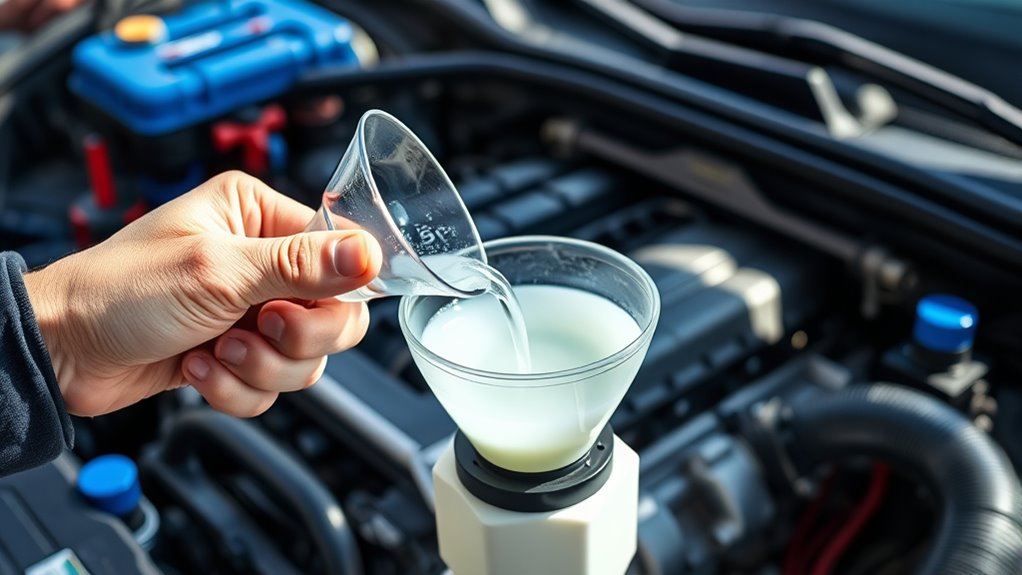
Start by locating the power steering reservoir and lifting your vehicle safely if needed. Drain the old fluid by opening the drain plug or disconnecting hoses, depending on your system.
Fill the system with a power steering fluid flush kit or a clean, compatible fluid. Turn the steering wheel from lock to lock several times to circulate the new fluid thoroughly.
Check the fluid level afterward and add more if needed. Repeat the process if the fluid looks dirty or if your vehicle’s manufacturer recommends it.
Keeping your power steering fluid clean with regular flushes helps prevent issues and extends the life of your components. This simple step ensures smooth, reliable steering every time.
Avoid These Mistakes When Maintaining Power Steering Fluid
Maintaining your power steering fluid correctly isn’t just about following the right steps; it’s also about avoiding common mistakes that can lead to costly repairs or system failure. One key error is rushing through fluid replacement, which can leave debris and old fluid lingering, causing damage.
Second, avoid common flush errors like using the wrong fluid type or neglecting to properly bleed air from the system. These mistakes can lead to steering issues and make your system work harder than it should.
Finally, don’t ignore signs of contamination or wear, such as dark or gritty fluid. These are signals that it’s time for a replacement. Being attentive can save you money and keep your steering smooth.
Should You Flush Your Power Steering Fluid Now?
Thinking about whether you should flush your power steering fluid right now? Well, if you’re hearing strange noises or finding it hard to turn your steering wheel, those could be signs that your fluid is contaminated or needs some attention. It’s a good idea to get it checked out sooner rather than later to avoid bigger issues down the road.
Also, don’t forget to take a peek at your vehicle’s owner’s manual. Manufacturers often have specific recommendations on when to flush or replace the power steering fluid. Keeping up with those guidelines can help your steering stay smooth and prevent costly repairs in the future. Better safe than sorry!
Signs of Fluid Contamination
Contamination in power steering fluid can sneak in and cause problems before you even notice. It’s important to spot the signs early to avoid bigger issues down the road. When fluid gets contaminated, it loses its ability to lubricate properly, which can lead to steering troubles.
Look out for unusual noises like whining or squealing when you turn the wheel. If steering feels stiff or hard at low speeds, that’s another red flag. Also, check the fluid—it should be clear and smooth. Discolored or gritty fluid means dirt, debris, or degraded oil is present.
If you notice any of these signs, your fluid might be contaminated and needs attention. Ignoring these symptoms can cause more damage and lead to costly repairs. Regularly inspecting your power steering fluid helps catch contamination early and keeps your steering smooth and responsive.
Manufacturer Recommendations
Manufacturer guidelines are your best resource for knowing when to flush your power steering fluid. Always check your vehicle’s owner’s manual for specific maintenance intervals.
These guidelines will tell you what type of fluid to use, including whether OEM-approved or compatible fluids are recommended. Many manufacturers suggest a power steering fluid flush every 30,000 to 50,000 miles, but this can vary depending on driving conditions and fluid quality.
Following these recommendations helps keep your system running smoothly and prevents unnecessary wear. If your manual says a flush is needed, don’t delay. But if it advises against frequent changes, stick to those instructions.
Always prioritize your manufacturer’s specifications to keep your power steering system reliable and efficient.
Frequently Asked Questions
What Are the Long-Term Benefits of Regular Power Steering Fluid Changes?
Regular power steering fluid changes help prevent fluid degradation, which can cause increased wear on system components. By keeping the fluid fresh, you extend the life of your steering system and enjoy smoother handling.
It also lowers the chance of expensive repairs caused by corrosion or buildup inside the system. Staying on top of fluid changes keeps everything running efficiently and reduces costly breakdowns.
How Does Temperature Affect the Need for a Power Steering Fluid Flush?
Temperature fluctuations have a big impact on your power steering fluid, which means you might need to flush it more often. Cold weather can make the fluid get thick, reducing how well it works.
Hot temperatures, on the other hand, speed up the breakdown of the fluid, leading to contamination and wear over time. Regularly flushing your power steering system helps clear out this degraded fluid and any dirt or debris.
Doing this maintenance keeps your steering smooth and reliable, no matter what the weather throws at you. Staying on top of these needs ensures your vehicle stays responsive and in good shape.
Are There Specific Brands of Power Steering Fluid Recommended by Manufacturers?
You might think all power steering fluids are interchangeable, but manufacturers actually recommend specific brands to guarantee fluid compatibility.
Some brands stand out in comparisons, offering better protection and performance.
So, don’t just pick any off the shelf—stick to the recommended brand for your vehicle.
It’s ironic, isn’t it? The right choice could save you from costly repairs, making your drive smoother and more reliable.
Can Using the Wrong Type of Fluid Damage the Steering System?
Using the wrong type of power steering fluid can cause serious damage to your steering system. If the fluid doesn’t match your vehicle’s specifications, it might lead to corrosion, leaks, or even pump failure.
Always check your manufacturer’s guidelines to make sure you’re using the right fluid. Avoid mixing different types, as this can make problems worse.
Sticking with the recommended fluid helps keep your steering smooth and can save you from costly repairs down the line.
How Does Driving Style Impact the Frequency of Power Steering Fluid Flushes?
Your driving style directly affects how often you need a power steering fluid flush. Gentle driving habits, like smooth accelerations and turns, help keep the fluid condition ideal longer.
On the other hand, aggressive driving, frequent sharp turns, or heavy loads can speed up fluid degradation. This means you might need to get your power steering fluid flushed more often.
Pay attention to signs like difficulty steering or unusual noises. Scheduling flushes based on your driving habits can help keep your steering smooth and responsive.
Conclusion
Keeping your power steering fluid in top shape isn’t just a minor maintenance task. It’s the secret weapon to a smoother, safer drive.
Ignoring signs or delaying a flush can turn your car into a sluggish beast. Steering may feel stiff, like trying to bend steel.
Stay vigilant, follow expert advice, and don’t let your steering system become a ticking time bomb. When it’s time for a flush, act quickly—your car’s performance depends on it.
Regular power steering fluid flushes are key to maintaining smooth steering and avoiding costly repairs.